The early 1980s saw U.S. automakers respond to fuel crises, emissions rules, and shifting tastes — giving us everything from turbocharged V6s to the first family minivans that reshaped daily life. Those pressures forced designers and engineers to pick their spots: squeeze more power from smaller displacements, improve aerodynamics for better economy, or invent entirely new packaging for families on the move.
What mattered then — and still matters now — was impact: cars that changed expectations, introduced useful tech, or simply delivered driving enjoyment despite constraints. This list ranks the ten best american cars of the 1980s by historical impact, design and engineering, driving experience, and cultural staying power.
We group the picks into four categories: Performance & the Muscle Revival, Luxury & Personal Coupes, Practical & Fuel‑Efficient Compacts, and Innovators & Iconoclasts. Each entry focuses on what made the model important then and why enthusiasts remember it today.
Performance & the Muscle Revival
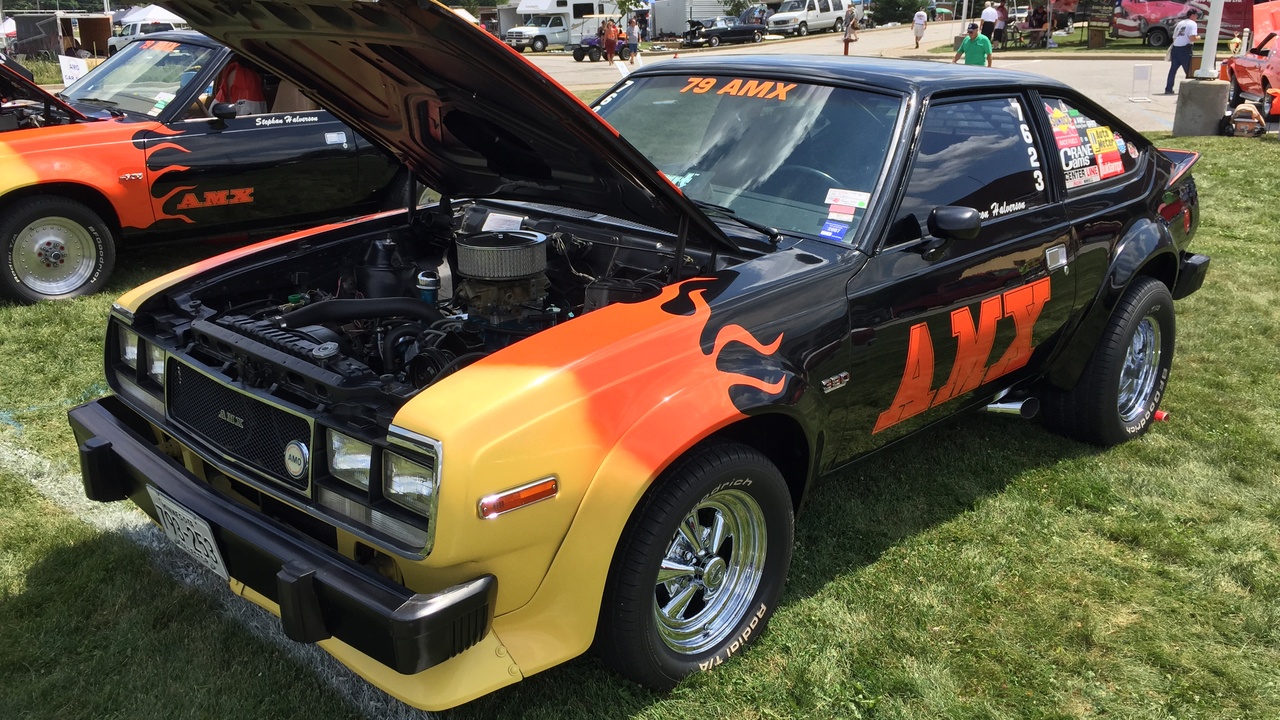
The 1980s kicked off a performance comeback after a tough ’70s. Turbocharging, tuned port injection and better suspension geometry let manufacturers wring real speed from constrained engines. Enthusiasts reacted with aftermarket tuning and track‑day passion, and dealerships pushed sportier trims to bring buyers back to the showrooms.
1. Chevrolet Camaro IROC‑Z (1985–1990)
The IROC‑Z reestablished the Camaro as a credible mid‑80s performance car. Introduced for 1985, the IROC package paired aerodynamic bodywork and firmer suspension with the 5.0L V8, and in many years that V8 used Tuned Port Injection (TPI).
Output varied by year and emissions tuning, but late‑80s TPI 5.0L Camaros commonly produced in the mid‑200s horsepower range, enough for roughly 0–60 mph in the high‑5 to low‑6 second window for well‑equipped models. Curb weight sat in the 3,200–3,500 lb neighborhood, which made handling upgrades meaningful on road and track.
What buyers loved was value: near‑sports‑car performance at a sensible price, plus huge aftermarket support that could push power and handling further. The IROC‑Z helped bring TPI into the mainstream of American performance cars.
2. Buick GNX (1987)
The GNX is the archetypal factory sleeper: low profile, blacked‑out, and terrifyingly quick. Buick rated the GNX at 276 hp from its turbocharged V6 — a conservative GA rating — and the tuned package delivered startling real‑world pace.
Just 547 GNX coupes were built, making them exceptionally rare from day one. Contemporary magazine tests put 0–60 mph in the mid‑4 second range for the quickest examples, which stunned rivals and built Buick a performance reputation few expected.
Collectors prize the GNX for that combination of rarity, factory tuning, and its role proving that turbo V6s could beat bigger engines on the street and the drag strip.
3. Ford Mustang SVO (1984–1986)
The SVO was Ford’s experiment in balanced performance: a turbocharged 2.3L inline‑4 that emphasized handling as much as straight‑line speed. It shipped with an intercooler, sport suspension, and five‑lug front hubs for improved brakes and wheel choice.
Output climbed from the mid‑100s into the high‑100s and about 175–205 hp depending on the year and tune. That made the SVO competitive with V8 Mustangs in many driving situations while offering lighter frontal weight and better balance.
Production was limited compared with mainstream Mustangs, which gives the SVO a niche appeal today. Enthusiasts admire it for foresight: turbocharging small engines for performance, a trend that became mainstream decades later.
Luxury & Personal Coupes
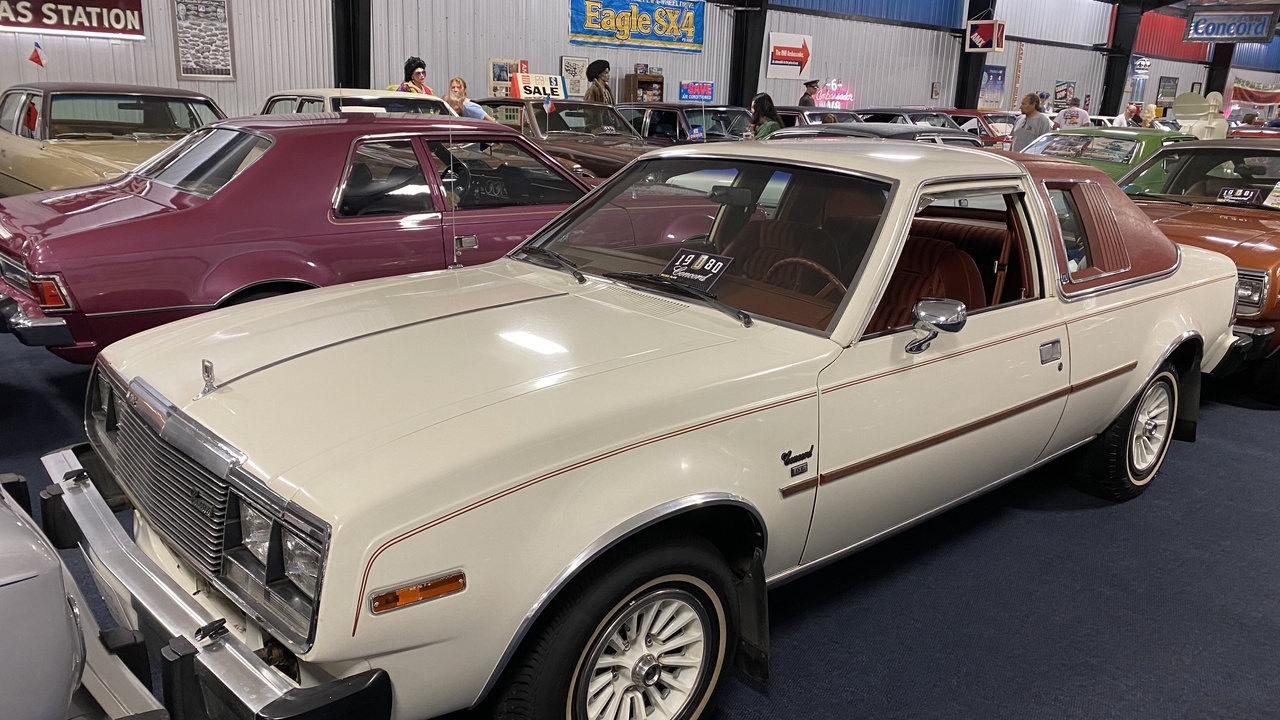
Personal luxury cars in the 1980s blended comfort, style, and sometimes surprising performance. Long hoods, upgraded interiors, and early electronics made these models aspirational purchases that often acted as a gateway into higher trims and dealer‑level profit.
Some pushed tech — digital dashboards, electronically controlled suspensions — while others focused on a strong visual identity that still turns heads today.
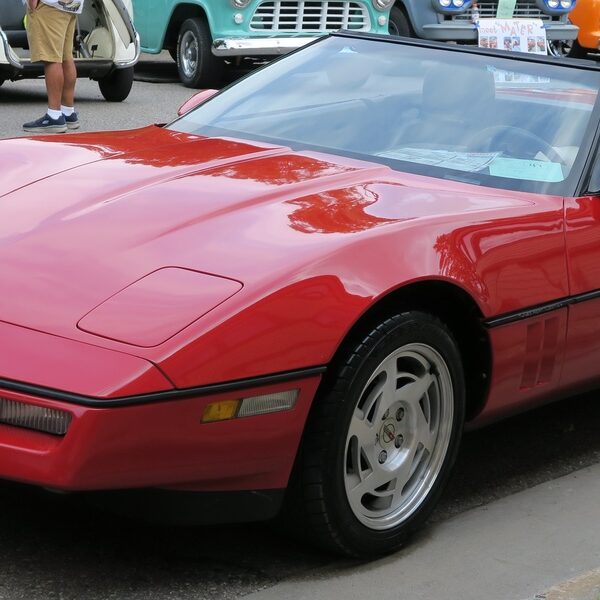
4. Chevrolet Corvette (C4, 1984–1990)
The C4, introduced for 1984, was a thorough rethink that modernized the Corvette’s chassis and handling. A new perimeter frame, improved suspension geometry, and a lower, more aerodynamic body gave the Corvette much sharper road manners than its predecessors.
Early 1984 cars used the L83 5.7L V8 with roughly 200–210 hp, while later C4s benefited from the L98 and Tuned Port Injection upgrades that pushed output noticeably higher through the decade.
Beyond straight‑line numbers, the C4 reestablished the Corvette as a credible sports car for autocross, club racing and enthusiastic weekend driving — and it set the stage for the platform’s long production run into the 1990s.
5. Buick Regal Grand National (1982–1987)
With its black paint, minimal chrome, and turbocharged V6, the Grand National became an instant icon. It offered a restrained look with serious shove, creating the “sleeper” image that fans still celebrate.
Mid‑1980s Grand Nationals used turbocharged V6 setups that became benchmarks for the era, and the model directly preceded the even more extreme GNX special edition. The Regal proved you didn’t need a V8 badge to be fast.
Collectors and enthusiasts prize Grand Nationals for their character and for showing how turbocharged six‑cylinder packages could redefine American performance aesthetics.
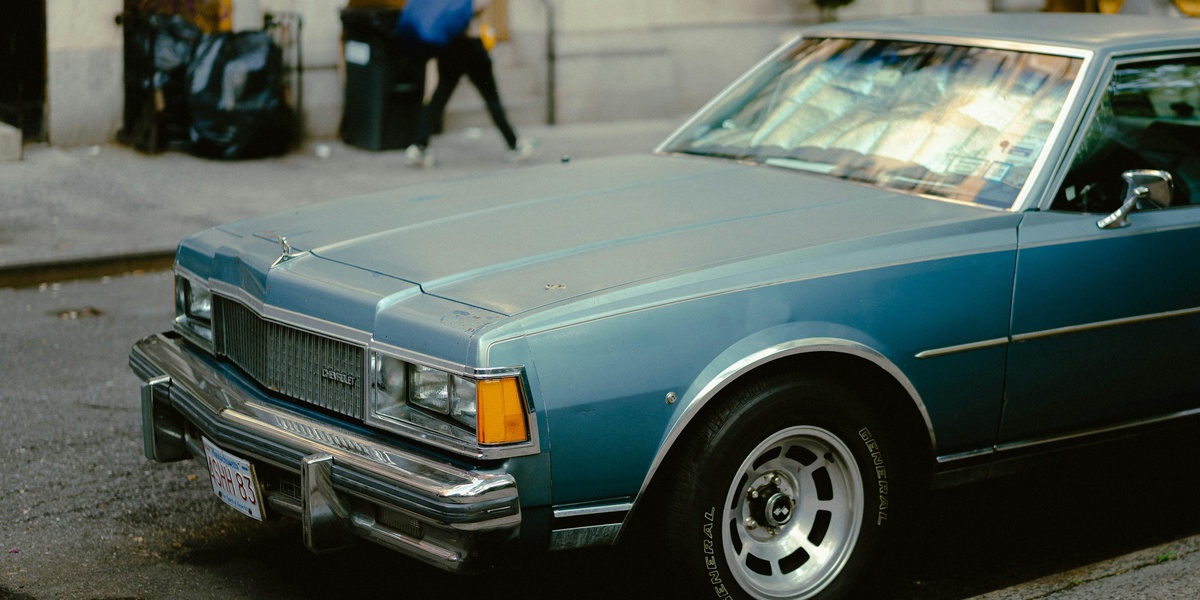
6. Cadillac Eldorado (mid‑1980s refresh)
The mid‑80s Eldorado signaled Cadillac’s move toward modern personal luxury with front‑wheel drive, improved packaging, and electronic features. The refreshed models leaned into comfort and refinement while trimming size and complexity compared with earlier land‑yachts.
Typical powertrains in that era included V8 options tuned for smoothness rather than outright speed, and buyers could choose luxury tech like digital instrumentation and upgraded climate and audio systems.
The Eldorado sold to buyers who wanted Cadillac prestige with a more contemporary driving experience, and it represents Cadillac’s effort to stay relevant through styling and technology updates.
Practical & Fuel‑Efficient Compacts
Rising fuel prices and changing tastes pushed American makers into smaller platforms. Front‑wheel drive designs became common, and compact cars had to deliver reasonable economy while still feeling familiar to U.S. buyers.
These cars shaped daily life: commuting, errands, and affordable family transport. High sales volumes meant they helped automakers survive the decade.
7. Ford Escort (North America, 1981–1990)
Introduced to North America for 1981, the Escort served as Ford’s compact answer to changing markets. It offered simple, reliable 1.6–1.9L inline‑4 engines and tidy packaging for city and suburban use.
Fuel economy typically landed in the high‑20s mpg range for many versions, and the Escort’s low ownership costs and straightforward mechanics made it a common commuter and first car for many buyers.
Special editions and sportier trims appeared over the years, keeping the Escort relevant throughout the decade and helping Ford maintain strong compact‑segment sales.
8. Chevrolet Cavalier (1982–1994)
Launched in 1982, the Cavalier became Chevrolet’s main compact through much of the 1980s. Its platform supported multiple body styles — coupe, sedan and station wagon — which broadened appeal across buyer types.
Engine choices ranged across roughly 1.8–2.8L equivalents depending on market and trim, and the Cavalier’s affordability, easy parts availability, and simple repairs made it a staple of long‑lived ownership.
Sporty trims and dealer options added a frisson for buyers wanting some style without a big price premium, which helped the model sell in large numbers during the decade.
Innovators & Iconoclasts

Some 1980s models mattered less for headline numbers and more for what they changed. A new vehicle form can alter how families travel or how drivers think about traction and utility.
These innovators laid groundwork for segments that dominate today: the minivan and the passenger‑car‑based all‑wheel‑drive vehicle.
9. Chrysler Minivans — Dodge Caravan / Plymouth Voyager (1984 debut)
When Chrysler introduced the Dodge Caravan and Plymouth Voyager for 1984, they effectively invented the modern family minivan. The packaging offered car‑like driving, flexible seating, and cargo versatility in a way station wagons and vans had not.
Features like sliding doors, removable or folding seats, and a low load floor made routine family tasks far easier. Dealers marketed them hard to parents, and sales followed — Chrysler sold hundreds of thousands of minivans through the 1980s as competitors scrambled to follow.
The minivan reshaped family travel and revived Chrysler’s fortunes, proving that a well‑packaged utility vehicle could be both practical and profitable.
10. AMC Eagle (1980–1988)
The AMC Eagle deserves credit as a proto‑crossover: it married passenger‑car comfort to full‑time or part‑time all‑wheel drive and a slightly raised ride height. Produced from 1980 to 1988, it targeted buyers who wanted better traction without moving to a truck‑based SUV.
Engines ranged from economical four‑cylinders to inline‑sixes, and AMC pitched the Eagle as “All‑Weather” capable for buyers living where snow or rough roads made extra traction valuable.
Sales were modest, but the Eagle’s concept — passenger‑car platform, AWD, and everyday usability — foretold the crossover boom that followed decades later.
Summary
- The decade mixed constraint with creativity: emissions and economy rules forced smarter engineering while turbocharging and fuel injection revived performance.
- Performance models like the Buick GNX and Camaro IROC‑Z proved small‑displacement and turbo technologies could deliver real speed and lasting enthusiast followings.
- Luxury and personal coupes modernized showroom appeal — the C4 Corvette and Regal Grand National reshaped how Americans thought about sports and personal luxury cars.
- Practical models and category‑creators changed daily life: Ford Escort and Chevrolet Cavalier put millions on the road affordably, while Chrysler’s 1984 minivans transformed family travel.
- Innovators like the AMC Eagle anticipated the crossover and showed that altering a vehicle’s use case can be as influential as raw sales or speed.