The 1973 oil embargo and a rising emissions-regulation regime reshaped American carmaking almost overnight—yet the decade still produced some of the boldest, most collectible cars you’ll see at shows today. New federal rules introduced around the 1970 model year for emissions and the mid-decade rollout of tougher safety standards forced manufacturers to rethink powertrains, bumpers, and calibrations almost immediately after 1973.
That tension—between shrinking displacement and the desire for spectacle—made the 1970s a fascinating era. Automakers squeezed performance out of smaller or reworked V8s, layered on distinct styling cues, and packaged cars as lifestyle statements. The result: models that mattered for engineering, design, and culture.
This list collects the ten best american cars of the 1970s by weighing performance, design, cultural impact, and innovation. Organized by categories—performance, pony/sports, luxury, and economy—you’ll find key specs, historical context, and why collectors prize each model today.
Muscle & Performance Icons
The early 1970s represent the apex of factory muscle: big-block V8s, high-compression cams, and factory-claimed horsepower numbers that read like bravado. The 1970 model year stands out as a high-water mark, with engines like Chrysler’s 426 Hemi and Chevrolet’s LS6 454 advertised at the top of the charts.
After the 1973 oil crisis and tightening emissions rules, manufacturers detuned engines, added smog gear, and shifted priorities. Still, those pre-1973 beasts created the legend that drives auction values and collector demand today—factory ratings such as 425 hp for the 426 Hemi or 450 hp for the LS6 454 remain touchstones.
1. 1970 Plymouth Hemi ‘Cuda
The 1970 Plymouth Hemi ‘Cuda is iconic because it paired the lightweight Barracuda body with Chrysler’s legendary 426 Hemi V8. The factory rating of 425 hp (gross) and the engine’s race-bred pedigree made it a drag-strip and showroom star during 1970–1971.
Low production numbers and few convertibles mean original Hemi ‘Cudas are extraordinarily rare and highly coveted. High-profile auction results have repeatedly crossed into seven figures, with several examples selling for multi-million-dollar prices at major auctions.
Collectors prize the Hemi ‘Cuda for its performance cachet, factory options, and cultural status as the ultimate Mopar expression of the big-block era.
2. 1970 Chevrolet Chevelle SS 454 (LS6)
The Chevelle SS 454 LS6 stakes its claim as the top-dog Chevy of 1970: Chevrolet advertised the LS6 at 450 hp, making it the highest-horsepower factory Chevy of the era. The 454’s torque and broad powerband translated to brutal straight-line performance.
Period road tests pushed LS6 Chevelles into the low 13-second quarter-mile range, and owners used them as both street rockets and strip cars. Today the LS6 is a restoration favorite, and original, numbers-matching cars command premium prices at concours events and auctions.
3. 1970 Buick GSX
The Buick GSX is a sleeper that combined upscale appointments with serious torque. Buick’s Stage 1 455 package emphasized low-end pull—torque figures made it a real-world terror off the line—and the GSX dressed performance in more refined trim than many rivals.
Distinctive paint and stripe packages, plus optional equipment, made GSX examples stand out. Buyers got comfortable interiors and long-distance manners alongside quick acceleration, which helps explain why original, well-optioned GSXs are prized by collectors now.
4. 1970 Dodge Charger R/T
The Charger R/T married fastback style with a range of big-block engines, from the 440 Magnum to the optional 426 Hemi. That mix of looks and power made the Charger a favorite for grand touring, drag racing, and weekend cruising.
Pop-culture exposure and racing ties amplified the Charger’s appeal; television and film appearances helped cement its image. Collectors value R/Ts for their styling, engine options, and the way they represent late-era muscle-car grandeur.
Pony Cars and American Sports Cars
Pony cars offered a different promise: accessible style, nimble handling, and spirited engines in smaller, cheaper packages. The Mustang continued to define the segment while the Corvette remained America’s flagship sports car through the C3 generation.
Over the decade manufacturers shifted emphasis from raw peak horsepower toward balanced handling and distinctive design. That evolution produced cars that still appeal for both their driving character and their looks.
5. 1970 Ford Mustang Boss 302
The Boss 302 matters because it was built to win in Trans-Am competition. Ford’s high-revving 302ci V8, changes to the cylinder heads, and a tuned suspension made the Boss a track-focused pony car with legal street manners.
Published ratings listed the Boss at roughly 290 hp (gross) in 1970, but the car’s real strength was in its handling package and race-bred intent. Limited production, distinctive striping, and documented Trans-Am ties have made Boss 302s highly collectible.
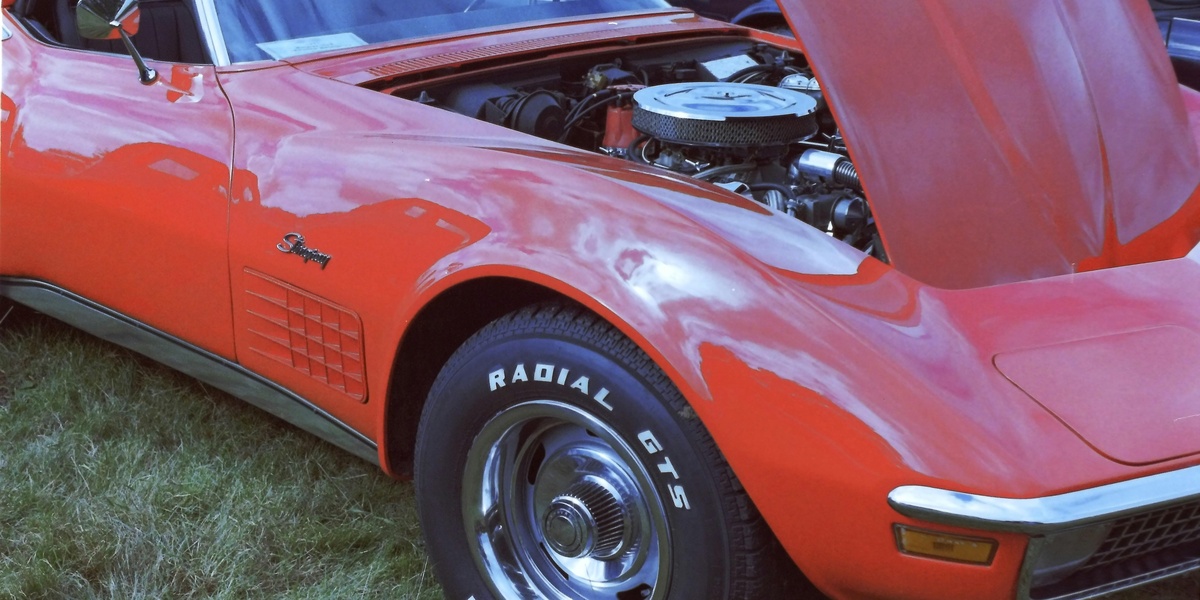
6. Chevrolet Corvette (C3, 1968–1982) — 1970s highlights
The C3 Corvette was America’s signature sports car in the 1970s, with shark-like styling that evolved throughout the decade. Early-’70s options included LT1 and L82 engines, and popular features like T-tops broadened the car’s appeal.
Emissions rules after 1973 lowered factory horsepower numbers through the mid-decade, but the C3 retained strong cultural cachet. Enthusiasts now restore and upgrade C3s with crate engines and suspension work to reclaim lost performance.
7. 1977 Pontiac Firebird Trans Am
The late-1970s Trans Am became an icon thanks to bold graphics, a beefy L78 400 V8 option, and a muscular stance. Sales surged in part because of high-profile media exposure—the 1977 film Smokey and the Bandit turned the Trans Am into a pop-culture symbol.
Decals, shaker hoods, and special packages gave the car personality, while aftermarket support keeps these cars on the road. Collectors prize late-’70s T/As for style and their connection to a particular slice of American car culture.
Luxury and Personal-Luxury Standouts
Personal-luxury coupes and full-size flagships defined status and comfort in the 1970s. While emission controls trimmed peak power, buyers still demanded smooth V8s, plush interiors, and style cues that conveyed success.
These cars sold on image as much as performance, and many remain collectible for their appointments, option packages, and period-correct appearance at classic-car shows.
8. Cadillac Eldorado (1970s editions)
The Eldorado named the decade’s vision of American luxury: roomy cabins, abundant power options, and a focus on comfort. The Eldorado line had moved to front-wheel drive in 1967, a configuration that influenced packaging and interior space through the 1970s.
Mid-decade styling updates refined the look, and standard power accessories and plush upholstery appealed to buyers wanting prestige and a smooth ride. Well-preserved Eldorados attract collectors who value period luxury and original options.
9. Chevrolet Monte Carlo (1970s generations)
The Monte Carlo was a best-selling personal-luxury coupe that married boulevard style with accessible V8 performance. Early-1970s variants offered strong engine choices and classic coupe proportions that resonated with buyers.
Its combination of styling, comfort, and drivability made it a common sight on American streets. Today, period-correct Monte Carlos are popular restoration projects and retain a solid place in personal-luxury collections.
Economy, Innovation, and Quirky Classics
The oil shocks after 1973 and rising fuel costs opened a niche for compact, economical, and sometimes unconventional cars. Manufacturers experimented with smaller engines, novel packaging, and bold styling to appeal to a new kind of buyer.
Not every experiment was a home run—some designs proved controversial—but several became cult classics valued today more for their novelty and historical importance than for horsepower figures.
10. AMC Pacer (introduced 1975)
The AMC Pacer launched in 1975 as a deliberately different small car with a wide greenhouse, broad body, and an interior that felt roomier than its footprint suggested. Its packaging aimed to combine compact external dimensions with interior comfort.
Initially fitted with AMC’s 232ci (3.8L) inline-six and other six-cylinder options, the Pacer emphasized daily usability and visibility. Its oddball styling made it a later cult favorite and a frequent film and TV cameo, which helps explain its rising collector interest.
Summary
- The 1973 oil embargo and ensuing emissions rules forced a quick shift from peak horsepower to smarter packaging and tuning; that pivot defines why pre- and post-1973 models feel so different.
- High-performance late-1960s/1970 models (LS6 454, 426 Hemi, Stage 1 455) created the mythos that drives modern auction prices and collector enthusiasm.
- Not all collectibility hinges on speed—personal-luxury cars and quirky compacts gained value for style, rarity, and cultural connections rather than raw output.
- When researching the best american cars of the 1970s, check auction archives, visit local car shows, and compare restoration costs before committing to a purchase or project.