In the 1930s carmakers and early aftermarket firms began experimenting with darker glass and early film coatings to cut glare for racers and long‑distance drivers. Fast forward to today: hot summers, sun‑damaged interiors and sun‑blinded drivers are everyday problems for commuters, families and delivery fleets. Tinted windows do more than look stylish: they protect people and possessions, improve comfort and safety, and can save money over time. High‑quality films can block up to 99% of UV radiation, and the paragraphs below offer practical examples, brand notes and legal pointers you can use before you pick a film. Let’s start with health and comfort.
Health and Comfort Benefits

Sun, UV, glare and trapped heat all reduce comfort and increase health risk for drivers and passengers. Automotive glass films cut skin and eye exposure, lower cabin temperatures and make driving less fatiguing—especially on long commutes or road trips.
1. Blocks harmful UV radiation
Quality window films block the vast majority of UVA and UVB rays, protecting skin and eyes during everyday driving. Many automotive films claim up to 99% UV blockage; for example, 3M’s Crystalline line advertises nearly complete UV rejection, and the Skin Cancer Foundation recommends limiting routine sun exposure to reduce long‑term risk. For frequent drivers or families with children, that protection means less premature skin aging and a smaller cumulative risk from years of short trips.
There’s an added interior benefit: reduced ultraviolet exposure slows fading and cracking of leather, vinyl and textiles, helping upholstery look newer longer.
2. Lowers cabin temperature and air-conditioning load
Tinted glass noticeably cools a parked or driving cabin. Many films cut interior temperatures by roughly 10–20°F in direct sun and commonly reject 40–60% of incoming solar heat, depending on type and darkness.
Ceramic and advanced IR‑rejecting films (for example, certain Llumar and 3M products) tend to outperform basic dyed films for solar and infrared rejection, so they shorten the time it takes to get the cabin comfortable and reduce air‑conditioning runtime. Less AC runtime can translate to modest single‑digit percent savings in fuel or electric range devoted to cooling—useful on long commutes or when EV range is tight.
Practical example: a commuter who parks in the sun can enter a car that’s 10–15°F cooler, meaning less delay to a comfortable drive and less stress on pets or passengers in extreme heat (always follow local laws on leaving animals unattended).
3. Reduces glare and eye strain
Glare from low sun or reflective surfaces forces drivers to squint and can momentarily reduce visibility. Window films lower visible glare, improving comfort and reducing eye fatigue on long drives or during sunrise and sunset commutes.
Manufacturers publish visible light and glare‑reduction figures for many products; experienced drivers and professional fleets report fewer headaches and reduced squinting with mid‑range tints. Tip: choose a shade that cuts daytime glare without severely limiting night vision—many states restrict very dark front‑side tints to keep night visibility safe.
Safety and Security Benefits

Beyond comfort, films add safety and security features: certain laminates hold broken glass in place, darker rear glass hides valuables from view, and reduced glare helps drivers keep their eyes on the road.
4. Holds shattered glass together during accidents
Safety or laminated films bond to glass and keep shards attached when a window breaks, which reduces laceration risk and makes post‑crash egress safer. Many tested safety films retain a large share of fragments—commonly in the 80–90% range in impact evaluations—so the glass behaves more like a single pane than a scatter of shards.
That containment matters in rollovers and collisions, and it’s why law‑enforcement and some fleet vehicles specify safety glazing. For family cars, the film can mean fewer cuts and an easier path out of a damaged vehicle.
5. Improves privacy and can deter theft
Darker rear and cargo‑area tints make it harder for passersby to see valuables, lowering temptation for opportunistic break‑ins. Police departments commonly advise drivers not to leave items in plain view; tinting is a low‑cost way to reduce visibility alongside locked doors and alarms.
Be cautious with claims—tinting doesn’t prevent determined thieves—but rideshare drivers, delivery drivers and people who transport equipment often use rear tints as part of a layered approach to security (hide valuables, park in well‑lit areas, use locks and alarms).
6. Reduces driver distraction and fatigue
Less glare and lower cabin heat reduce squinting, headaches and general discomfort—small factors that add up over long shifts or long family trips. Drivers report being able to sustain focus longer when cabin conditions are cooler and glare is controlled.
For professional drivers, even modest reductions in fatigue translate to fewer micro‑distractions. Practical advice: avoid overly dark front‑side tints that hamper vision at night; a balanced film gives daytime glare relief without compromising low‑light safety.
Economic, Aesthetic, and Practical Benefits
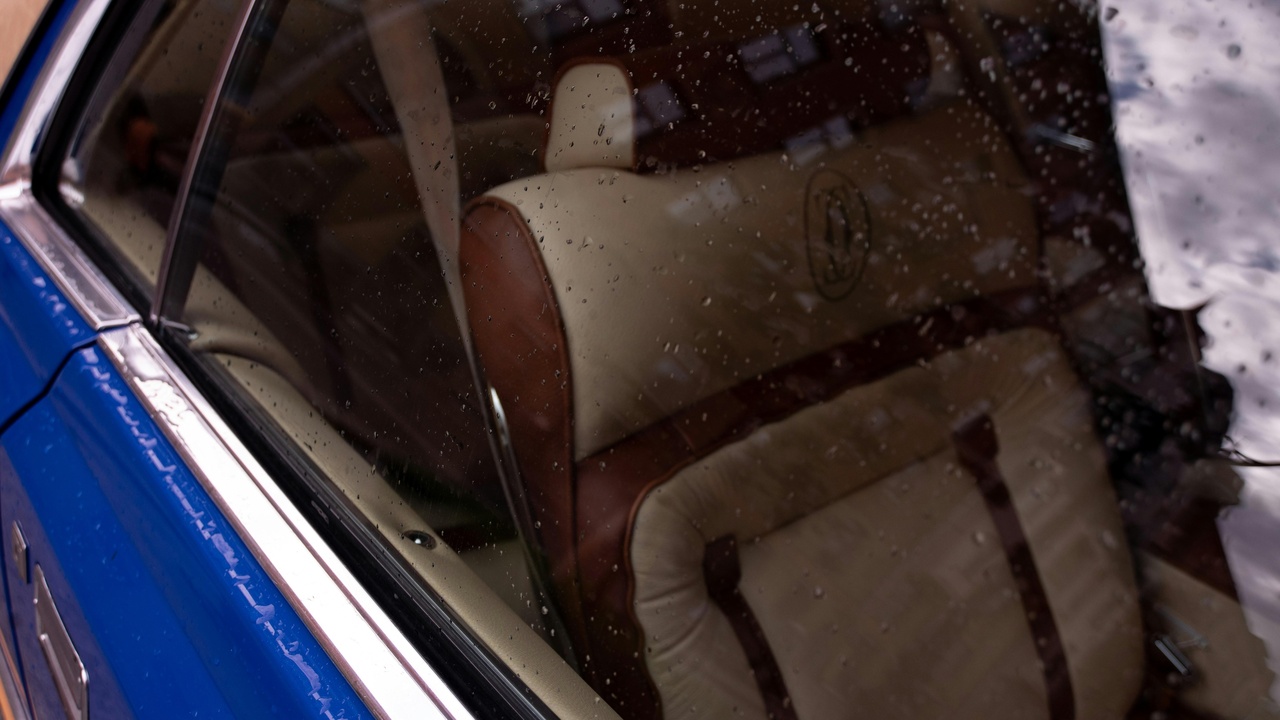
Tinting can be a sensible investment: it helps preserve interiors, offers customization options, and often comes with manufacturer warranties. A well‑chosen film can protect resale value while matching the vehicle’s look.
7. Protects interiors and maintains resale value
Sun and heat accelerate fading, cracking and deterioration of leather, plastics and fabrics. Detailers and restoration pros often point to sun exposure as the primary cause of visible interior aging; reducing UV and solar load helps seats and dashboards hold up longer.
That preservation matters at resale: two otherwise identical used cars can fetch different offers based on interior condition. A modest investment in quality film up front can avoid costly reupholstery or intensive cosmetic repairs down the road—keeping the car in a condition that Kelley Blue Book and dealers reward.
8. Enhances style, privacy choices, and requires legal attention
Owners pick tints for looks as much as function. Films come in dyed, metallic, ceramic and IR‑rejecting grades from makers like Llumar, XPEL and 3M, with different finishes and performance. Many reputable brands offer warranties—some lifetime—against bubbling or fading when properly installed.
When weighing the benefits of tinted windows in a car, don’t forget legal limits: for example, California requires at least 70% visible light transmission (VLT) on front‑side windows, while other states set different thresholds. Practical tip: use a certified installer who provides a VLT certificate or sticker so you can show compliance if an officer or inspection requires proof.
Summary
- Tinted films can block up to 99% of UV radiation, cutting skin and eye exposure and slowing interior fading while improving passenger comfort.
- Good films reduce cabin temperatures by roughly 10–20°F and commonly reject 40–60% of solar heat, which lowers AC runtime and can save small amounts of fuel or EV range.
- Safety and security gains include laminated films that retain 80–90% of glass fragments in impact tests and rear tints that help hide valuables—useful when paired with standard theft‑prevention measures.
- Choose film type (dyed, metallic, ceramic), trusted brands (Llumar, XPEL, 3M) and a certified installer; verify warranties and obtain a VLT certificate to ensure compliance with local rules—for example, California’s 70% front‑side VLT limit.
- Next steps: check your state’s tint laws, decide what matters most (UV protection, heat rejection, privacy, or style), and select a reputable installer so tinting becomes an investment in comfort, safety and vehicle value.