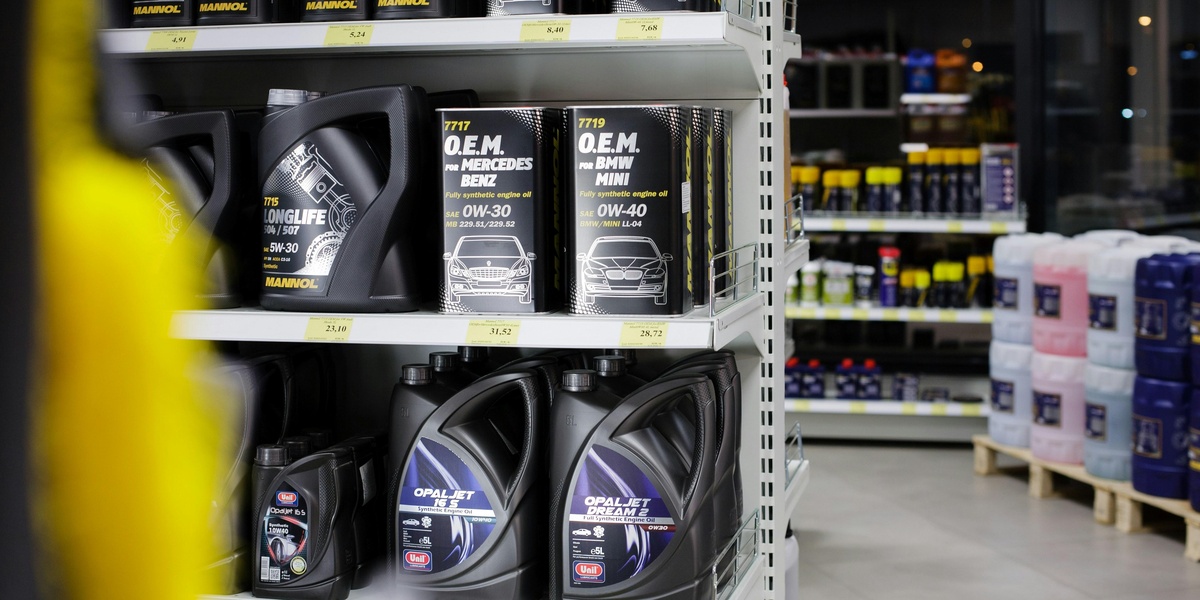
In 1974 Mobil introduced Mobil 1, a full‑synthetic motor oil that helped bring synthetic lubricants into mainstream passenger‑car service after decades of niche use in WWII aviation and heavy industry.
Conventional mineral oils can struggle with heat‑related breakdown, deposit formation, and relatively frequent changes — problems that translate into higher repair bills, poorer performance, and more emissions. The benefits of synthetic oil are measurable: better protection at high temperature, longer service intervals, cleaner internals, and modest fuel‑economy gains that matter to everyday drivers and fleets.
This article groups seven concrete advantages into three practical categories: Performance & Protection, Longevity & Cost Savings, and Practical & Environmental Advantages — with real examples (Mobil 1, Castrol EDGE, AMSOIL), service‑interval math, and use cases like turbo cars and cold‑climate commuting.
Performance & Protection
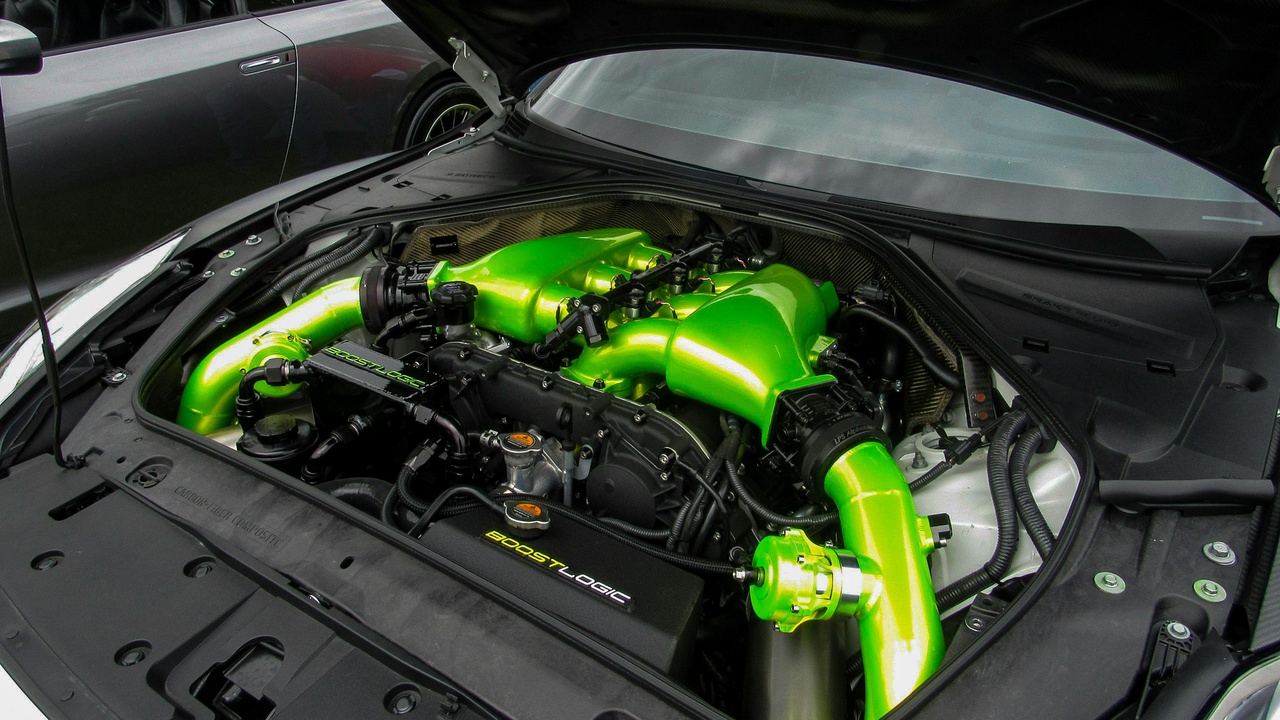
Synthetic base stocks (PAO and ester blends) plus modern additive packages give better thermal stability, shear resistance, and film strength than conventional oils. Those improvements show up most under sustained high load, in turbocharged applications, and in high‑revving engines. Below are three direct performance benefits.
1. Better high‑temperature stability and viscosity retention
Synthetic formulations resist thermal breakdown and keep their SAE grade far better than many mineral oils under sustained heat. Many synthetic base stocks have a markedly higher viscosity index (VI), meaning they change thickness less between cold and hot conditions than conventional oils.
Manufacturer and independent lab testing (ASTM thermal‑oxidation and high‑temp shearing protocols) typically show synthetic blends hold useful viscosity and film strength for longer duty cycles; manufacturers often cite extended stability in turbocharged, high‑RPM engines. In practice this matters for turbo 2.0L gasoline engines (VW/Audi TSI, Ford EcoBoost) and diesel pickups used for towing, where oil temperatures remain high for long periods.
Quantitatively, many synthetic base stocks deliver VI gains of tens of points versus mineral oils and can retain a higher percentage of starting viscosity after thermal cycling (see specific product datasheets from Mobil 1, Castrol EDGE, AMSOIL for test data).
2. Superior wear protection and reduced friction
Synthetics form more resilient lubricating films and are often paired with friction‑reducing additives, so they reduce metal‑to‑metal contact in bearings, cam lobes, and rings.
Controlled lab wear tests (pin‑on‑disk, engine teardown comparisons) and manufacturer claims frequently report lower wear rates for full synthetics — some tests show wear reductions on the order of tens of percent in specific components, though exact figures vary by test and formulation (brands such as Castrol EDGE with Fluid TITANIUM, AMSOIL, and Mobil 1 publish supporting data).
Lower friction preserves horsepower and produces small fuel‑economy gains over time. The benefit is especially relevant for performance cars, high‑mileage engines, and stop‑start urban driving where repeated micro‑wear accumulates.
3. Improved engine cleanliness and deposit control
Modern synthetic formulations include detergents and dispersants that keep piston crowns, ring grooves, and turbo internals cleaner than older conventional oils tend to do.
Shop reports, consumer tests, and OEM recommendations note fewer varnish and sludge deposits after extended use of quality synthetics; some field and lab comparisons show measurable reductions in deposit formation over 10,000–15,000 miles when using recommended synthetic oils (see manufacturer and independent test reports for specifics).
Cleaner internals help maintain compression, reduce oil consumption, and extend turbocharger life — particularly useful on direct‑injection gasoline engines (Ford EcoBoost, many BMW and Nissan units) that are prone to carbon buildup.
Longevity & Cost Savings

Although full synthetics carry a higher per‑quart price, they often lower total operating costs through fewer oil changes, reduced repair bills, and preserved resale value. Fleets commonly favor synthetics for predictable maintenance windows and lower downtime.
4. Longer oil‑change intervals and lower maintenance frequency
Many modern full synthetics are approved by OEMs for extended drain intervals when followed alongside the vehicle’s maintenance schedule. Typical recommended ranges for full synthetics under normal service are roughly 7,500–15,000 miles, versus older conventional guidance of roughly 3,000–5,000 miles (consult your owner’s manual for your car’s exact interval).
Fewer changes mean lower parts and labor costs, plus less downtime for commercial vehicles. For example, a driver who covers 12,000 miles per year and follows a 10,000‑mile synthetic interval would need about 1.2 oil changes yearly. Using a traditional 3,750‑mile conventional schedule leads to roughly 3.2 changes per year.
If a typical shop charge (oil + filter + labor) is about $60, the conventional schedule costs roughly $192/year versus $72/year on the synthetic schedule — a rough saving of about $120 annually, which offsets higher per‑quart costs for many owners and becomes more pronounced for fleets.
5. Extended engine life and higher resale value
Less wear and cleaner internals delay the need for major engine repairs and can extend an engine’s service life by thousands of miles in many cases, according to teardown studies and long‑term fleet data that track failure rates under documented maintenance regimes.
Documented synthetic oil use — receipts, service logs, and recorded maintenance history (CARFAX entries, dealer service records) — can reassure buyers and sometimes improve trade‑in offers. Fleet operators routinely report lower incidence of premature engine overhauls when following manufacturer recommendations with full synthetics.
For high‑mileage owners the net present value of avoiding one major repair often outweighs the incremental annual cost of synthetic oil, especially if the vehicle is driven in demanding conditions.
Practical and Environmental Advantages

Many day‑to‑day benefits are practical: faster oil flow on cold starts, small fuel‑economy gains, and fewer used‑oil disposal events. These advantages matter for commuters, drivers in cold climates, and anyone trying to trim lifetime operating costs and emissions.
6. Better cold‑start performance and small fuel‑economy gains
Synthetic oils generally have lower pour points and better low‑temperature fluidity, so they circulate faster on cold starts and protect parts during the most vulnerable minutes of operation. Many modern PAO blends list pour points around −40°C on their datasheets.
Reduced friction during warmup and lower viscosity shear can yield modest fuel‑economy improvements — commonly in the 0.5–2% range depending on vehicle and driving conditions (independent test programs and OEM notices give vehicle‑specific figures). This helps short‑trip commuters and drivers in sub‑zero climates where cold starts are frequent.
7. Environmental benefits: less waste and lower emissions over lifecycle
Longer drain intervals and lower oil consumption lead to fewer oil changes and less used‑oil waste. Halving the number of annual oil changes directly halves the volume of used oil that requires collection and recycling.
For a 12,000‑mile year, switching from a 5,000‑mile interval to a 10,000‑mile interval reduces changes from 2.4 to 1.2 per year. If each change uses about five quarts, that’s roughly a drop from 12 quarts to 6 quarts of used oil annually for that vehicle — a 50% reduction in disposal events.
Marginal fuel savings of about 1–2% across years also cut CO2 emissions slightly. Many synthetic oils are recyclable, and some brands run take‑back or recycling programs that improve lifecycle sustainability (see EPA and industry guidance for used‑oil recycling details).
Summary
- Synthetic oil provides superior protection at high temperature, stronger film strength, and better deposit control for modern engines.
- Longer drain intervals (often 7,500–15,000 miles when OEM‑approved) and reduced wear can offset higher per‑quart prices through lower labor, parts, and downtime costs.
- Everyday gains include faster cold‑start protection (pour points down to about −40°C), small mpg improvements, and fewer used‑oil disposal events — a clear win for cold‑climate drivers and fleets.
- Check your owner’s manual for approved oil specifications (API/ACEA and OEM viscosity grades) and keep service records to realize potential resale benefits.