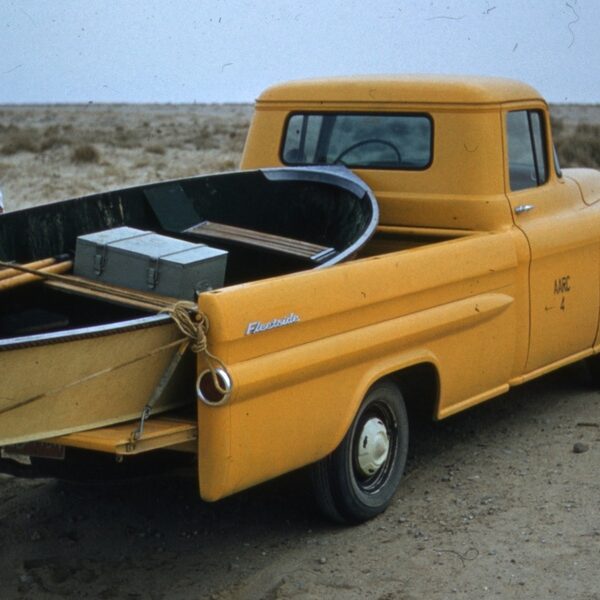
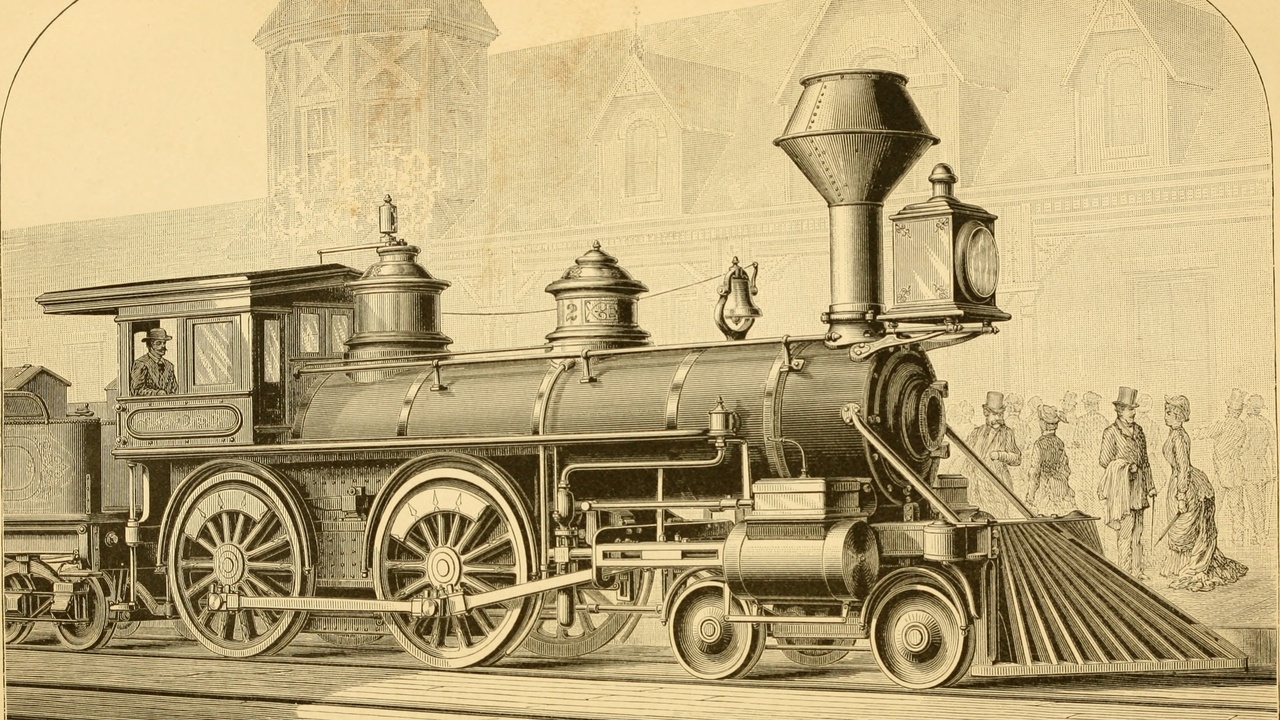
At the turn of the 20th century, running boards were a standard feature on horseless carriages — a practical bridge between ground and cabin that later fell out of fashion before returning to popularity on modern trucks and SUVs.
Running boards are more than an aesthetic add-on: they improve safety and accessibility, protect vehicle surfaces, and add real-world functionality that can save time and money. Families, caregivers, and tradespeople notice the difference first: lower step heights help children and older adults get in and out, non-slip surfaces cut down slips in wet or icy weather, and sturdy boards shield expensive rocker panels from chips and dings.
Below you’ll find seven specific advantages grouped into three practical categories — Accessibility & Safety; Protection & Vehicle Preservation; and Convenience, Style & Value — with evidence, product examples, and clear takeaways for real-world decision making. Each benefit includes concrete scenarios so you can match a solution to how you actually use your vehicle.
Accessibility & Safety Benefits
1. Easier Entry and Exit
Running boards lower the physical barrier to entering taller vehicles by providing an intermediate step between the ground and the door sill. A step positioned 6–12 inches below the door sill cuts the vertical reach and reduces ankle torque, which matters when someone is lifting a child or standing up slowly.
Falls among older adults are common: about one in four Americans aged 65 and older fall each year, and falls are a leading cause of injury-related emergency visits (CDC). That reduced climb height and an extra foothold make routine trips into an SUV noticeably safer for seniors and caregivers.
Practical examples: a Ford F-150 fitted with fixed Westin or Lund running boards offers a roughly 8–10 inch lower stepping point than a bare cab; Jeep Wrangler owners often add side steps to help children and family members during daily use. These boards meaningfully reduce the strain of lifting, balancing, and stepping up.
2. Reduced Slip-and-Fall Risk
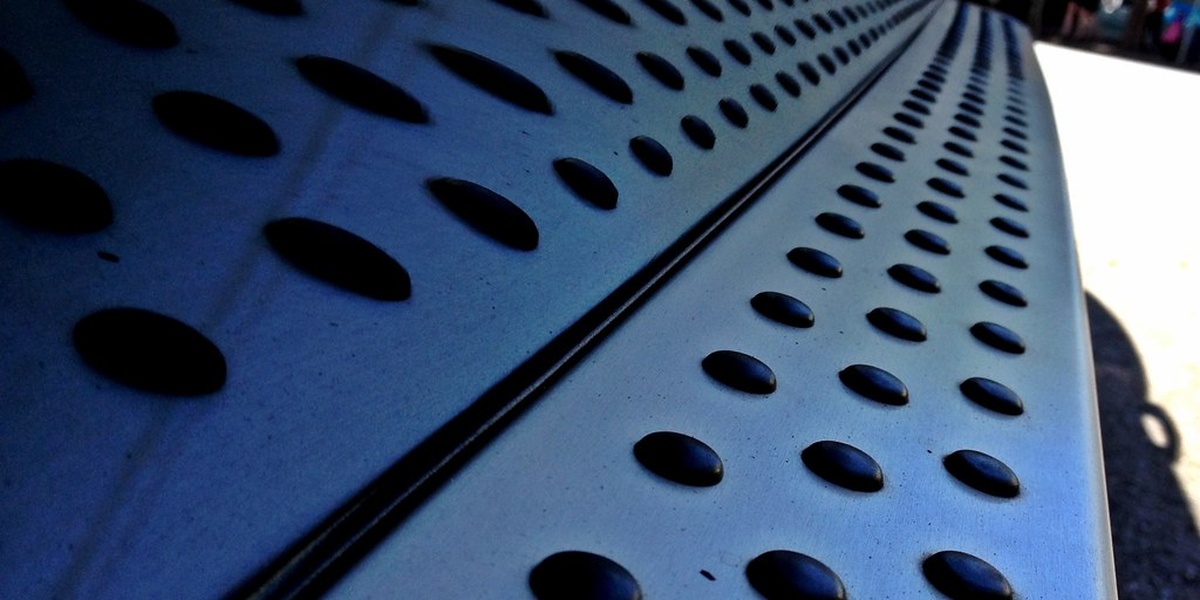
Textured treads and rubberized pads increase traction and lower slip incidents when surfaces are wet, muddy, or icy. Many manufacturers mold non-slip pads directly into the step or attach high-grip inserts that hold up in real-world conditions.
Manufacturers sometimes publish traction or lab test results for their pads; practical field testing shows molded rubber grips and serrated metal steps maintain better footing in winter than smooth metal. Integrated LED lighting also improves visibility at night, reducing missteps when the ground is uneven or dark.
Real-world situations include winter mornings in snowy states, muddy construction sites, and daycare drop-offs where quick, safe entry and exit matters. Look for running boards with molded rubber pads or LED illumination from brands like Lund and AMP Research for dependable grip and nighttime clarity.
3. Safer Loading of Cargo and Pets
A stable, wide step changes how you lift and position items at vehicle height. Instead of leaning and twisting from ground level, you can step up, brace, and lift — a much safer position for loading strollers, groceries, or heavy carriers.
Many running boards and side steps are engineered to support substantial loads; typical product ratings range from roughly 300 to 600 pounds, so you can step while carrying a child or a bulky item without undue flex. Check manufacturer weight ratings for specific models before relying on a board for heavy work.
Concrete scenarios: using a step to position a kayak on a roof rack, helping a Labrador climb into an SUV without lifting, or steadying a stroller while buckling a toddler into a seat. Retractable options like the AMP Research PowerStep combine a low profile when stowed with a firm platform when deployed.
Protection & Vehicle Preservation
4. Protects Rocker Panels and Undercarriage
Running boards act as the first line of defense between the road and a vehicle’s lower body, absorbing small impacts and deflecting stones, road salt, and spray before they reach painted surfaces. That keeps rocker panels and door sills in better shape over time.
Repairing dented or rusted rocker panels can be expensive: depending on severity, bodywork and rust repair for lower panels often runs from several hundred to a few thousand dollars. Heavy-duty rock sliders — sold by makers like N-Fab and ARB — provide far more protection for off-road use than slim, decorative boards.
Material makes a difference. Steel sliders absorb impacts and resist deformation but require good corrosion protection; aluminum boards weigh less and resist rust but don’t take the same blunt-force hits. Match the product to how aggressive your driving will be.
5. Keeps Vehicles Cleaner and Easier to Maintain
Running boards reduce how much mud and road spray reach the lower doors and interior sills, so regular cleaning takes less time and detail work. Less grime also slows corrosion in salted regions, which helps preserve factory finishes and resale appearance.
Removable rubber step pads make seasonal upkeep simpler: pull the pads for a thorough clean, replace worn sections without swapping the whole board, and avoid repeating full-body detail jobs as frequently. For off-road rigs, side protection often means fewer paint touch-ups over the vehicle’s life.
In short: boards reduce the frequency and cost of some maintenance tasks, especially for trucks and SUVs that see dirt roads, construction sites, or winter salt.
Convenience, Style & Resale Value
6. Boosts Curb Appeal and Resale Value
Tasteful running boards can finish a truck’s look and make a vehicle feel more complete to prospective buyers. Well-chosen boards that match trim and finish tend to show better on listings and in dealer lots.
Industry sites such as Kelley Blue Book and Edmunds note that practical accessories — especially those that improve usability — can increase buyer interest and sometimes the asking price by a few hundred dollars, though exact premiums vary by market, model year, and condition. The best ROI comes from matching style and function to the vehicle’s trim level.
Practical tip: choose black, chrome, or painted finishes that align with factory accents. Retractable steps on luxury trims often appeal to buyers who want a clean look with real convenience.
7. Adds Useful Features: Lighting, Power Steps, and Integration
Modern running boards often include integrated LED lighting, power deployment, and electronic integration with door sensors. Power steps deploy when a door opens and retract when it closes, preserving ground clearance and the vehicle’s lines when not in use.
For example, the AMP Research PowerStep deploys automatically when a door opens and is manufacturer-rated to support substantial loads (check the current product page for exact numbers and fitment). LED-lit boards improve nighttime visibility for the whole doorway, not just the treads.
Those features translate to everyday benefits: a neat appearance for city driving, preserved clearance for occasional off-roading, and safer night-time entry without carrying a flashlight or fumbling with a phone.
Summary
- Running boards improve safety and accessibility for children, older adults, and people with mobility limits by lowering step height and offering a reliable foothold.
- They protect rocker panels and lower doors from chips and salt, potentially saving hundreds to thousands in body repairs over several years; choose rock sliders for serious off-road protection.
- Modern options add convenience—LED lighting, retractable power steps, and replaceable pads—so you can balance looks, function, and ground clearance (check manufacturer weight ratings and warranties).
- Pick materials and styles for your primary use: aluminum or painted boards for corrosion resistance and daily drivers; steel sliders for heavy-impact off-road use; always verify load ratings if you plan to step while carrying gear.
- Consider professional installation for proper fit, grounding, and to maintain factory warranties; and review manufacturer specs and dealer fitment guides before you buy to match the exact needs of your vehicle and family.