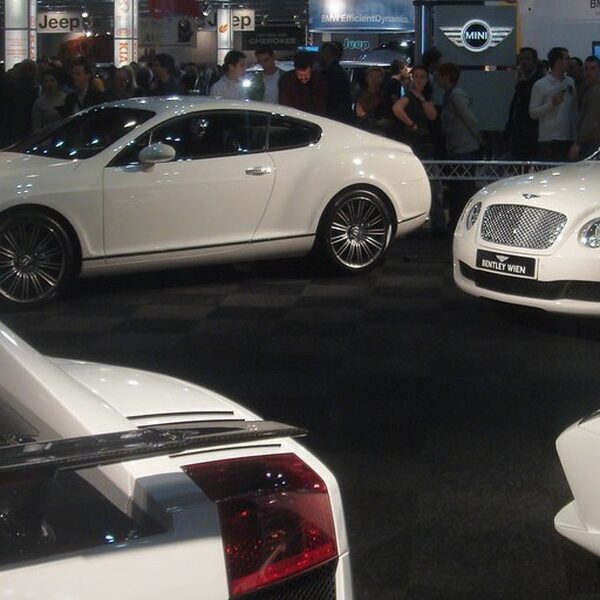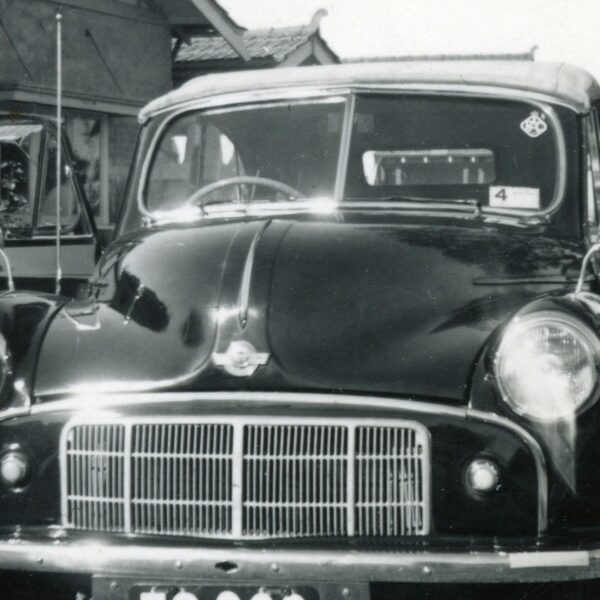
When “clear bra” protective films first appeared in the 1980s, they were used mainly on race cars and high-end show vehicles to keep paint pristine during competition.
Today the same idea protects everyday drivers from stone chips, sun fade, and the slow wear that comes from regular commuting and imperfect cleaning habits. PPF thickness commonly ranges from about 150–200 microns (6–8 mil), and modern films add chemical and UV stabilizers that extend factory finish life.
Paint protection film is a practical, proven way to protect a vehicle’s finish while saving owners time and money—and it delivers aesthetic benefits too. This piece shows eight specific, meaningful benefits of paint protection film, grouped into three clear categories: protection and durability; maintenance, appearance, and customization; and economic and ownership advantages.
Curious whether a clear layer of film makes sense for your driving habits? Read on for concrete specs, brand examples, costs, and realistic outcomes so you can decide with confidence.
Protection and Durability
The first cluster of benefits focuses squarely on keeping factory paint intact against physical and environmental damage. These films act as a sacrificial layer so the paint beneath stays original and untouched.
1. Long-term paint preservation
PPF preserves factory paint by acting as a sacrificial layer that takes the hits instead of the clearcoat. Typical film thickness is around 150–200 microns (6–8 mil), and many manufacturers back their products with 7–10 year warranties—3M, XPEL, and SunTek all offer long-term coverage on flagship lines.
Thicker films resist deeper scratches and abrasive wear better, which is why installers often recommend full-front coverage for highway drivers. A single hood repaint can cost $1,000–$3,000, whereas a front-end PPF installation commonly runs $500–$1,500; full-vehicle PPF typically falls in the $2,000–$5,000 range.
2. Protection against rock chips and abrasions
PPF prevents stone chips, gravel dings, and light abrasions on high-impact areas like bumpers, hoods, and mirrors. Installers commonly report significant reductions—often cited in the 70–90% range—for visible chips on covered panels.
That makes a real difference for drivers who spend a lot of time on highways or gravel roads. A typical front-end install takes about 2–8 hours, and there are plenty of commuter anecdotes: one suburban driver avoided a $1,200 bumper repair after a gravel strike because the film took the damage instead of the paint.
3. UV and chemical resistance that prevents fading
Modern PPF contains UV stabilizers and hard topcoats that block sun-driven oxidation and resist environmental contaminants. Manufacturers often include color-fade language in 7–10 year warranties to reassure buyers that OEM gloss and pigment will hold up longer.
For cars parked outdoors, near the coast, or under trees, the film reduces etching from bird droppings, sap, and acid rain. That translates into less frequent compounding and polishing—many owners move from polishing annually to polishing every 2–4 years on protected panels.
Maintenance, Appearance, and Customization
This group of benefits ties daily-use convenience to how the car looks: cleaner surfaces, improved sheen, and reversible styling options that let owners change a vehicle’s appearance without permanent alteration.
4. Easier maintenance and stain resistance
Hydrophobic and stain-resistant topcoats repel bird droppings, road grime, and oily residues, so routine washes take less time. Owners often report weekly washes dropping from roughly 45 minutes to about 20–25 minutes for the same vehicle with PPF applied.
That adds up for fleet operators and busy families. For example, a rideshare driver who previously detailed quarterly might stretch detailing to twice a year, saving both time and professional-detail bills.
5. Enhanced gloss and a “just-detailed” finish
Many films include a high-gloss topcoat that amps up depth and clarity, creating a showroom-like finish that photographs and displays better. Detailers and dealers note visible differences under show lighting between identical cars with and without film.
That finish hides light swirl marks and keeps paint looking newer for longer, so sellers and private owners get better visual presentation with less frequent polishing.
6. Customization and reversible styling options
Beyond clear film, PPF comes in satin, matte, and even colored tints that installers use for accents or seasonal looks. These films are removable by trained technicians and generally leave factory paint intact when removed properly.
That makes PPF attractive for leaseholders and enthusiasts who want a temporary change: think satin hood accents for a few years, then back to factory finish before sale or lease turn-in. Warranties and installer guidance commonly cover removal windows up to 7–10 years.
Economic and Ownership Benefits

This final category covers cost-of-ownership, resale advantages, and warranty value—practical points that often decide whether someone invests in protection at purchase or later.
The benefits of paint protection film also show up in dealer programs and transferable coverage, which can be a selling point when it’s time to trade or sell.
7. Cost savings over time (less repainting and bodywork)
PPF often pays for itself by avoiding common repair costs. A bumper repair or partial repaint typically runs $800–$3,000, while repairing or patching a film section is usually much cheaper.
As an example, amortize a $1,200 front-end film over five years and you get $240 per year. Compare that to a single $1,500 paint correction event you might face in the same period—PPF reduces both likelihood and frequency of those bills.
Fleets and rental operators see real reductions in unscheduled downtime and repair spend when popular impact zones are covered, which is why many commercial operators standardize front-end film on new vehicles.
8. Higher resale value and transferable warranties
Preserved paint and documented protection make a car easier to sell and can sometimes command a premium. Dealers often advertise vehicles as “protected” when they include factory- or dealer-applied film, which reassures buyers about future paint condition.
Transferable warranties—commonly 7–10 years—add another layer of buyer confidence. For instance, a three-year-old car with full-front PPF can avoid a resale deduction for paint correction that would otherwise cost around $1,500 at trade-in.
Summary
- PPF acts as a sacrificial layer (150–200 microns) that prevents chips and reduces repaints.
- Self-healing topcoats and hydrophobic finishes cut cleaning time and keep gloss high with less polishing.
- Upfront costs—$500–$1,500 for a front end, $2,000–$5,000 for full vehicle—can amortize to less than periodic repair bills.
- Dealer programs and transferable 7–10 year warranties help preserve resale value and buyer confidence.
If you drive long distances, park outside, or value a cleaner car with fewer surprises, consider getting a quote from a certified installer to see which coverage package fits your needs.