
Leather upholstery became an automotive symbol of luxury in the early 20th century, when coachbuilders and premium marques began fitting fine leather into passenger cabins.
Seat materials matter because they shape the everyday experience of driving: how a car feels when you slide into it, how much care it needs, and what a buyer sees when you trade it in. Leather options are common on many premium trims and appear on roughly a third of mid-to-high-end models, according to industry reports and Consumer Reports.
Beyond looks, leather seats deliver a range of practical advantages—from comfort and durability to hygiene and resale value—making them a smart option for many drivers.
This piece covers eight specific benefits, grouped into four themes: comfort & aesthetics, durability & maintenance, health & safety, and economic value. Short, practical explanations and real-world examples follow so you can decide whether leather fits your priorities.
Comfort & Aesthetics
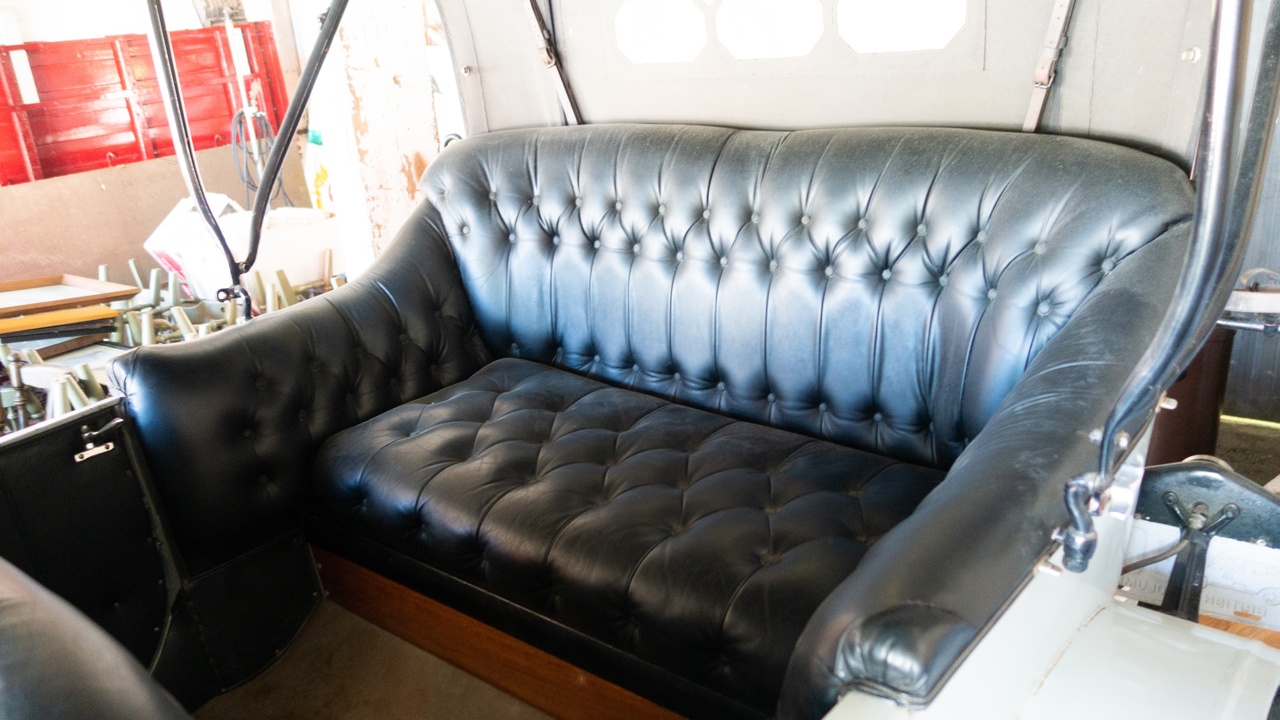
Leather changes the sensory experience of a cabin: it looks sleeker, feels smoother to the touch, and signals higher trim levels. That perceived quality often makes commutes and road trips feel a little more special.
Below are three practical ways leather enhances appearance and comfort, with examples from common makes and models.
1. Luxurious look and immediate curb appeal
Leather instantly elevates a car’s interior appearance, giving dashboards and seats a coordinated, premium look that cloth rarely achieves. Dealers routinely stage vehicles with leather trims because buyers often associate smooth leather with quality and are willing to pay more for it.
Showroom examples include the Lexus ES, BMW 3 Series, and higher-trim Honda Accord options where leather or leatherette is part of the upscale package. A clean leather interior can influence first impressions at resale or trade-in, helping listings stand out in photos.
2. Improved comfort and tactile feel
Leather often feels more supportive and smoother than lower-grade cloth because automakers pair it with upgraded padding and bolstering. That combination reduces friction on entry and exit and feels nicer on long drives.
Many manufacturers add heating and ventilation to leather seats—examples include heated fronts in the Tesla Model 3, ventilated leather in the Toyota Highlander, and optional leather in trucks like the Ford F-150. Studies and driver surveys report that heated and ventilated seats reduce perceived fatigue on long trips, especially in extreme temperatures.
3. Customization and premium finishes
Leather offers a wider palette of colors, textures, and accents than basic cloth—think perforation patterns, contrast stitching, piping, and two-tone schemes. Those details let buyers personalize cabins to a greater degree.
OEM programs such as BMW Individual and Mercedes AMG interior options showcase factory-level personalization, and reputable upholstery shops provide aftermarket leather upgrades for older cars. If you want a unique interior, leather simply gives more options.
Durability & Maintenance
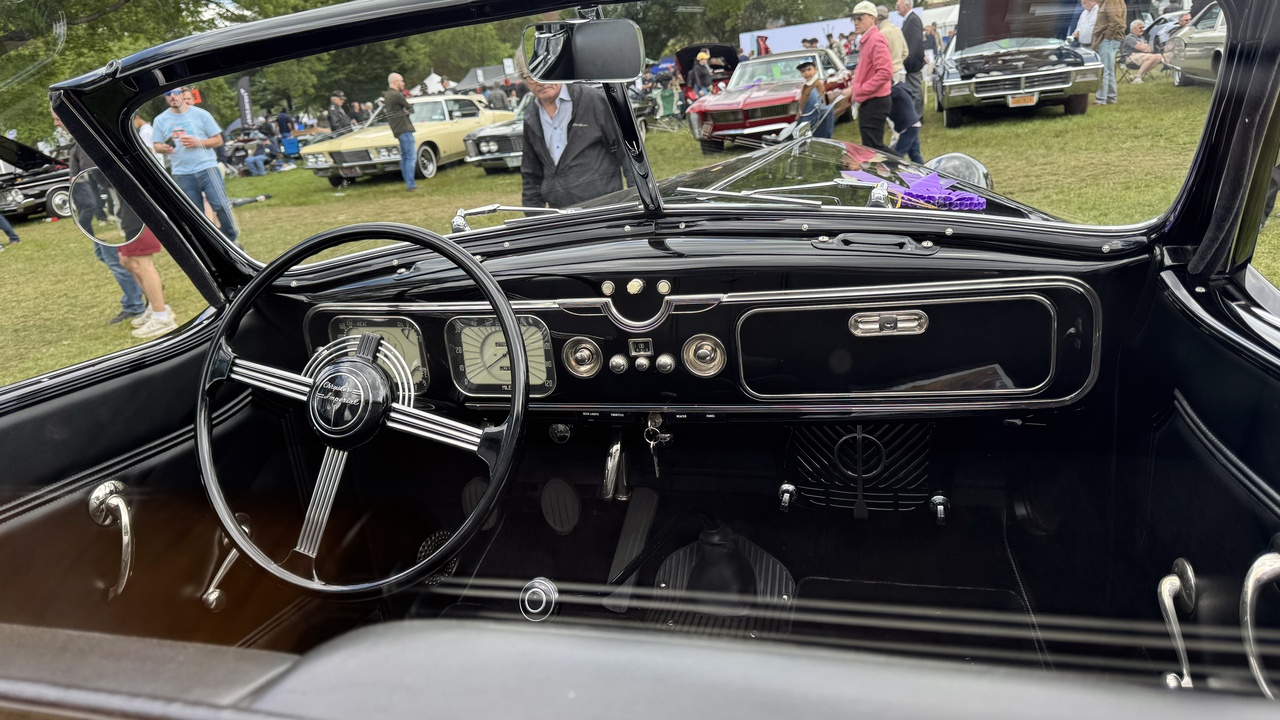
Leather’s material properties often translate into long-term advantages: it handles abrasion differently than woven fabrics and responds well to routine care. Modern treated leathers and high-quality leatherette (synthetic leather) have narrowed the gap further, affecting maintenance choices.
Below are two durability- and care-focused benefits to consider, along with practical tips from manufacturer care guides.
4. Better longevity when properly cared for
Quality leather resists tearing and pilling that commonly affect cloth seats, and with regular conditioning it can remain serviceable for many years. A well-maintained set of leather seats can last 8–15 years depending on use, climate, and care routines.
Fleet operators and ride-hailing drivers sometimes choose leather (or leatherette) because it stands up to heavy turnover and cleans more predictably. Follow manufacturer recommendations: gentle leather cleaner and conditioner at manufacturer-recommended intervals helps prevent drying and cracking.
5. Easier cleaning and stain resistance
Surface-level spills tend to bead on many treated leathers, so a quick wipe with a microfiber cloth often removes coffee, juice, or crumbs that would soak into cloth. Odors are also less likely to embed compared with woven fabrics.
Common routine: wipe spills promptly, clean with a mild leather cleaner, and condition a few times per year. Dos and don’ts: do use a soft brush or vacuum for loosened debris, don’t use harsh solvents or household cleaners, and don’t over-saturate the leather during cleaning.
Health, Safety & Practical Comfort
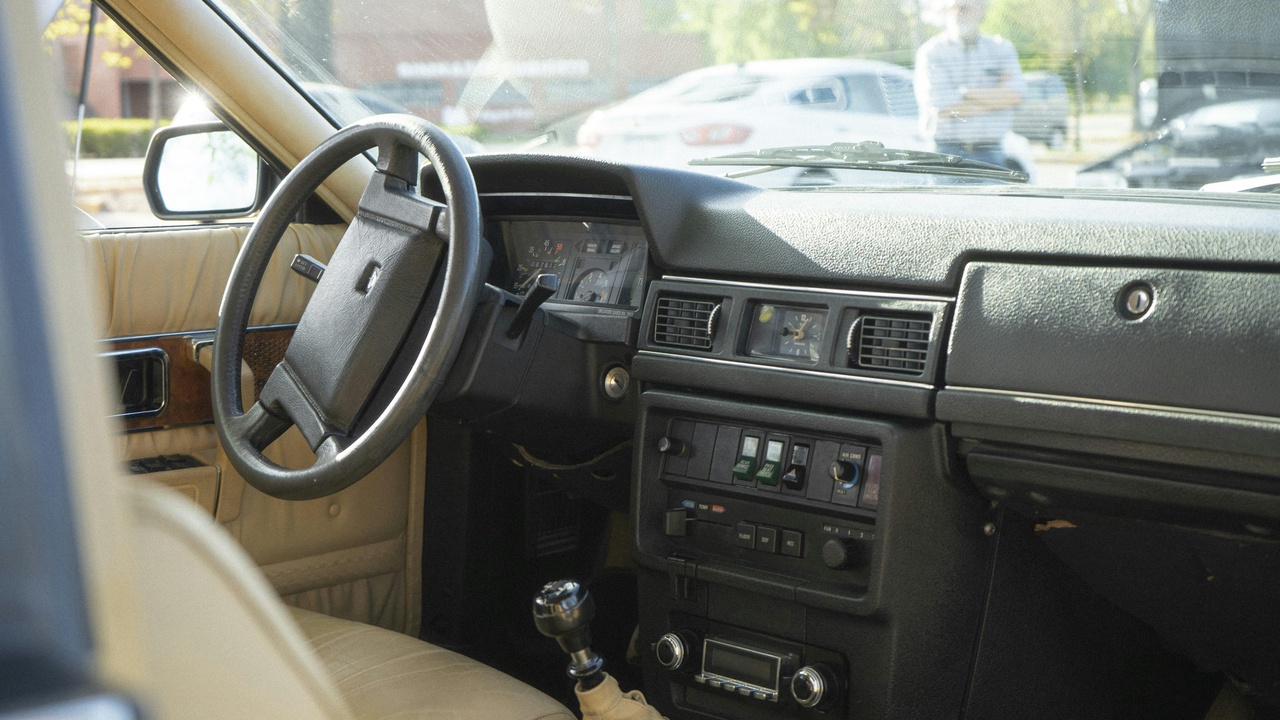
The choice of interior material can affect allergen build-up, how easy surfaces are to disinfect, and even how stably you sit during spirited driving. Leather has a few practical advantages in these areas.
Here are two health- and safety-minded benefits and how they play out day-to-day.
6. Fewer trapped allergens and easier sanitization
Leather traps fewer allergens like dust and pollen compared with woven fabrics because its surface is less porous. Public health guidance around hard surfaces emphasizes the relative ease of wiping down non-porous materials for quick sanitization.
That matters for parents, allergy-prone drivers, and ride-hailing operators: a quick wipe with a safe disinfectant (many automakers list compatible products in owner manuals) removes visible residue and reduces dander or pollen between passengers.
7. Better seating stability and driving posture
Certain leather finishes and firm bolstering provide more lateral grip than some slippery synthetic fabrics, helping drivers stay planted during cornering. That steadier seating position supports consistent pedal and steering inputs.
Sport trims—think Mazda Miata Club or Subaru WRX with leather-wrapped bolsters—often pair grippier leather with pronounced side supports. Drivers frequently report less sliding during spirited driving, which can improve both comfort and control.
Economic Value & Resale Benefits
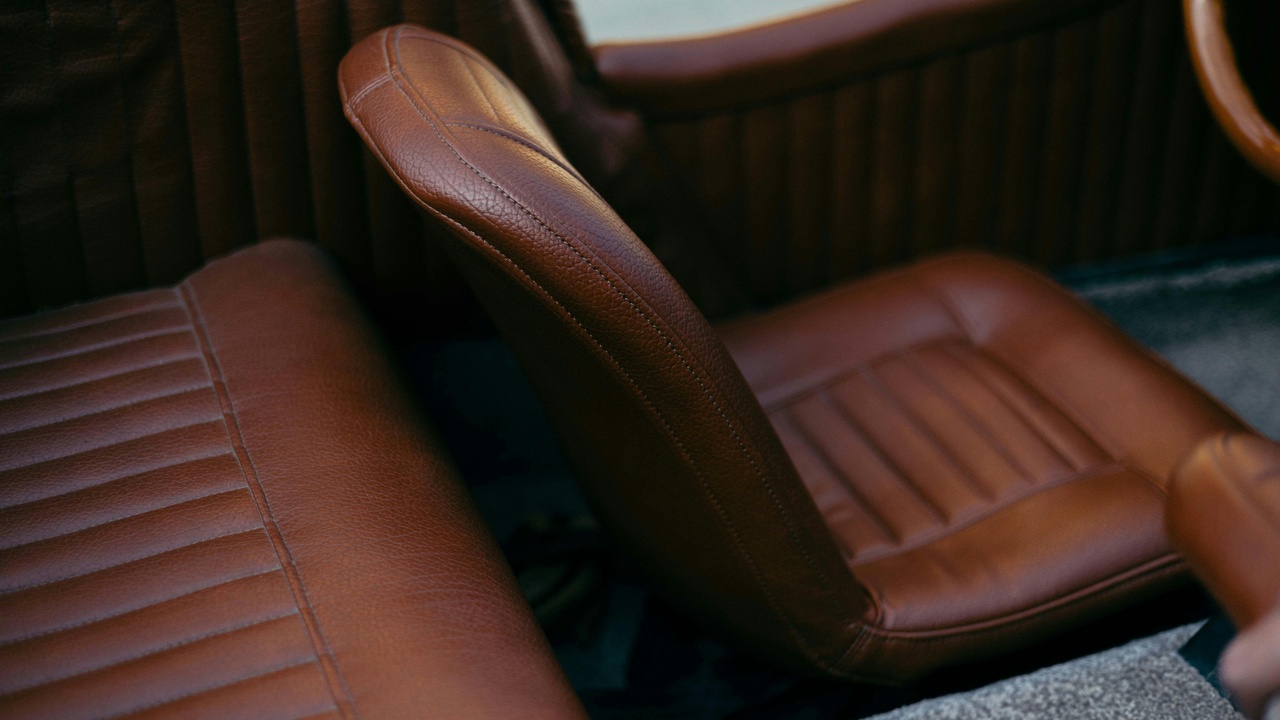
Leather often signals a higher trim level, and buyers browsing the used market notice that. Vehicles with leather are commonly listed as more desirable, which can influence asking prices and time on market.
The final benefit below looks at how leather factors into resale math and buyer preferences.
8. Higher resale value and broader buyer appeal
When weighing the benefits of leather seats in a car, resale value often tops the list: leather-equipped examples typically command a modest premium and attract a wider set of buyers. Used-car market analyses and dealer appraisals commonly show a resale premium in the range of about 3–7% depending on model, condition, and region.
Factors matter: mileage, overall condition, and whether the leather is genuine or leatherette all change the premium. For example, a well-kept Toyota Highlander or Acura RDX with leather trim can list several hundred to a few thousand dollars higher than a comparable cloth model on platforms like Kelley Blue Book and Edmunds.
Summary
- Leather combines a premium look and pleasant tactile feel with practical perks like easier spot-cleaning and longer service life when conditioned regularly.
- Health and safety upsides include fewer trapped allergens and simpler sanitization, plus grippier finishes that help keep drivers planted in corners.
- Maintenance still matters: expect occasional conditioning, avoid harsh cleaners, and factor care costs into ownership decisions—quality varies between genuine leather and leatherette.
- Quick action step: when shopping used, inspect seat condition, ask about any aftermarket reupholstery, and factor leather-care needs into your buying budget; test seats in person for temperature sensitivity and comfort.