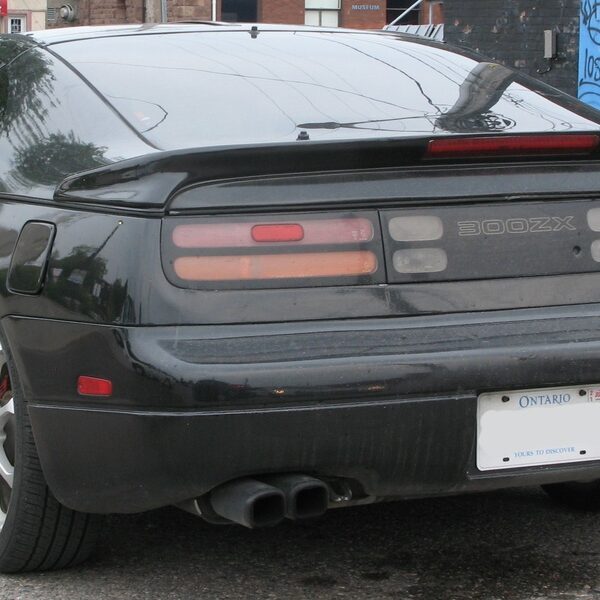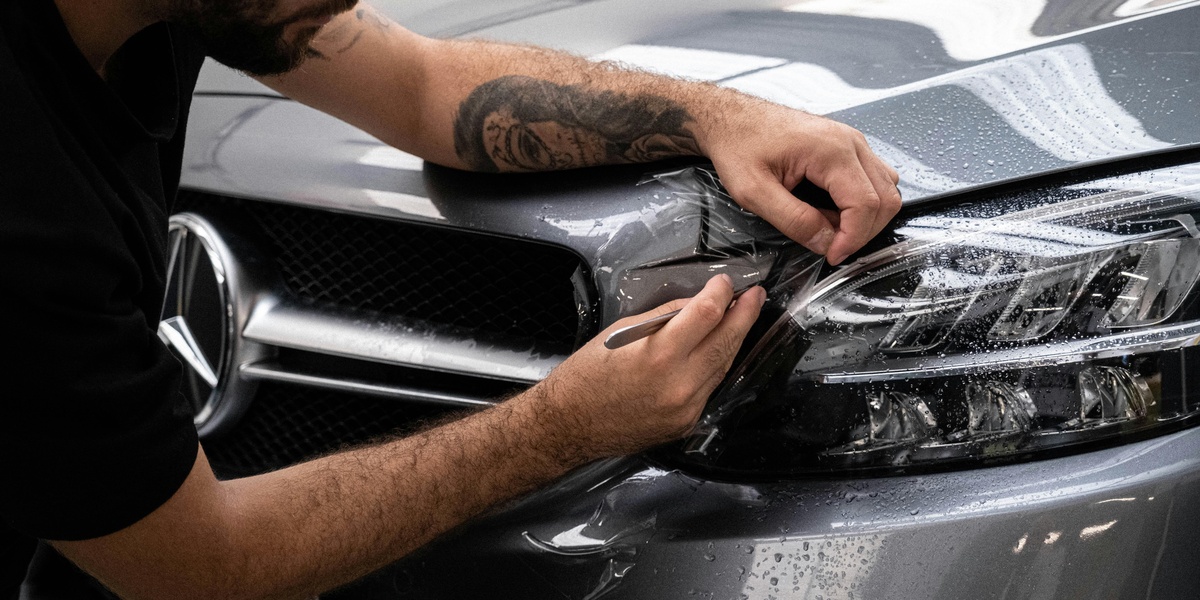
A 1940s auto-restoration hobbyist famously spent weeks bringing a rusted post-war coupe back to showroom shine, sparking a culture around preserving cars’ finishes and interiors. That hands-on revival showed how surface care and careful cleaning can turn a neglected vehicle into something that looks — and performs — far better than its years suggest.
Still, a lot of drivers wait until stains, scratches, or bad smells are obvious before they act, and that delay often raises repair bills and reduces resale options. Regular car detailing does more than make a vehicle look good — it protects value, prevents damage, improves safety and comfort, and can save money over the long run.
Expect to pay roughly $150–$300 for a typical professional full detail, depending on vehicle size and services. Below are eight concrete benefits grouped into four practical categories: appearance and paint health; mechanical longevity and interior preservation; health, comfort and safety; and economic/time advantages.
Appearance and Paint Health

Surface contaminants such as bird droppings, industrial fallout, road tar and embedded iron particles don’t just look bad — they chemically etch clear coat and paint over time. Proper detailing removes those contaminants (clay barring), corrects light defects (machine polishing), and adds protective layers like wax, synthetic sealants or ceramic coatings.
Among the benefits of car detailing for paint health is the combination of correction and protection: clay bar decontamination followed by a machine polish can restore gloss, and a topcoat helps prevent re-contamination. Products range from consumer favorites like Meguiar’s to professional lines such as Gtechniq and CQuartz.
Protection lasts vary by product: paste wax commonly lasts 4–6 weeks (sometimes up to 3 months), synthetic sealants often protect for roughly 3–6 months, and professional ceramic coatings advertise 1–5 years depending on the formula and maintenance. For most drivers a good rule is 2–4 detailing visits per year for paint care, more often in harsh climates.
1. Protects Paint and Clear Coat
Detailing actively protects paint and clear coat from chemical and physical damage by removing embedded contaminants and applying a shield on top of the finish. Clay barring pulls out iron particles and fallout, machine polishing removes light oxidation and swirl marks, and topcoats block UV and grime.
Coastal drivers or those who live where road salt is common should detail more frequently because salt and salt spray accelerate degradation. A garage owner who clay-barred and applied a synthetic sealant to a 2016 BMW 3 Series quarterly kept the car looking showroom-bright for years.
2. Prevents Corrosion and Rust
Regular detailing reduces the risk of corrosion by removing corrosive agents such as road salt, brake dust and grime from visible panels and hidden areas. Services often include thorough wheel and undercarriage rinses and, when needed, rust-inhibitor sprays or undercoatings.
Vehicles exposed to winter salt should get an undercarriage cleaning after storms; an annual rust-inhibitor treatment in harsh climates is common. Routine cleaning and targeted protectants can meaningfully slow corrosion and extend body-panel life by years in many cases.
Mechanical Longevity & Interior Preservation

A full detailing regimen isn’t just cosmetic. Cleaning the engine bay helps spot leaks and can improve heat dissipation, while interior conditioning protects leather, vinyl and plastics from UV damage and cracking. Detailers also often notice fluid or seal issues during the process.
Typical cadence: many owners book a professional detail 1–2 times per year and do light upkeep at home 2–4 times annually. That mix balances cost and prevention and keeps both mechanical and interior issues from becoming expensive problems.
3. Helps Detect Small Mechanical Problems Early
Cleaning exposes early signs of trouble: oil or coolant residue, hose chafing, belt glazing or suspicious underbody deposits. A clean engine bay makes leaks and wear obvious, and a detailer can flag these for prompt attention.
For example, a detailer who noticed faint coolant residue around the radiator on a 2010 Toyota Camry led the owner to replace a cracked hose for about $250 rather than wait and face a costly head-gasket repair that could exceed $1,200. Ask your detailer for a short inspection note when they finish.
4. Preserves Interior Materials and Function
Interior services—shampooing fabrics, steam-cleaning seats, conditioning leather, and applying UV blockers to dash plastics—prevent staining, fading and cracking. Proper care preserves both appearance and tactile function over years.
Conditioned leather stays supple and resists cracks; many owners use Lexol leather conditioner every 6–12 months in hot climates. Detailers also often replace or recommend cabin air filter checks during service, improving air flow and HVAC performance.
Health, Comfort and Safety
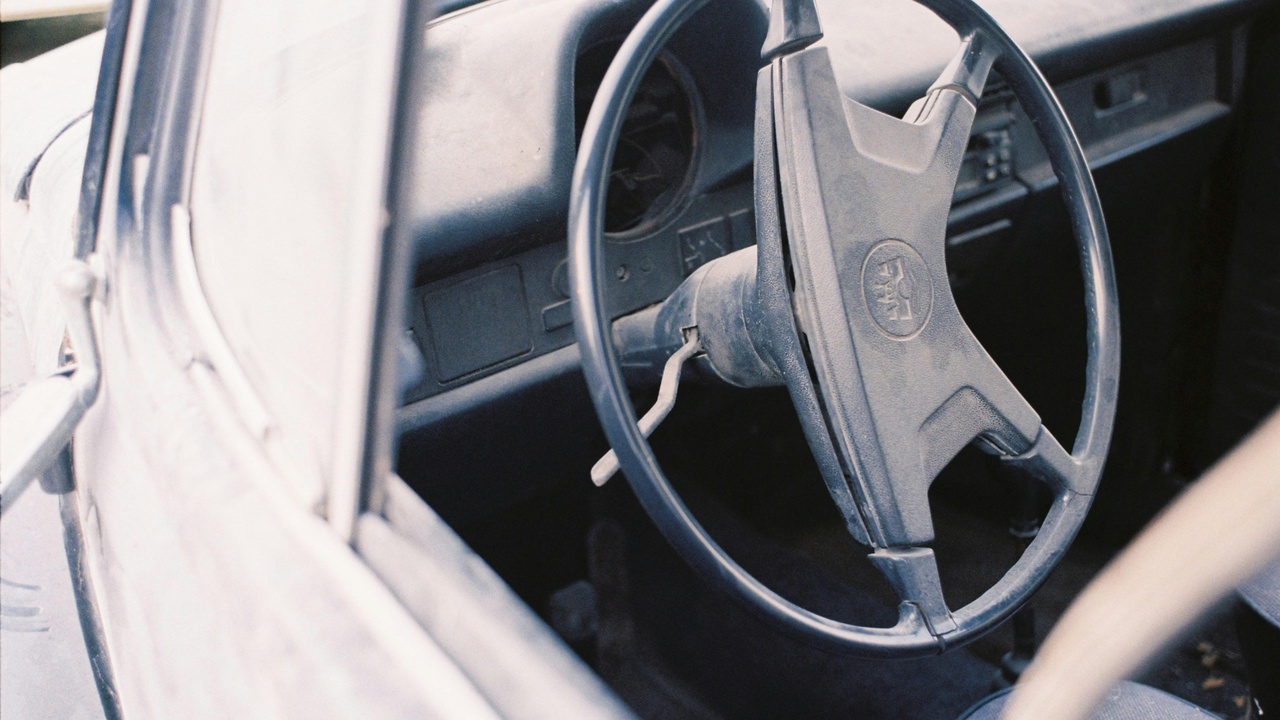
Detailing improves cabin air quality, removes odors and allergens, and restores visibility where it matters. Clean surfaces, fresh filters and restored lighting all contribute to a safer, more comfortable drive.
Professional cabin services often use HEPA-style vacuums, steam cleaning, and activated-carbon or ozone treatments for stubborn odors. Headlight and glass restoration reduce glare and improve sightlines for night driving.
5. Improves Air Quality and Reduces Allergens
Dust, pollen and pet dander embed themselves in carpets and upholstery; thorough vacuuming and shampooing reduce that load. HEPA vacuums, steam cleaning and cabin-filter replacement work together to make the air noticeably cleaner.
A commuter with seasonal allergies reported fewer sneezes and less congestion after a professional shampoo and a fresh cabin air filter. Practical schedule: vacuum monthly and arrange a professional deep clean annually or when symptoms persist.
6. Restores Visibility and Reduces Driver Fatigue
Cloudy headlights, etched windshields and streaked mirrors cut nighttime visibility and increase eye strain on long drives. Professional headlight restoration and glass polishing restore clearer sightlines and reduce glare.
Restoration shops report restored headlights can improve light output by a noticeable margin—commonly cited ranges are about 40–70% improvement in perceived output after a good restoration—making a real difference for night-shift or long-distance drivers.
A night-shift driver regained confidence after headlight restoration plus a windshield polish removed small etchings that had been scattering light into their eyes.
Economic Value and Time Savings
Detailing helps maintain or even increase resale/trade-in value, reduces long-term repair bills, and saves owners time by preventing infrequent deep cleans. One practical way to see the benefits of car detailing is to schedule a pre-sale detail: buyers notice a well-maintained finish and a fresh interior.
Conservative numbers: a professional detail typically costs $150–$300, and a well-presented vehicle can command roughly 5–15% higher trade-in or private-sale price. Spending a couple hundred dollars on a pre-sale detail often yields a larger return at sale time.
7. Increases Resale and Trade-In Value
Buyers pay more for clean, documented vehicles. Detailing plus maintenance records can add about 5–15% to resale or trade-in value; on a $10,000 car that’s roughly $500–$1,500 extra.
Private buyers respond strongly to presentation, and providing receipts for recent detailing (and coatings like CQuartz) builds trust and can justify a higher asking price compared with similar cars that look neglected.
8. Saves Time and Money in the Long Run
Putting $150–$300 into regular professional detailing is modest compared with major avoidable repairs. Routine maintenance prevents set-in stains, oxidation and corrosion that can lead to expensive fixes later.
Practical schedule: quick washes or wipe-downs monthly, professional interior/exterior detail 1–2 times per year, and protective treatments as needed. That approach often costs about $250 per year versus a potential $2,000 repaint or significant interior restoration after years of neglect.
Summary
- Regular detailing protects finish and clear coat, with paste wax lasting weeks, sealants months, and ceramic coatings offering 1–5 years of protection.
- Detailing uncovers small mechanical issues early and preserves interior materials (use products like Lexol for leather), reducing long-term repair costs.
- Cleaning improves cabin air quality and restores visibility—headlight restorations often yield noticeable light-output gains (commonly reported around 40–70%).
- A modest investment (often $150–$300 per session) can boost resale value (roughly 5–15%) and save time by avoiding infrequent, lengthy deep cleans.
- First step: schedule a single interior/exterior detail (or a headlight restoration), keep the receipt, and build a maintenance log to preserve value and comfort.