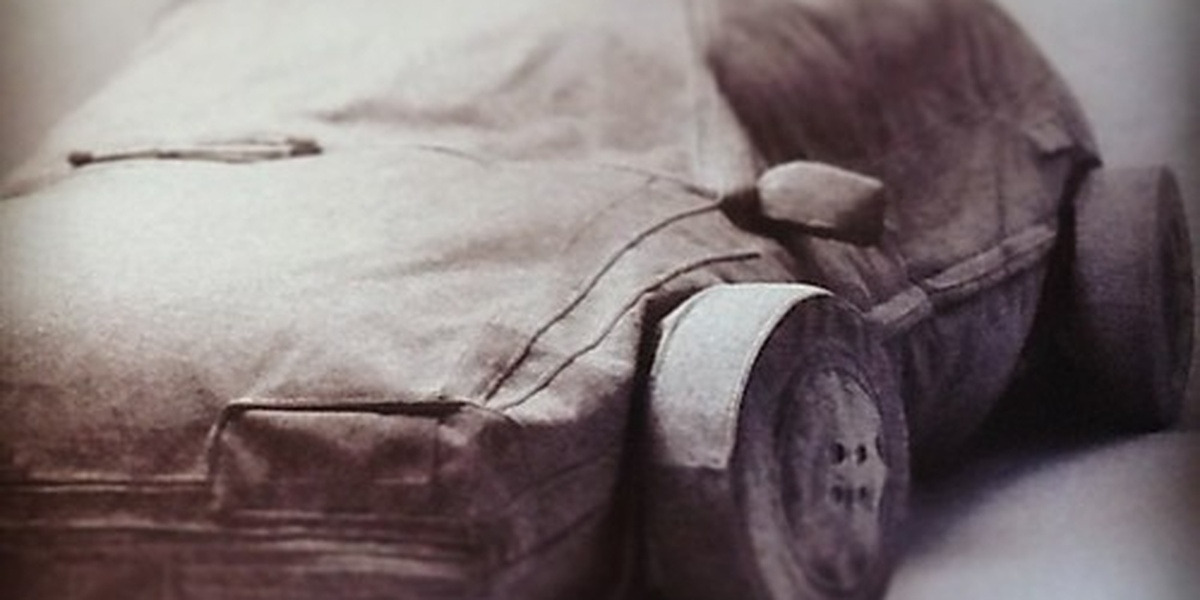
A 1960s-era car left outdoors for a decade shows faded paint, cracked trim, and a ruined interior—an everyday example of what consistent sun, moisture, and debris can do to a vehicle.
Many owners underestimate how routine outdoor exposure adds up. UV light, rain, tree debris and road grit slowly degrade paint, seals and interior plastics. Small, repeated damage often becomes costly restoration work.
A simple, properly chosen car cover can protect a vehicle from weather, reduce maintenance, deter theft, and help preserve resale value—making it one of the most cost-effective ways to care for a car. This piece lays out eight clear benefits, grouped into three practical categories: physical protection; preserving value and appearance; and security, convenience, and savings. Read the examples and product notes to match a cover to your climate and parking habits.
Physical protection: defending the car from elements and damage
Cars face a long list of outdoor risks: UV rays that oxidize paint and break down clearcoat, rain and snow that cause water spots and wet-dry stress, hail that dents panels, tree sap and bird droppings that etch finishes, dust and construction grit that abrade surfaces, and road salt that speeds corrosion in winter or coastal zones. In sunny climates, visible exterior fade often appears over a few years, and owners near coasts or in winter-salt regions report faster rusting and seal deterioration (see guidance from AAA on corrosion and NHTSA on heat effects). Choose cover materials to match the threat: polypropylene and polyester blends block UV and shed light moisture; breathable multi-layer covers let trapped humidity escape; reflective-coated fabrics cut radiant heat. Use a cover for daily outdoor parking and for long-term storage to prevent months of cumulative wear.
1. Shields paint and exterior from UV, rain, and snow
A quality cover blocks UV and moisture, slowing paint fading and sun damage. Prolonged UV exposure accelerates oxidation and clearcoat breakdown over a few years, and repeated wet-dry cycles increase clearcoat stress and micro-etching. Owners in sunny regions should look for UV-rated covers with reflective outer layers and UV inhibitors (Covercraft and WeatherTech offer UV-resistant options). Reflective or light-colored outer fabrics cut radiant heat and reduce cabin temperatures. A well-matched cover can reduce the frequency of paint corrections or professional polishing, saving both time and the several-hundred-dollar bills typical for machine polishing services.
2. Prevents physical abrasions, bird droppings, tree sap, and dust
Covers act as a sacrificial layer that stops many common contaminants and light scratches from contacting paint. Bird droppings are acidic and can etch clearcoat within hours to days if left in place; tree sap often needs solvents or a detailing visit to remove. In urban or tree-lined parking, a cover with a soft inner lining (for example, Covercraft Dustop) prevents micro-scratches, while secure tie-downs stop flapping that causes abrasion. Owners who park overnight under trees typically need fewer detailing sessions when they use a snug, lint-free cover and remember to remove and clean the cover periodically to avoid trapping grit against the finish.
3. Reduces corrosion risk from moisture and road salt
Salt and trapped moisture accelerate rust and corrosion, especially on exposed edges and underbodies. A breathable cover reduces prolonged wet contact by allowing condensation to escape, unlike non-breathable tarps that can trap moisture against metal. Owners in northern winter-salt regions and coastal areas benefit most; for long-term or off-season storage choose breathable multi-layer materials and consider a car shelter or heated garage for extended inactivity. Practical steps: dry the vehicle before covering, inspect for moisture periodically, and use desiccant packs for long indoor storage. That approach leads to fewer rust repairs and lower underbody corrosion over time.
Preserving value and appearance: paint, interior, and resale benefits
Appearance matters for resale and owner pride. A vehicle with preserved paint, intact trim and an undamaged dash usually sells stronger. Professional paint correction or a partial repaint can cost several hundred to a few thousand dollars depending on extent, and dashboard replacement or leather repair carries similar price ranges—investing in a quality cover is far cheaper than those repairs. Keep photos of covered storage, receipts for covers and maintenance notes to show buyers that a car received consistent protection.
4. Prevents fading and sun damage to paint and trim
Covers slow color fading and help preserve trim plastics and rubber seals. Visible fading typically appears after a few years on unprotected vehicles, and exposed rubber and vinyl harden and crack faster in constant sun. Owners with classic or specialty finishes should use tightly fitted, UV-rated covers—custom-fit options give better coverage than universal bags. Detailing shops commonly charge several hundred dollars for paint correction to remove oxidation, so a modest investment in a good cover often pays for itself if it delays that service.
5. Protects interior from heat and UV—preserving dashboards, upholstery, and electronics
Covers reduce cabin heat buildup and UV exposure, extending the life of plastics, leather and infotainment components. Interior temperatures can rise far above ambient in direct sun, which accelerates leather cracking and fading and stresses electronics. Use breathable covers with reflective outer layers when parking in direct sun and pair them with windshield sunshades for added protection. Over time this lowers the likelihood of dashboard replacement or leather restoration and keeps interior components functioning longer.
6. Helps maintain resale value and reduces long-term ownership costs
Consistent care, including regular covering, helps keep a vehicle in better condition and supports a stronger resale price. Buyers notice exterior and interior condition, and documented care—photos of covered storage and maintenance receipts—build buyer confidence. A $100–$300 cover can prevent a $1,000+ paint correction in many cases, especially for weekend or low-mileage vehicles. Collectors and leased-car owners often highlight covered-storage history in listings to justify higher asking prices.
Security, convenience, and cost savings: practical, everyday advantages
Aside from weather protection, covers offer less obvious but meaningful perks. They can deter casual theft and vandalism, cut cleaning time, and reduce routine maintenance costs. Estimate fewer washes per year in dusty or tree-covered areas—many owners report halving their wash frequency—saving both time and the cost of professional detail jobs. Use secure-fit covers, add a locking cable in higher-risk areas, and avoid using covers in high-wind, unsecured public parking. These practical steps let owners maximize savings and convenience.
7. Acts as a visual deterrent against theft and vandalism
Covered cars are less tempting because they hide interior contents and add a small time barrier for would-be thieves. Crimes of opportunity target visible valuables, and a cover forces extra steps to access the vehicle. Leave a cover on overnight in residential areas and use a locking cable when risk is higher. Pair a cover with a steering-wheel lock or alarm for layered security. Remember limits: determined thieves can cut covers, and loose covers can be a liability in high winds.
8. Saves time and money on cleaning and minor maintenance
Covers reduce how often owners need to wash, detail or touch up the exterior, saving both time and money. In dusty or tree-lined spots, owners commonly report fewer professional washes each season. Compare cover price ranges ($50–$400) with regular wash or detail costs; a single professional detail often equals a mid-range cover. Weekend drivers and seasonal users gain the most. Maintain the cover: wash it per manufacturer instructions, dry it before folding, and replace worn straps or hems to keep a tight fit.
Summary
- Small upfront cost—$50–$300—can prevent large repair bills for paint, dash and trim over time.
- Proper materials (UV-resistant, breathable, soft-lining) match threats: sun, salt, bird droppings and dust.
- Covers lower cleaning and detailing frequency, save time, and serve as a useful deterrent when paired with locks or alarms.
- Document covered storage with photos and receipts to support resale claims and buyer confidence.
- If you park outdoors most days, invest in a breathable, UV-rated cover tailored to your climate and parking situation—it’s cheaper than a paint correction.