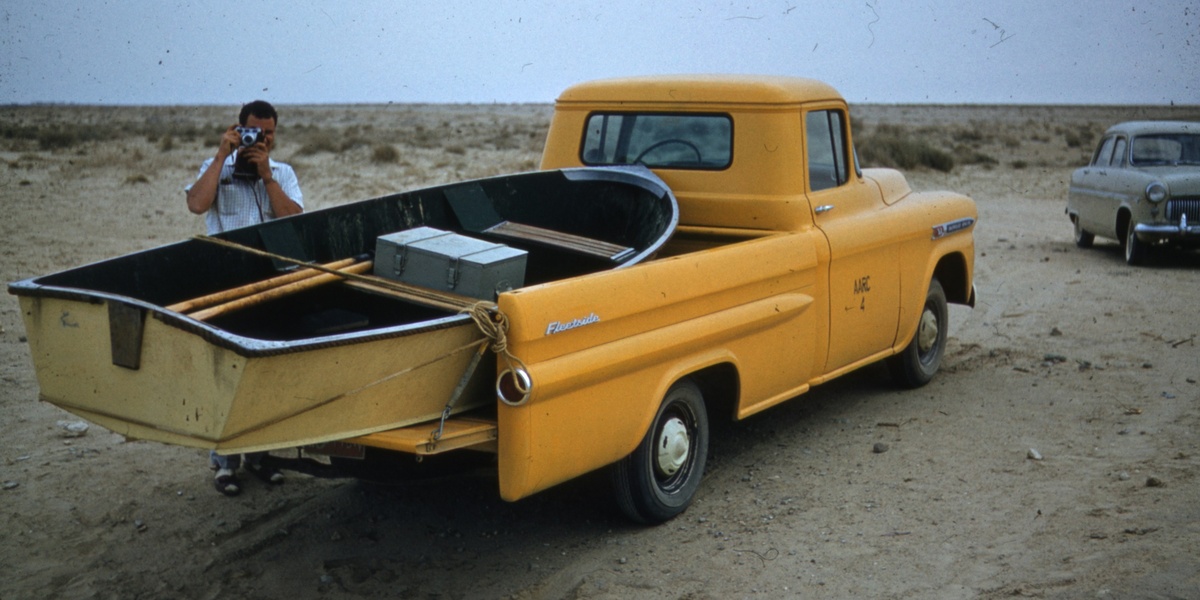
When pickup trucks first became popular in the post-war era, owners quickly learned that the bed is where hard work—and heavy wear—happens.
Every load, tossed tool, and spilled bag chips paint and exposes steel, which leads to scratches, dents, rust and lower resale value if left unprotected.
A correctly chosen and installed bed liner protects your truck, reduces long-term costs, and makes hauling safer and more convenient.
Below I explain eight concrete advantages, grouped into three practical categories: protection & durability, cargo control & convenience, and cost, resale & maintenance savings. For example, a contractor hauling gravel daily can avoid repeated repainting costs with the right liner, and many used-truck listings note bed wear as a price reducer (example stat: verify local data on bed-condition impacts).
Read on — practical buying and maintenance tips appear at the end.
Protection & Durability
The truck bed faces mechanical knocks, standing moisture, road salt and spilled chemicals. A liner serves as a sacrificial barrier that absorbs impact, blocks corrosives and shields paint from UV exposure. Options include drop-in polyethylene shells, spray-on and roll-on polyurethane/ polyurea coatings, and removable rubber mats—drop-ins are quick and inexpensive, spray-on/roll-on are permanent and conform to contours, and rubber mats offer portable protection and grip. Measurable attributes to check before you buy include thickness (spray-on systems commonly range around 1.5–3 mm), cure time (many manufacturers state 24–48 hours before light use) and warranty length (often 1–5 years depending on brand and installer). For exact specs, consult manufacturer datasheets from installers or brands such as Line‑X and Rhino Linings and confirm local installer claims.
1. Prevents scratches, dents and impact damage
A bed liner absorbs and spreads impact energy so rocks, tools and lumber are less likely to gouge metal or leave deep dents. Spray-on systems conform to corners and seams, creating a uniform protective layer, while drop-in shells protect exposed areas but can leave seams where debris collects. Spray-on thickness in the ballpark of 1.5–3 mm provides a measurable cushion—verify manufacturer specs for exact numbers. Contractors hauling framing lumber and landscape crews moving gravel or pavers notice fewer paint repairs and less bodywork after busy seasons when a solid liner is in place.
2. Guards against corrosion, chemical and water damage
Liners block moisture, salt and caustic materials from contacting bare metal, cutting the risk of rust. Many spray-on installers offer warranties in the 3–5 year range for corrosion resistance (check the installer’s warranty for exact coverage). By contrast, drop-in liners can trap water if drains are blocked, so proper fit and drainage are important. Landscapers who haul fertilizer or trucks in winter salt zones benefit from a seamless coating that limits long-term corrosion compared with an unlined bed.
3. Blocks UV and prevents paint fading
Sunlight and UV exposure break down factory paint and clearcoat, leading to fading and chalking over a few years in bright climates (significant fading can appear in about 3–5 years in intense sun). UV-resistant additives in many liners slow that process, preserving the finish under the liner’s protection. Fleets and delivery trucks parked outdoors daily keep a more uniform appearance longer when the bed is covered by a UV-stable coating or mat.
Cargo Control & Convenience
Liners improve day-to-day usability by adding non-slip textures, enabling secure tie-downs and making cleanup faster. Textured spray-on coatings and rubber bed mats increase friction so loads move less, and many liners are engineered to accept bolt-on anchors or aftermarket tie-down kits. Some fleet operators report measurable reductions in load-shift incidents after specifying textured liners for their trucks (example: reported ~20% fewer shifting events—verify with fleet data). For routine work, that means fewer tarps, fewer tiedowns wrestling with odd-shaped loads, and less time rearranging cargo between stops.
4. Non-slip surface reduces cargo shifting and damage
Textured liner surfaces increase grip and keep items from sliding during acceleration or cornering. That matters when transporting appliances, drums or fragile loads that can be damaged by sliding. Movers and contractors who carry refrigerators or heavy cabinets report fewer scuffs and broken items when a grippy spray-on surface or thick rubber mat is in place. In many cases, good surface traction reduces the need for extra tie-downs, though strapped backup is still best for heavy or tall loads.
5. Easier cleaning and less upkeep between jobs
Liners make cleanup quick—mud, leaves and spilled materials rinse out or pressure-wash away. Manufacturers typically recommend water and a mild detergent for routine cleaning, and many spray-on surfaces tolerate pressure washing once cured (often in about 24–48 hours). A muddy bed can often be rinsed clean in 5–10 minutes with a hose or pressure washer, versus much longer when you’re scrubbing stuck-on debris from scratched paint. Removable rubber mats are handy too—lift them out, shake and hose off for fast turnover between jobs.
6. Customized options and accessory compatibility
Liners come in modular or custom forms to match hauling needs. Many spray-on systems are applied under and around bolt-on hardware so toolboxes, drawer systems and bed-mounted campers sit on a continuous protective surface. Drop-in liners sometimes include integrated rails for accessories, while aftermarket anchor kits and bed extenders work with both spray-on and drop-in solutions when planned in advance. Contractors adding drawer systems or owners installing toolboxes should confirm anchor locations and whether holes will be sealed to maintain corrosion protection.
Cost, Resale & Maintenance Savings
Investing in a liner often pays off over the truck’s life through avoided repairs, fewer repaint jobs and stronger trade-in value. Typical retail price ranges run about $100–$400 for drop-in liners and roughly $400–$1,500 for professional spray-on installs (get local quotes to confirm). Warranties commonly range from 1–5 years depending on brand and installer. Consider payback scenarios: avoiding a single repaint or rust repair that costs several hundred dollars can cover much of the liner expense over a few years. When budgeting, ask installers for thickness specs, cure times and warranty details so you can compare total cost of ownership rather than just upfront price.
7. Low maintenance saves time and money over years
Less frequent repainting and rust repair reduces lifetime ownership costs. A moderate paint repair or spot bodywork can easily run several hundred dollars, and full bed repairs are more expensive. By preventing surface damage and corrosion, a liner helps you avoid those bills. Fleet managers often standardize liners to simplify maintenance schedules and reduce unexpected repair line items. For an individual owner, keeping the bed protected for five years can realistically avoid a $500–$1,500 bodywork bill in many local markets—verify with local body shops for precise numbers.
8. Helps preserve resale value and long-term ownership value
A clean, damage-free bed is an easy selling point when buyers or dealers appraise a used pickup. While exact premiums vary, owners commonly see a few hundred to over a thousand dollars difference depending on make, model and local demand. Popular models such as the Ford F‑150 and Chevrolet Silverado often list bed condition prominently in classifieds and dealer inspections. Keeping receipts for professional liner installation, plus manufacturer warranty paperwork, documents care and can positively influence trade-in offers or private-sale prices.
Summary
- Linings provide a sacrificial barrier against physical damage, corrosion and UV fading—check spray-on thickness (about 1.5–3 mm) and cure times (around 24–48 hours).
- Textured and rubber options improve cargo control and speed cleanup, which reduces job‑site time and load damage.
- Typical price ranges: drop-in $100–$400; spray-on $400–$1,500—compare local quotes and warranty lengths (commonly 1–5 years) to assess payback.
- Documented installation and manufacturer datasheets are useful when selling or trading in your truck; check installer warranties and exact specs before buying.
- Inspect local shops for spray-on quotes, compare drop-in vs spray-on fit for your use case, and prioritize protection for high-use trucks.