
In the 1940s and 1950s, General Motors popularized the Hydra‑Matic and other early automatics, turning a once‑luxury feature into a mainstream convenience that reshaped how people drove.
That shift changed daily driving: no more constant clutch work, fewer stalled intersections, and a lower barrier for new drivers. City commutes, long highway trips, and modern safety systems all behave differently when shifting is handled by the car instead of the driver.
Automatic transmissions have evolved from a luxury convenience into a practical, efficient, and safety-enhancing choice for most drivers — and they offer clear real-world advantages that matter today.
Industry sales data indicate more than 90% of new cars sold in the U.S. are automatics, a sign that most buyers value the convenience and integration they provide. The benefits of automatic transmission show up in daily comfort, fuel bills, and compatibility with driver‑assist tech.
Driving Comfort and Usability
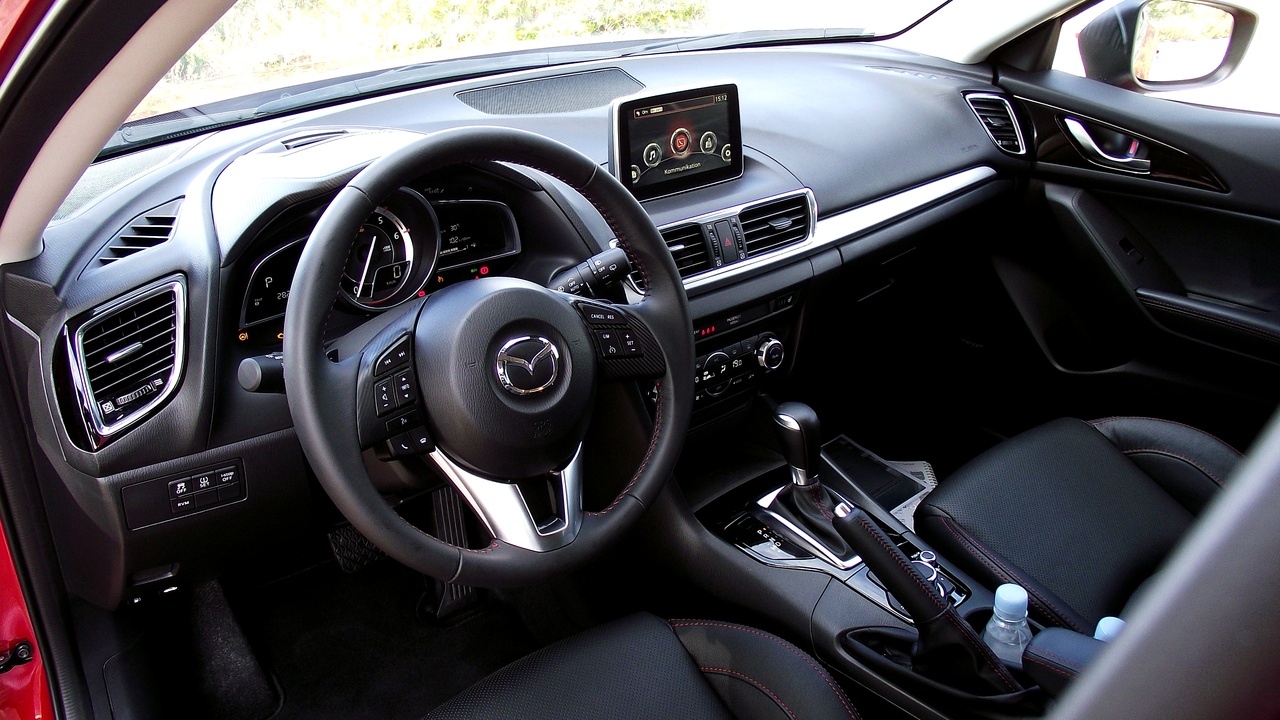
Switching from a manual to an automatic changes how a car fits into everyday life. In stop‑and‑go cities and on long commutes, automatics remove repetitive tasks so drivers can focus on traffic, navigation, and passengers.
1. Smooth, seamless shifting
Automatic transmissions deliver smoother gear changes than many drivers can achieve with a stick shift. Modern multi‑gear units—from ZF’s 8‑speed to Ford’s 10‑speed and performance dual‑clutch systems like Porsche PDK—use additional ratios and advanced controls to cut shift shock.
More gears let the engine run at lower RPMs during cruise, and lock‑up torque converters or precise clutch control in DCTs reduce jerks during shifts. In performance testing, modern DCTs and well‑tuned automatics can shorten effective shift times by roughly 0.2–0.5 seconds compared with older 4‑speed units, which improves responsiveness.
So when a family sedan accelerates to merge onto the highway, the result is a steadier, more confident pull that passengers notice right away.
2. Less driver fatigue in stop-and-go traffic
Automatics eliminate the need for constant clutch modulation and gear changes, which matters a lot in congested driving. Many commuters spend 30–60 minutes a day in traffic in large metro areas, so saving physical effort adds up fast.
Removing repetitive clutch work reduces both physical strain and cognitive load, lowering stress and helping drivers stay focused. For high‑mileage professionals—rideshare drivers, delivery drivers, and sales reps—the difference can be the one that prevents soreness and fatigue after a long shift.
Transportation studies show that reducing motor tasks behind the wheel improves attention to surrounding traffic, which is a practical safety plus in congested conditions.
3. Easier learning curve and broader accessibility
Automatic cars lower the barrier to learning how to drive because there’s no clutch coordination to master. Many driving schools use automatic vehicles, and new drivers often start on an auto for that reason.
Older drivers, people with certain disabilities, and anyone with limited mobility often find automatics far easier to manage, which expands access and independence. In some regions a licensing test can be taken in an automatic vehicle, making the pathway to driving simpler.
For retirees who want a reliable, low‑effort daily car, choosing an automatic is a straightforward way to keep driving comfortably longer.
Performance and Efficiency
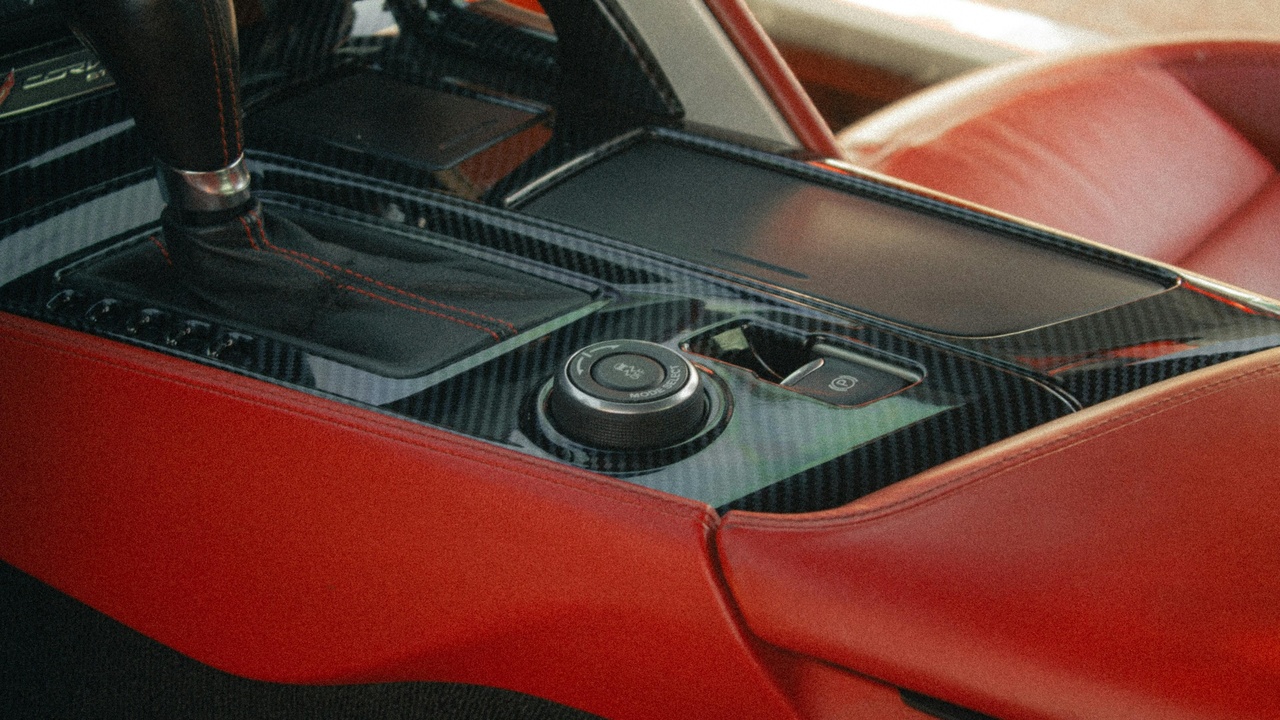
Far from being just convenience items, modern automatics deliver real performance and economy gains. Advances such as 8+ speed gearboxes, CVTs, and dual‑clutch units let manufacturers squeeze more miles and more usable torque from the same engine.
4. Better fuel efficiency in modern designs
Today’s automatic systems often match or surpass manuals for fuel economy thanks to additional gears, lock‑up converters, and precise electronic control. Tests show modern 8‑speed automatics and CVTs can deliver roughly 3–6% improved fuel economy compared with older 4‑speed automatics in many real‑world situations.
CVTs keep the engine in its most efficient band more often—examples include the CVT in the Toyota Corolla and similar systems in compact models. Over years of ownership those few percent gains translate into noticeably fewer trips to the pump.
5. Optimized shift programming for varied driving conditions
Modern transmissions use adaptive shift logic that learns driving style and adjusts shift points for economy, comfort, or sport. Many cars offer selectable modes—Eco, Normal, Sport—that change how aggressively the gearbox holds gears and responds to throttle inputs.
That adaptability gives everyday drivers a single car that behaves well in city crawling, towing, or highway runs without manual gear juggling. Manufacturers from Ford to Toyota tune shift maps to deliver better low‑speed torque for towing or a firmer feel for spirited driving.
6. Consistent power delivery for towing and acceleration
Automatics provide uninterrupted power delivery, which is especially useful when towing or merging. Heavy‑duty Allison automatics, for example, are common in tow‑rated trucks because torque converters and calibrations manage load consistently.
On the performance side, dual‑clutch transmissions cut shift times and improve acceleration by tenths of a second in track tests. For everyday drivers pulling a trailer or merging onto a busy freeway, that predictable power delivery reduces workload and boosts confidence.
Safety and Reliability
By simplifying drivetrain interactions, automatics help drivers stay focused and avoid common clutch‑related mistakes. Less hands‑on shifting means fewer moments of divided attention and fewer mechanical stalls that can cause hazards in traffic.
7. Lower risk of stalling and fewer distractions
Without a clutch to mismanage, automatic cars remove the chance of stalling at intersections or during hill starts—situations that can create immediate safety risks. Novice drivers historically stalled more often, which can lead to dangerous hesitation or being boxed in at intersections.
Transportation safety literature notes that removing mechanical interruptions—like stall recovery—lets drivers keep attention on traffic and pedestrians. The practical outcome: steadier flow through intersections and fewer awkward stops that invite risks or road‑rage situations.
8. Better integration with advanced driver-assistance systems (ADAS)
Advanced driver aids—adaptive cruise control, automatic emergency braking, and stop/start systems—work more predictably when the drivetrain can be controlled by software. Automatic transmissions let the vehicle slow to a stop and resume without driver clutch input.
Manufacturers design many ADAS features with automatic gearboxes in mind, so features like traffic‑jam assist and seamless stop‑and‑go cruise are more reliable on automatic‑equipped models. That integration improves how safety tech performs in everyday driving.
Ownership, Cost and Market Benefits

Beyond the wheel, automatics affect ownership costs, resale prospects, and future compatibility with electrified drivetrains. In many markets automatic models are simply easier to sell and often command a modest premium.
9. Higher resale value and broader market appeal
Automatic cars appeal to a wider buyer pool in many regions, which can translate into a modest resale premium—conservative estimates range from about 3–8% depending on vehicle class and local demand. In the U.S. manuals are increasingly niche, whereas automatics dominate the used market.
Popular automatic trims of cars like the Toyota Camry, Corolla, and many Honda models hold steady demand on the used lot. If resale is important, check regional preferences because a manual could still be desirable in niche enthusiast markets, but automatics are generally easier to sell in urban areas.
10. Better fit with hybrids and electric drivetrains
Electrified vehicles typically use automatic‑like drivetrains—single‑speed drives in EVs or CVT/automatic pairings in hybrids—so choosing an automatic aligns well with the broader shift to electrification. Examples include Tesla’s single‑speed direct drive and the Toyota Prius’ CVT hybrid system.
Automatic control also simplifies regenerative braking, start/stop behavior, and drive‑mode integration, making the ownership experience smoother as hybrids and EVs become more common. That future‑proofing can be a decisive factor for long‑term buyers.
Summary
- Automatic transmissions significantly improve daily comfort by removing clutch work and smoothing shifts, which reduces driver fatigue on long or congested drives.
- Modern automatic designs—8+ speed gearboxes, CVTs, and DCTs—can match or exceed manuals on fuel economy and deliver crisper, more consistent acceleration.
- Automatics lower the chance of stalling and pair better with ADAS, making safety systems like stop‑and‑go cruise and automatic emergency braking more reliable.
- From a market standpoint, automatics appeal to more buyers and integrate cleanly with hybrid and electric drivetrains, which can help resale and future ownership choices.
- Before deciding, consider your daily driving needs, local resale preferences, and test‑drive both types; that practical check will show which transmission suits you best.