In the 1950s, racing teams discovered that swapping heavier steel wheels for lighter magnesium and alloy wheels cut lap times — and the aftermarket wheel industry was born. What started on the track quickly trickled down to street cars: lighter alloys improved handling and braking, and distinct wheel styles became a primary way to personalize a vehicle.
Everyday drivers notice the same pain points racers did: sluggish turn-in, factory wheels that corrode in winter, or a bland look that sells a car short. Aftermarket wheels do more than change how a car looks; they can improve handling, braking, durability, resale value and personal expression — often without breaking the bank. Understanding the benefits of aftermarket wheels helps you choose the right set for your goals.
Below are eight concrete benefits grouped into four categories: Performance & Handling, Style & Fitment, Durability & Safety, and Economic & Practical Advantages. For example, swapping to a lighter set can reduce unsprung mass by roughly 10–20%, sharpening response and improving ride feel. Let’s start with how wheels affect vehicle dynamics.
Performance & Handling
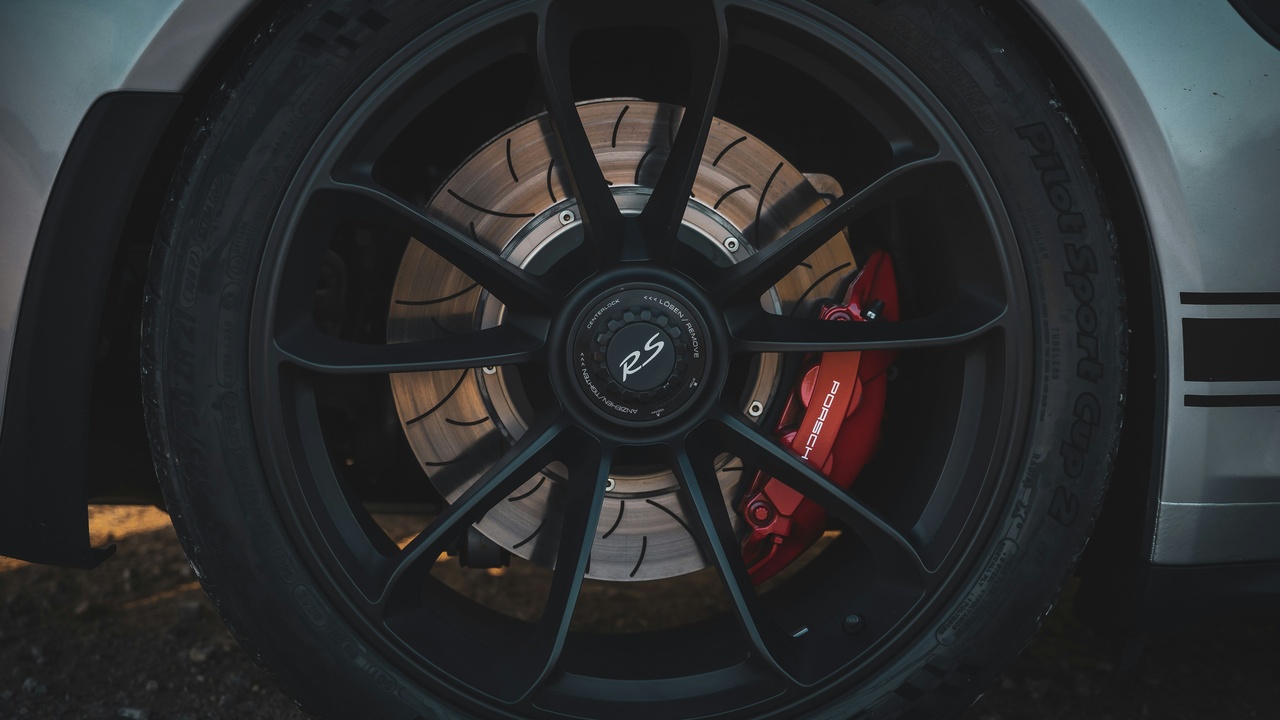
Wheel choice directly influences unsprung mass, rotational inertia, tire contact behavior and brake cooling. A properly selected aftermarket wheel—often sized between 17″ and 20″ for many sedans and sport compacts—can reduce weight, allow wider tires or bigger brakes, and improve steering feedback. Below are two measurable handling benefits and real-world examples users report in autocross and spirited driving.
1. Improved acceleration and steering response
Lighter aftermarket wheels cut both unsprung mass (the weight not supported by the springs) and rotational mass (what the engine must spin). That combination sharpens throttle-to-turn feel and quickens steering input. Typical aftermarket upgrades yield weight reductions of about 10–25% versus some factory wheels, depending on material and size.
For autocross or daily-drive sharpness, drivers often pick lightweight options like Enkei RPF1s or forged Volk TE37s. On a 2016 Subaru WRX or a Civic Type R, switching to a forged wheel can make turn-in feel crisper without changing engine output; 0–60 times rarely drop by full seconds, but mid-range responsiveness and steering precision are noticeably improved (especially with 17″–19″ choices).
2. Better braking consistency and heat dispersion
Wheel design matters for brake cooling. Open-spoke patterns and larger diameters let more airflow reach calipers and rotors, helping manage temperatures during repeated stops. On track days or heavy towing runs, this translates to steadier pedal feel and less fade.
Practical examples include 18″ directional-spoke wheels paired with vented rotors on a Ford F-150, or 19″ forged wheels on a BMW 3-series that allow fitment of big brake kits on a Porsche Cayman. Match wheel diameter and spoke design to your brake hardware—if you upgrade rotors or pads, confirm clearance so cooling benefits aren’t negated.
Style, Fitment & Personalization
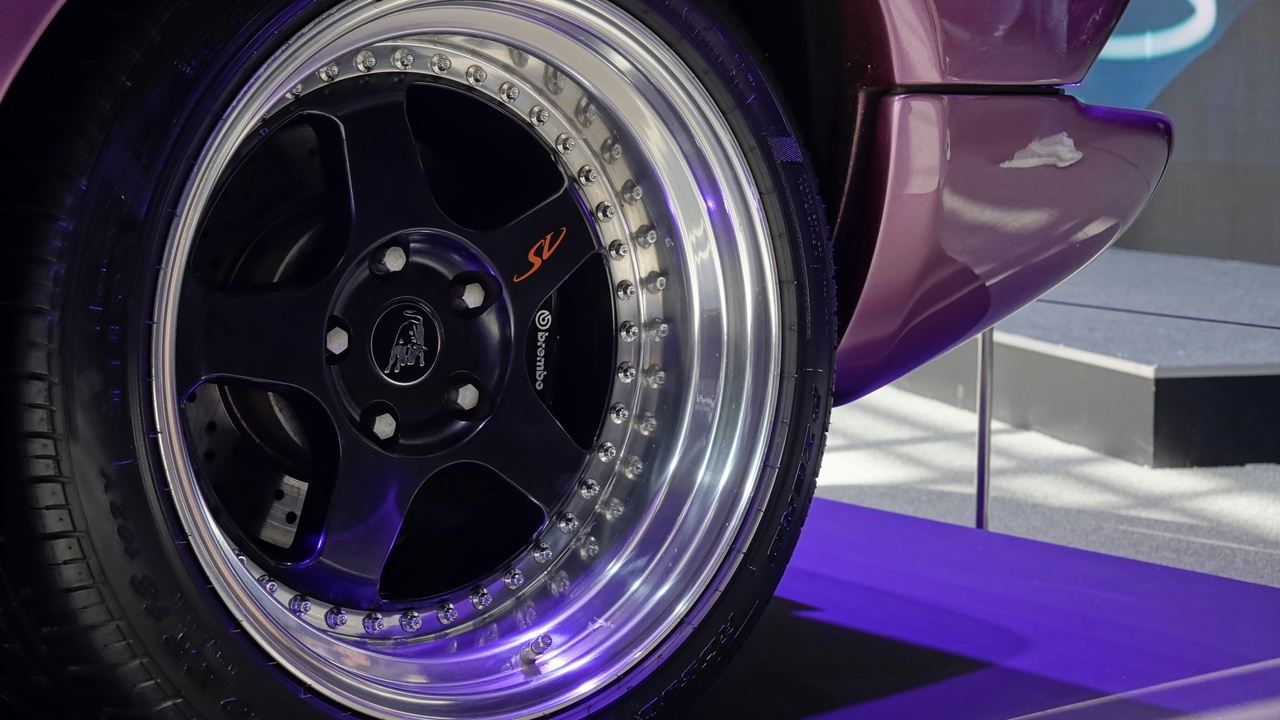
Wheels are one of the fastest ways to transform a car’s appearance and stance. Beyond aesthetics, aftermarket rims let you dial in offset and width to achieve a flush look, accommodate wider tires, or clear oversized brakes. Below are two benefits tied to looks and fitment choices.
3. Immediate visual impact and personalization
Swapping wheels often has the highest visual return per dollar of any exterior mod. Finish options include painted, machined, chrome, powder coat and PVD, each with different looks and maintenance needs. Entry-level cast wheels typically run $150–$300 apiece; premium forged pieces from HRE, BBS (BBS was founded in 1970) or Volk can cost $600–$2,000+ per wheel.
Brands like Rotiform and HRE specialize in distinct finishes and niche styles, so one set can shift a vehicle’s image from luxury to sporty to off-road-ready. Keep in mind finish choice affects upkeep—chrome and PVD often need more care, while powder coat resists chips and salt better.
4. Precise fitment for stance, clearance, and tire choices
Aftermarket wheels let you control diameter, width and offset. Diameter changes (commonly 17″–20″ for sedans and sport compacts) usually require lower-profile tires when you go up 1–2″, which reduces sidewall flex but can affect ride comfort. Width and offset determine how far a wheel sits in or out of the fender—staggered setups (front 18×8, rear 18×9.5) are common on BMW 3-series to improve rear traction and stance.
Before buying, note bolt pattern, hub-centric fit, and load rating. Measure current specs, consult fitment guides, and plan for possible spacers, fender rolling or alignment changes to avoid rubbing and maintain safe handling.
Durability, Materials & Safety
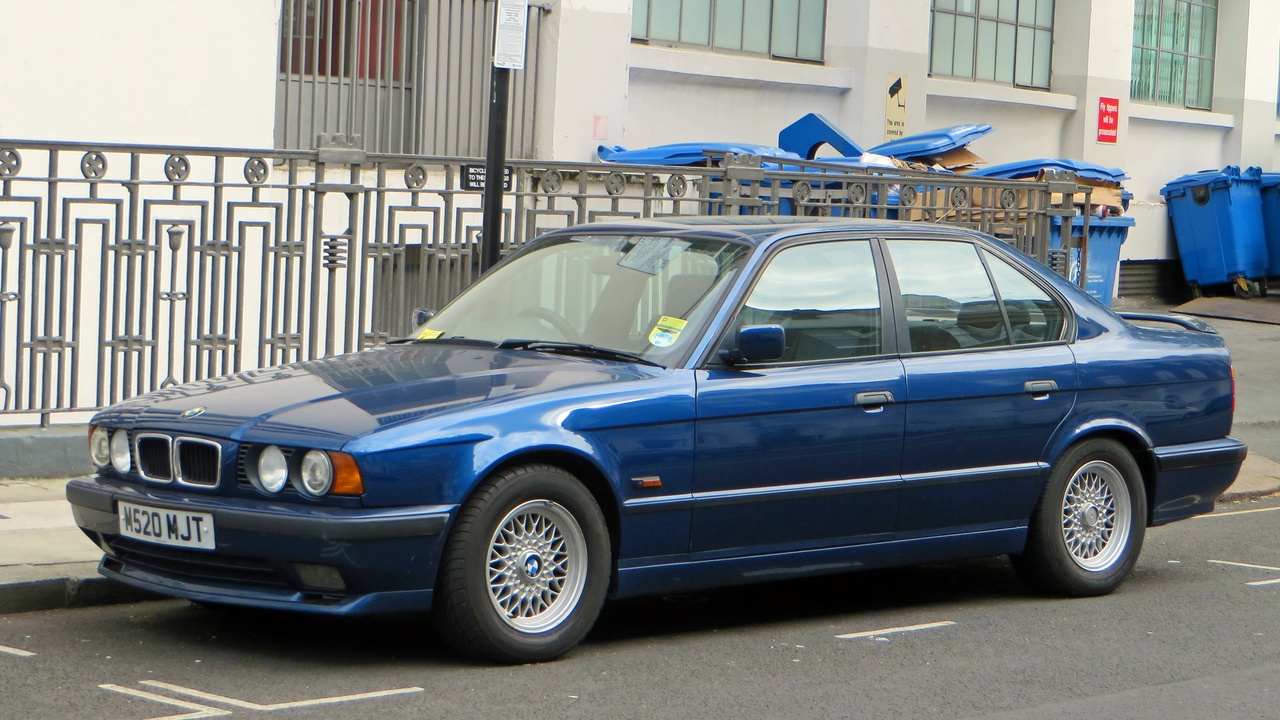
Wheel material and manufacturing affect strength, fatigue life and corrosion resistance. Forged wheels generally offer better strength-to-weight numbers, while quality coatings extend service life in salted-road climates. Below are two safety- and durability-related advantages.
5. Stronger, more fatigue-resistant materials
Forged wheels are produced by compressing a billet under high pressure, aligning the metal grain for higher strength at lower weight. Compared with many cast wheels, forged options can be 10–30% lighter at similar strength levels. Flow-formed wheels (a hybrid process) offer a middle ground with better strength-to-weight than standard cast units at a lower price than forged.
Choose forged if you do track days, carry heavy loads, or want the smallest possible wheel weight without sacrificing safety—brands like HRE and Volk (RAYS) publish load ratings and testing data. If budget is a concern, high-quality flow-formed wheels from Enkei or similar makers provide a solid compromise.
6. Corrosion protection and longer service life
Factory finishes vary; aftermarket options often offer tougher coatings. Powder-coat, PVD and multi-stage clearcoats resist chips, brake dust and road salt better than some OEM paints. In harsh climates, switching to powder-coated wheels can extend visible life by several years and reduce corrosion-related maintenance.
Regular washing, occasional touch-up paint and products like ceramic sealants help. For winter use, many owners buy a dedicated powder-coated winter wheel set—this lets summer wheels avoid salt exposure and keeps two sets looking and performing their best. Reputable brands commonly include multi-year structural warranties; still, inspect wheels after pothole strikes and at regular service intervals.
Economic Value & Practical Advantages
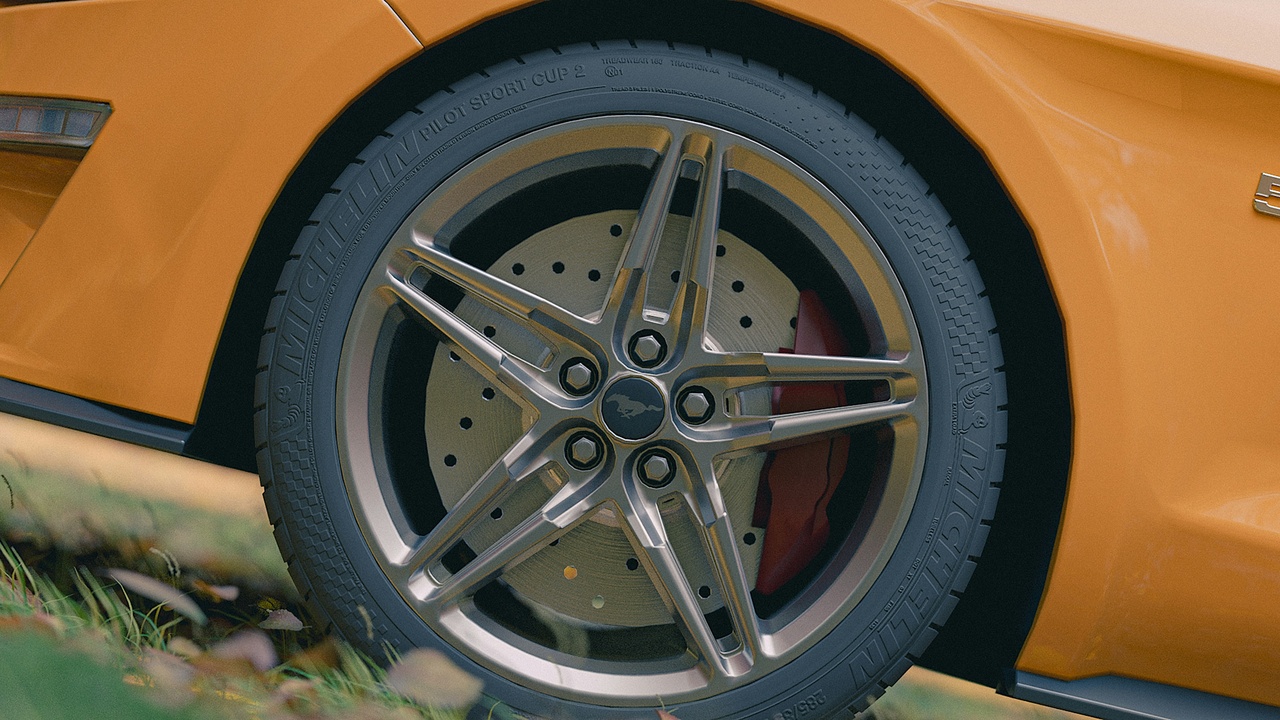
Beyond looks and performance, wheels make practical and financial sense when chosen thoughtfully. Tasteful upgrades can improve resale appeal, while wheel+tire packages allow seasonal swaps that preserve tire life. Below are two concrete economic and practical benefits.
7. Increased resale value and market appeal
Tasteful, well-documented wheel upgrades can make a car easier to sell and sometimes add a modest premium. Conservative estimates put resale premiums in the 2–7% range depending on vehicle class—enthusiast cars like a Honda Civic Type R or a Ford Mustang tend to benefit more than basic commuter sedans.
To maximize value, keep the factory wheels, document purchases and use respected brands. Listing a vehicle with both the upgraded wheels and the original set available signals reversibility and often reassures buyers, reducing friction during sale.
8. Practical cost-saving and modular upgrade paths
Wheels enable modular setups: buy a quality wheel set and swap tires seasonally to extend tread life and match conditions. A winter wheel+tire package typically runs $800–$1,600 complete (including mounting and balancing), while a premium forged summer set costs much more but lasts longer and resists damage better.
Practical savings also come from proper wheel/tire matching—wider rims with the correct tire reduce uneven wear. When shopping, consider used OEM wheels for winters (common on VW Golf platforms) or buying a full wheel-and-tire package to avoid repeated mounting fees. Always confirm bolt pattern, hub-centric fit, TPMS compatibility and load rating before purchase.
Summary
- Reduced unsprung and rotational mass (often 10–25% lighter) sharpens steering and improves mid-range response.
- Wheels alter brake cooling and fitment: larger diameters and open spokes help reduce fade and accommodate bigger brake kits.
- Finish and manufacturing matter—forged wheels offer superior strength-to-weight, while powder-coat and PVD finishes extend life in salty climates.
- Tasteful wheel upgrades can raise resale appeal (roughly a 2–7% premium) and enable practical modular setups like dedicated winter/summer packages.
- Before buying, verify bolt pattern, hub-centric fit, load rating and TPMS compatibility; keep factory wheels if resale is a priority.
Ready to explore options? Measure your current specs, pick a clear goal (performance, style, winter use), then consult a trusted wheel retailer or shop for a fitment check and mounting quote.