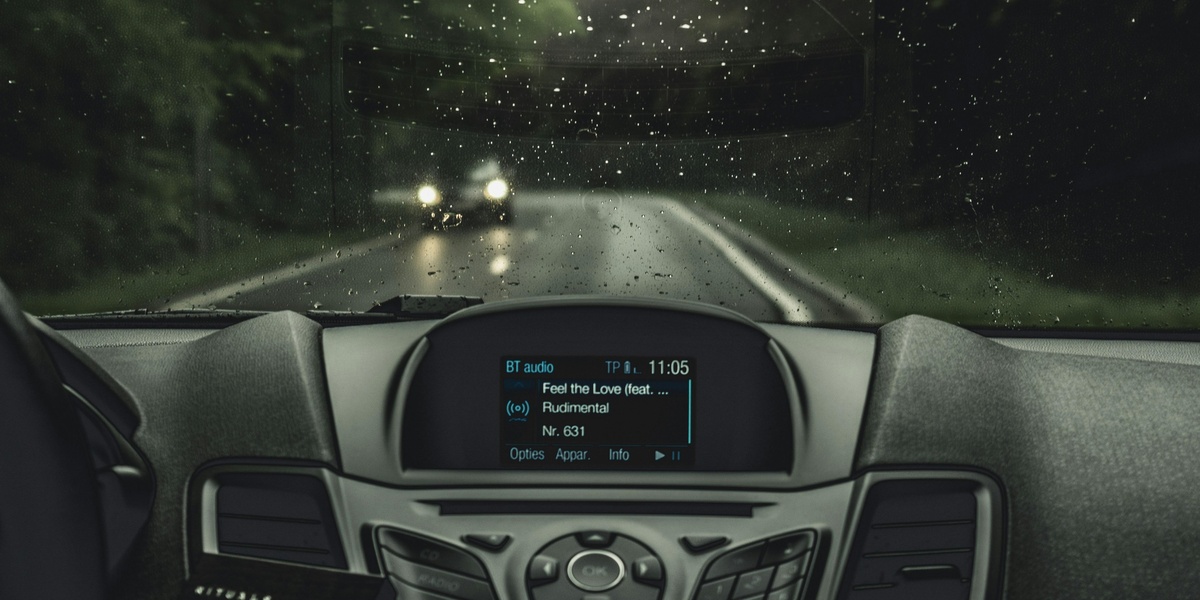
When compact discs and portable MP3 players left cassette decks behind in the early 2000s, car audio began a visible transformation — but the biggest shift came when smartphones and app-based navigation met in-dash systems.
Most drivers notice this on the commute: clearer music, fewer fumbling moments with a phone, and an easier time parking thanks to cameras and larger screens. Upgrading your car’s audio and infotainment affects everyday driving comfort, safety, and even resale appeal.
Upgrading to an aftermarket stereo can deliver dramatic improvements in sound, connectivity, safety, and vehicle value — and this article explains eight concrete benefits so you can decide whether an upgrade is right for your car.
Apple CarPlay debuted in 2014, and within a few years many aftermarket head units adopted it; that convergence is a big reason retrofits make sense. Below, the eight benefits are grouped into three practical categories: Audio & Listening Experience, Vehicle Integration & User Experience, and Customization & Value.
Audio quality and listening experience
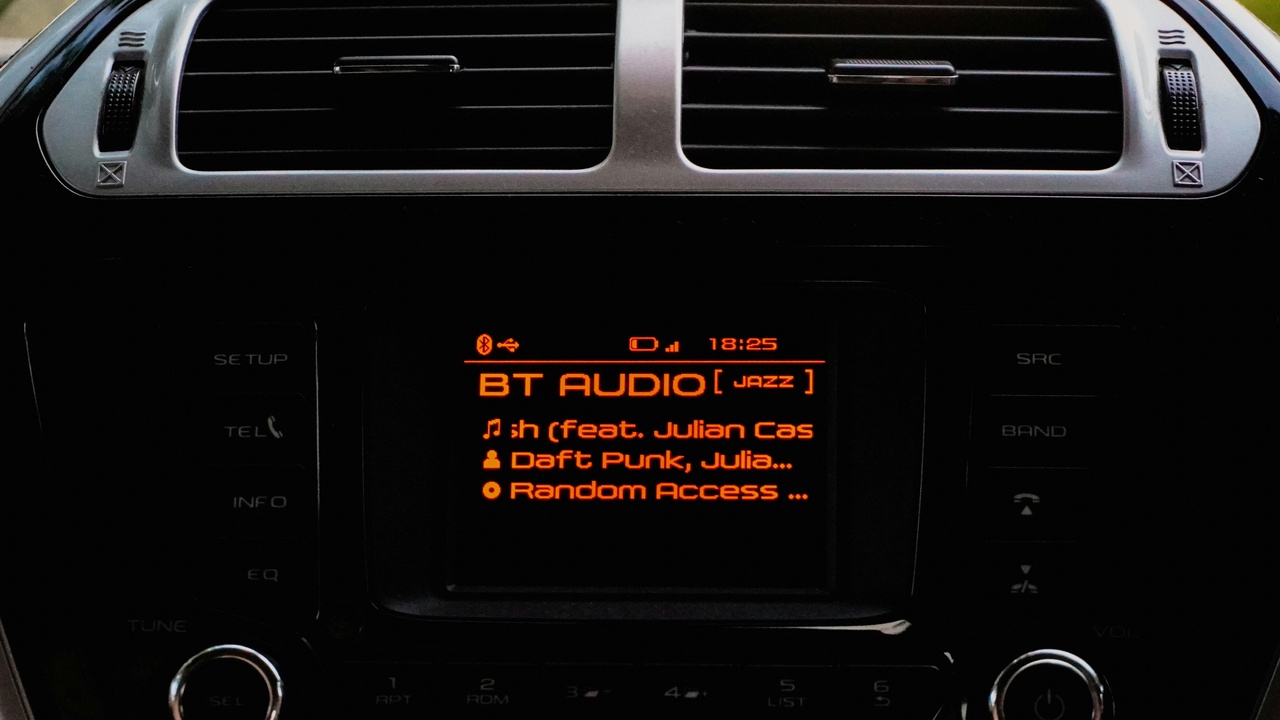
Better amplifiers, speakers, and processing translate to measurable gains: more clarity, wider frequency response, and higher signal-to-noise ratios. Aftermarket gear also gives installers tools to tune systems to a noisy cabin, producing results you can hear on the road.
Spec-wise, many aftermarket amplifiers provide 50–100W RMS per channel for reliable headroom, and higher-end units push beyond that cleanly. Brands like Pioneer, Alpine, JBL, Kenwood, and Sony are common choices that balance performance with value.
Installers use EQ, crossovers, and time alignment to compensate for a car’s acoustic quirks, and standalone DSPs let them shape the sound precisely so instruments sit where they should in the soundstage.
1. Significant improvement in sound clarity and fidelity
Aftermarket systems deliver clearer, more accurate sound than most factory units. The difference shows up in lab numbers and in listening: signal‑to‑noise ratio (SNR) often climbs from factory levels under 80 dB to 90 dB or higher in quality head units, and total harmonic distortion (THD) under 0.5% is a reasonable target for clean reproduction.
Component speakers—separate woofers and tweeters—help imaging and instrument separation so vocals, guitars, and drums occupy distinct parts of the cabin soundstage. An Alpine R‑Series component set, for example, will resolve detail that an OEM coaxial simply smooths over.
On a noisy highway, that improved SNR and lower distortion keeps vocals intelligible and reduces listener fatigue, especially on long drives.
2. Better bass and low-frequency control
A common complaint about factory systems is weak or muddy bass. Adding a proper subwoofer and dedicated amplifier brings tighter, tunable low end and reduces distortion when you raise the volume.
Many effective sub setups fall in the 200–600W RMS range depending on vehicle size and listening preference. A practical install example: a 10″ sealed sub powered by a 300W RMS amp yields punchy, controlled bass with good transient response—sealed enclosures emphasize accuracy, while ported boxes increase output at the expense of tightness.
That controlled bass helps overall clarity—vocals and midrange aren’t masked by booming low frequencies, and the system sounds less strained at highway volumes.
3. Improved signal processing and tuning capability
Modern aftermarket head units and standalone DSPs let you dial in parametric EQ, set high‑/low‑pass crossovers, and perform time alignment so sound reaches the listener coherently.
Time alignment shifts speaker delays so the sound from left and right speakers arrives at the listener simultaneously, which tightens imaging and creates a believable center image even when seated off‑center.
Products such as DSP‑capable Kenwood Excelon head units or dedicated processors found in professional installs allow installers to reduce problematic cabin peaks—for example, knocking down a 120 Hz resonance by several dB—to produce a flatter, more natural response.
Vehicle integration and user experience
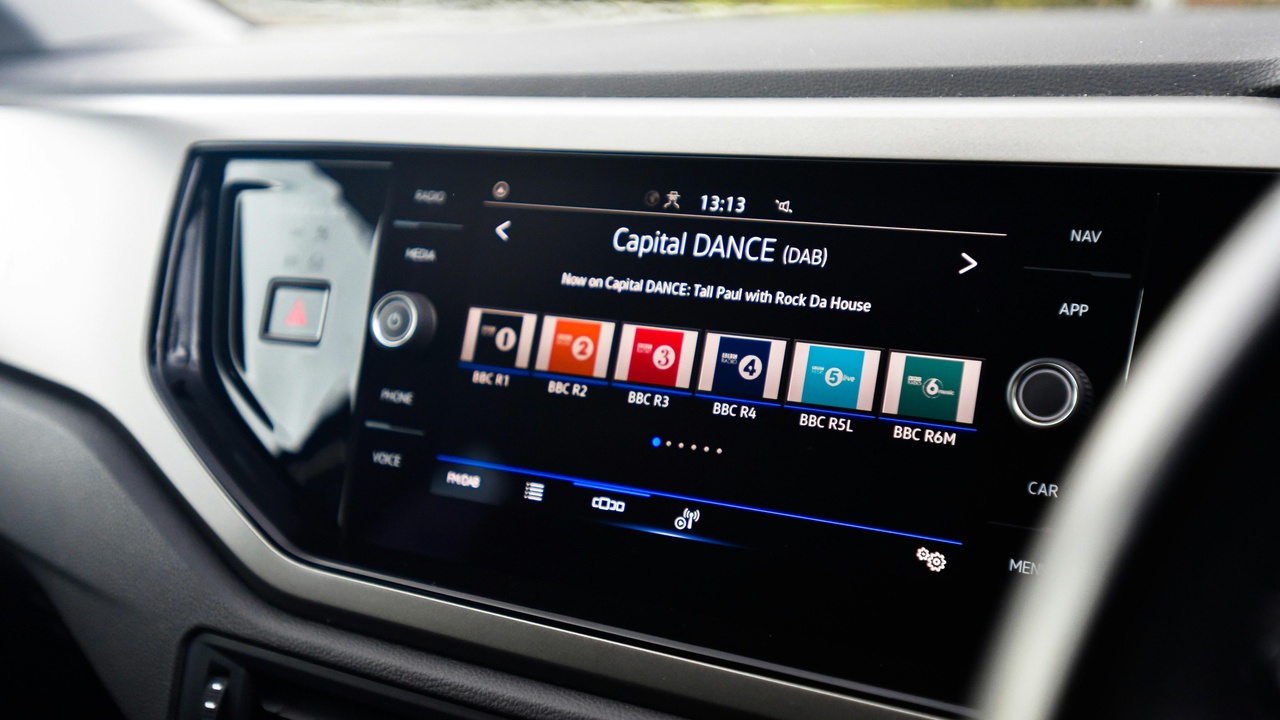
Beyond sound, aftermarket systems modernize how a car interacts with the driver: smartphone integration, larger displays, camera feeds, and retained steering controls all reduce distraction and make daily driving easier.
Bluetooth has been common in cars since about 2005, and Apple CarPlay arrived in 2014; combining those protocols with big touchscreens and voice assistants changes how we use vehicles on a daily basis.
4. Modern connectivity: Bluetooth, Apple CarPlay and Android Auto
Modern connectivity changes in‑car workflows. Bluetooth provides hands‑free calling and streaming, while CarPlay and Android Auto put navigation, messaging, and music apps on a safer, integrated touchscreen.
Some head units support wireless CarPlay and Android Auto—Pioneer and certain Sony models offer that option—while others use a wired connection for reliability. Adding one of these units to an older vehicle gives driver convenience that never existed when the car was new.
5. Enhanced interface, navigation and camera support
Larger, well‑placed screens reduce the urge to handle a phone. Aftermarket head units accept backup cameras, 360° systems, and parking sensors so reversing and low‑speed maneuvers are safer.
For example, adding a 7″ touchscreen and a backup camera to a 2010 sedan commonly takes a few hours and immediately improves situational awareness while parking. Many units also offer offline navigation and optional traffic subscriptions for turn‑by‑turn routing without a phone.
6. Retained controls and increased safety
Proper integration preserves steering‑wheel controls, factory chimes, and important vehicle messages so drivers keep familiar safety cues and don’t need to relearn a dash layout.
CAN‑bus adapters and vehicle‑specific harnesses let installers retain button functions and warning tones; reputable shops note this prevents lost features like airbag warnings or door‑open chimes when retrofitting newer head units.
The National Highway Traffic Safety Administration recommends minimizing manual interactions while driving, so keeping voice control and steering inputs is a safety win—use voice for navigation and calls and keep eyes on the road.
Customization, long-term value, and maintenance
Aftermarket systems are modular by design, so owners can match parts to tastes and budgets. Thoughtful upgrades can also improve resale appeal and make future repairs or updates simpler than with integrated OEM systems.
Prices vary: entry‑level single‑DIN or double‑DIN head units commonly start around $150, mid‑range units sit in the $300–$600 band, and premium displays and DSP‑equipped models can exceed $900. Professional installs typically take 2–4 hours depending on complexity.
7. Customization to match taste and use case
Because systems are component‑based, you can chase clarity, warm midrange, or heavy bass independently. Options include sound‑deadening kits, component speaker sets, dedicated amplifiers, and touchscreen aesthetics.
Sound‑deadening materials (Dynamat‑style products), a pair of midrange/tweeter component speakers, and a compact amplifier will change how a modest car sounds without a full overhaul. Component speakers often cost $100–$500 per pair, while decent sound‑deadening kits run a couple of hundred dollars for the doors.
Decide what matters—accuracy for long commutes, or punch for weekend driving—and pick parts accordingly.
8. Resale value, serviceability, and future-proofing
A clean, well‑documented upgrade can make a car more attractive to buyers who want modern features like CarPlay or a backup camera. While not every dollar is recouped, the perceived value often rises for buyers shopping for convenience and safety.
Keep receipts, photos of the install, and any original parts in the trunk. A mid‑range head unit plus professional installation commonly adds a few hundred dollars of appeal to buyers who prioritize infotainment, and reversible, OEM‑looking dash kits help preserve original equipment value.
Because aftermarket modules are replaceable, future repairs or upgrades tend to cost less than replacing an integrated OEM infotainment system that uses proprietary parts.
Summary
- Aftermarket upgrades deliver measurable audio gains—higher SNR, lower THD, controlled bass—and better in‑car listening on real roads.
- Modern connectivity (Bluetooth, Apple CarPlay/Android Auto) and camera support reduce phone handling and improve safety; CarPlay debuted in 2014 and aftermarket units brought it to older cars fast.
- Customization is modular: you can tune sound with component speakers, subwoofers, DSP, and sound‑deadening to suit commuting or audiophile needs.
- Professional installation preserves steering controls and vehicle messages, shortens installation time (typically 2–4 hours), and maximizes long‑term reliability.
- Benefits of aftermarket stereo systems often translate to better daily usability and increased appeal at resale—pick one tangible goal (better bass, CarPlay, or resale appeal), set a budget, and get a quote from a trusted installer.