Spain’s car history is closely tied to SEAT, a maker whose lineup has evolved with changing tastes, regulations and market needs. From city hatchbacks to family saloons, the models that left production tell a practical story about where the brand has been.
There are 26 SEAT Discontinued Models, ranging from SEAT 124 to SEAT Toledo. The list is organized into columns for Production years, Body type and Main markets, which you’ll find below.
How were the models selected for this discontinued list?
The list includes passenger models that SEAT officially stopped producing; it focuses on distinct model names rather than facelifts or regional variants. That means you’ll see cars retired for reasons like replacement by newer models, declining sales or platform consolidation, and each entry notes when and where it was sold.
Can I still find parts or servicing for these discontinued SEAT models?
Yes—parts and service options vary by model age and popularity: common items are usually available through dealers, specialist suppliers or the aftermarket, while rarer components may require salvage, reproduction parts or aftermarket alternatives. Check main markets listed for each model to identify likely sources and support networks.
Seat Discontinued Models
| Model | Production years | Body type | Main markets |
|---|---|---|---|
| SEAT 1400 | 1953–1964 | Sedan | Primarily Spain, as it was SEAT’s first car. |
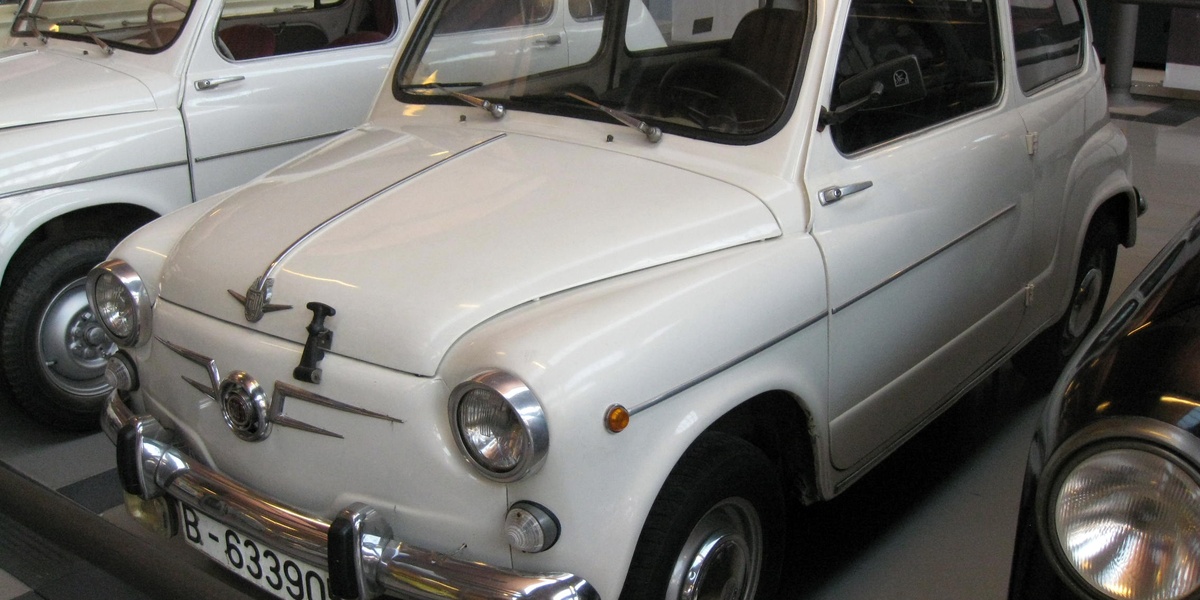
| SEAT 600 | 1957–1973 | City car | Spain, with some exports to Latin America and Finland. |
| SEAT 1500 | 1963–1972 | Sedan, estate | Primarily Spain. |
| SEAT 800 | 1964–1967 | Sedan | Exclusively Spain. |
| SEAT 850 | 1966–1974 | Sedan, coupe, convertible | Spain and other European countries. |
| SEAT 124 | 1968–1980 | Sedan, estate | Spain and European export markets. |
| SEAT 1430 | 1969–1975 | Sedan, estate | Primarily Spain. |
| SEAT 127 | 1972–1982 | Hatchback, sedan | Spain and Western Europe. |
| SEAT 132 | 1973–1982 | Sedan | Spain. |
| SEAT 133 | 1974–1979 | City car | Spain, with exports to Egypt and Argentina. |
| SEAT 131 | 1975–1984 | Sedan, estate | Spain and European export markets. |
| SEAT Ritmo | 1979–1982 | Hatchback | Spain and Western Europe. |
| SEAT Panda | 1980–1986 | City car | Spain. |
| SEAT Fura | 1981–1986 | Hatchback | Spain. |
| SEAT Ronda | 1982–1986 | Hatchback | Spain and Western Europe. |
| SEAT Málaga | 1985–1991 | Sedan | Spain and Europe. |
| SEAT Marbella | 1986–1998 | City car | Spain and budget-conscious European markets. |
| SEAT Terra | 1987–1996 | Van | Spain and other European markets for commercial use. |
| SEAT Toledo | 1991–2018 | Liftback, sedan | Spain, Germany, and other European markets. |
| SEAT Córdoba | 1993–2009 | Sedan, coupe, estate | Spain, Germany, Mexico, and other European markets. |
| SEAT Inca | 1995–2003 | Van | Europe for commercial and private use. |
| SEAT Arosa | 1997–2004 | City car | Western Europe, particularly Spain and Germany. |
| SEAT Alhambra | 1996–2020 | MPV | Germany, Spain, and other European family car markets. |
| SEAT Altea | 2004–2015 | MPV | Spain and Western Europe. |
| SEAT Exeo | 2008–2013 | Sedan, estate | Spain and Western European markets. |
| SEAT Mii | 2011–2021 | City car | Western Europe. |
Images and Descriptions
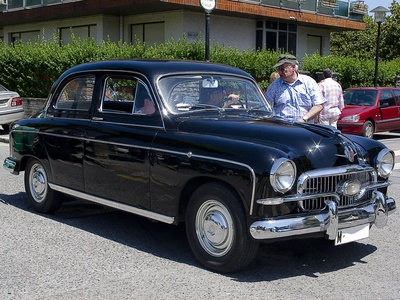
SEAT 1400
The very first car produced by SEAT, the 1400 was a rebadged Fiat 1400. It was an upmarket car for its time in Spain, crucial for motorizing the country’s post-war professional class and official services before being replaced.
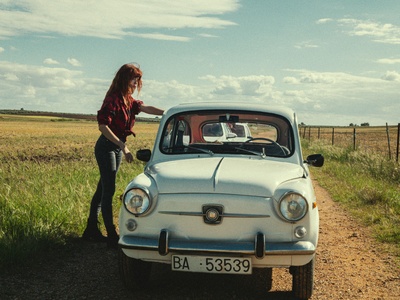
SEAT 600
An icon of the Spanish economic miracle, the SEAT 600 put the nation on wheels. This affordable, rear-engined city car was a licensed Fiat 600. Its popularity was so immense that it became a true cultural symbol in Spain.
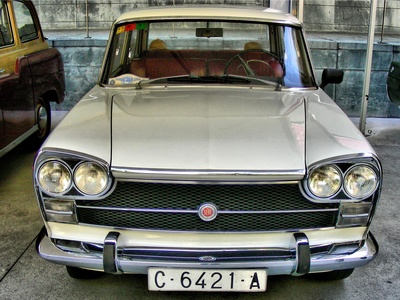
SEAT 1500
The successor to the 1400, the SEAT 1500 was a large family car based on the Fiat 1800/2100. It became the default taxi in many Spanish cities and a status symbol for affluent families throughout the 1960s.
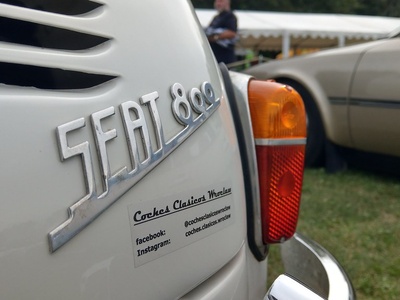
SEAT 800
A unique model developed in-house by SEAT, the 800 was a 4-door version of the popular 600. It offered more practicality for families but was produced in small numbers before the more modern SEAT 850 arrived on the scene.
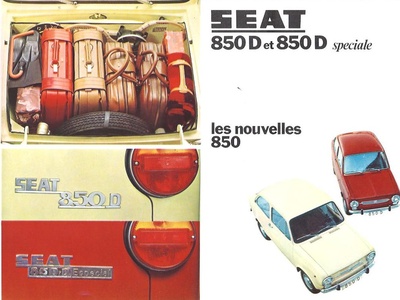
SEAT 850
A step up from the 600, the rear-engined 850 offered more space and power. SEAT produced several versions, including a sporty coupe and a stylish spider, making it a versatile and popular choice across different market segments.
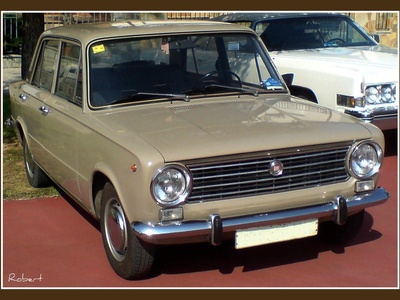
SEAT 124
A massive success for SEAT, the 124 was a robust and reliable family car based on the Fiat 124. It was also a dominant force in Spanish motorsport, with its powerful engine variants cementing its legendary status among enthusiasts.
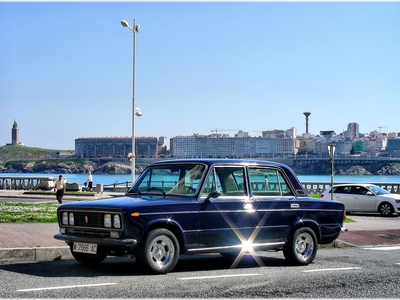
SEAT 1430
An upmarket and sportier version of the 124, the SEAT 1430 featured distinctive twin headlamps and a more powerful engine. It was marketed to buyers seeking better performance, bridging the gap between the standard 124 and larger models.
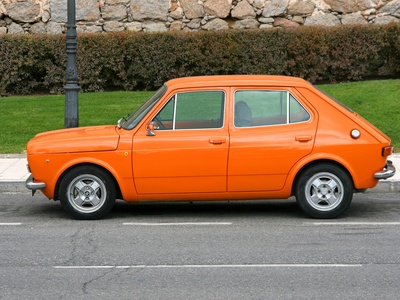
SEAT 127
A hugely popular supermini based on the Fiat 127, this was SEAT’s first front-wheel-drive model. SEAT even developed its own 4-door version, which Fiat didn’t offer initially, highlighting the brand’s growing engineering capabilities.
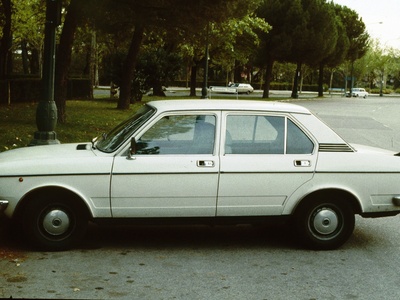
SEAT 132
SEAT’s flagship executive car during the 1970s, the 132 was a rebadged Fiat 132. It offered luxury features and powerful engines, including a diesel option from Mercedes-Benz, and was often used for official government transport.
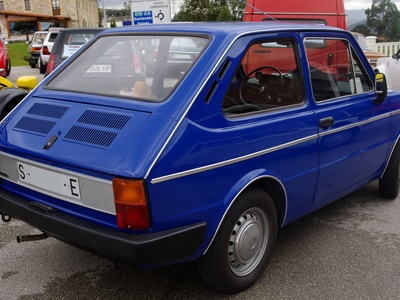
SEAT 133
A peculiar model developed by SEAT, the 133 combined the rear-engine layout of the 850 with a modern body style resembling the 127. It was an affordable stopgap model intended to replace both the 600 and 850.
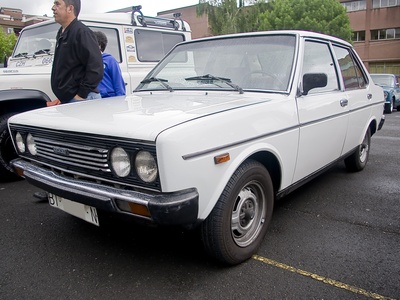
SEAT 131
A mid-size family car that replaced the 124 and 1430, the SEAT 131 was known for its comfort and durability. It was available with a range of engines, including a diesel, making it a popular and versatile family and taxi choice.
SEAT Ritmo
Based on the controversially styled Fiat Ritmo, this was one of the last Fiat-based cars from SEAT. Its production ended abruptly when the partnership with Fiat dissolved, leading to a hasty redesign that became the SEAT Ronda.
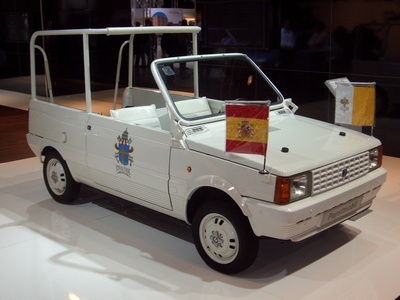
SEAT Panda
A licensed version of the iconic Fiat Panda, the SEAT Panda was a utilitarian and incredibly practical city car. After the Fiat split, SEAT restyled it slightly and renamed it the Marbella to avoid legal issues over the name.
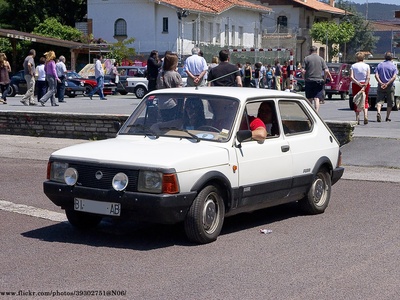
SEAT Fura
Essentially a facelifted SEAT 127, the Fura was launched to modernize the aging supermini after the split from Fiat. It featured new plastic bumpers and an updated interior, with a sporty “Crono” version adding excitement to the range.
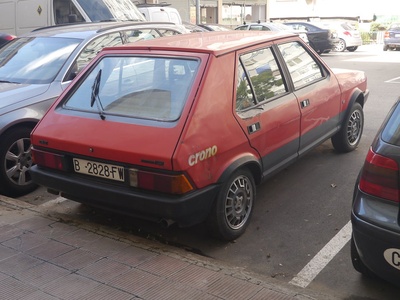
SEAT Ronda
The first car sold by SEAT as an independent company, the Ronda was a restyled Ritmo. It was the subject of a famous court case with Fiat, which SEAT won by showing the president of Fiat a car with all changed parts painted yellow.
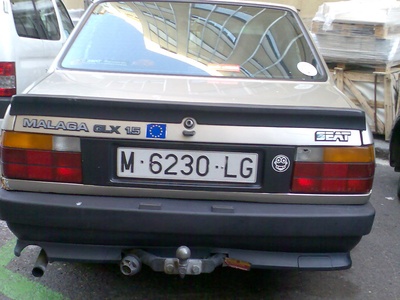
SEAT Málaga
A four-door sedan based on the Ronda/Ibiza platform, the Málaga was SEAT’s family car for the late 1980s. While practical and affordable, it struggled against more modern rivals and was replaced by the much more successful Toledo.
SEAT Marbella
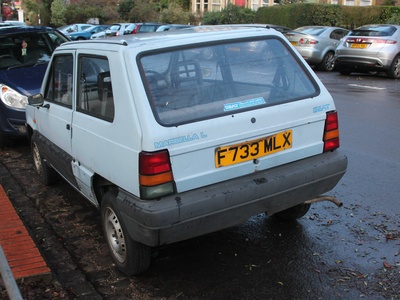
A lightly revised version of the SEAT Panda, the Marbella was born from the Fiat split. It was a basic, no-frills city car that sold for over a decade thanks to its incredible affordability and simplicity, long after its design was dated.
SEAT Terra
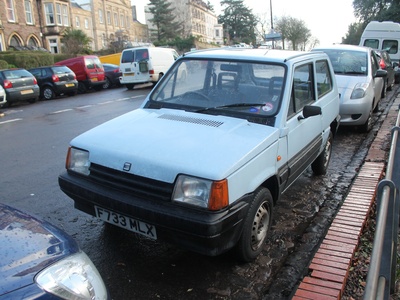
The commercial van version of the Marbella, the Terra was a compact and cheap workhorse. It featured a high roof and a boxy rear cargo area, making it a popular choice for small businesses and delivery services across Spain.
SEAT Toledo
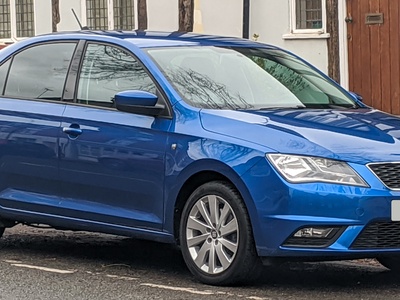
The first SEAT developed fully under Volkswagen Group ownership, the Toledo was a huge success. It spanned four generations, starting as a large liftback and ending as a rebadged Škoda Rapid before the nameplate was finally retired.
SEAT Córdoba
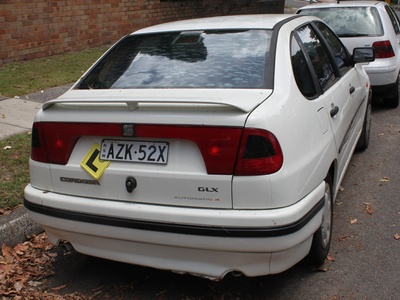
The sedan, coupe (SX), and estate (Vario) version of the popular Ibiza supermini. The Córdoba was highly successful and achieved significant fame through its works team’s dominance in the World Rally Championship in the late 1990s.
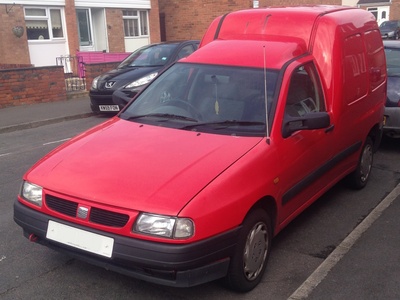
SEAT Inca
A panel van and MPV based on the Ibiza Mk2 platform, the Inca was SEAT’s version of the Volkswagen Caddy. It was a practical and robust utility vehicle, popular with tradespeople and small businesses before being phased out.
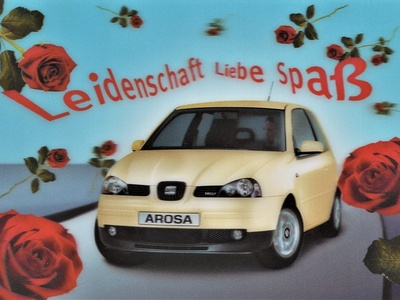
SEAT Arosa
SEAT’s entry into the modern city car segment, the Arosa was a sibling to the Volkswagen Lupo. It was praised for its build quality and economical engines, including an ultra-frugal 3L diesel version, but was eventually replaced by the Mii.
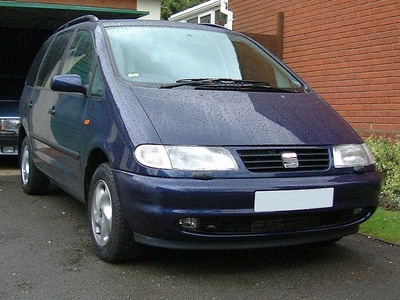
SEAT Alhambra
A large, seven-seater MPV co-developed with Volkswagen (Sharan). The Alhambra was a highly practical family hauler for two decades but was ultimately discontinued due to the overwhelming market shift from MPVs to SUVs.
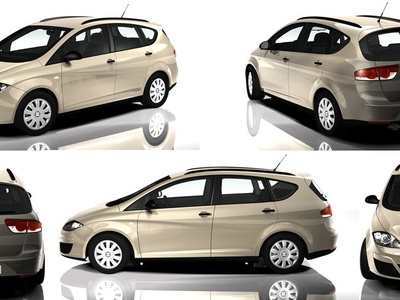
SEAT Altea
A compact MPV with a sporty twist, the Altea was designed by Walter de Silva and heralded SEAT’s new dynamic design language. It offered a more engaging driving experience than typical MPVs but was discontinued as market demand shifted towards SUVs.
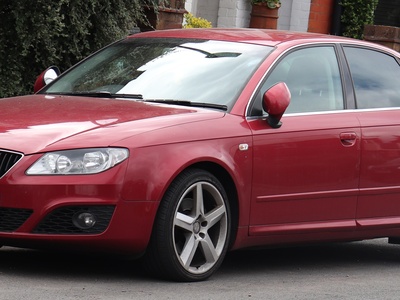
SEAT Exeo
A clever stopgap, the Exeo was essentially a re-badged Audi A4 (B7), with the entire production line moved from Germany to Spain. It offered premium quality at a lower price but had a short life as it was based on an older platform.
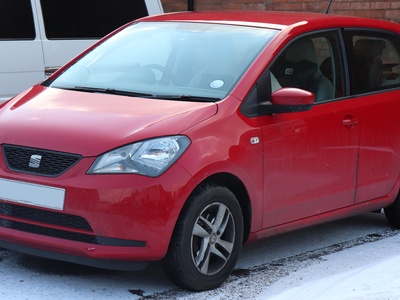
SEAT Mii
Part of the Volkswagen Group’s city car trio alongside the VW Up! and Škoda Citigo. The Mii was initially petrol-powered before becoming electric-only in its final years. Production ceased as SEAT shifted focus to larger, more profitable models.

Marco Delantero
More from Marco DelanteroHow we reviewed this article
This article was researched against manufacturer records and editorially reviewed before publishing. We accept no payment for coverage. Some guides contain affiliate links; see our affiliate disclosure.