The 1960s were a turning point for compact cars, as manufacturers explored layouts that balanced cargo space with city-friendly footprints. Designers across Europe, Japan and North America started fitting practical rear doors to small platforms, seeding ideas that still shape affordable cars today.
There are 23 1960s Hatchbacks, ranging from the Austin A40 Farina Mk II to the Volkswagen Type 3 Squareback. For each entry you’ll find below Manufacturer,Production years (1960s),Country so you can quickly compare where and when each model was made and how they relate to one another — you’ll find that information below.
How did hatchback design change during the 1960s?
The decade moved hatchbacks from niche experiments to mainstream solutions by combining a rear liftgate with fold-flat seating and more efficient packaging; early examples borrowed from station wagons and fastbacks, but manufacturers refined hinges, glass areas and cargo access for everyday use, resulting in lighter, simpler cars suited to urban life.
Which 1960s hatchbacks are easiest to maintain today?
Look for models with simple, widely used mechanicals and good parts networks — air-cooled VWs and common British or Japanese models often have active clubs and aftermarket support; prioritize rust-free examples and vehicles with documented service history, since sheetmetal and availability of replacement panels are the biggest long-term maintenance factors.
1960s Hatchbacks
| Model | Manufacturer | Production years (1960s) | Country |
|---|---|---|---|
| Renault 4 | Renault | 1961–1969 | France |
| Austin A40 Farina Mk II | Austin (part of BMC) | 1961–1967 | United Kingdom |
| Hillman Imp | Hillman (Rootes Group) | 1963–1969 | United Kingdom |
| Renault 16 | Renault | 1965–1969 | France |
| MGB GT | MG (part of BMC) | 1965–1969 | United Kingdom |
| Jensen Interceptor | Jensen Motors | 1966–1969 | United Kingdom |
| Simca 1100 | Simca | 1967–1969 | France |
| Citroën Dyane | Citroën | 1967–1969 | France |
| Reliant Scimitar GTE | Reliant | 1968–1969 | United Kingdom |
| Autobianchi A112 | Autobianchi (part of Fiat) | 1969 | Italy |
| Ford Escort Mk1 Estate | Ford UK | 1968–1969 | United Kingdom |
| Citroën Ami 6/8 Break | Citroën | 1961–1969 | France |
| Saab 95 | Saab | 1960–1969 | Sweden |
| Volkswagen Type 3 Squareback | Volkswagen | 1961–1969 | West Germany |
| Autobianchi Primula | Autobianchi (part of Fiat) | 1966–1969 | Italy |
| Glas 1304 CL / 1704 CL | Glas | 1966–1968 | West Germany |
| Vauxhall Viva HB Estate | Vauxhall | 1967–1969 | United Kingdom |
| Triumph Herald Estate | Triumph Motor Company | 1961–1969 | United Kingdom |
| Honda N600 Scamp | Honda | 1967–1969 | Japan |
| Mazda Familia Estate | Mazda | 1964–1968 | Japan |
| Marcos GT | Marcos | 1969 | United Kingdom |
| Bond 875 | Bond Cars Ltd | 1966–1969 | United Kingdom |
| Reliant Rebel Estate | Reliant | 1964–1969 | United Kingdom |
Images and Descriptions
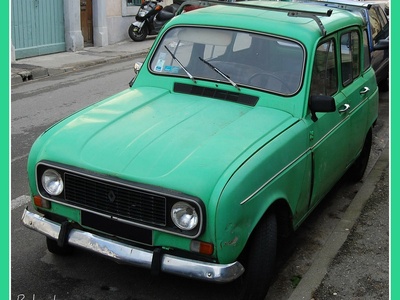
Renault 4
Often considered the first mass-produced hatchback, this utilitarian car featured a large, top-hinged rear door for incredible practicality. Its simple engineering and versatility made it a global success. Examples are common at European classic car shows.
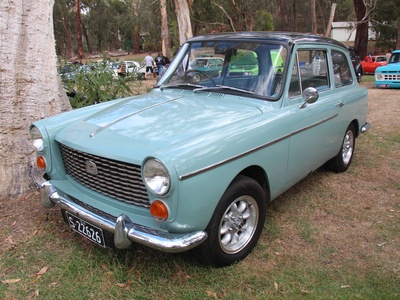
Austin A40 Farina Mk II
A “proto-hatchback” whose Countryman version had a split two-piece tailgate. This design offered much-improved cargo access over the sedan, previewing the hatchback revolution. Well-kept examples are a rare but charming sight at British car meets.
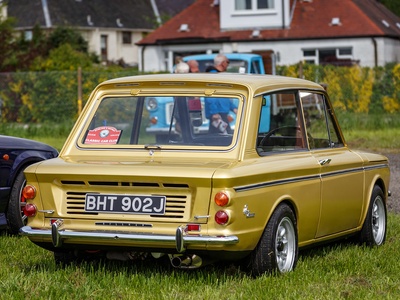
Hillman Imp
A clever rear-engined small car featuring an opening rear window that functioned as a hatch for the small luggage area above the engine. This innovative feature set it apart from rivals like the Mini. Enthusiast clubs keep many on the road today.
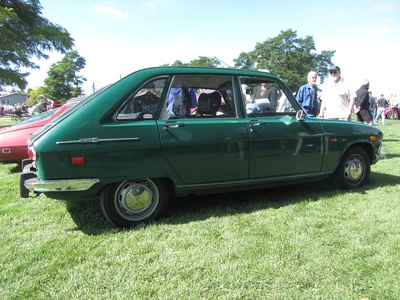
Renault 16
Widely regarded as the first modern family-sized hatchback, its innovative design combined sedan comfort with wagon-like utility. It won the 1966 European Car of the Year award. Survivors are highly prized for their historical significance and comfort.
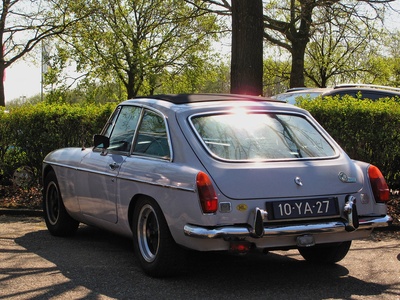
MGB GT
A beautiful coupe version of the famous MGB roadster, featuring a stylish and practical rear hatch designed by Pininfarina. It created the popular “hatchback coupe” segment. Thousands survive, making it an accessible and beloved classic sports car.
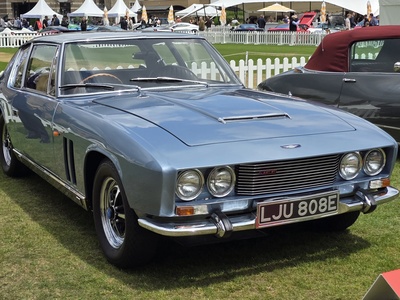
Jensen Interceptor
A luxurious British grand tourer famed for its massive, curved glass rear hatch. Combining Italian styling with American V8 power, its distinctive rear design was both stylish and practical. These are high-end classics found at premier auctions.
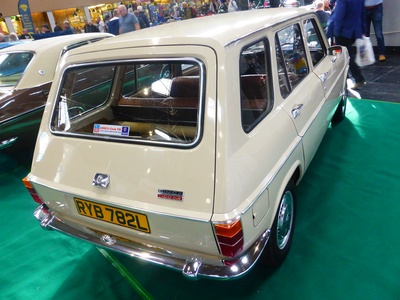
Simca 1100
A hugely influential front-wheel drive hatchback that set the template for the modern supermini. Its transverse engine and versatile body were years ahead of their time, directly inspiring the VW Golf. They are now very rare, especially outside of France.
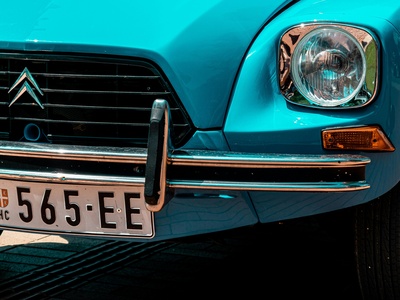
Citroën Dyane
Developed to compete with the Renault 4, the Dyane was a slightly more modern take on the 2CV platform, complete with a large, practical rear hatch. Its quirky charm and utility earned it a loyal following. Examples are often seen alongside 2CVs.
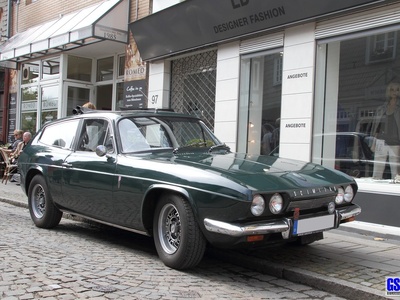
Reliant Scimitar GTE
This “Grand Touring Estate” pioneered the sporty shooting-brake concept, blending sports car performance with a practical hatchback rear. Princess Anne famously owned one. The GTE is a distinctive classic with a dedicated enthusiast following.
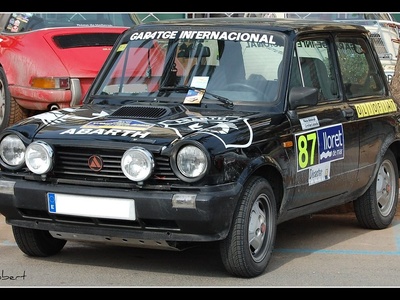
Autobianchi A112
Launched in late 1969, this chic Italian supermini was a direct forerunner to the Fiat 127. It offered a peppy front-wheel-drive layout in a compact, three-door hatchback body. Abarth versions are highly sought-after, but early models are rare.
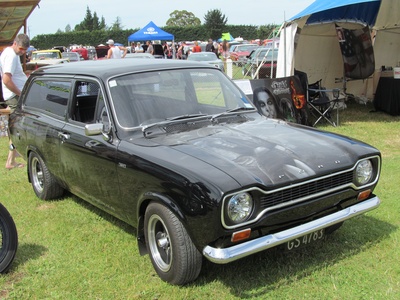
Ford Escort Mk1 Estate
While the sedans were more common, the estate version of the legendary Escort featured a simple, top-hinged tailgate. It provided a practical, conventional, and popular small family car. Many have been modified, but original examples are prized.
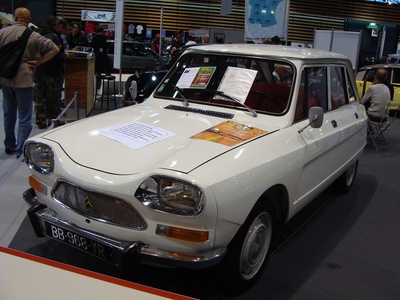
Citroën Ami 6/8 Break
The “Break” (estate) versions of the quirky Ami had a practical, full-height rear hatchback. They offered enormous cargo space for their size, turning the unusual sedan into a highly functional workhorse. They are a rare but fascinating find today.
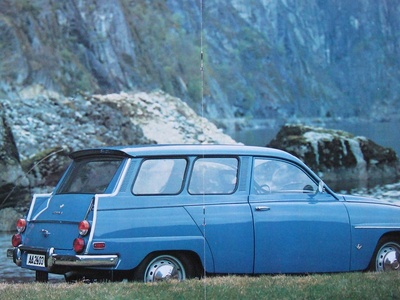
Saab 95
A small station wagon based on the Saab 96 sedan, the 95 featured a top-hinged rear door and a clever folding third-row seat. Its unique teardrop shape and two-stroke (later V4) engine make it a standout classic wagon.
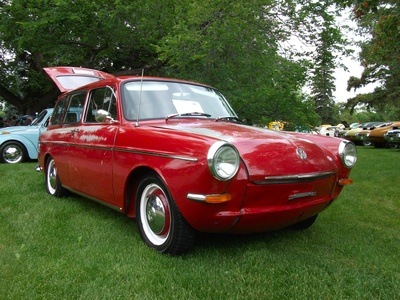
Volkswagen Type 3 Squareback
The station wagon variant of the VW Type 3, known as the Squareback, featured a top-hinged rear hatch above its air-cooled engine. It offered more luggage space and practicality than the Beetle. Many survive thanks to their robust VW engineering.
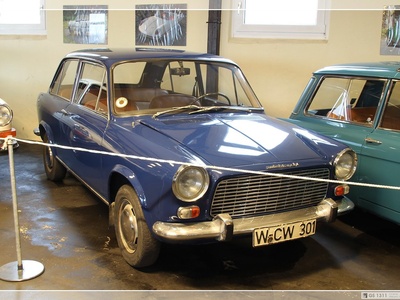
Autobianchi Primula
A groundbreaking car that pioneered the transverse FWD layout later used in the Fiat 128. While not all Primulas were hatches, 3 and 5-door hatchback bodies were introduced from 1966, making it a key part of hatchback history.

Glas 1304 CL / 1704 CL
Known as the “Combi-Limousine,” this was one of Germany’s first attempts at a hatchback. Designed by Frua, it was a stylish but commercially unsuccessful vehicle from a company later bought by BMW. A very rare and significant model for collectors.
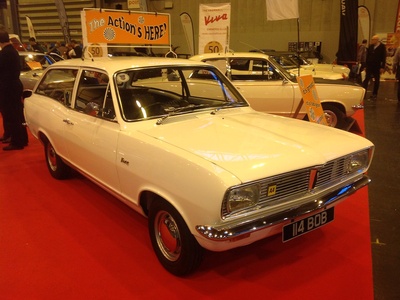
Vauxhall Viva HB Estate
The estate version of the popular “coke-bottle” styled Viva HB featured a simple, practical top-hinged tailgate. It was a mainstream British family car that offered good value and utility. Finding a solid, rust-free example today is a challenge.
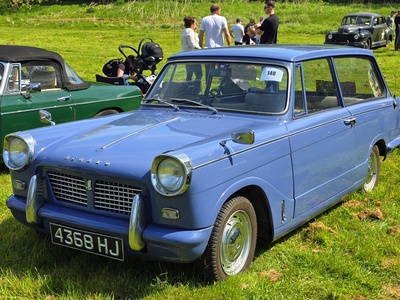
Triumph Herald Estate
Based on the unique, body-on-frame Herald sedan, the estate version added a practical, top-hinged rear door. Its incredible turning circle and Italian styling made it a distinctive small wagon. Enthusiast clubs ensure many are still on the road.
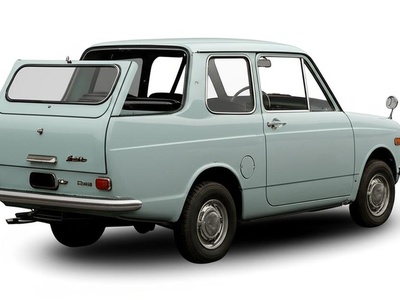
Honda N600 Scamp
The wagon or “Scamp” version of Honda’s tiny N-series city car used a top-hinged rear door, making it a micro-hatchback. It was one of the first Honda cars officially imported into the US. These are rare but have a cult following.
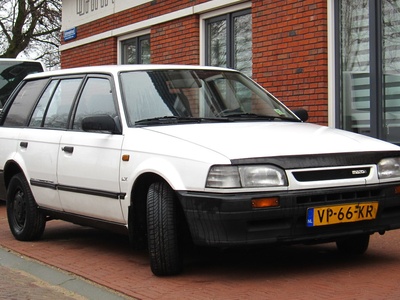
Mazda Familia Estate
The first-generation Familia (also known as the 800/1000) was available as a practical estate with a top-hinged rear tailgate. It was a well-built small car that helped establish Mazda’s reputation for quality. Very few of this generation survive.
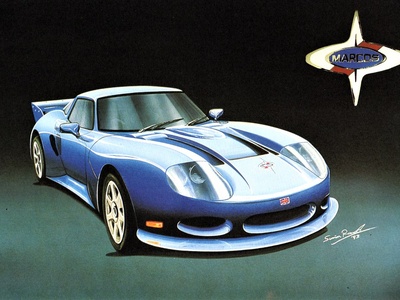
Marcos GT
While early Marcos GTs were fastbacks, a rear hatchback door became an option in 1969 for the new 3-Litre models. This feature added much-needed practicality to the exotic, low-slung, wooden-chassis sports car. A very rare variant.
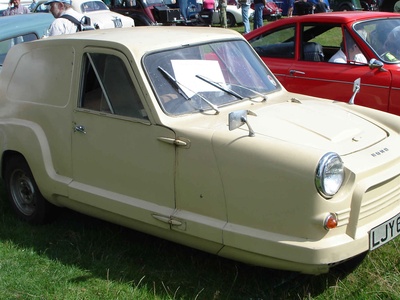
Bond 875
This quirky three-wheeler was based on Hillman Imp mechanicals, including its rear-engine layout and clever opening rear glass window. It offered economical, if eccentric, transport. A rare sight today, usually found at microcar enthusiast events.
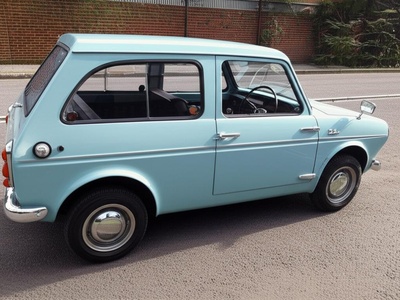
Reliant Rebel Estate
A small, four-wheeled economy car with a fiberglass body. The estate version featured a top-hinged rear door, making it a lightweight and rust-proof hatchback. Its thrifty Austin-derived engine made it very economical. A rare survivor.

Marco Delantero
More from Marco DelanteroHow we reviewed this article
This article was researched against manufacturer records and editorially reviewed before publishing. We accept no payment for coverage.