
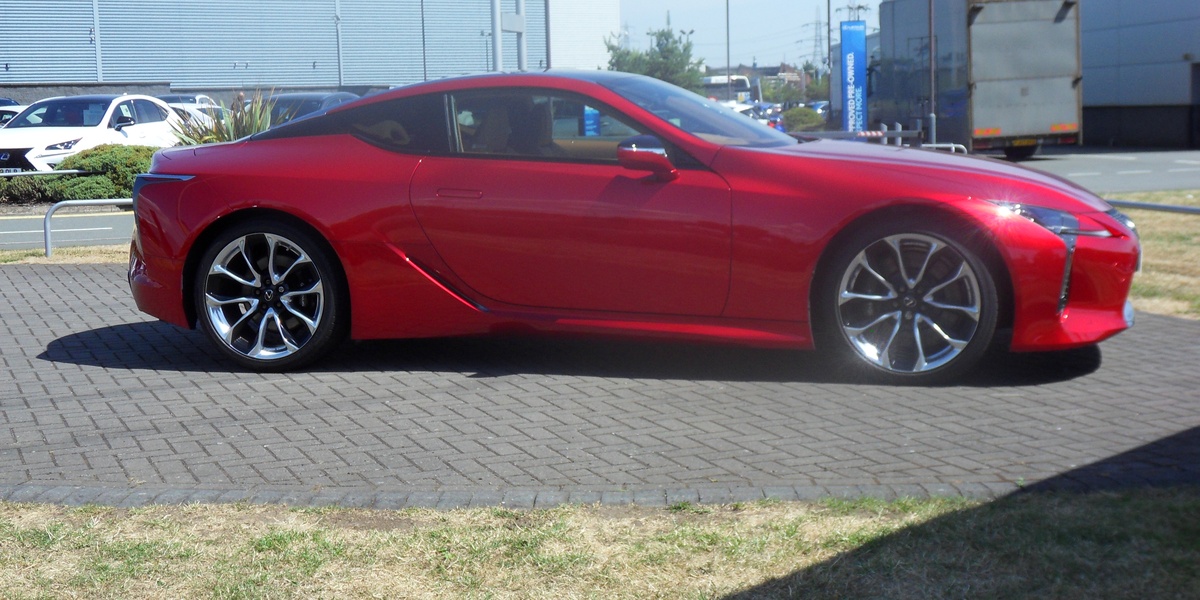
When Ford launched the Mustang in 1964 it crystallized the modern idea of the sporty two-door coupe as a cultural icon. That 1964 debut helped fix the image of the two-door layout — a lower roof, longer hood and a focus on style — in buyers’ minds for decades to come. For commuters, enthusiasts and weekend drivers the choice between a compact hatchback and a coupe still comes down to priorities: utility versus personality.
This piece looks at seven clear advantages a coupe can offer over a hatchback for buyers who value style, driving engagement and ownership cachet. We’ll group those benefits into three buckets: Design & Driver Experience; Performance & Engineering; and Ownership, Value & Lifestyle. Expect concrete examples (BMW, Porsche, Mazda) and a few numbers that help make the differences tangible.
Quick note on phrasing: the title includes the exact search term “coupe vs hatchback,” and the text uses related terms like two-door sports cars and driver-focused coupes where that reads better.
Design & Driver Experience
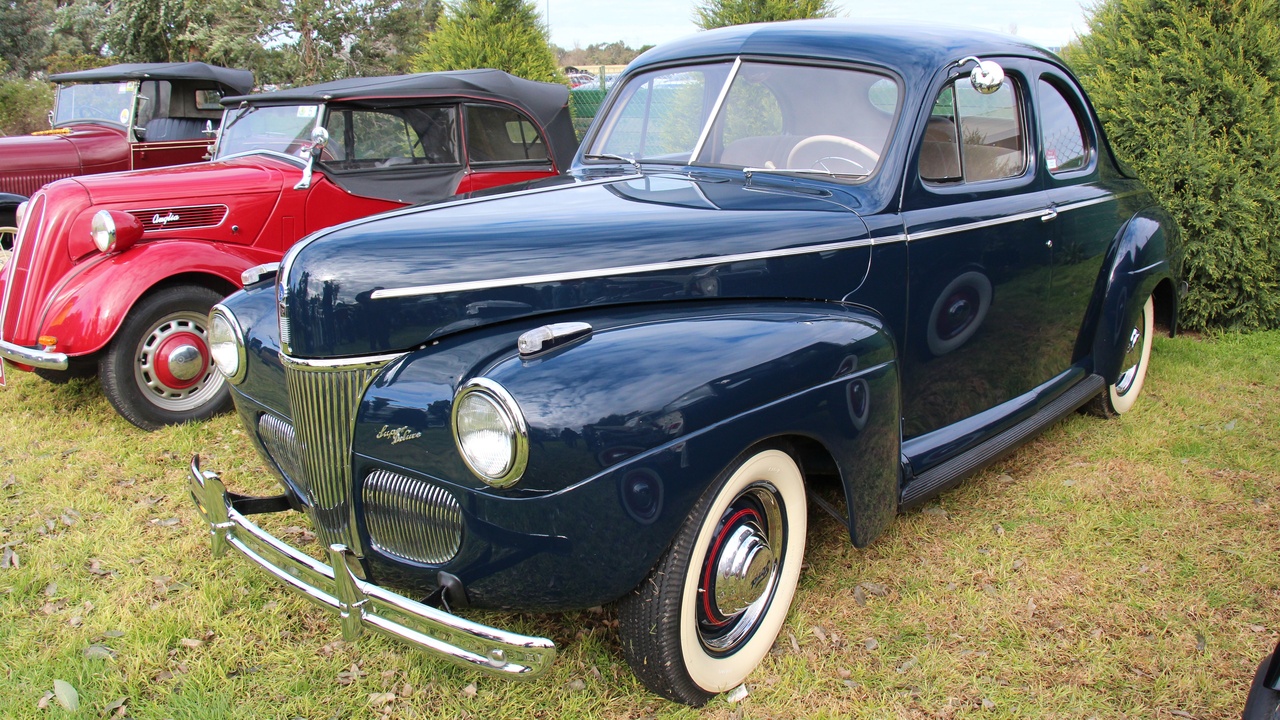
Coupes punch above hatchbacks on looks and cockpit intent. These advantages are partly subjective, but they show up in measurable ways: typical coupes have 2 doors versus hatchbacks’ 3 or 5-door layouts, and manufacturers routinely position coupe trims as more design-forward and sometimes priced at a premium. That premium often falls in the 5–20% range depending on brand and options.
Buyers notice sharper proportions. A lower roofline and tighter greenhouse change curb appeal and often translate into stronger urban desirability and better resale for visually distinctive models. The 1964 Mustang started that expectation — and modern coupes like the Toyota GR86 keep it alive.
1. Sportier styling and standout looks
Coupes are designed with a sport-first silhouette: lower roof, longer hood and a narrower rear greenhouse. Those proportions create a visual language associated with performance and desirability.
Manufacturers price coupe trims accordingly; examples range from modest premiums to significant uplifts depending on materials and branding. That price gap — again, commonly 5–20% — reflects buyer willingness to pay for look and presence. Compare a Mercedes‑Benz C‑Class Coupe with the more utilitarian A‑Class hatch for how level of finish and stance shift between body styles.
In dense urban markets a sharper profile often helps a car stand out on the curb, which can help resale desirability. Small modern coupes like the Toyota GR86 show how compact dimensions and clean lines yield outsized curb appeal.
2. Driver-focused cockpit and ergonomics
Many coupes are built around the idea of a driver-first experience. That shows up in cockpit orientation: controls often angle toward the driver, seating positions sit lower and sightlines favor the road ahead rather than rear-seat passengers.
Manufacturers commonly offer sport seats, shorter shifters and sport-tuned steering on coupe trims — either as standard or as part of performance packages. Look at the BMW M240i interior or the Porsche 718 Cayman cockpit and you’ll see layout choices that prioritize engagement over rear-seat accommodation.
For daily commuting this can mean reduced fatigue and a more enjoyable drive. And when you want to push a car on a weekend road it feels more intuitive to make inputs and feel the chassis respond.
3. Perceived luxury and exclusivity
Coupes frequently sit at higher trim levels or are offered as limited runs, which creates a perception of exclusivity. Two-door variants often sell at lower volumes, so special-edition coupes feel rarer than common hatchbacks.
Brands reserve premium materials and unique finishes for coupe trims more often than for mainstream hatchbacks. The Audi TT special editions are an example: lower production numbers and distinct styling cues increase desirability among collectors.
On the registration side, coupes tend to make up a small single-digit percentage of new-car registrations in many markets, which helps maintain that exclusive aura for buyers seeking a lifestyle purchase rather than pure utility.
Performance & Engineering
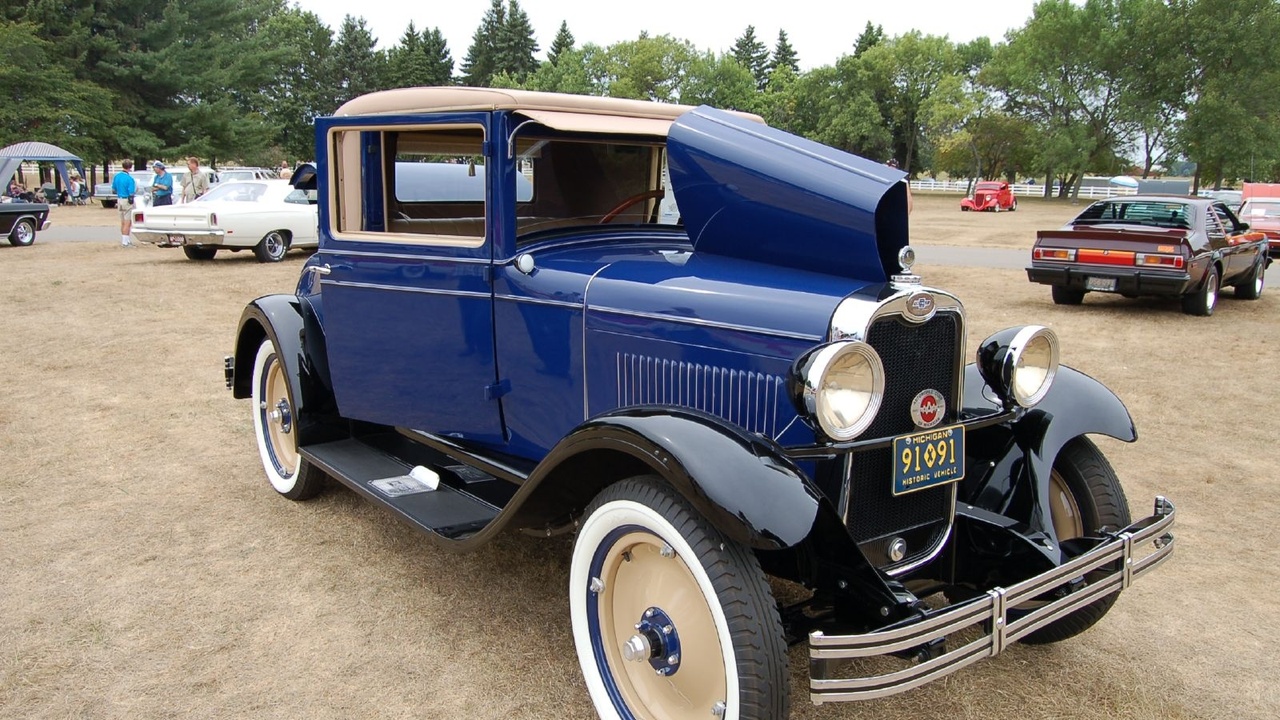
This category covers measurable dynamic advantages: center of gravity, aerodynamics and factory tuning. Two-door performance cars are often engineered with handling and high-speed behavior in mind, and that focus shows up in lap times, weight targets and option availability.
Expect numbers where they matter. Lightweight models like the Mazda MX‑5 (commonly referenced for its sub-1,000 kg philosophy in some generations) highlight how mass reduction helps agility. And tuned coupes from established performance divisions usually gain chassis hardware that hatchbacks don’t always receive.
4. Better handling thanks to lower roof and chassis tuning
The lower roofline and shorter overall height of many coupes help lower the center of gravity, which improves cornering stability and reduces body roll. That geometry paired with dedicated chassis tuning yields real gains on a road course.
Independent tests and track comparisons often show coupes beating comparable hatchbacks by clear margins — a reasonable range to expect is about 0.5–2.0 seconds faster on a typical test lap depending on class and tires. Porsche coupes, led by the 911, have long set benchmarks for this behavior, while the Mazda MX‑5 proves how lightness amplifies driver feel.
On public roads that translates to more confidence in evasive maneuvers and composed responses when driving spiritedly. In short: the chassis is designed to be pushed, and it rewards precise inputs.
5. Improved aerodynamics at higher speeds
Sleeker coupe profiles usually produce lower drag coefficients (Cd) than boxier hatchbacks, which helps at sustained highway speeds. Many modern coupes achieve Cd values roughly in the 0.27–0.34 range, while hatchbacks more often sit higher depending on their shape.
Lower drag feeds two benefits: slightly better highway fuel efficiency and more stable high-speed behavior with less buffeting and wind noise. When you’re cruising at 120 km/h for long stretches the aero advantage becomes tangible in comfort and mpg.
If comparing models within the same family, check published Cd figures or highway mpg ratings — coupe variants will often edge out hatchbacks at speed due to smoother rear profiles and tailored spoilers.
6. Performance parts and upgrade potential
Manufacturers and aftermarket suppliers usually prioritize coupe platforms for performance variants and upgrades. That means earlier access to sport brakes, adaptive suspensions and limited-slip differentials on coupe lines.
Look at BMW’s M4 or Mercedes‑AMG C63 coupe: these models often offer power increases in the +50–150 hp range over base trims and come with bespoke chassis hardware. Aftermarket support for popular coupes is also deep, giving tuners and track-day owners a broad parts ecosystem.
If you plan to modify, track or simply spec a car for sharper handling, coupes usually give you more factory and aftermarket options out of the gate.
Ownership, Value & Lifestyle
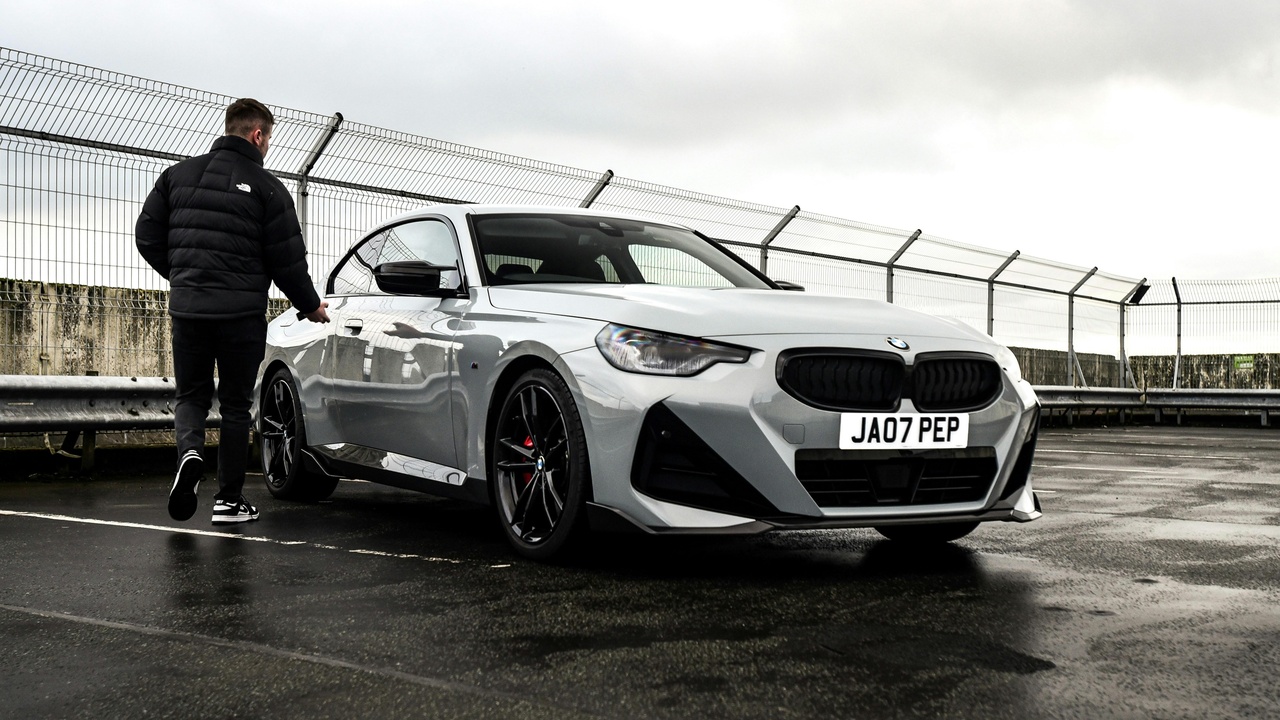
Here the trade-offs are clearest. Hatchbacks win on day-to-day practicality — cargo space, rear-seat utility and often lower starting prices. Still, coupes can deliver owner-specific value: cachet, potential collectibility and an ownership experience tuned to lifestyle rather than maximum utility.
Think in numbers for a moment. Typical coupe trunks range roughly from 200–450 liters, while hatchbacks often span 350–1,200 liters depending on folding seats and segment. That gap explains why a hatchback is better for grocery runs and DIY trips, while a coupe is better as a weekend toy.
Insurance and running costs vary. Performance-focused coupes can cost more to insure, but that difference depends on engine, safety gear and driver history — it isn’t an automatic penalty for every coupe buyer.
7. Resale value, collectibility, and lifestyle fit
Certain coupes retain or even increase value when they occupy a clear niche: limited editions, high-performance variants or uniquely styled grand tourers. Low production runs amplify desirability; collectors chase numbers and stories as much as spec sheets.
Recent examples include limited-run European coupes where production was capped at around 2,000 units; those models often show stronger resale curves versus common hatchbacks. Emotional return matters: as a second car or a weekend machine, a coupe can deliver satisfaction that a practical hatchback doesn’t.
For prospective buyers: weigh lifestyle value alongside cargo specs and trim pricing. If collectibility or presence matters, a coupe can be a smart choice despite lower utility.
Summary
- Design and driver engagement: coupes prioritize a sportier silhouette and cockpit feel, often commanding a 5–20% premium.
- Engineering gains: lower center of gravity, aero benefits (Cd often ~0.27–0.34) and chassis tuning can yield 0.5–2.0 second lap-time advantages.
- Lifestyle and value: limited runs and coupe-only trims can enhance exclusivity and resale, while cargo trade-offs remain real (coupe trunks ~200–450 L vs hatchbacks ~350–1,200 L).
- Practical step: test-drive a coupe and a hatchback back-to-back, compare cargo volumes and trim pricing, and pick the body style that matches how you plan to use the car.
Other Car Type Comparisons

Marco Delantero
More from Marco DelanteroHow we reviewed this article
This article was researched against manufacturer records and editorially reviewed before publishing. We accept no payment for coverage.