
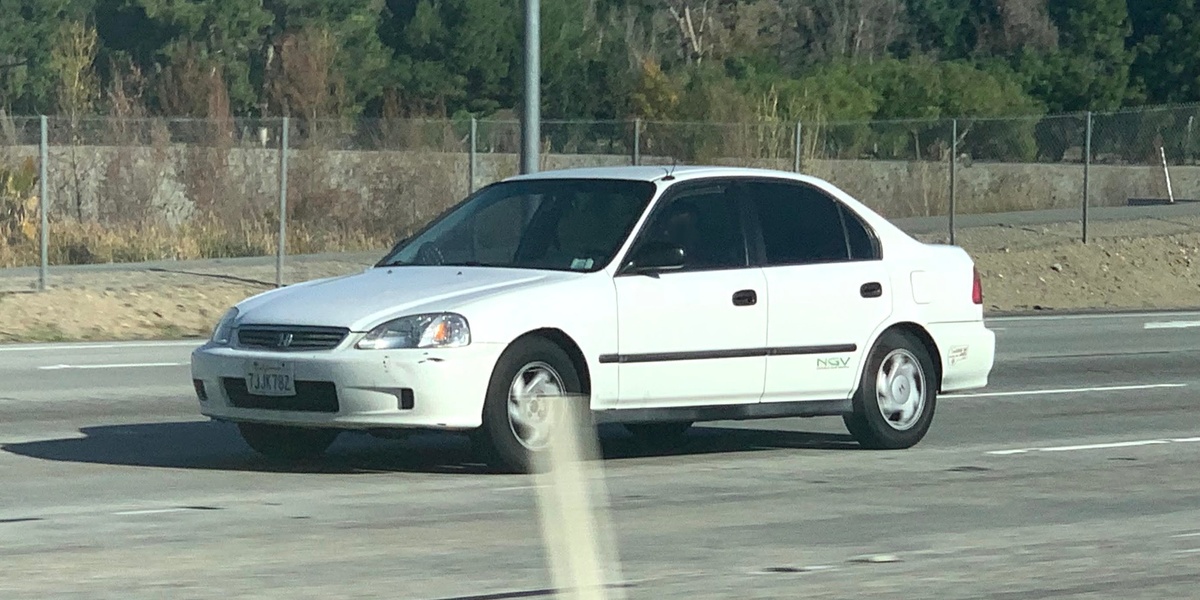
Many Honda models routinely surpass 200,000 miles in private ownership, a durability mark few mass-market brands consistently hit.
That kind of longevity matters because it lowers total cost of ownership, preserves safety through predictable upkeep, and keeps resale values healthy. If you’re shopping for the most reliable honda cars, this guide ranks the top 10 models owners keep longest, repair least, and resell best — and tells you which years and trims to favor or avoid.
Each entry below draws on decades of owner reports, reliability surveys (Consumer Reports, J.D. Power), and common longevity milestones — think 150k–300k+ miles — and includes what makes the model durable, specific model-year notes, practical ownership tips, and real-world examples. There are 10 models listed, grouped by category to help you pick the right Honda for commuting, family hauling, or weekend work.
Compact & Subcompact Hondas
Compact Hondas often top durability lists because they pair simple, proven powertrains with wide parts availability and a large owner community that shares fixes and maintenance tips. Repair frequency tends to be low, routine parts are inexpensive, and many examples hit high odometer milestones with basic upkeep.
Consumer Reports and owner forums regularly flag Civics and Fits for long service lives, and those reliability ratings translate into low ownership costs for commuters who rack up miles. Below are three compact choices to consider.
1. Honda Civic
The Civic is the archetypal reliable compact — a long production run with engines and transmissions that have been refined generation after generation.
Many owners report Civics exceeding 200,000 miles with routine oil changes and scheduled services, and multiple generations earn solid J.D. Power and Consumer Reports scores. The Civic’s parts are common and affordable, which keeps repair bills down and makes it a favorite in the used-car market.
Prefer: 2006–2011 Civics for proven simplicity, and 2012–2015 models for low repair frequency. Avoid: early post-redesign years when new features first appear, unless you can verify a clean maintenance history. Check timing-belt or chain records depending on engine type and confirm regular coolant and oil service.
2. Honda Fit
The Fit pairs Honda build quality with clever packaging, and that combination yields a surprisingly durable small car.
Its simple drivetrain and robust transmissions mean many Fits keep rolling past 200,000–250,000 miles when owners do basic maintenance. The interior versatility (Magic Seat) ages well, and repairs tend to be inexpensive.
Prefer: first- and second-generation Fits (2007–2014) for the fewest complaints. Typical service items are routine — struts, brakes, and occasional sensors — and owner forums include multiple examples of Fits reaching 250,000+ miles on modest budgets.
3. Honda Insight
The Insight brings Honda’s hybrid experience to buyers who want low fuel costs without sacrificing long-term dependability.
Certain Insight model years use proven hybrid systems with relatively few high-cost failures, and real-world fuel-economy gains make them ideal for long commutes. Hybrid components in later redesigns tend to be more refined, and battery-related issues are less common than many buyers fear.
Prefer: 2019+ Insight for the modern hybrid package; when buying used, ask for battery-service records and the hybrid-system history. Expect excellent mpg in daily driving, and budget for standard hybrid-system checks rather than surprise repairs.
Midsize Sedans & Family Vans
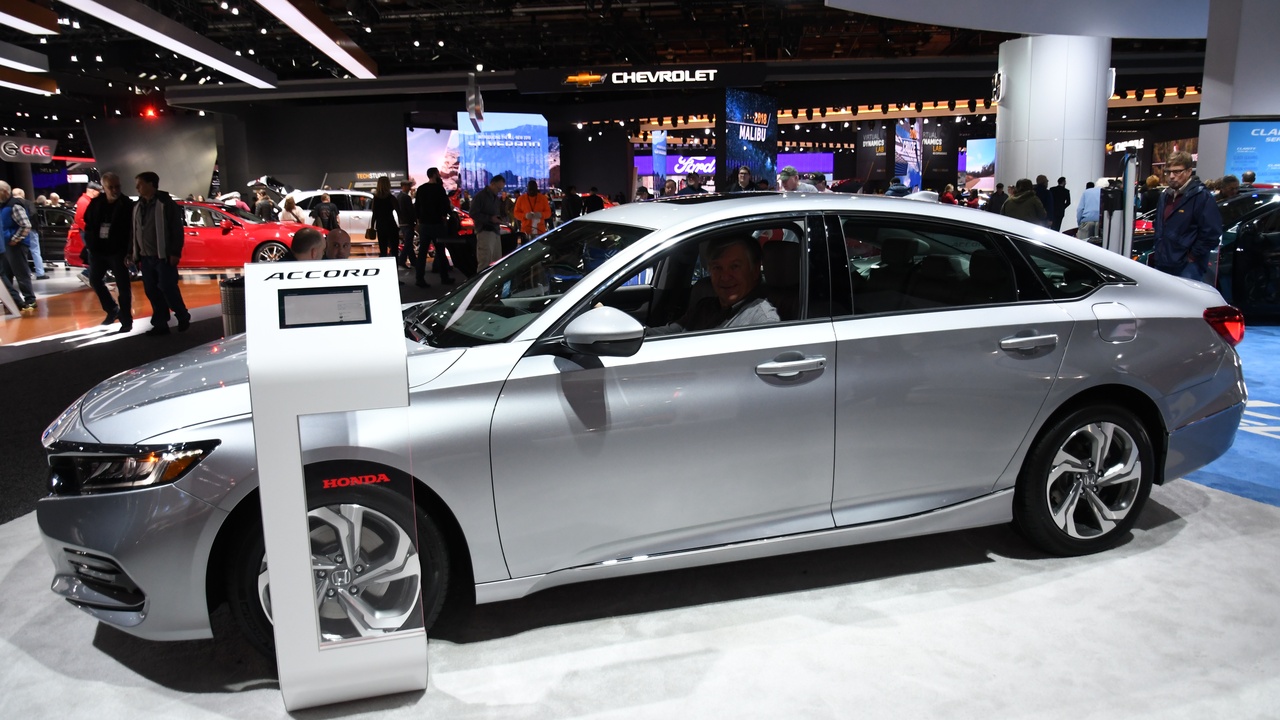
Larger Hondas emphasize durable chassis engineering and conservative mechanical choices, which is why midsize sedans and minivans do well in long-term ownership studies. These vehicles often carry families for years and show strength in crash tests and longevity metrics.
They also hold value among used-family shoppers, particularly when buyers pick model years with fewer known issues. Below are two family-focused Hondas that routinely top reliability lists.
4. Honda Accord
The Accord balances comfort with dependable hardware, which has made it a mainstay for families and commuters alike.
Accords commonly reach 250,000 miles with routine maintenance, and several late-2000s to mid-2010s generations earn repeat reliability nods from Consumer Reports. The engines are conservative, and replacements or repairs are straightforward compared with more complex rivals.
Prefer: 2008–2012 Accords for proven longevity and 2013–2017 models for solid mid-decade reliability. Avoid buying a recently redesigned Accord without verifying early-service records. Confirm regular timing-belt (where applicable) and transmission service when inspecting a used unit.
5. Honda Odyssey
The Odyssey is a true family workhorse — roomy, comfortable, and built to handle high-mileage parenting duties.
Fleets and large families often keep Odysseys for many years, and certain model ranges show fewer transmission or engine complaints than competitors. Regular transmission service on older models helps avoid costly repairs and preserves resale value.
Prefer: 2011–2017 Odysseys for dependable performance. When buying used, inspect transmission service records, check sliding-door mechanisms, and verify routine maintenance stamps to reduce ownership risk on high-mileage examples.
SUVs and Crossovers
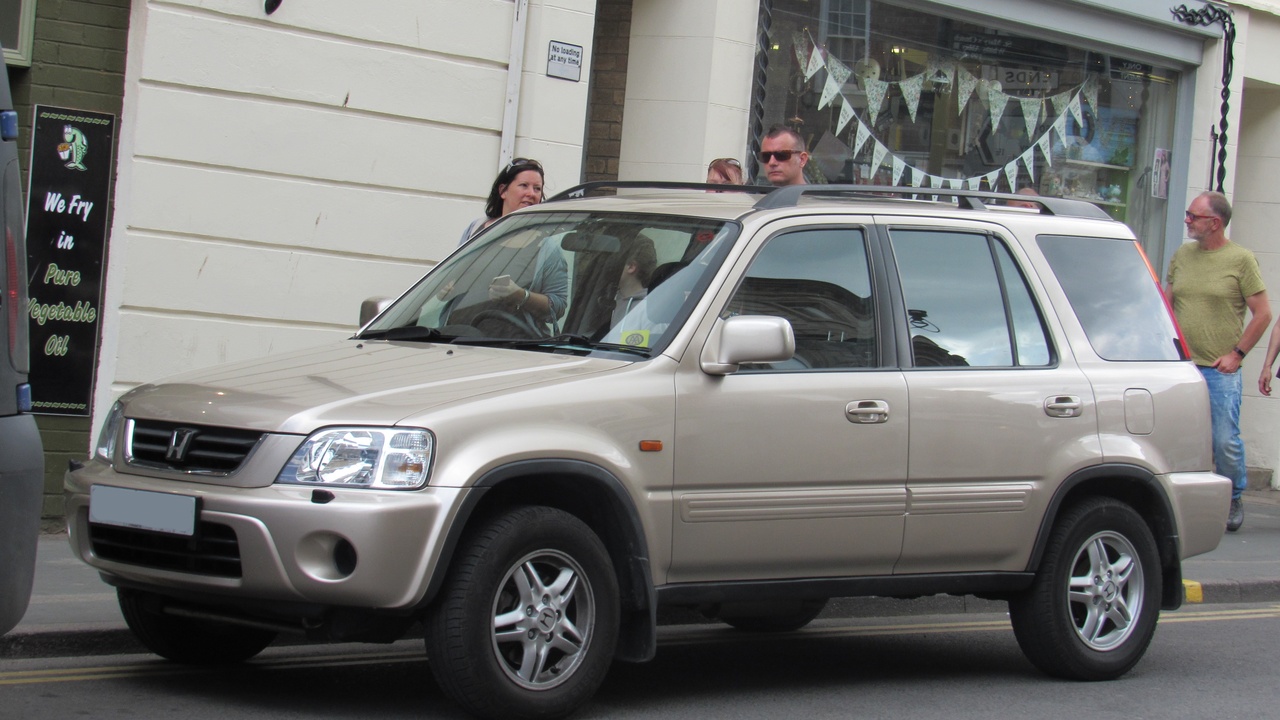
Honda’s SUVs and crossovers favor straightforward engineering and durable drivetrains, which explains why models like the CR-V and Pilot are common in family garages and rental fleets. They offer roomy interiors and practical capability without unnecessary complexity.
Used-SUV buyers should focus on model years with stable powertrains and, when relevant, watch for turbo or new-technology years that change maintenance profiles. Here are three SUV choices that tend to hold up well.
6. Honda CR-V
The CR-V is one of Honda’s best-selling crossovers and it’s earned a reputation for reliability across multiple generations.
High used-market demand and owner reports of 150k–300k miles reflect a conservative approach to engineering. Early- and mid-2010s CR-Vs are especially praised for their straightforward maintenance needs and broad parts availability.
Prefer: 2012–2016 CR-Vs for conservative, well-understood engineering. For 2017 and newer models, check records if the vehicle has a turbocharged engine, since those variants have different service profiles and sometimes higher repair costs.
7. Honda Pilot
The Pilot gives families a dependable three-row SUV with powertrains and components shared across Honda’s lineup, which helps long-term serviceability.
Owner reports often note stable longevity for favored years, and the Pilot performs well for long road trips, school runs, and light towing. Typical used-car checks — timing-chain condition and infotainment function — help avoid surprises.
Prefer: 2009–2015 Pilots for simplicity and durability. Newer 2016+ Pilots add tech and comfort; verify electronics and check for any infotainment recalls when evaluating later-model examples.
8. Honda HR-V
The HR-V brings Honda’s reliability to the subcompact crossover class with modest maintenance needs and easy-to-service components.
Its simple drivetrains and efficient packaging make it a smart choice for urban drivers who still need cargo flexibility. Owner satisfaction tends to be high because the HR-V avoids the complexity found in some rivals.
Prefer: 2016 and newer HR-Vs (the model’s broader-market introduction). Expect low annual repair costs, and budget for routine wear items like brakes and suspension bushings on higher-mileage units.
Trucks and Utility Models
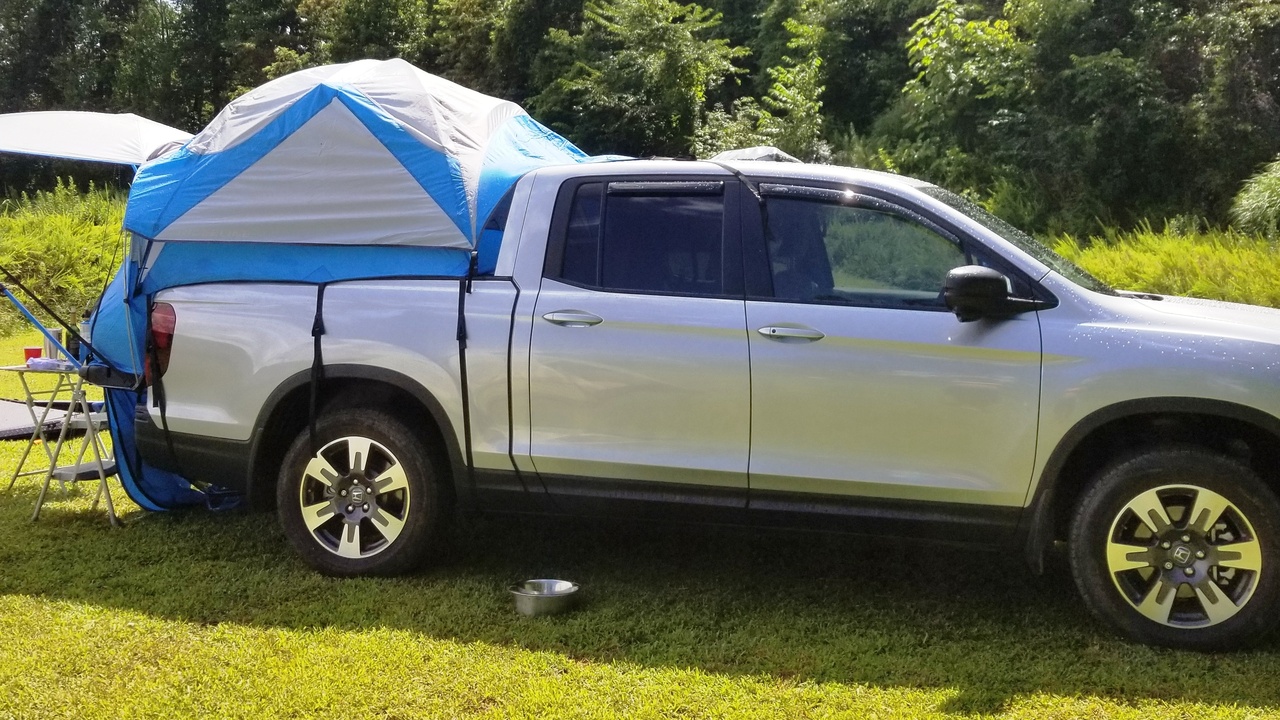
Honda’s truck and utility offerings focus on practical engineering rather than complexity, which helps them remain dependable over the long term. The Ridgeline’s unibody design and the Passport’s shared Honda components favor lower maintenance and fewer corrosion headaches.
These models suit owners who want utility without the higher long-term costs often associated with traditional body-on-frame trucks. Below are two utility-focused Hondas to consider.
9. Honda Ridgeline
The Ridgeline is a comfortable, durable pickup that uses a unibody structure to deliver a carlike ride with practical bed features.
Owners cite lower-than-average rust concerns and a drivetrain that’s simpler to service than many body-on-frame competitors. First-generation (2006–2014) Ridgelines are noted for long-lived examples, while the 2017+ redesign improved tech and safety without compromising durability.
Prefer: 2006–2014 for proven high-mileage cases, and 2017+ if you want modern comforts — just verify electronics updates. Expect routine items like brakes and suspension wear on high-mileage trucks, and check for any previous bed-usage damage on pickup examples.
10. Honda Passport
The Passport reintroduces a rugged mid-size option with proven Honda parts under the skin, which tends to result in predictable long-term ownership.
Because it shares engines and components with other Hondas, the Passport benefits from broad parts supply and established service procedures. Owners using Passports for outdoor recreation often report long service lives when maintenance is up to date.
Prefer: 2019+ Passport models after Honda’s reintroduction. When buying used, inspect the AWD system and suspension for wear if the vehicle has seen off-road use, and confirm routine oil and filter changes.
Summary
- Many Honda models routinely reach 200,000 miles or more when owners keep up with routine service, which cuts total ownership cost and preserves resale value.
- Pick model years highlighted above (for example, 2006–2011 Civic, 2012–2016 CR-V, 2011–2017 Odyssey) and verify documented maintenance — oil changes and transmission or timing-belt/chain service matter more than cosmetic details.
- Compact Hondas (Civic, Fit) give the best low-cost, long-life ownership for high-mileage commuters; families often benefit most from Accord, Pilot, or Odyssey choices.
- When researching most reliable honda cars, consult owner forums and reliability reports, request service records, and get a pre-purchase inspection to confirm suspension, electronics, and any hybrid or turbo system history.
- A little preventive maintenance — documented oil changes, correct coolant and transmission service, and battery/hybrid checks where applicable — often prevents expensive repairs and keeps Hondas running for decades.

Marco Delantero
More from Marco DelanteroHow we reviewed this article
This article was researched against manufacturer records and editorially reviewed before publishing. We accept no payment for coverage.