In showrooms, garages and on racetracks worldwide, 1988 left a distinct mark on motorcycle culture — new sportbikes, refined touring machines and race-ready updates arrived alongside familiar classics. Riders and restorers still reference that year when comparing specs or hunting for era-correct parts.
There are 44 1988 Motorcycle Models, ranging from the 750 F1 to the ZX-10 Tomcat. Each entry is organized with Manufacturer,Engine (cc),1988 note so you can quickly scan make, displacement and a brief year-specific comment; you’ll find below.
What were the biggest technical trends among 1988 motorcycle models?
In 1988 you saw broader adoption of higher-displacement inline fours, improved suspension and braking components, and more focused sport-touring geometry; many models received engine or chassis tweaks rather than wholesale redesigns, so year notes often highlight modest but important updates.
How can I use this list to identify a bike or find parts?
Start by matching the Manufacturer and Engine (cc) columns, then check the 1988 note for model-specific changes; once identified, use that exact model name and displacement when searching parts catalogs, forums or service manuals to ensure compatibility.
1988 Motorcycle Models
| Model | Manufacturer | Engine (cc) | 1988 note |
|---|---|---|---|
| GL1500 Gold Wing | Honda | 1,520 | All-new six-cylinder model introduced. |
| VFR750R RC30 | Honda | 748 | All-new, limited production homologation special. |
| XRV650 Africa Twin | Honda | 647 | All-new model inspired by Paris-Dakar rally racers. |
| NSR250R MC18 | Honda | 249 | All-new generation of the two-stroke race replica. |
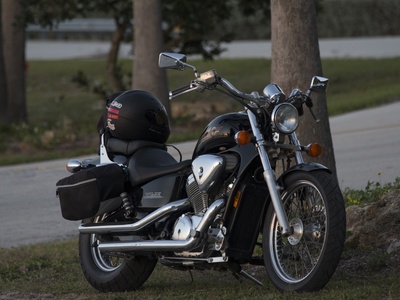
| VT600C Shadow | Honda | 583 | All-new ‘VLX’ model, a stylish and affordable cruiser. |
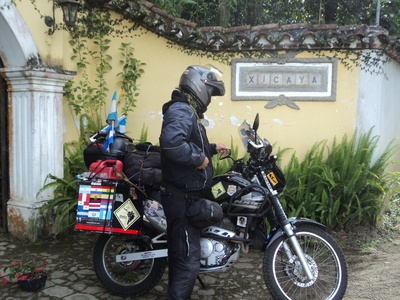
| NX650 Dominator | Honda | 644 | All-new electric-start, single-cylinder dual-sport. |
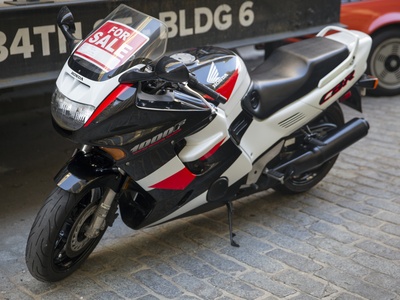
| CBR1000F Hurricane | Honda | 998 | Minor updates and new color schemes. |
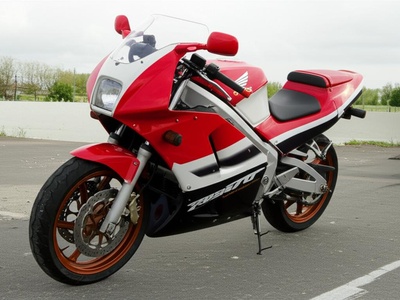
| VTR250 Interceptor | Honda | 249 | New V-twin sport bike for the US market. |
| ZX-10 Tomcat | Kawasaki | 997 | All-new flagship, world’s fastest production motorcycle. |
| KR-1 | Kawasaki | 249 | All-new, ultra-high-performance two-stroke twin. |
| KLR650 | Kawasaki | 651 | Carry-over model following its successful 1987 debut. |
| VN-15 Vulcan ’88 | Kawasaki | 1,471 | Updated model, now known as the Vulcan ’88 SE. |
| EX500 | Kawasaki | 498 | Continued production of this popular parallel-twin sport bike. |
| GPX750R | Kawasaki | 748 | Carry-over model with new graphics. |
| GSX-R750 | Suzuki | 749 | All-new ‘Slingshot’ model (GSX-R750J). |
| RGV250 | Suzuki | 249 | All-new V-twin two-stroke Grand Prix replica. |
| DR750S Big | Suzuki | 727 | All-new model with the world’s largest single-cylinder engine. |
| Katana 600 | Suzuki | 599 | All-new fully-faired sport tourer for the US market. |
| VS1400 Intruder | Suzuki | 1,360 | Carry-over model with new color options. |
| Savage | Suzuki | 652 | Continued production of this simple, single-cylinder cruiser. |
| FZR1000 Genesis | Yamaha | 989 | Major redesign with new Deltabox frame and more power. |
| XTZ750 Super Ténéré | Yamaha | 749 | All-new Dakar-inspired adventure touring motorcycle. |
| V-Max | Yamaha | 1,198 | Carry-over model, still a street-dominating muscle bike. |
| FZR400 | Yamaha | 399 | Updated with new graphics; EXUP model introduced in Japan. |
| TZR250 | Yamaha | 249 | Continued production of the 2MA parallel-twin model. |
| XV535 Virago | Yamaha | 535 | Carry-over model with new color options. |
| FXSTS Springer Softail | Harley-Davidson | 1,340 | All-new model reviving the classic springer front end. |
| XLH 1200 Sportster | Harley-Davidson | 1,200 | New model, bringing the larger Evolution engine to the Sportster. |
| FLHTC Electra Glide Classic | Harley-Davidson | 1,340 | 85th Anniversary Edition model offered. |
| FXR Super Glide | Harley-Davidson | 1,340 | Continued production, praised for its superior handling. |
| R100GS | BMW | 980 | All-new model introducing the Paralever rear suspension. |
| K100RS | BMW | 987 | First production motorcycle available with Anti-lock Brakes (ABS). |
| K75S | BMW | 740 | Carry-over model, sportiest version of the K75. |
| R100RT | BMW | 980 | Continued production of the classic boxer-twin tourer. |
| 851 Superbike | Ducati | 851 | All-new model, started Ducati’s modern superbike era. |
| 750 F1 | Ducati | 748 | Final year for this air-cooled, two-valve sportbike. |
| Paso 750 | Ducati | 748 | Continued production with minor refinements. |
| Le Mans 1000 | Moto Guzzi | 949 | Continued production of the legendary V-twin sportbike. |
| California III | Moto Guzzi | 949 | New generation of the classic Italian touring cruiser. |
| Cagiva Freccia C9 | Cagiva | 125 | All-new, 7-speed, high-performance 125cc sportbike. |
| Bimota YB6 | Bimota | 1,002 | Exclusive exotic with a Yamaha FZR1000 engine. |
| Aprilia AF1 125 Sintesi | Aprilia | 124 | New, highly advanced two-stroke race replica. |
| Norton Classic | Norton | 588 | New, limited production, air-cooled rotary-engined motorcycle. |
| Triumph Bonneville T140 | Triumph | 744 | Final year of production by the Les Harris co-op. |
Images and Descriptions
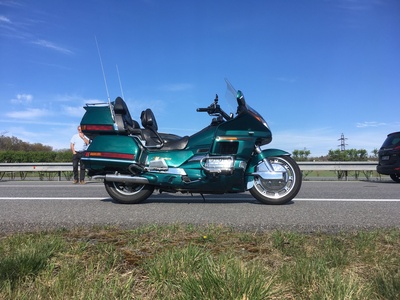
GL1500 Gold Wing
Honda’s flagship tourer was reborn with a silky smooth flat-six engine, setting a new benchmark for luxury motorcycling. It featured a reverse gear, extensive luggage capacity, and unparalleled comfort for long-distance travel, primarily aimed at the North American market.
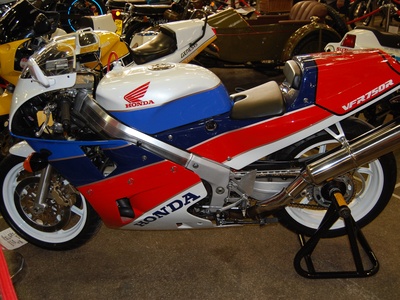
VFR750R RC30
A road-legal race bike built to win the new World Superbike Championship. The RC30 featured exotic technology like a V4 engine with gear-driven cams and a single-sided swingarm. Its rarity and racing pedigree make it one of the most collectible Japanese motorcycles ever.
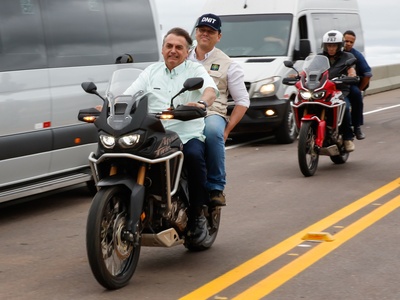
XRV650 Africa Twin
This legendary adventure bike was a new V-twin model designed to conquer both on and off-road terrain. Inspired by Honda’s NXR750 desert racer, it was sold in Europe and Japan, becoming an icon for its reliability and go-anywhere capability.
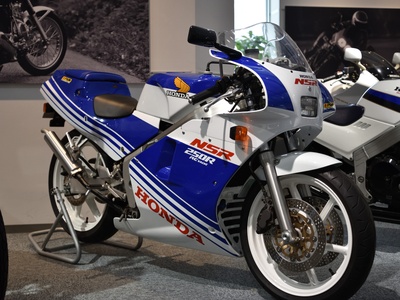
NSR250R MC18
The MC18 version of the NSR250R brought a new level of technology to the 250cc class, featuring Honda’s PGM-II computerized ignition system. It was a high-strung, lightweight screamer built for Japanese canyon roads and racetracks, embodying the era’s two-stroke craze.
VT600C Shadow
This new cruiser featured a low seat, classic chopper-inspired styling, and a reliable liquid-cooled V-twin engine. Aimed at the entry-level and custom cruiser market, its clean lines and user-friendly nature made it an immense commercial success in North America.
NX650 Dominator
A versatile and user-friendly dual-sport motorcycle, the Dominator was designed for both city commuting and light off-road adventures. Its simple, air-cooled RFVC engine proved very reliable, and it became a favorite for overland travelers and city riders worldwide.
CBR1000F Hurricane
As Honda’s top sport-touring machine, the CBR1000F balanced blistering speed with long-distance comfort. For 1988, it continued to offer a powerful inline-four engine and full-coverage bodywork, making it a popular choice for riders wanting performance without a punishing riding position.
VTR250 Interceptor
A small-displacement sport bike featuring a liquid-cooled 90-degree V-twin in a lightweight chassis. The VTR250 was praised for its sharp handling and unique engine configuration, offering a premium experience in the entry-level sport bike category, though it was only sold for a few years.
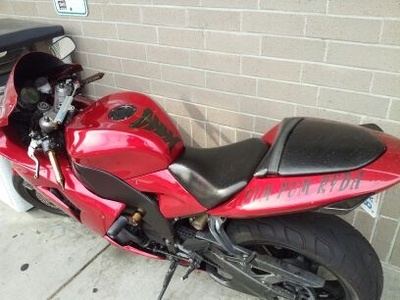
ZX-10 Tomcat
Replacing the GPZ1000RX, the ZX-10 claimed the title of the world’s fastest production bike. It featured Kawasaki’s first aluminum perimeter frame and a potent inline-four engine, representing the pinnacle of the late-80s horsepower wars and high-speed sport-touring.

KR-1
The KR-1 was Kawasaki’s answer to the Suzuki RGV250 and Yamaha TZR250. It was exceptionally light and powerful, offering true Grand Prix-style performance for the road. Its explosive power delivery and razor-sharp handling made it a legend in the 250cc two-stroke class.
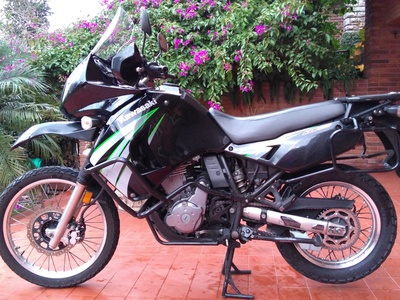
KLR650
The KLR650 continued its run as a rugged, affordable, and incredibly versatile dual-sport motorcycle. With its large fuel tank and reliable single-cylinder engine, it quickly became a global favorite for adventure riders and commuters looking for a go-anywhere, do-anything machine.
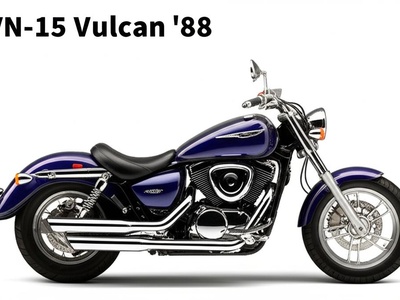
VN-15 Vulcan ’88
This big-bore Japanese cruiser offered a V-twin experience with distinctive styling and a shaft drive. As one of the largest displacement metric cruisers of its time, it competed directly with American brands by offering a reliable and powerful alternative in the heavyweight class.
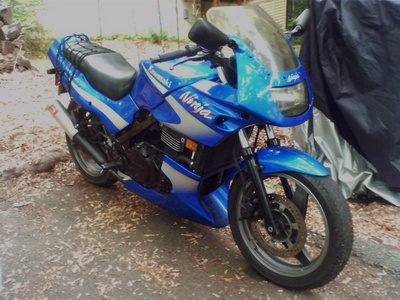
EX500
Known as the GPZ500S in Europe, this bike was a massive seller due to its brilliant mix of performance, affordability, and versatility. Its rev-happy parallel-twin engine and capable chassis made it a perfect first sport bike or a fun, economical commuter.
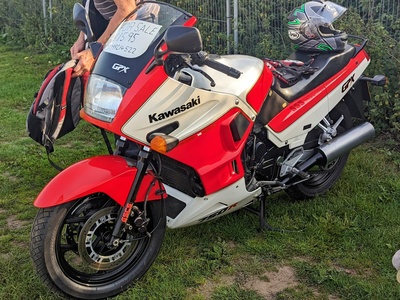
GPX750R
This model, also known as the Ninja 750R in the US, was a well-regarded sport bike that sat just below the top-tier superbikes. It offered a strong inline-four engine in a steel frame, providing a great balance of real-world performance and comfort.
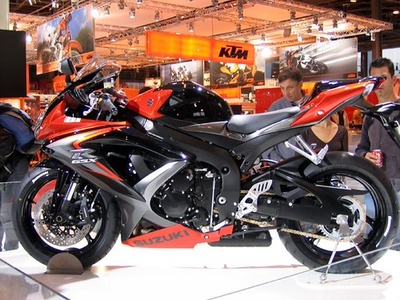
GSX-R750
A complete redesign, the second-generation GSX-R750 featured a new short-stroke engine and a stiffer frame, earning the ‘Slingshot’ nickname from its carburetors. It was a more powerful and better-handling machine that continued Suzuki’s dominance in the 750cc superbike class.
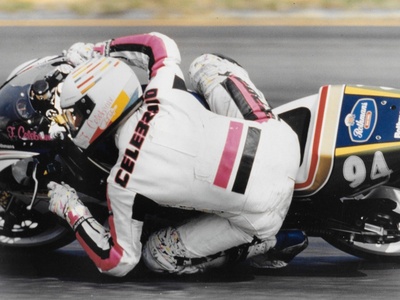
RGV250
The VJ21 model RGV250 was a game-changer, replacing the old parallel-twin RG250. This V-twin race replica was a road-legal weapon, featuring an aluminum frame and powerful engine that perfectly captured the spirit of 250cc Grand Prix racing for public consumption.
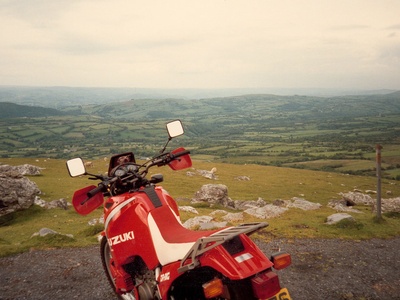
DR750S Big
Nicknamed “Dr. Big” for its massive 727cc single-cylinder thumper, this adventure bike stood out with its distinctive ‘beak’ front fender. It was a Paris-Dakar rally-inspired machine built for long-distance desert crossing and on/off-road exploration.
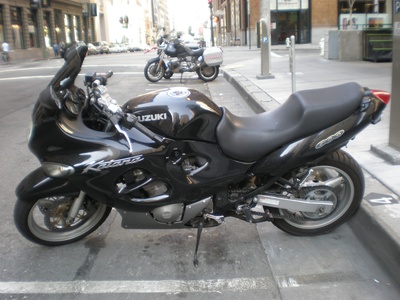
Katana 600
Reintroducing the famous Katana name, this new model (GSX600F) was a comfortable and affordable sport-tourer. It used a retuned GSX-R engine in a steel frame, wrapped in sleek bodywork that appealed to riders wanting sporty looks without the extreme riding position.
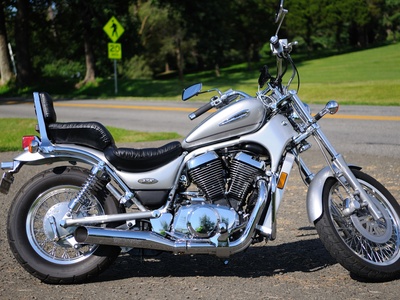
VS1400 Intruder
Suzuki’s big V-twin cruiser was a major player in the heavyweight custom market. The Intruder 1400 offered classic chopper styling, shaft drive, and massive torque from its air/oil-cooled engine, providing a reliable and powerful alternative to American-made cruisers.
Savage
The LS650 Savage was a unique offering in the cruiser market: a lightweight bike powered by a large-displacement single-cylinder engine. Its belt drive, low seat height, and simplicity made it a popular choice for beginners and riders who appreciated its minimalist charm.
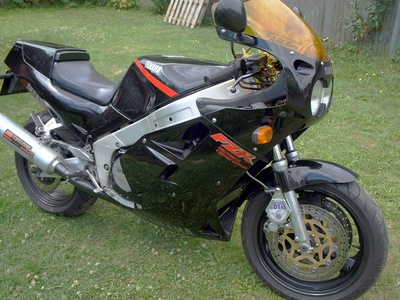
FZR1000 Genesis
The 1988 FZR1000 was a significant update, solidifying its place at the top of the liter-bike class. It featured Yamaha’s advanced Deltabox aluminum frame and the innovative EXUP exhaust valve, providing incredible power and handling that challenged all competitors.
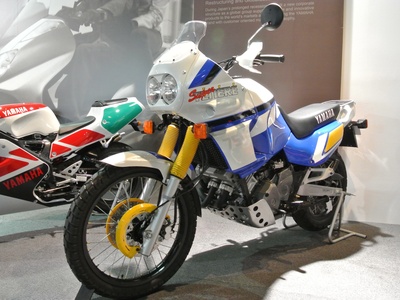
XTZ750 Super Ténéré
Yamaha’s entry into the large-displacement adventure bike segment, the Super Ténéré was a direct competitor to the Honda Africa Twin. It featured a powerful parallel-twin engine with a 5-valve head, long-travel suspension, and rally-raid styling for serious on- and off-road travel.
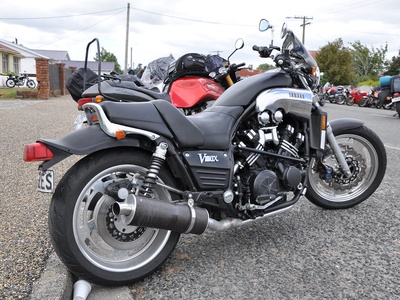
V-Max
The V-Max continued unchanged, a testament to its radical and successful design. A cruiser-dragster hybrid, its legendary V-Boost system and potent V4 engine delivered brutal acceleration that no other production bike could match, solidifying its cult status.
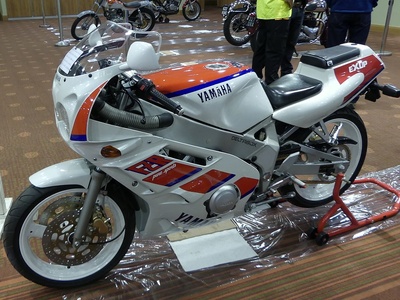
FZR400
The FZR400 was the pinnacle of 400cc sport bike technology, a high-revving, sweet-handling machine often called the best-handling street bike of its era. The Japanese market received the advanced EXUP exhaust valve this year, a feature that would soon appear on larger models.
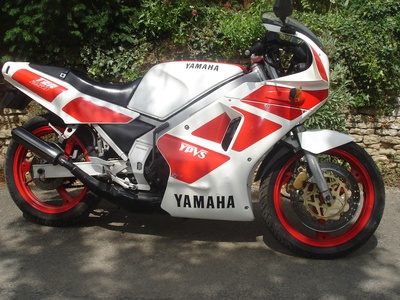
TZR250
A dominant force in the 250cc two-stroke class, the TZR250 was a pure race replica for the road. It featured a liquid-cooled parallel-twin with the YPVS power valve system and a Deltabox frame, delivering an authentic Grand Prix experience for enthusiasts.
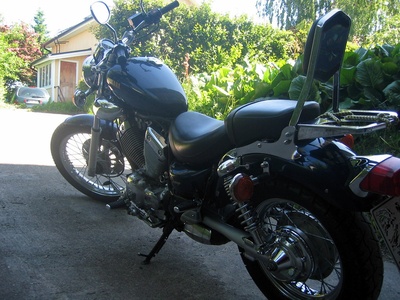
XV535 Virago
The Virago 535 was a very popular mid-size cruiser known for its classic styling, reliable V-twin engine, and low-maintenance shaft drive. Its accessible size and performance made it a top choice for new riders and those wanting a manageable but stylish cruiser.
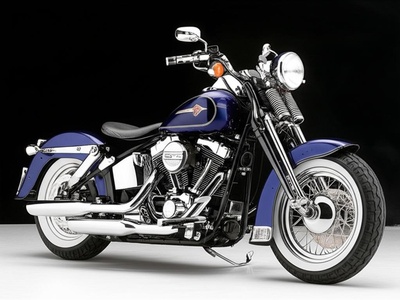
FXSTS Springer Softail
A bold new addition to the Softail lineup, this model combined the modern Evolution engine and hidden rear suspension with a retro springer fork from the past. It was an instant styling hit, perfectly blending vintage aesthetics with contemporary reliability for the V-twin market.
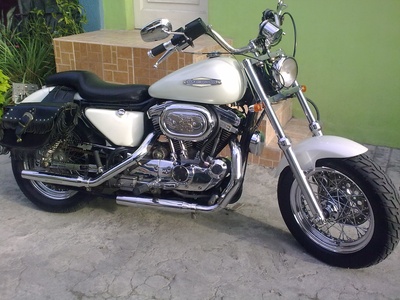
XLH 1200 Sportster
Responding to demand for more power, Harley-Davidson introduced the 1200cc version of the Evolution Sportster. This new model provided a significant performance boost over the 883, making the lighter, nimbler Sportster a true “hot rod” in the Harley lineup.
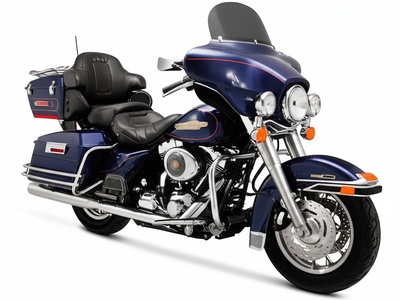
FLHTC Electra Glide Classic
The quintessential American touring motorcycle, the Electra Glide was the king of the road. For 1988, Harley-Davidson celebrated its 85th anniversary with special edition paint and badging, making this iconic “full-dresser” even more desirable for loyal customers.
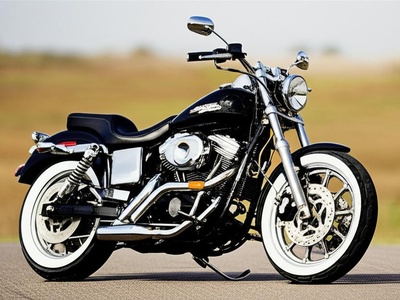
FXR Super Glide
Often considered the best-handling big twin Harley-Davidson ever made, the FXR featured a unique rubber-mounted engine in a very capable frame. It appealed to riders who valued performance and cornering ability as much as traditional V-twin style and sound.
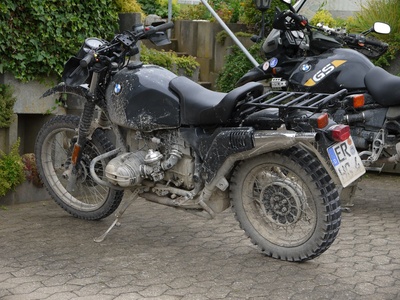
R100GS
The R100GS was a revolutionary step forward for the adventure bike. It replaced the iconic R80G/S with a larger engine and, most importantly, the innovative Paralever single-sided swingarm that eliminated shaft drive torque-jacking, massively improving on- and off-road handling.
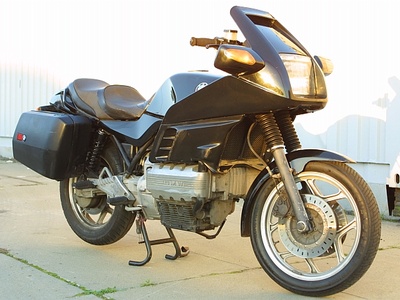
K100RS
The K100RS was a technologically advanced sport-tourer featuring BMW’s smooth inline-four “flying brick” engine. For 1988, it made history by offering the world’s first factory-installed ABS on a motorcycle, a massive leap forward in rider safety.
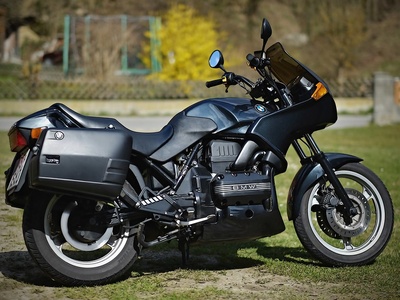
K75S
The K75S was the sport-oriented version of BMW’s three-cylinder K75 line. It featured a smaller, frame-mounted fairing and stiffer suspension for improved handling. The bike was beloved for its incredibly smooth engine and turbine-like sound, a hallmark of the K-series.
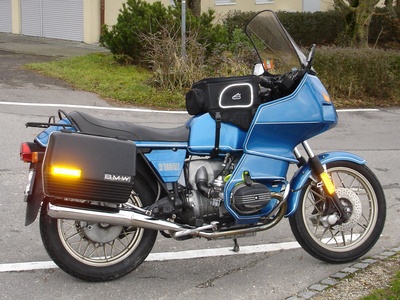
R100RT
The R100RT was the traditionalist’s choice in BMW’s touring lineup. It offered the beloved air-cooled boxer twin engine and a massive frame-mounted fairing that provided excellent weather protection, making it a comfortable and reliable companion for cross-country journeys.
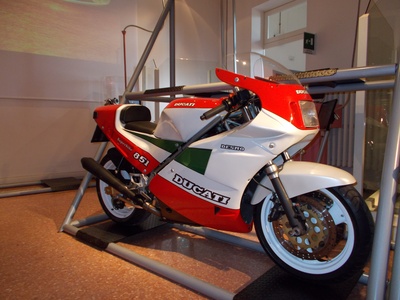
851 Superbike
The 851 was a landmark motorcycle. It introduced the liquid-cooled, fuel-injected, four-valve-per-cylinder “Desmoquattro” engine that would power Ducati’s superbikes for over a decade. This bike was built to win races and re-established Ducati as a superbike powerhouse.
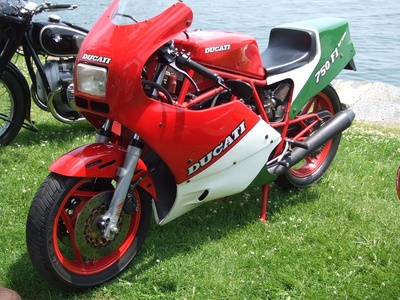
750 F1
The 750 F1 was the last of Ducati’s pure, raw, air-cooled superbikes. Based on their successful TT F1 racers, it was a minimalist machine with a beautiful trellis frame and a booming V-twin engine, representing the end of a legendary era for the Italian brand.
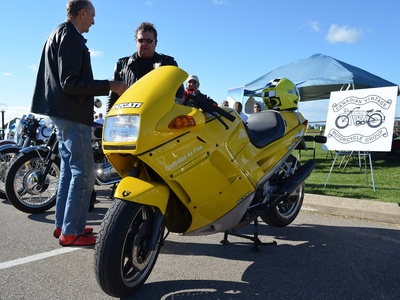
Paso 750
Designed by Massimo Tamburini, the Paso’s defining feature was its all-enclosing bodywork that hid the entire engine and frame. It was a bold and controversial design, powered by a carbureted, air/oil-cooled Desmo V-twin, aimed at the sport-touring market.
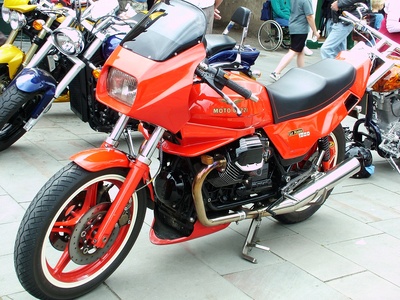
Le Mans 1000
The Le Mans 1000 was the final evolution of a legendary line of Italian sportbikes. It featured the iconic transverse V-twin engine, shaft drive, and distinctively angular styling. It was a charismatic, torque-rich machine for riders who valued character over outright performance.
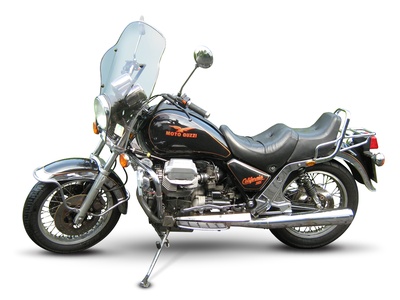
California III
The California III updated Moto Guzzi’s classic cruiser with more integrated styling, a larger seat, and floorboards for increased comfort. It retained the brand’s signature transverse V-twin and shaft drive, offering a unique Italian alternative in the heavyweight touring market.
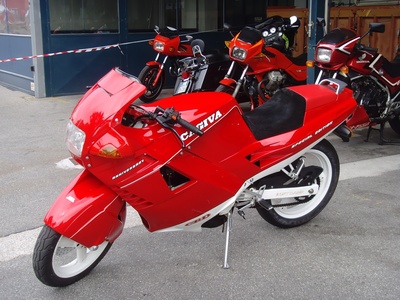
Cagiva Freccia C9
Styled by Massimo Tamburini, the Freccia looked like a miniature Ducati Paso. This Italian 125cc two-stroke was a technological marvel, featuring a 7-speed gearbox and a powerful engine. It was a dream machine for young European riders with a passion for Grand Prix racing.
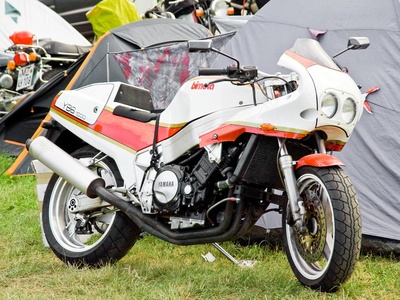
Bimota YB6
Bimota was famous for wrapping powerful Japanese engines in superior Italian chassis. The YB6 took the potent Yamaha FZR1000 engine and housed it in a lightweight, hand-built aluminum frame, creating an exclusive and expensive superbike with unparalleled handling.
Aprilia AF1 125 Sintesi
The AF1 Sintesi was at the cutting edge of 125cc sport bike design. It featured a single-sided swingarm, an aluminum frame, and a potent Rotax two-stroke engine. For teenage riders in Europe, it was a genuine Grand Prix replica for the street.
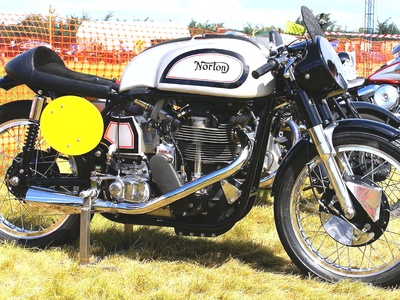
Norton Classic
This was a landmark machine, reviving the Norton brand with the world’s first production rotary (Wankel) engine motorcycle. The air-cooled twin-rotor engine was smooth and compact. Sold primarily to enthusiasts and police forces, it was a unique piece of engineering history.
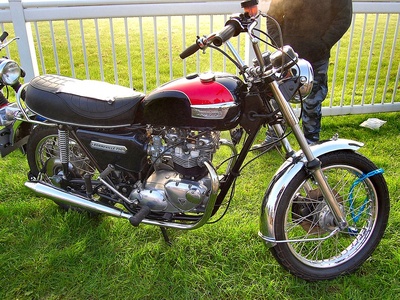
Triumph Bonneville T140
The end of an era for a true British icon. After the main Triumph factory closed, a small company under license from Les Harris continued to build the classic Bonneville. The 1988 models were the last of this lineage, marking the end of the original Hinckley-era Triumph.

Sarah Thornton
More from Sarah ThorntonHow we reviewed this article
This article was researched against manufacturer records and editorially reviewed before publishing. We accept no payment for coverage. Some guides contain affiliate links; see our affiliate disclosure.