2010 marked a crossroads: manufacturers rolled out trickle-down race technology, adventure bikes exploded in popularity, and riders had more choices than at any time in the previous decade. That year saw electronics like traction control and rider modes move from prototype racetracks into showroom floors, while engine choices spanned nimble 650cc twins to 1,000cc-plus monsters putting out roughly 170–193 hp. If you care about performance, long-distance comfort, or simply getting the most value for your dollar, this list of the best motorcycles of 2010 explains which models defined their segments. Below are 10 standout motorcycles — each entry covers what made the bike special in 2010 (key specs, real-world strengths) and a short buying or riding note to help you choose.
High-Performance Superbikes
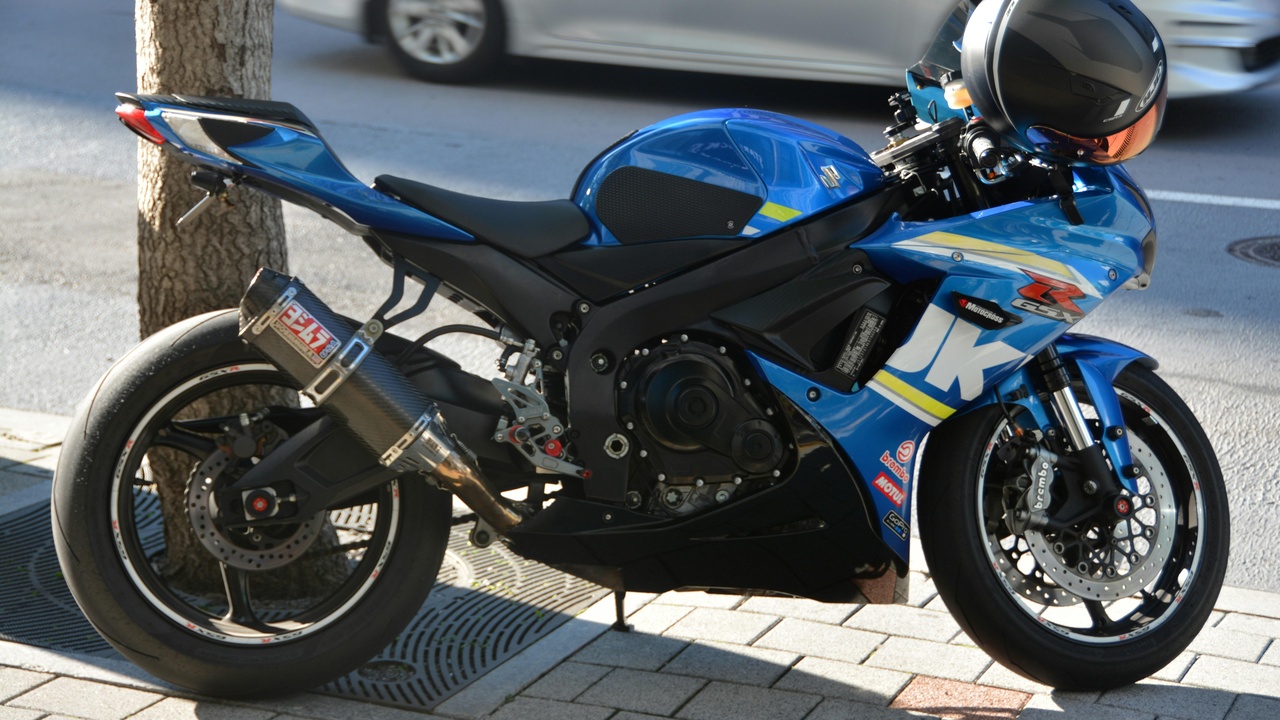
2010 was notable for superbike development because race-derived electronics and refined power delivery became mainstream. Rider aids—traction control, selectable power modes and ABS—began to separate the new liter-class machines from their predecessors, making fast bikes more usable on the road and quicker on track. The four bikes below represent how manufacturers balanced peak horsepower, chassis behavior, and electronic control to appeal to experienced riders and privateer racers alike.
1. BMW S1000RR (2010) — race-bred performance and electronics
The S1000RR shocked the market with race-derived features and a sophisticated electronics suite that read like a racer’s options list. Its near-999cc inline-four claimed roughly 193 hp on paper, and BMW focused on keeping mass low to improve handling and acceleration. For real-world use the S1000RR excelled on track days and fast backroads where precise traction control and ABS helped riders push harder with confidence. BMW pitched the model to privateer racers in 2010, and owners praised its quick 0–60 sprints and strong midrange punch. Buyer note: ideal for experienced riders seeking modern performance tech — verify electronics operation and aftermarket tuning history on used examples.
2. Yamaha YZF-R1 (2010) — crossplane character and accessible power
The Yamaha R1 of this era blended race-bred behavior with more accessible controllability thanks to its crossplane-crank engine character. The 998cc machine produced in the 170–180 hp neighborhood (depending on tune) and delivered a torque-rich, tractable throttle that many riders found easier to use than peak-horsepower rivals. On the road it was lively without being twitchy, and on track it rewarded suspension and brake upgrades — which led club racers and tuners to favor it. Aftermarket support for exhausts, ECU maps and suspension made the R1 a common choice for those wanting a competitive, customizable sportbike. Buying tip: check suspension service and look for tasteful performance mods rather than heavy-handed tuning.
3. Suzuki GSX-R1000 (2010) — raw power with a rider-friendly chassis
The GSX-R1000 earned a reputation for unapologetic horsepower paired with a stable, well-balanced chassis. Its 998cc motor routinely made around 170–175 hp and Suzuki tuned the frame dynamics for confidence at speed, which helped tame that output for road use. Riders appreciated the strong mid-range torque and powerful brakes that translated well to aggressive riding and amateur racing. Updates around 2009–2010 kept the GSX-R competitive in club events and canyon runs, and many owners modestly upgraded suspension and slip-on exhausts for sharper responses. Short verdict: a go-to for riders who want high power-to-weight and a platform that’s proven on track and street alike.
4. Honda CBR1000RR (2010) — engineered balance for riders who value precision
Honda’s CBR1000RR focused on predictable handling and refined power delivery rather than headline-grabbing numbers. The ~1000cc liter-class bike produced dyno-proven mid- to high‑hundreds in horsepower figures (many tests show values around 165–175 hp at the wheel) and prioritized weight distribution and braking feel. That made it especially well-suited to tight roads and track circuits where precision beats brute force. Honda’s engineering meant consistent behavior lap after lap, which is why track schools and experienced street riders favored it. Buying tip: choose a CBR1000RR if you value consistency and a platform that rewards suspension tuning more than outright power increases.
Sport-Touring and Long-Distance Comfort
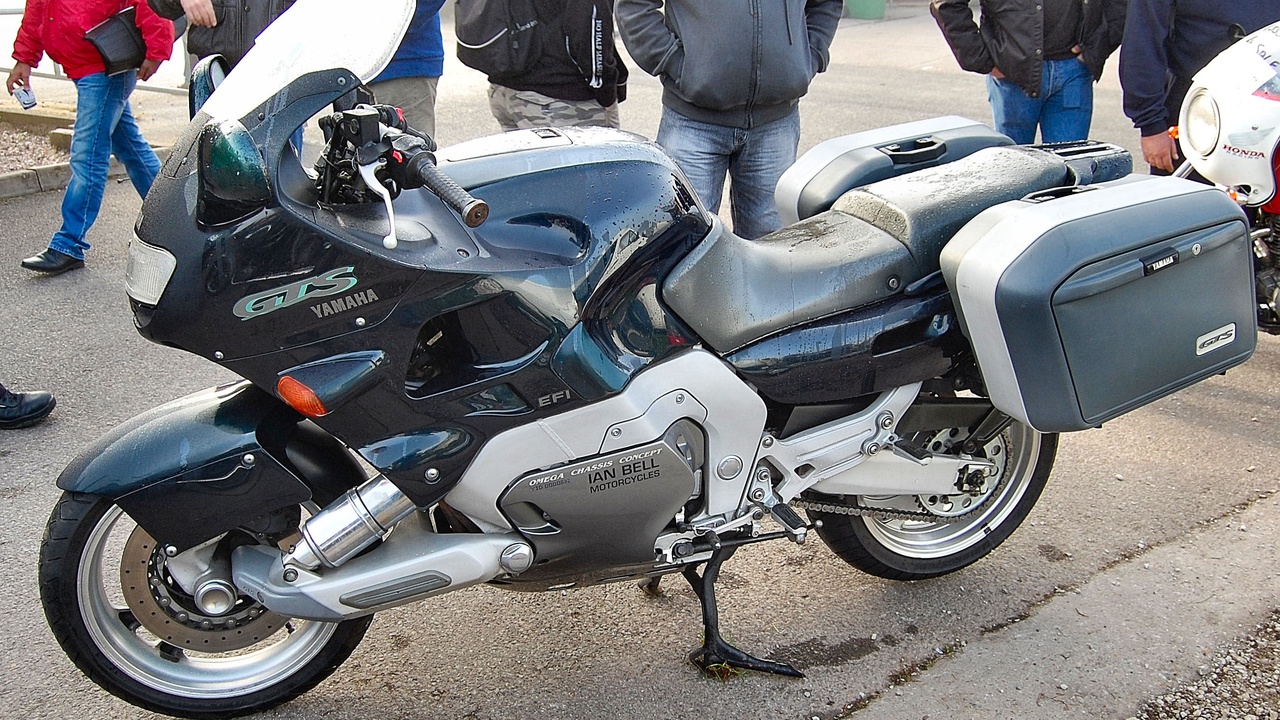
In 2010 sport-tourers combined long-distance comfort with performance-oriented engines and chassis tuning, so riders could cover big miles without sacrificing pace. These machines offered wind protection, luggage options and powerplants capable of sustained highway speeds — making them relevant for two-up touring and daily commuting alike. Below are three models that balanced ergonomics, range, and usable power for riders who prioritize comfort on longer rides.
5. BMW R1200RT (2010) — the benchmark for comfortable, long-range touring
The R1200RT stood out as a top choice for riders who logged heavy annual miles. Its roughly 1,170cc boxer twin delivers smooth torque and strong real-world pull, while the RT’s wind protection, optional electronic suspension adjustment (ESA) and upright two-up ergonomics make full days in the saddle manageable. Many owners reported 200+ mile conservative fuel ranges between fill-ups when touring, and police fleets often used variants for patrol duties thanks to its durability. Buying note: when looking at used examples check ESA function, shaft-drive condition and service history for valve and final-drive maintenance.
6. Kawasaki Concours 14 (2010) — liter-bike power with practical touring features
The Concours 14 paired a torquey 1,352cc inline-four with touring-focused ergonomics and a generous fuel tank, giving riders liter-bike performance and long-range capability. Its strong torque curve made interstate cruising effortless even when carrying two-up and luggage, and the bike’s straightforward Kawasaki engineering led to lower maintenance costs than some European rivals. Riders appreciated the upright seating, integrated luggage and a price point that translated to good used values through the 2010s. Buying tip: look for well-maintained suspension and check for any touring accessories that might hide wear from heavy use.
7. Triumph Sprint ST/GT (2010) — sporty handling with touring flexibility
Triumph’s Sprint (around 1,050cc triple) offered a lively, torque-rich midrange that made passing and sustained touring pleasant without the bulk of heavyweight tourers. Its triple-cylinder character provided strong low- and mid-range punch, and the chassis stayed noticeably more agile than heavier sport-tourers — ideal for two-lane canyon runs or twisty touring routes. Many riders fitted modest luggage and windscreen upgrades to extend range for weekend trips. Buying advice: if you want a sportier touring experience, target a well-kept Sprint with recent suspension service and check for worn soft-parts like bars and peg rubbers.
Adventure, Standards, and Value Picks
By 2010 adventure bikes were firmly mainstream, and a new generation of standards and middleweights made great all-round sense for riders on budgets. This category captures models that excel off the beaten path, offer friendly everyday manners, or provide the best value per mile. Each pick below highlights capabilities, practical specs and a quick pre-purchase pointer for used examples.
8. KTM 990 Adventure (2010) — big-displacement dual-sport for serious adventure riders
The KTM 990 Adventure delivered near‑1000cc twin power with a chassis and suspension built for mixed-surface expeditions. Its ~999cc engine produced around 110–115 hp and the bike maintained a relatively light feel for a big-bore adventure machine thanks to long-travel forks and a tall, confidence-inspiring stance. In practice it excelled on gravel roads and remote trails where sustained torque and suspension travel mattered most, but the taller seat height and torque required careful handling by less experienced riders. Used‑bike tip: inspect suspension condition, linkage bearings and crankcase protection — many owners add skid plates and luggage racks that can hide damage.
9. Ducati Monster 1100 (2010) — characterful standard with strong torque and style
The Monster 1100 brought Ducati’s torquey twin character and trellis-frame styling to a sporty standard package. With roughly 1,079cc on tap the model emphasized low-end and midrange torque, making it lively in urban traffic and fun on canyon roads where roll-on power matters more than peak numbers. Owners loved the machine’s presence and relatively light feel for that displacement, plus abundant aftermarket accessories to dial ergonomics. Buying note: pay attention to service history for desmodromic-valve checks and timing-belt/chain intervals, as maintenance costs are higher than some inline-four rivals.
10. Suzuki V-Strom 650 (2010) — the versatile middleweight and practical everyday companion
The V-Strom 650 proved to be a do-it-all bike with a friendly 645cc V-twin that delivered approachable power and excellent fuel economy, making it ideal for commuting, light touring and occasional gravel routes. Its predictable handling, low maintenance costs and broad aftermarket support helped it become a common recommendation for new riders seeking long-distance capability without high running expenses. Riders appreciated dealer support and plentiful luggage options. Pre-purchase tip: check chain and sprocket wear, look for sagging suspension, and verify regular valve checks on older 650s.
Summary
- 2010 blended race-derived electronics with proven chassis design, giving riders more controlled power and improved lap times.
- There were strong choices across segments — from litre-class sportbikes and sport-tourers to adventure machines and versatile middleweights — each serving distinct riding needs.
- Value picks like the Suzuki V‑Strom 650 and Kawasaki Concours 14 delivered long-term usefulness and lower ownership costs for riders on a budget.
- Inspect key systems on used 2010 models before buying: electronics and ESA function, suspension wear, valve and final-drive service, and any off-road protection added by previous owners.
- If you want a characterful, affordable ride from that era, test-ride your finalists and check local inventories for the best motorcycles of 2010 that match your riding priorities.

Sarah Thornton
More from Sarah ThorntonHow we reviewed this article
This article was researched against manufacturer records and editorially reviewed before publishing. We accept no payment for coverage.