The 1940s reshaped automotive design as manufacturers shifted between wartime production and postwar consumer demand. Coupes from that decade reflect changing materials, shorter production runs, and a mix of prewar styling with early modern details.
There are 38 1940s Coupes, ranging from 600 Brougham to Zephyr Club Coupe. For each entry you’ll find below Manufacturer,Years,Production (units) so you can quickly compare makers, model years, and how many were produced before digging deeper into specifics you’ll find below.
How did World War II affect those coupe production numbers?
Many factories moved to military output during the war, so civilian coupe production dropped sharply or paused for several years; postwar models often restarted on limited runs. Use the Production (units) column to spot wartime gaps or very low totals that indicate rarity.
What’s the best way to spot the rarest models using Manufacturer,Years,Production (units)?
Look for short production spans and single- or low-digit production figures in the Production (units) column, then cross-check the Manufacturer and Years to see if the run coincided with wartime or early postwar transitions—those combinations usually point to the rarest examples.
1940s Coupes
| Model | Manufacturer | Years | Production (units) |
|---|---|---|---|
| DeLuxe Coupe | Ford | 1940-1940 | ~121,000 |
| Super DeLuxe Coupe | Ford | 1941-1948 | ~350,000 |
| Custom DeLuxe Club Coupe | Ford | 1949-1951 | ~238,000 |
| Eight Club Coupe | Mercury | 1941-1948 | ~115,000 |
| Zephyr Club Coupe | Lincoln | 1940-1942 | ~4,500 |
| Continental Coupe | Lincoln | 1940-1948 | 2,688 |
| Special DeLuxe Coupe | Chevrolet | 1940-1942 | ~450,000 |
| Fleetline Aerosedan | Chevrolet | 1941-1952 | ~1,200,000 |
| Styleline DeLuxe Coupe | Chevrolet | 1949-1952 | ~530,000 |
| Torpedo Coupe | Pontiac | 1940-1948 | ~275,000 |
| Streamliner Sedanet | Pontiac | 1941-1951 | ~400,000 |
| Series 70 Club Coupe | Oldsmobile | 1940-1948 | ~60,000 |
| Futuramic 88 Club Coupe | Oldsmobile | 1949-1950 | ~95,000 |
| Special Sedanet | Buick | 1941-1949 | ~200,000 |
| Super Sedanet | Buick | 1941-1949 | ~225,000 |
| Roadmaster Sedanet | Buick | 1942-1949 | ~110,000 |
| Series 61 Sedanet | Cadillac | 1941-1949 | ~31,000 |
| Series 62 Club Coupe | Cadillac | 1940-1949 | ~45,000 |
| DeLuxe Business Coupe | Plymouth | 1940-1948 | ~300,000 |
| Special DeLuxe Club Coupe | Plymouth | 1946-1949 | ~215,000 |
| Custom 3-Window Coupe | Dodge | 1940-1948 | ~120,000 |
| Wayfarer Business Coupe | Dodge | 1949-1952 | ~55,000 |
| DeLuxe Business Coupe | DeSoto | 1940-1942 | ~10,000 |
| Custom Club Coupe | DeSoto | 1946-1949 | ~65,000 |
| Windsor Club Coupe | Chrysler | 1940-1949 | ~150,000 |
| Commodore Club Coupe | Hudson | 1941-1949 | ~40,000 |
| 600 Brougham | Nash | 1941-1949 | ~75,000 |
| Ambassador Airflyte | Nash | 1949-1951 | ~40,000 |
| Champion Coupe | Studebaker | 1940-1949 | ~320,000 |
| Commander Coupe | Studebaker | 1940-1949 | ~110,000 |
| One-Ten Business Coupe | Packard | 1940-1941 | ~11,000 |
| Clipper Club Coupe | Packard | 1941-1947 | ~35,000 |
| Americar Coupe | Willys | 1940-1942 | ~30,000 |
| CC/CD Coupe | Crosley | 1946-1949 | ~25,000 |
| Type 1 (Beetle) | Volkswagen | 1945-2003 | ~50,000 (by 1949) |
| 6C 2500 Sport | Alfa Romeo | 1939-1952 | ~1,500 |
| PV444 | Volvo | 1944-1958 | ~26,000 (by 1949) |
| T26 Grand Sport | Talbot-Lago | 1947-1953 | ~30 |
Images and Descriptions
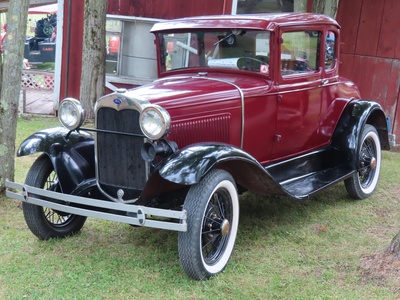
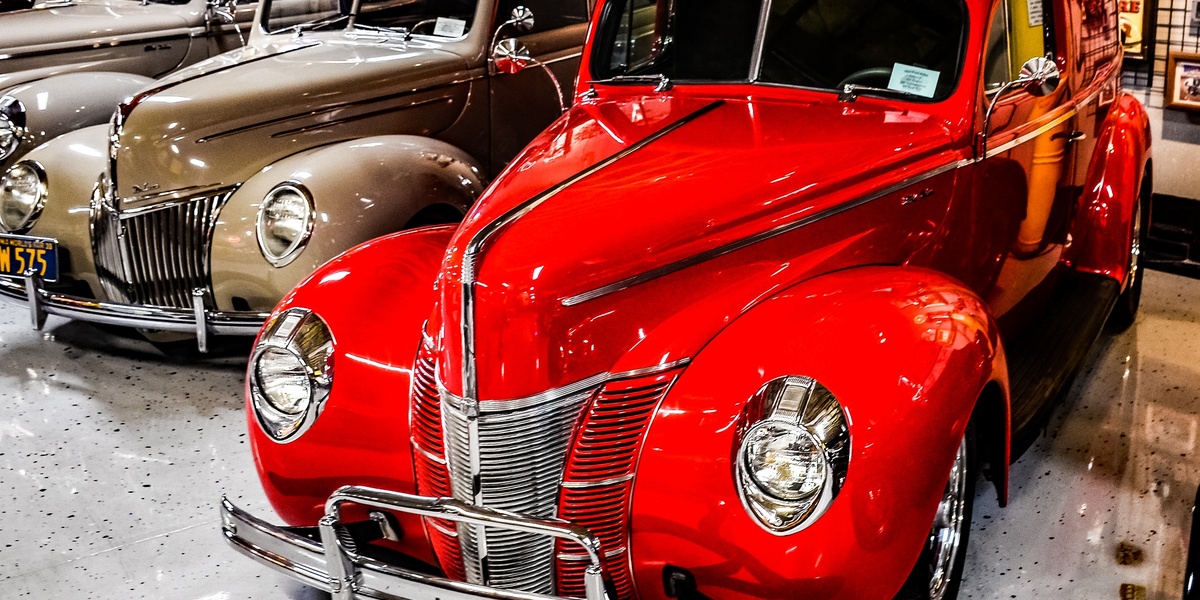
DeLuxe Coupe
The last of the pre-war teardrop-style Fords, this coupe was a favorite for its handsome styling and the iconic flathead V8 engine. It represented Ford’s value-packed lineup just before a major redesign and the onset of World War II.
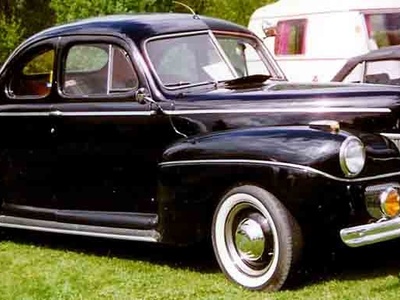
Super DeLuxe Coupe
A quintessential 1940s car, the Super DeLuxe spanned the pre- and post-war eras. Its ‘fat-fendered’ look and reliable flathead V8 made it a hugely popular choice and a future icon for hot rodders and classic collectors.
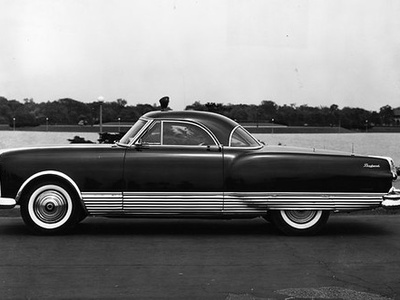
Custom DeLuxe Club Coupe
The revolutionary ‘Shoebox’ Ford for 1949 marked the first all-new post-war design from the Big Three. Its slab-sided, integrated-fender styling was modern and hugely influential, making the club coupe a major hit with the public.
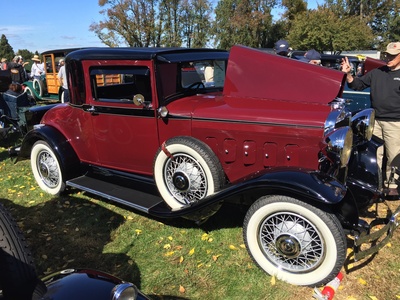
Eight Club Coupe
Positioned between Ford and Lincoln, the Mercury Eight offered more style and a larger flathead V8. The post-war coupes are particularly sought after by customizers for their clean lines, becoming icons of the lead sled movement.
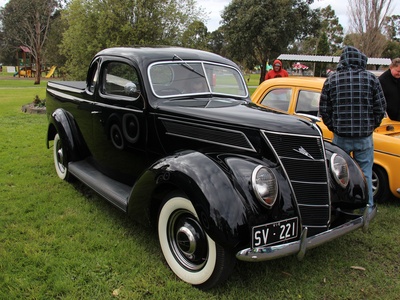
Zephyr Club Coupe
An elegant and streamlined coupe from Ford’s luxury division, the Zephyr was known for its advanced unibody construction and smooth V12 engine. Its sleek styling was a high point of pre-war American automotive design.
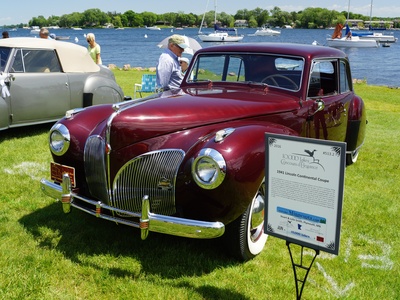
Continental Coupe
Arguably one of the most beautiful American cars ever made, the Continental began as a one-off custom for Edsel Ford. Its long-hood, short-deck proportions and spare tire ‘continental kit’ defined personal luxury for a generation.
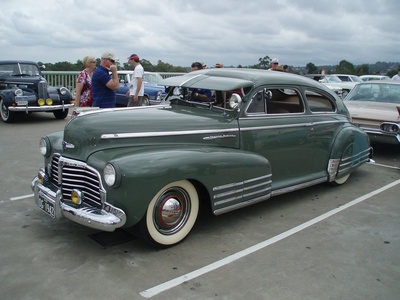
Special DeLuxe Coupe
As America’s best-selling car brand, the pre-war Chevy Special DeLuxe offered stylish, dependable transportation. The two-door Sport Coupe and the more austere Business Coupe were mainstays of the working class on the eve of war.
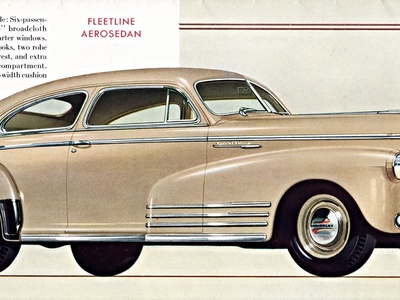
Fleetline Aerosedan
One of the most popular fastback designs of the era, the Aerosedan was a sales sensation. Its sleek, sloping roofline gave it a custom look straight from the factory, embodying the streamlined aesthetic of the late 1940s.
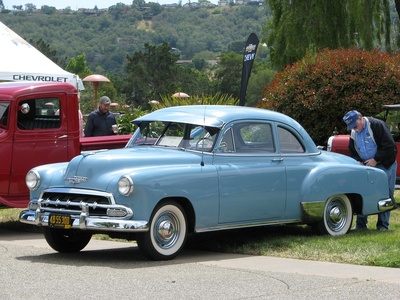
Styleline DeLuxe Coupe
Representing Chevrolet’s first all-new post-war design, the Styleline series featured smooth, rounded styling. The Club Coupe and Business Coupe continued to be volume sellers, offering practicality with a fresh, modern look.
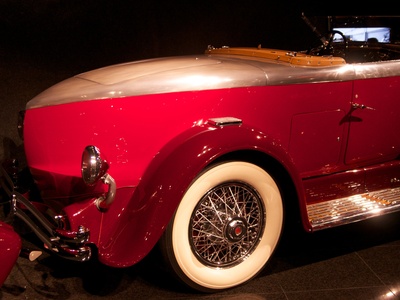
Torpedo Coupe
Available as a sleek fastback or a formal notchback, the Pontiac Torpedo shared its advanced C-body with other GM brands. It was a stylish and comfortable coupe that offered a step up from a Chevrolet.
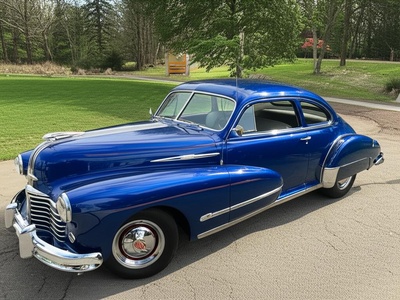
Streamliner Sedanet
Pontiac’s version of the fastback coupe, the Streamliner ‘Sedanet’, was a beautiful and popular model. Known for its ‘Silver Streak’ chrome trim, it offered dramatic styling and solid performance, making it a post-war GM classic.
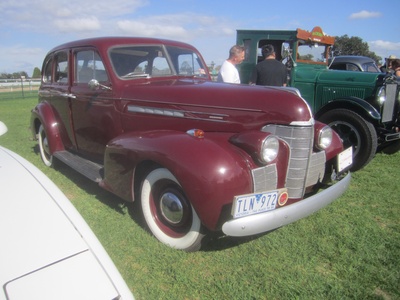
Series 70 Club Coupe
The Dynamic Cruiser Series 70 was a mid-range Olds that offered Hydra-Matic automatic transmission as a popular option. The Club Coupe combined handsome GM styling with a reputation for solid engineering and reliability.
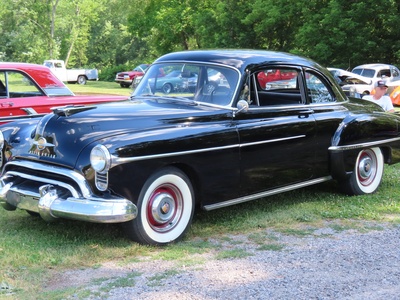
Futuramic 88 Club Coupe
This car is legendary for starting the muscle car era. By putting its new high-compression ‘Rocket’ V8 engine in the lighter 76-series body, Oldsmobile created a performance icon. The ’49 Club Coupe was a wolf in sheep’s clothing.
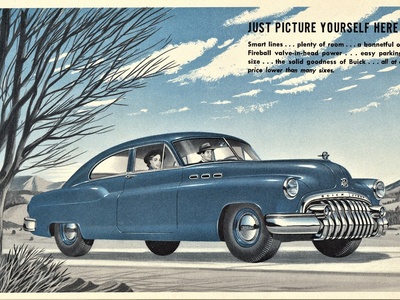
Special Sedanet
The entry-level Buick offered the brand’s signature ‘Airfoil’ fastback styling in a more affordable package. The Special Sedanet was a stylish and popular choice, providing Buick’s smooth ‘Dynaflash’ straight-8 power.
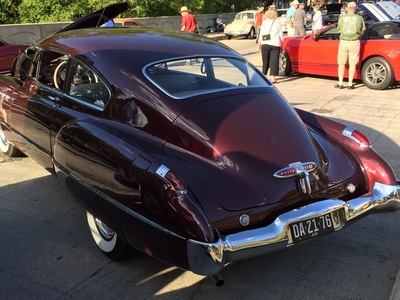
Super Sedanet
The Buick Super Sedanet was one of the defining fastbacks of the 1940s. Its sleek lines, powerful straight-eight engine, and comfortable ride made it a desirable upper-middle-class automobile, perfectly capturing post-war optimism.
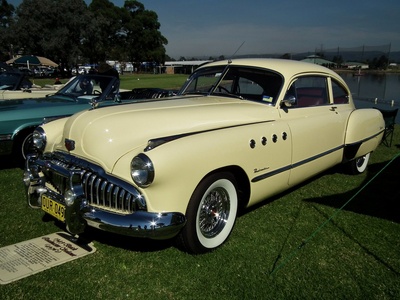
Roadmaster Sedanet
As Buick’s flagship model, the Roadmaster Sedanet offered ultimate fastback style combined with luxury and power. Its long wheelbase and potent 320 cid ‘Fireball’ straight-eight engine made it a true king of the road.
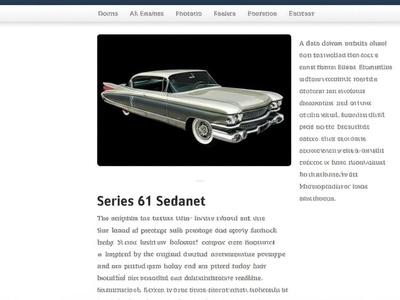
Series 61 Sedanet
The entry-level Cadillac offered the brand’s prestige with a sporty fastback body. These ‘Sedanet’ coupes were inspired by the original Aerodynamic Coupe prototype and are prized today for their beautiful and distinctive roofline.
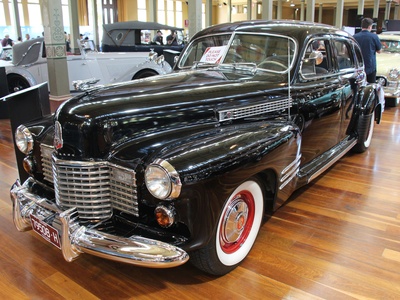
Series 62 Club Coupe
The quintessential Cadillac of the 1940s, the Series 62 evolved from pre-war elegance to post-war swagger with the first tailfins in 1948. The Club Coupe was the standard of personal luxury, powered by a legendary V8 engine.
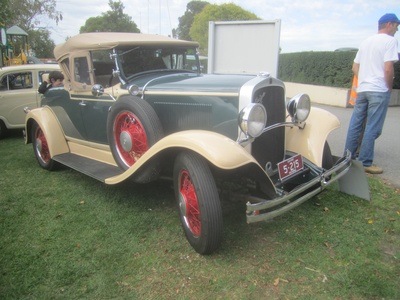
DeLuxe Business Coupe
A workhorse of a car, the Plymouth Business Coupe was known for its incredible reliability and practicality. With its huge trunk and sturdy inline-six engine, it was a favorite of traveling salesmen and small business owners.
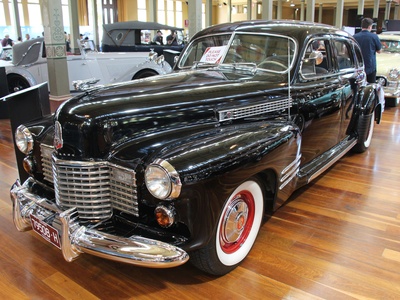
Special DeLuxe Club Coupe
Plymouth’s top-of-the-line coupe after the war offered more chrome and better interior appointments. It was a conservative but exceptionally durable car, representing solid, no-nonsense value for American families.
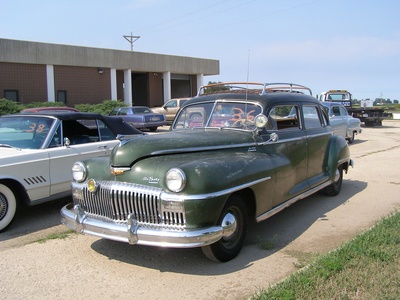
Custom 3-Window Coupe
The Dodge Custom series featured a classic ‘three-window’ coupe design that is highly prized by collectors and hot rodders. Its styling was clean and its ‘Fluid Drive’ transmission offered a unique semi-automatic driving experience.
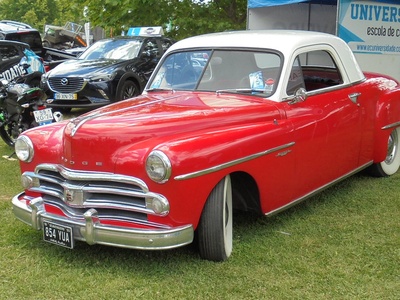
Wayfarer Business Coupe
Dodge’s all-new 1949 design included the Wayfarer, a shorter-wheelbase model. The Business Coupe was a spartan, practical vehicle, notable for its ‘Crosstown’ rear quarter windows that improved visibility.
DeLuxe Business Coupe
DeSoto’s pre-war coupes were known for distinctive styling, including hidden ‘Airfoil’ headlights. The Business Coupe was a stylish but practical car from Chrysler’s mid-priced division, offering good value and unique features.
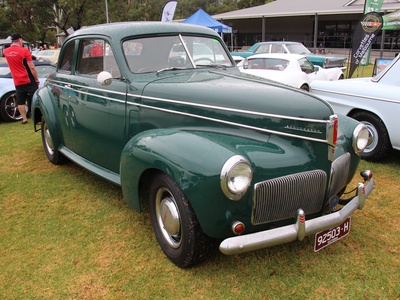
Custom Club Coupe
Featuring long, flowing fenders and a toothy chrome grille, the post-war DeSoto Custom was a distinctive car. The Club Coupe offered spacious seating and a smooth ride, powered by a reliable L-head six-cylinder engine.
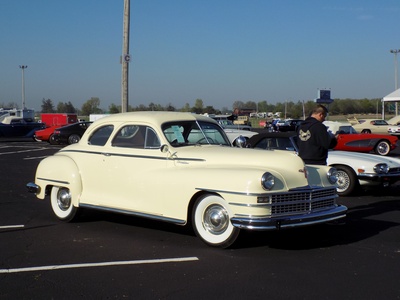
Windsor Club Coupe
The Chrysler Windsor was a premium yet accessible car. The three-window Business Coupe and six-passenger Club Coupe were known for high-quality engineering, spacious interiors, and the smooth ‘Spitfire’ inline-six engine.
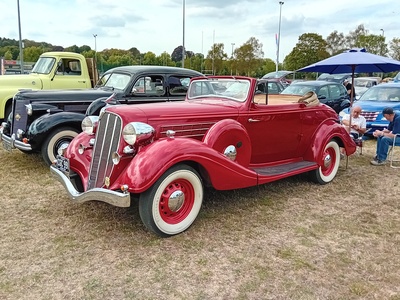
Commodore Club Coupe
Before the ‘Step-Down’ design, the Commodore was a stylish conventional coupe. Post-war, the revolutionary 1948 ‘Step-Down’ model featured a unibody design that gave it a low center of gravity and superior handling.
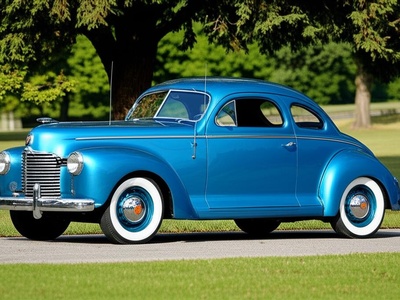
600 Brougham
The Nash 600 was an innovative car, being the first mass-produced unibody automobile in the US. The two-door Brougham coupe was exceptionally economical, advertised as being able to travel 600 miles on a single tank of gas.
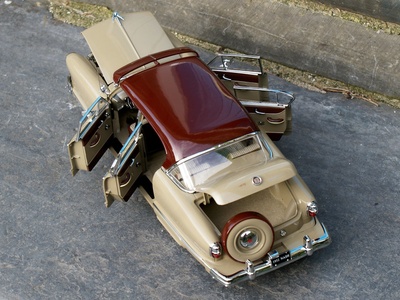
Ambassador Airflyte
One of the most radical designs of the decade, the 1949 ‘Airflyte’ was nicknamed the ‘Bathtub’ for its inverted tub shape and fully enclosed wheels. The Brougham coupe was an aerodynamic marvel unlike anything else on the road.
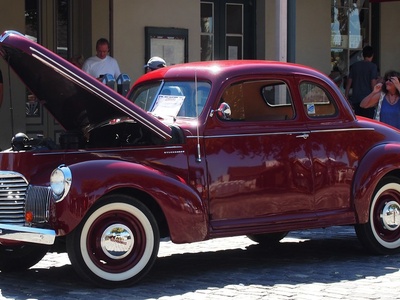
Champion Coupe
Studebaker’s entry-level model was a sales success. The pre-war coupes were conventional, but the post-war models were revolutionary, especially the 1947 ‘Starlight’ coupe with its panoramic four-piece rear window.
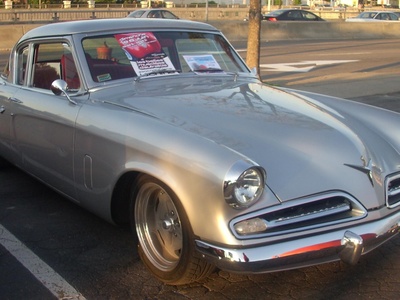
Commander Coupe
The senior Studebaker model offered more power and luxury than the Champion. The post-war Commander coupes, particularly the daring ‘Starlight’ body style, looked like they were from the future, setting Studebaker apart from everyone.
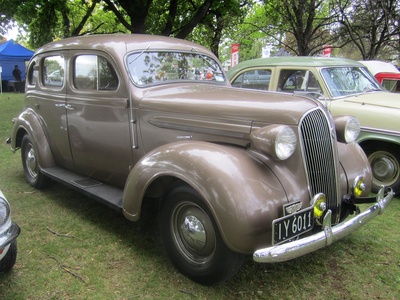
One-Ten Business Coupe
The One-Ten was Packard’s effort to compete in the mid-priced field. The Business Coupe offered Packard prestige and build quality at a more affordable price point, powered by a smooth and reliable six-cylinder engine.
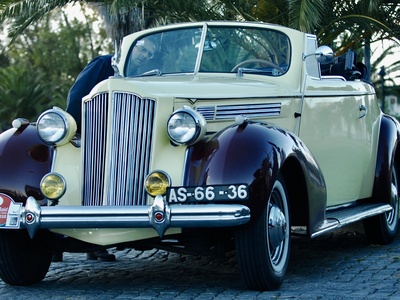
Clipper Club Coupe
The Packard Clipper was a design masterpiece, with flowing lines that integrated the fenders into the body. The Club Coupe is considered one of the most beautiful cars of the 1940s, a high point for the legendary luxury brand.
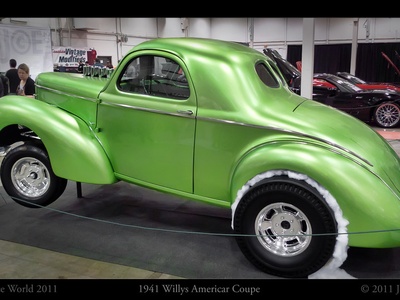
Americar Coupe
Before becoming famous for the Jeep, Willys produced the economical Americar. The coupe was a small but stylish car known for its ‘Go Devil’ four-cylinder engine, which provided excellent fuel economy for its day.

CC/CD Coupe
A true American microcar, the Crosley coupe was tiny, economical, and quirky. Powered by a tiny CoBra (Copper Brazed) four-cylinder engine, it was a unique and minimalist response to post-war demand for cheap transportation.
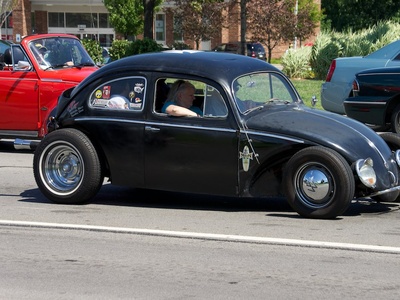
Type 1 (Beetle)
Resurrected after WWII, the Volkswagen sedan (functionally a coupe) began its journey to global stardom. Its simple, air-cooled rear-engine design was incredibly durable and reliable, defining basic transportation for decades.
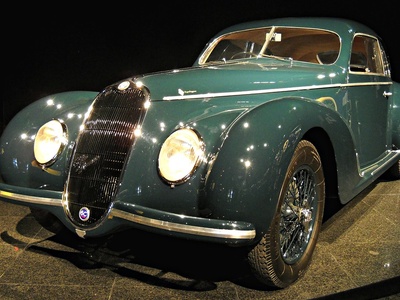
6C 2500 Sport
A pre- and post-war Italian masterpiece, the 6C 2500 was often fitted with stunning custom coupe bodies by coachbuilders like Touring and Pinin Farina. It combined racing-derived engineering with breathtaking automotive art.
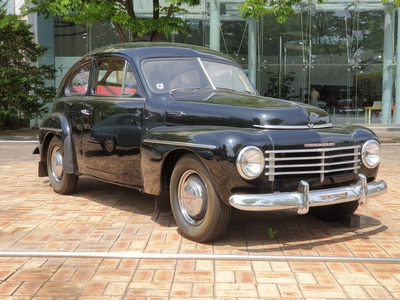
PV444
Known as the car that put Volvo on the map, the PV444 was a durable two-door fastback with unibody construction. Its American-inspired styling and robust build quality earned it a reputation for being tough and reliable.
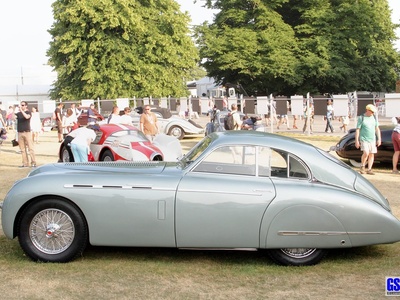
T26 Grand Sport
An exclusive French grand tourer, the T26 GS was a chassis built for custom coachwork. The stunning coupes by Saoutchik and Figoni et Falaschi are considered masterpieces of post-war flamboyant ‘teardrop’ design.
Coupes in Other Decades

Marco Delantero
More from Marco DelanteroHow we reviewed this article
This article was researched against manufacturer records and editorially reviewed before publishing. We accept no payment for coverage.