
7 Advantages of Off-Road Vehicle vs SUV
Picture early desert rallies of the 1960s and 1970s — drivers in stripped-down, spartan machines tackling dunes and dirt tracks that family sedans and mainstream SUVs couldn’t touch. Many buyers today still lump every raised crossover into a single category, but vehicles built for off-roading are engineered with different priorities: capability, serviceability, and long-term durability. For people who spend meaningful time off pavement, purpose-built off-road rigs deliver measurable advantages — this piece lays out seven of them and explains when each advantage matters. (Quick stat to source: what percentage of new-vehicle buyers list outdoor recreation as a primary use — a concrete number here will help anchor the piece.)
Performance & Capability
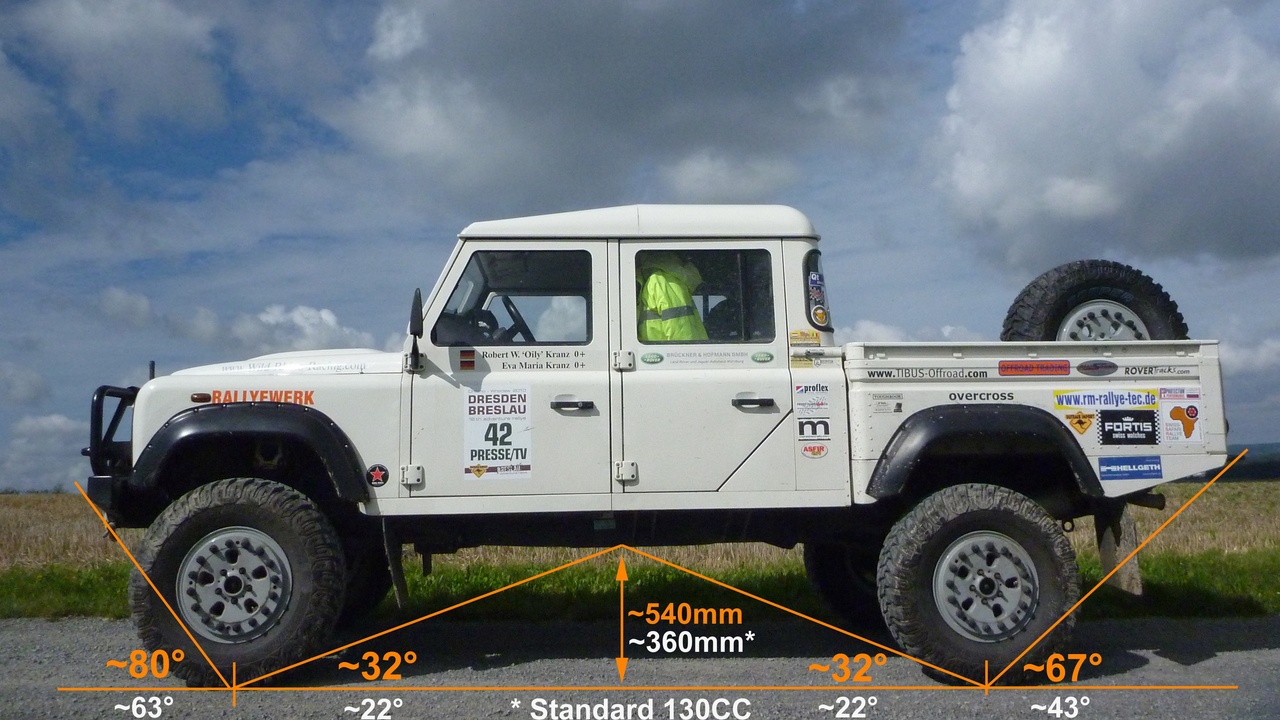
Off-pavement performance comes down to geometry, traction systems, and suspension design. Dedicated off-road models start with hardware choices that let them clear obstacles, claw up steep, loose surfaces, and keep tires planted when the terrain goes sideways — features most car-based crossovers simply don’t prioritize.
1. Superior ground clearance and approach/departure angles
Off-road vehicles generally offer more ground clearance and much sharper approach/departure angles than consumer SUVs, which reduces the chance of scraping or getting hung up. For example, a Jeep Wrangler Rubicon lists roughly 10.8–11.0 inches of ground clearance and an approach angle in the low-to-mid 40s (degrees) on manufacturer spec sheets; a Ford Bronco with the Sasquatch package can exceed 11 inches with 35-inch tires. By contrast, a compact crossover like the Toyota RAV4 or Honda CR‑V is typically in the 7.8–8.6 inch range. Those extra 2–4 inches and the steeper approach/departure numbers matter on rock gardens, steep driveways, and deep ruts — they let you ride over boulders and ledges that would nick a crossover’s belly pan.
2. Better traction systems and low-range gearing
Purpose-built 4x4s often include locking differentials, selectable traction modes and true low-range transfer cases that give precise crawl-speed control. A Wrangler Rubicon, Ford Bronco, or Toyota 4Runner TRD Off‑Road will list locking front/rear diffs and transfer-case ratios in their tech specs (low-range ratios commonly in the ~4:1 neighborhood on rock-focused transfers or equivalent effective gearing). That mechanical advantage multiplies engine torque at the wheels, aiding steep climbs, mud bogs and controlled descents. Crossovers usually rely on traction-control algorithms and AWD clutches — fine for wet roads, less capable where slow, constant torque and locked axles are needed for momentum-free obstacles.
3. Purpose-built suspension and articulation for rough terrain
Off-road vehicles use suspension designs optimized for wheel travel and articulation rather than pure on-road comfort. Solid-axle setups (common on many Jeeps and older trucks) and purpose-tuned long-travel options provide extra tire contact on uneven rock. Factory specs often quote wheel travel or suspension stroke in inches; aftermarket long-travel kits commonly add several inches of travel and can increase effective articulation by 20–50%. That keeps tires planted over ledges and into holes, improving traction and control. Crossovers with independent suspension are tuned for handling and noise, not maximum articulation; aftermarkets exist, but bolt-in compatibility and strength are generally better on true off-road platforms.
Practicality & Ownership Costs
Capability is only part of the story; long-term ownership costs, upgradeability, and how well a vehicle accepts accessories matter a lot for people who use rigs for camping, guiding, or work. Dedicated off-road models tend to support heavier mods, keep resale value within enthusiast niches, and offer stronger OEM tow/payload options than car-based crossovers.
4. Easier and more cost-effective to modify for serious off-roading
Off-road vehicles benefit from large aftermarket ecosystems, which keeps parts affordable and installs straightforward. Typical price ranges: basic lift kits from $500 for a moderate spacer or coil pack to $3,000–$5,000 for full long‑arm systems; winches commonly $700–$1,500; ARB or steel bumper systems $1,200–$3,000. Brands like Warn (winches), ARB (bumpers/air lockers), and Fox (shocks) list bolt-on kits for Jeep Wrangler and Toyota 4Runner platforms, and many of those installs are doable in a weekend by an experienced DIYer or a local shop. Crossovers can accept some of the same parts, but frame strength, bumper mounts and clearance often limit what you can bolt on without costly fabrication.
5. Better suited for mixed recreation and work (payload, towing, accessory mounting)
Pickup-based and body-on-frame off-road SUVs prioritize payload and towing. For example, a modern Toyota Tacoma can tow up to roughly 6,800 lbs and carry payloads commonly in the 1,200–1,600 lb range depending on configuration; a Ford Ranger can be configured to tow near 7,500 lbs. By comparison, compact crossovers like the RAV4 usually top out around 3,500 lbs towing or less, and subcompact models are often limited to 1,500–2,000 lbs. Roof-rack load limits and factory tow packages on off-road platforms are typically higher, enabling rooftop tents, recovery gear and trailers without overstressing mounts. That matters when you’re hauling kayaks, a small utility trailer, or gear for extended backcountry trips.
Safety, Durability & Field Repairability
When you’re hours from the nearest shop, design choices that reduce damage and simplify repairs can be safety features, not luxuries. Off-road vehicles often come with heavier underbody protection, stronger frames and simpler drivetrains that make roadside fixes faster and less likely to strand a party.
6. Simpler mechanicals and greater field repairability
Many off-road platforms use mechanically simple, serviceable layouts — solid axles, straightforward transfer cases and common bolt patterns — so basic repairs are possible with a small set of tools. Common field fixes include changing a tire, swapping a driveshaft U-joint (1–3 hours with the right tools), or patching a fuel or coolant line. Older Toyota trucks and Wrangler-series Jeeps have extensive parts interchangeability and a global parts supply; that parts commonality shortens downtime in remote regions. A basic recovery and tool kit (hand tools, jack, tire plug kit, spare U-joints or driveshaft bolts) can make the difference between a day-long wait and getting back on the trail that afternoon.
7. Built-in damage tolerance: skid plates, reinforced frames, and recoverability
Off-road models often include or offer robust underbody protection and factory-rated recovery points. Typical protective elements are full-length skid plates, rocker protection or rock sliders, and heavy-duty bumpers with shackle mounts. Aftermarket steel skid plates can weigh 40–120 lbs depending on coverage; factory options balance coverage and weight. Vehicles with integrated recovery points and reinforced mounts reduce the risk of catastrophic frame or drivetrain damage and speed safe winching or towing. Manufacturers like Land Rover and Toyota offer factory skid and bash plates on adventure trims (e.g., Defender, 4Runner TRD), and aftermarket bumpers with rated recovery points typically run $800–$2,000. Those features lower the chance a stuck situation becomes a trip-ending failure.
Summary
- Purpose-built geometry and drivetrains give off-road vehicles clear superiority in clearance, approach/departure angles and traction control for technical terrain.
- Stronger aftermarket ecosystems mean lift kits, winches and bumper systems are easier to source and afford for platforms like the Jeep Wrangler and Toyota 4Runner.
- Payload, towing and roof-rack capacity favor truck- and body-on-frame-based off-road rigs for mixed recreation and work use.
- Simpler mechanical layouts and factory or aftermarket protection (skid plates, recovery points) reduce downtime and make remote repairs far more practical.
- Before you buy, match intended use to hardware: if you plan sustained off-pavement travel, budget for at least one major upgrade and test-drive both a purpose-built off-roader and a mainstream SUV in realistic conditions to see how they compare.
Other Car Type Comparisons

Marco Delantero
More from Marco DelanteroHow we reviewed this article
This article was researched against manufacturer records and editorially reviewed before publishing. We accept no payment for coverage.