Table of Contents
- TLDR
- Why 2014 Was a Turning Point Year for Chevy
- Cars and Sedans
- Performance
- SUVs and Crossovers
- Trucks and Vans
- 2014 Chevrolet Lineup at a Glance
- Buying One in 2026: What Actually Matters
TLDR
If you’re shopping the 2014 Chevy lineup as a used car in 2026, three models stand well above the rest: the redesigned Impala (a genuinely good full-size sedan that quietly beat the Camry and Accord in some reviews that year), the Silverado (first year of the K2XX generation, and the safest bet for long-term durability), and the Camaro Z/28 (a track-focused halo car that’s already climbing in collector value). Skip the first-gen Spark unless the price is throwaway-cheap, and budget for a transmission inspection on any Cruze with the old six-speed automatic.
Why 2014 Was a Turning Point Year for Chevy
Chevrolet didn’t just refresh its lineup in 2014 – it replaced or heavily revised nearly a third of it. The Impala had just finished its first full year on an all-new platform. The Corvette had swapped its C6 body for the C7 Stingray, the most significant Corvette redesign in over a decade. The Silverado had entered its second model year on the K2XX platform, meaning the early bugs from the 2013 launch were largely sorted out.
That combination – new-generation cars past their rocky first year, plus genuinely new engineering underneath familiar names – is why 2014 sits in a sweet spot for used-car shoppers. You get modern safety tech and drivetrains without paying new-car depreciation, and without the “first model year” risk that makes enthusiasts wary of 2013 examples of the same cars.
Cars and Sedans
Chevrolet Spark
The Spark was Chevy’s entry-level city car, and 2014 was its last year before a mid-cycle refresh in 2016. It got a CVT option for the first time, replacing the jerky 4-speed automatic that reviewers had panned in 2013. That change alone made a real difference in daily drivability – the earlier automatic hunted for gears in stop-and-go traffic in a way the CVT smoothed out. It’s still a 1.2-liter, 84-horsepower commuter car with a tiny back seat, so temper expectations accordingly.
Chevrolet Sonic
The Sonic picked up more standard safety equipment for 2014, including a rearview camera on higher trims, and the turbocharged 1.4-liter engine remained the pick over the base 1.8-liter naturally aspirated four. The turbo isn’t just quicker – it’s also the more relaxed engine on the highway, since it doesn’t need to be wrung out to keep pace with traffic. The Sonic RS, with its firmer suspension and dual exhaust, is the trim enthusiasts actually look for.
Chevrolet Cruze
The Cruze carried over largely unchanged mechanically but added the Cruze Clean Turbo Diesel nationwide after a limited 2013 launch – a 2.0-liter diesel rated near 46 mpg highway, unusual for a compact sedan sold in the U.S. at the time. The more common 1.4-liter turbo gas engine remained the volume seller. Watch for the six-speed automatic transmission on higher-mileage examples; it’s the Cruze’s most common repair item, and a pre-purchase inspection that includes a transmission fluid check is worth the $100.
Chevrolet Malibu
2014 was a mid-cycle refresh year for the Malibu, and GM used it to fix the car’s biggest complaint: rear legroom, which critics had called out as tight for the segment since the redesign launched in 2013. GM stretched the rear doors and adjusted the seat design to free up several inches of knee room without changing the wheelbase. The Malibu also gained Chevy’s stop-start system on four-cylinder models, a fuel-saving feature that cuts the engine at stoplights – it’s unobtrusive in practice, restarting fast enough that most drivers stop noticing it within a week.
Chevrolet Impala
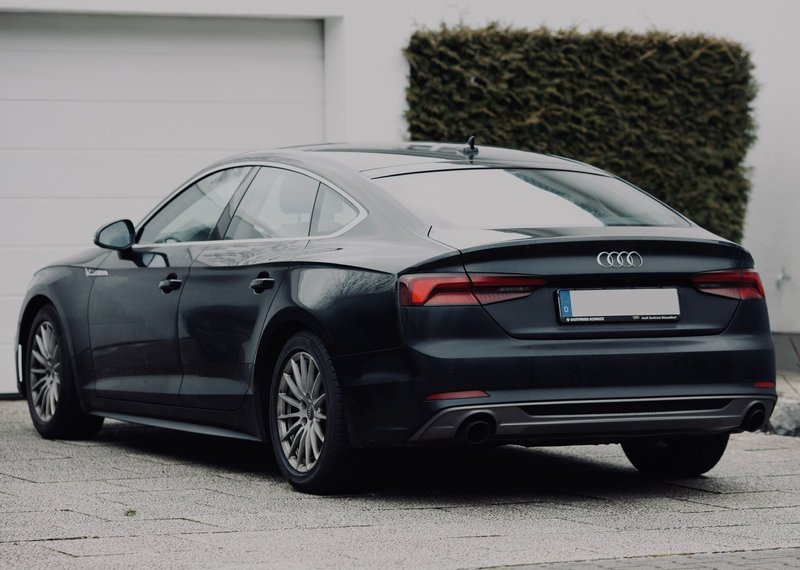
This is the model year to know. The Impala had gone through a full ground-up redesign for 2014’s predecessor year, moving off the aging W-body platform onto the Epsilon II architecture shared with the Cadillac XTS. By 2014, it was among the best cars of 2014, with Consumer Reports and Car and Driver both ranking it above the Toyota Avalon and near the top of the full-size sedan segment – a genuine surprise for a nameplate that had spent a decade as rental-fleet filler. The 2.5-liter and 3.6-liter V6 engines both carried over, but the real story is the chassis: quieter, better damped, and finally competitive on a road test rather than just on a spec sheet.
Chevrolet Volt
The Volt received modest trim and infotainment updates for 2014 but kept its core formula: roughly 38 miles of pure electric range from the battery pack, backed by a gas generator that extends total range past 300 miles. That range-extender setup remains one of the more clever solutions to EV range anxiety from this era – you get short-trip electric commuting most weeks and never have to plan a road trip around charging stations.
Performance
Chevrolet Camaro
The standard Camaro received a mild refresh for 2014, but the real news sat above it: the return of the Z/28, a track-focused variant that hadn’t worn that badge since 2002. GM stripped weight, fitted Multimatic DSSV spool-valve dampers borrowed from the Corvette Z06 program, and wrapped Pirelli Trofeo R tires around 19-inch wheels. Motor Trend clocked it faster around Virginia International Raceway than the contemporary Camaro ZL1, despite the Z/28 giving up over 100 horsepower to the supercharged car – a result that surprised even GM’s own engineers, according to period reporting. Values on clean Z/28s have been climbing steadily; this is the one 2014 Chevy worth buying purely as a future collector piece.
Chevrolet Corvette Stingray
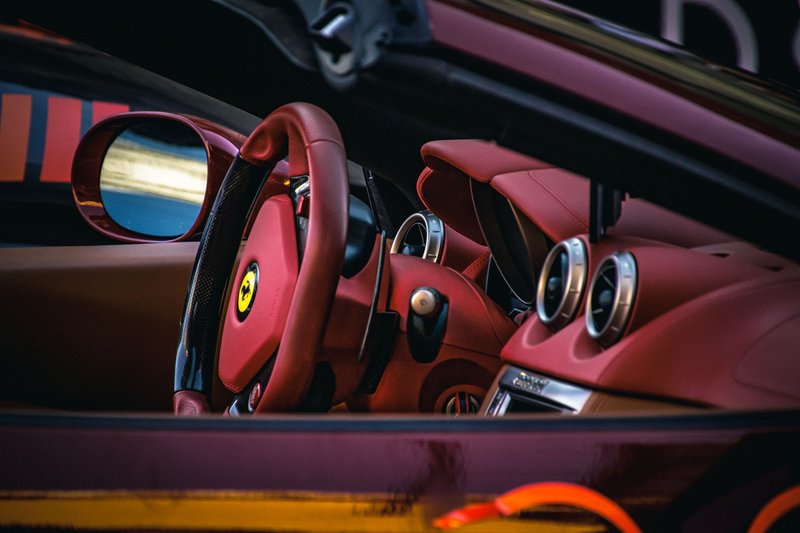
2014 marked the launch of the C7 Corvette Stingray, the most dramatic Corvette redesign since the C5 arrived in 1997. The new 6.2-liter LT1 V8 made 455 horsepower (460 with the performance exhaust), backed by either a seven-speed manual with rev-matching or a six-speed automatic. Inside, the C7 finally addressed the interior quality complaints that had dogged Corvettes for two generations – real stitched materials replacing the hard plastics of the C6. It’s the model that repositioned the Corvette as a legitimate rival to the Porsche 911, not just a value alternative to one.
SUVs and Crossovers
Chevrolet Equinox
The Equinox got a light refresh – new front and rear styling, a revised dashboard – but kept its two-engine strategy: a 2.4-liter four for buyers prioritizing fuel economy, and a 3.6-liter V6 for anyone who’d rather not think about towing capacity. The V6’s extra weight capacity and smoother highway passing power make it the better all-around pick if the fuel economy gap doesn’t scare you off.
Chevrolet Traverse
The three-row Traverse carried into 2014 largely unchanged, still built on the same Lambda platform as the Buick Enclave and GMC Acadia. Its main selling point remained cabin space – a genuinely usable third row that many competitors in this class treat as an afterthought – paired with a 3.6-liter V6 that’s proven durable across the Lambda-platform lineup.
Chevrolet Tahoe and Suburban
Both full-size SUVs were in the final year of their outgoing generation before a full redesign for 2015, which makes 2014 the last of the “old” Tahoe and Suburban – a known quantity with a long production run behind it rather than a first-year unknown. The 5.3-liter V8 with variable valve timing and cylinder deactivation was the standard engine, and it’s earned a reputation as one of GM’s more bulletproof modern V8s.
Trucks and Vans
Chevrolet Silverado
2014 was the Silverado’s second year on the K2XX platform, and that matters more than it sounds like it should. First-model-year trucks tend to carry more warranty claims and running production changes; by year two, GM had ironed out early issues with things like the EcoTec3 V8’s variable valve timing calibration. Buyers could choose between the 4.3-liter V6, 5.3-liter V8, or 6.2-liter V8, all part of the new EcoTec3 direct-injection family that replaced the outgoing Vortec engines. Trim levels ran from the stripped-down Work Truck through LT, LTZ, and High Country, the last a new addition aimed squarely at Ford’s King Ranch and Ram’s Laramie Longhorn.
Chevrolet Express
The Express van soldiered on with minimal changes, still built on a body-on-frame platform that dated back to the late 1990s. It’s the one 2014 Chevy that wasn’t part of the year’s broader modernization push – useful to know if you’re cross-shopping it against the more current competition, since the Express prioritizes proven simplicity over updated tech.
2014 Chevrolet Lineup at a Glance
| Model | Body Style | MSRP Range (2014) | EPA MPG (city/hwy) |
|---|---|---|---|
| Spark | Subcompact car | $12,995–$16,685 | 31/38 |
| Sonic | Compact car | $14,995–$21,120 | 24/34 (turbo) |
| Cruze | Compact sedan | $17,520–$24,885 | 27/38 (turbo gas) |
| Malibu | Midsize sedan | $22,910–$31,105 | 25/36 (2.5L) |
| Impala | Full-size sedan | $27,535–$34,410 | 22/32 (3.6L V6) |
| Volt | Plug-in hybrid hatchback | $34,995 | ~38 mi electric range |
| Camaro | Muscle car coupe/convertible | $23,555–$75,000 (Z/28) | 19/30 (V6) |
| Corvette Stingray | Sports car coupe/convertible | $51,995–$56,995 | 17/29 (manual) |
| Equinox | Compact crossover | $23,720–$34,510 | 22/32 (2.4L) |
| Traverse | Midsize 3-row SUV | $30,555–$44,140 | 17/24 (V6) |
| Tahoe | Full-size SUV | $43,935–$62,510 | 15/21 (5.3L V8) |
| Suburban | Full-size SUV (extended) | $46,975–$64,205 | 15/21 (5.3L V8) |
| Silverado | Full-size pickup | $24,585–$47,265 | 18/24 (V6, 2WD) |
| Express | Full-size van | $27,700–$36,900 | 13/17 (V8) |
Buying One in 2026: What Actually Matters
A 2014 Chevy is now over a decade old, which means the question isn’t “is it reliable” in the abstract – it’s “which specific weak point does this specific model have.” A few patterns show up consistently in owner forums and mechanic reports from this generation:
The Cruze’s six-speed automatic is the most commonly flagged issue on the sedan side – listen for hesitation or harsh shifts between second and third gear during a test drive. The Equinox and Traverse’s V6, along with the Malibu’s four-cylinder, have had reported oil consumption complaints tied to piston ring design, so check oil level history if the seller has service records. The Silverado and full-size SUVs’ 5.3-liter V8 is the strongest bet in the lineup for high-mileage durability, with plenty of examples clearing 200,000 miles on original engines according to Consumer Reports’ reliability surveys. The Corvette Stingray and Camaro Z/28, being lower-production performance cars, are worth a pre-purchase inspection from a shop that specializes in GM performance cars rather than a generic mechanic – modification history matters more for resale on these two than on anything else in the lineup.
Resale value has held up unevenly. The Impala and Silverado depreciate at a normal, predictable rate for the segment. The Z/28 and Stingray have both appreciated in enthusiast circles as GM’s most focused examples of their respective badges from this era. Everything else – Spark, Sonic, Cruze, Equinox – trades in typical used-economy-car territory, which is good news if you’re shopping on price and bad news if you were hoping for appreciation.
The short version: 2014 caught Chevrolet mid-transformation, with new platforms under old names and a genuine performance flex at the top of the lineup. A decade on, that’s left a used-car list with more actual variety in quality and character than most single model years offer.

Tyler Bridges
More from Tyler BridgesHow we reviewed this article
This article was researched against manufacturer records and editorially reviewed before publishing. We accept no payment for coverage.