The 1980 model year doesn’t get its own list. It gets folded into “the ’80s,” lumped in with the Countach posters and the Testarossa from Miami Vice — cars that showed up later, when the decade had figured itself out. But 1980 itself was the bottom of the barrel. Second oil shock, choked emissions hardware, horsepower numbers that read like typos. A Corvette that made 190 horsepower in California. A Mustang with an asthmatic four-cylinder. This was the malaise era at its most malaise.
And that’s exactly why it’s worth a closer look. The 1980 lineup is a snapshot of an industry in crisis, improvising in real time — some swings missed badly, a few landed, and a couple of cars from this year aged into genuine collectibles. Here are the ones that mattered, what they cost then, and what they go for now.
Table of Contents
- TLDR: The 1980 cars worth knowing
- What was going on in 1980
- AMC Eagle
- Mercedes-Benz W123 (300D)
- BMW 633CSi
- Cadillac Eldorado
- Chevrolet Corvette
- Dodge Mirada
- Triumph TR7
- Lincoln Continental Mark VI
- Which ones to actually buy
TLDR: The 1980 cars worth knowing
If you want the short version: the AMC Eagle is the most historically important car of the year — it basically invented the crossover, 30 years early. The Mercedes W123 300D is the smartest thing to actually own and drive, because the diesel still runs and parts still exist. The BMW 633CSi is the prettiest. And the Triumph TR7 is the cheap entry ticket if you want a 1980 classic in your garage this weekend and don’t mind British wiring.
Everything else here is interesting, but those four are the ones that earn the parking space.
What was going on in 1980
To understand why a 1980 Corvette makes less power than a modern Honda Civic, you have to understand the squeeze the industry was in.
The 1979 Iranian Revolution triggered the second oil crisis, and gas prices roughly doubled in a year. At the same time, federal emissions rules were tightening hard, and the catalytic-converter-plus-carburetor combinations of the era strangled engines without the fuel-injection finesse that would fix things a few years later. Detroit’s answer was downsizing — shrinking cars and engines fast — while learning front-wheel drive on the fly. The EPA’s own fuel economy history shows average horsepower bottoming out right around this point before climbing back for decades after.
So 1980 cars are slow. Accept that going in. What they offer instead is character, oddball engineering, and — for several of them — prices that haven’t caught up to their significance.
AMC Eagle
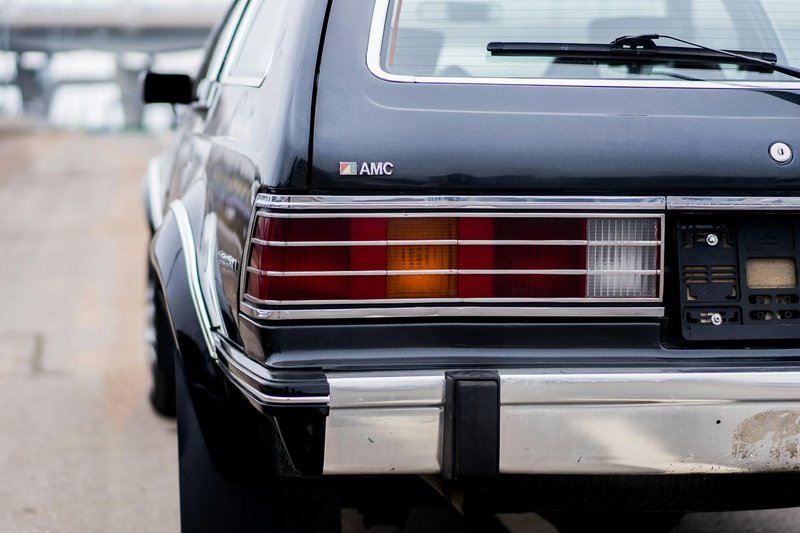
This is the one history vindicated. AMC, broke and desperate, took a Concord sedan, jacked it up two inches, and bolted in a full-time four-wheel-drive system borrowed from Jeep know-how. The result was a passenger car that could climb a snowbank. Nobody had a name for it in 1980. We call it a crossover now, and basically every SUV-shaped thing in your neighbor’s driveway owes it a quiet debt.
The Eagle used a viscous-coupling center differential that split power front to rear automatically — genuinely clever for a company with no money. It came as a sedan, wagon, and two-door, all riding on that lifted stance with the fender flares that make it instantly recognizable.
- Engine: 4.2L inline-six, ~110 hp
- Drivetrain: Full-time 4WD (the whole point)
- MSRP then: ~$7,200
- Value now: $8,000–$18,000 for clean wagons; sharp ones climb past $20k
It’s slow and thirsty, but it’s the most important car AMC ever built, and the collector market has finally noticed.
Mercedes-Benz W123 (300D)
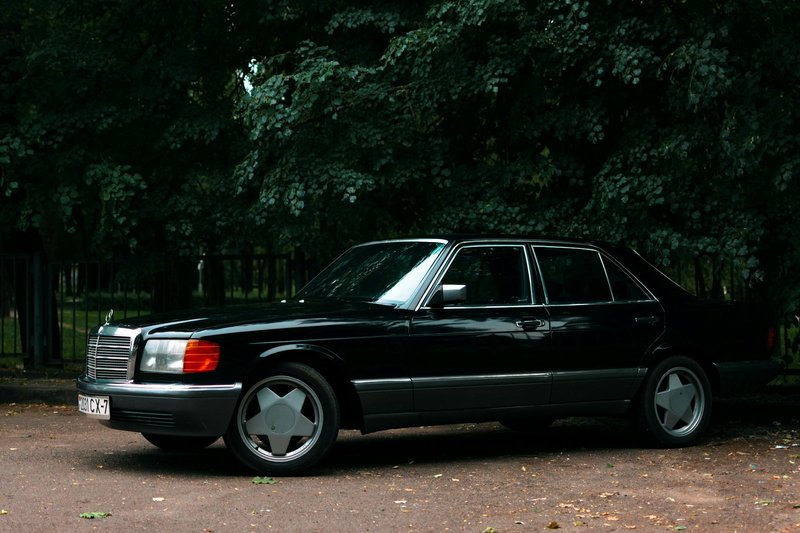
If you want a 1980 car you can actually use as a car in 2026, this is it. The W123 is the Mercedes that built the brand’s reputation for indestructibility. The 300D’s five-cylinder diesel is famous for cresting 300,000 miles, and plenty have gone well past half a million on original blocks.
It is not fast. The turbodiesel that arrived this year made a sleepy 120-ish horsepower and took its time getting anywhere. But it does everything else right: the doors close with that vault-like thunk, the seats are MB-Tex that survives decades of sun, and the mechanicals are simple enough to fix in a driveway. The W123 is one of the most-produced Mercedes platforms ever, which means parts are still everywhere. That reputation for bulletproof simplicity is also exactly what Mercedes spent the following decades slowly trading away for electronics — you can watch the shift play out in the 2007 Mercedes-Benz lineup, a generation built on a very different idea of what the brand should be.
- Engine: 3.0L OM617 turbodiesel five-cylinder, ~120 hp
- 0–60: Bring a calendar (around 13 seconds)
- MSRP then: ~$23,000
- Value now: $9,000–$25,000; well-kept turbodiesels lead the pack
This is the rare 1980 model that’s a smart daily-able classic, not just a museum piece.
BMW 633CSi
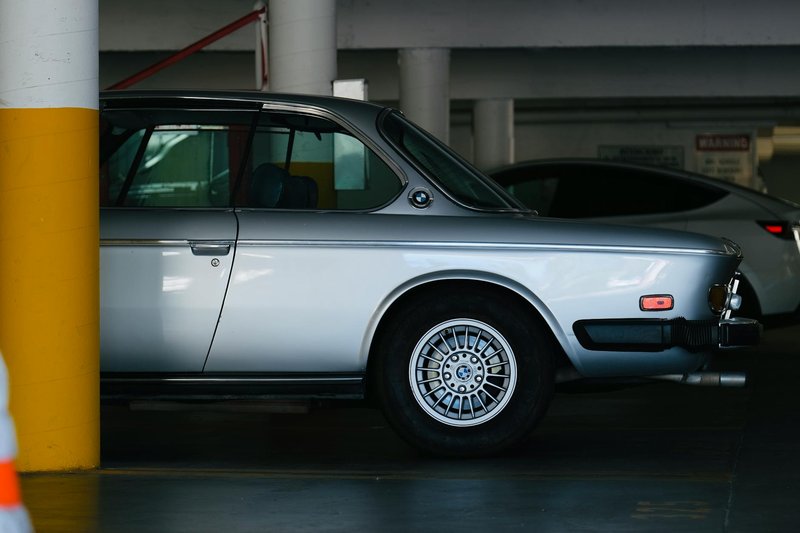
The prettiest car on this list, full stop. The E24 6-Series was Paul Bracq’s shark-nosed grand tourer, and the 633CSi was the US version softened just enough to clear American bumper and emissions rules without losing the shape.
The federalized 3.2-liter six lost some bite compared to the European cars — US emissions tuning knocked it down to around 174 horsepower — but the chassis and the proportions survived intact. This is a car you buy because it looks like a million dollars sitting still, and it drives like a proper continent-crossing coupe once it’s rolling.
- Engine: 3.2L inline-six, ~174 hp
- Transmission: 4-speed manual or automatic
- MSRP then: ~$28,000
- Value now: $15,000–$40,000+ for early manual cars in good shape
Values have been creeping up steadily as buyers priced out of older BMW coupes look downstream.
Cadillac Eldorado
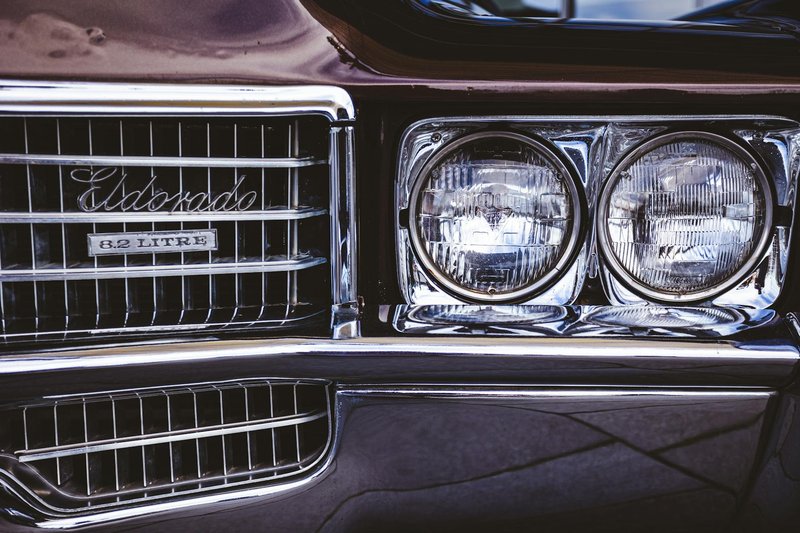
The 1980 Eldorado was riding the second year of its downsized generation — smaller than the road-going aircraft carriers of the ’70s, but still unmistakably Cadillac, with the razor-edge styling and front-wheel drive. The problem was under the hood.
GM, panicking about fuel economy, fielded some genuinely troubled engines this year. The Eldorado could be had with the 368 V8 and, worse, the digitally-controlled mess that led into the infamous V8-6-4 cylinder-deactivation system. The idea — shut off cylinders to save gas — was decades ahead of its time, and the 1980-era electronics weren’t remotely up to executing it. Buyers loved the car and cursed the engine.
- Engine: 6.0L (368 cu in) V8, ~145 hp
- Drivetrain: Front-wheel drive
- MSRP then: ~$16,000
- Value now: $7,000–$20,000 depending on engine and condition
Buy one for the styling and the velour, not the drivetrain. Find one that’s had its engine sorted and you’ve got a comfortable cruiser for cheap.
Chevrolet Corvette
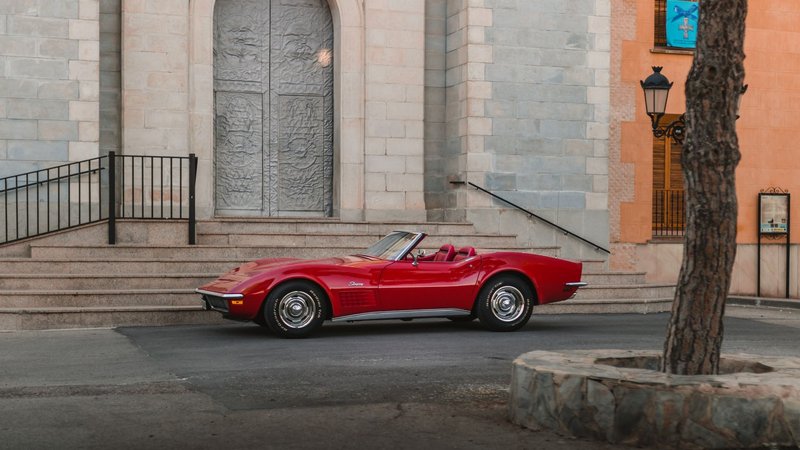
The C3 Corvette was in its twilight by 1980, and emissions rules had done a number on America’s sports car. The headline humiliation: California cars couldn’t even get the 350 V8. State buyers were stuck with a 305 making 180 horsepower, while the rest of the country got a 350 rated at a still-modest 190.
For context, that’s a sports car making less power than a 2026 economy sedan. But the 1980 model did get a real upgrade — a restyled front and rear with integrated spoilers that improved aerodynamics and dropped weight, the kind of detail engineers fight for when they can’t add power. Things didn’t bottom out here, either; just two years later the lineup had thinned to the point where the 1982 Corvette models amounted to a single coupe and a Collector Edition send-off before the C4 arrived.
- Engine: 5.7L V8 (350), ~190 hp / 5.0L (305) in California, ~180 hp
- 0–60: Around 8 seconds — slow for a Corvette
- MSRP then: ~$13,000
- Value now: $10,000–$22,000; numbers-matching cars at the top
It’s the cheapest way into Corvette ownership, and the shape still turns heads even if the engine won’t.
Dodge Mirada
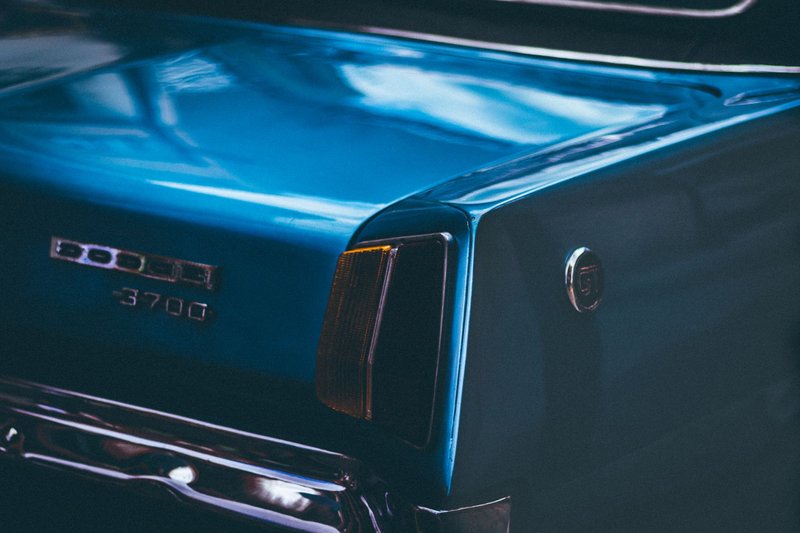
A deep cut, and an interesting one. Chrysler was circling the financial drain in 1980 — the federal loan guarantees that saved the company were signed that January — and the Mirada was its attempt at a personal luxury coupe on the J-body platform, sharing bones with the Chrysler Cordoba.
The Mirada is a footnote now, but it’s a clean-looking two-door with that crisp early-’80s formality, and it’s tied to one of the most dramatic survival stories in American industry. A handful were even built with the 360 V8 before the lineup shrank to slant-sixes and small V8s. They’re rare because they didn’t sell well, which is exactly what makes a surviving one a curiosity worth saving. Within a few years the rear-drive coupes were gone entirely, and the 1983 Dodge lineup shows where the company went instead — all-in on the front-wheel-drive K-car compacts that actually paid the bailout back.
- Engine: 5.2L (318) V8, ~120 hp (360 available early)
- Platform: Chrysler J-body
- MSRP then: ~$6,600
- Value now: $5,000–$14,000; very condition-dependent and hard to find
If you like owning the car nobody at the show can identify, the Mirada is your move.
Triumph TR7
The wedge. British Leyland’s doorstop-shaped sports car was as divisive in 1980 as it is today — you either love that origami profile or you don’t. It was famously launched with the tagline calling it “the shape of things to come,” which the rest of the industry politely ignored.
Build quality was British-Leyland-era spotty, the 2.0-liter four made around 90 horsepower, and the electrics have a sense of humor. But the TR7 is genuinely fun to fling around a back road, the convertible that arrived late in the run looks far better than the coupe, and it remains the most affordable way to put a 1980 European sports car in your garage.
- Engine: 2.0L inline-four, ~90 hp
- Body: Coupe or convertible
- MSRP then: ~$8,500
- Value now: $5,000–$15,000; tidy convertibles at the top
Cheap, characterful, and a perfectly low-stakes entry into classic ownership — just keep a spare set of fuses.
Lincoln Continental Mark VI
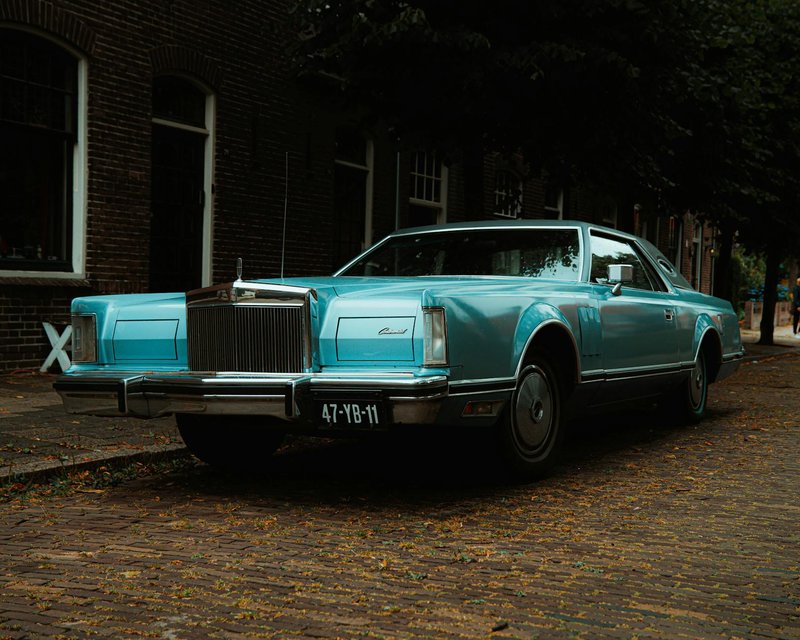
While GM had already downsized, Ford brought its big personal-luxury coupe down to earth in 1980 with the Mark VI, shifting it onto the Panther platform. It was smaller than the gargantuan Mark V it replaced, but still draped in the full Lincoln playbook: hidden headlamps, a spare-tire hump on the trunk, an opera window, and acres of leather or velour.
The 1980 Mark VI also leaned into early digital gadgetry — a keyless entry keypad on the door and a message center — features that felt space-age in a car otherwise built around quiet, floaty isolation. The 302 V8 underhood was, predictably, more about smoothness than speed.
- Engine: 5.0L (302) V8, ~130 hp
- Platform: Ford Panther
- MSRP then: ~$15,000
- Value now: $8,000–$22,000 for clean, low-mile examples
It’s a rolling living room and a perfect time capsule of what “luxury” meant before German sport sedans rewrote the rules.
Which ones to actually buy
The 1980 model year was a low point for performance and a fascinating one for engineering desperation. If you’re shopping for one today, here’s how the field shakes out:
- For history: The AMC Eagle. You’re buying the great-grandparent of every crossover on the road.
- For driving: The Mercedes W123 300D. Slow, yes — but it’ll outlast you, and you can fix it yourself.
- For looks: The BMW 633CSi. Nothing else from 1980 ages this well.
- For cheap fun: The Triumph TR7. Lowest entry price, highest grin-per-dollar, manageable risk.
- For the conversation piece: The Dodge Mirada, tied to the Chrysler bailout that reshaped the industry.
None of these will win a stoplight drag race against a modern minivan. That was never the point. They’re artifacts of the year Detroit and its rivals hit bottom and started clawing back — and a few of them are still undervalued enough that the smart money is buying now, before the rest of the market figures out that 1980 deserves its own list.

James Kowalski
More from James KowalskiHow we reviewed this article
This article was researched against manufacturer records and editorially reviewed before publishing. We accept no payment for coverage.