The 2005 Ford lineup is one of the more interesting model years to shop in 2026, and not because everything aged well. Two cars from that year genuinely mattered: the retro-styled S197 Mustang that brought back the fastback look everyone wanted, and the Escape Hybrid, the first hybrid SUV from an American automaker. The rest of the lineup ranges from “still a smart cheap buy” to “walk away unless it’s free.”
Most pages you’ll find either list the 2005 Fords with specs and nothing else, or show you live dealer inventory with prices but zero guidance on what’s actually reliable. This pulls both together: every 2005 Ford car and SUV, what they cost now, what breaks on them, and a straight verdict on each.
Table of Contents
- Quick Answer: The Best 2005 Fords to Buy
- The 2005 Ford Lineup at a Glance
- 2005 Ford Mustang
- 2005 Ford Escape and Escape Hybrid
- 2005 Ford Focus
- 2005 Ford Five Hundred
- 2005 Ford Freestyle
- 2005 Ford Explorer
- 2005 Ford Crown Victoria
- Common 2005 Ford Problems to Check
- Final Buying Advice
Quick Answer: The Best 2005 Fords to Buy {#quick-answer}
If you want the bottom line without scrolling:
- Best overall value: 2005 Ford Focus. Cheap to buy, cheaper to fix, parts everywhere. A solid first car or commuter beater.
- Best for enthusiasts: 2005 Ford Mustang GT. The 4.6L V8 is bulletproof and the retro looks have aged beautifully.
- Most interesting: 2005 Ford Escape Hybrid. A genuine piece of history, but only if the high-voltage battery has been checked.
- Best big sedan / sleeper pick: 2005 Ford Five Hundred. Roomy, comfortable, and dirt cheap because nobody remembers it.
- Avoid unless desperate: 2005 Ford Explorer with high miles. Transmission and timing chain issues make a bad one a money pit.
The 2005 Ford Lineup at a Glance {#lineup-table}
Here’s the full picture. Used values reflect typical 2026 private-party and dealer asking prices for examples in fair-to-good condition with average mileage.
| Model | Body Style | Engine (base) | Original MSRP | Typical Used Price (2026) | EPA MPG (approx.) |
|---|---|---|---|---|---|
| Focus | Compact car | 2.0L / 2.3L I4 | ~$13,000 | $2,000–$4,500 | 26/34 |
| Mustang | Sports coupe | 4.0L V6 / 4.6L V8 | ~$19,000 | $6,000–$14,000 | 19/28 (V6) |
| Five Hundred | Full-size sedan | 3.0L V6 | ~$22,000 | $2,500–$5,500 | 21/29 |
| Freestyle | Crossover wagon | 3.0L V6 | ~$25,000 | $2,500–$5,000 | 19/24 |
| Escape | Compact SUV | 2.3L I4 / 3.0L V6 | ~$19,000 | $3,000–$6,500 | 22/26 (I4) |
| Escape Hybrid | Compact SUV (hybrid) | 2.3L I4 + electric | ~$27,000 | $3,500–$7,000 | 33/29 |
| Explorer | Midsize SUV | 4.0L V6 / 4.6L V8 | ~$27,000 | $2,750–$6,000 | 15/21 |
| Crown Victoria | Full-size sedan | 4.6L V8 | ~$25,000 | $3,500–$8,000 | 17/25 |
Prices for older used Fords move around a lot by region and condition. If you want to sanity-check a specific listing, the free valuation tools at Kelley Blue Book and Edmunds will get you in the right ballpark before you negotiate. And if you’re curious how this year stacks up against the wider decade, our rundown of Ford’s full 2000s model range puts the 2005 cars in context with everything that came before and after.
2005 Ford Mustang {#mustang}
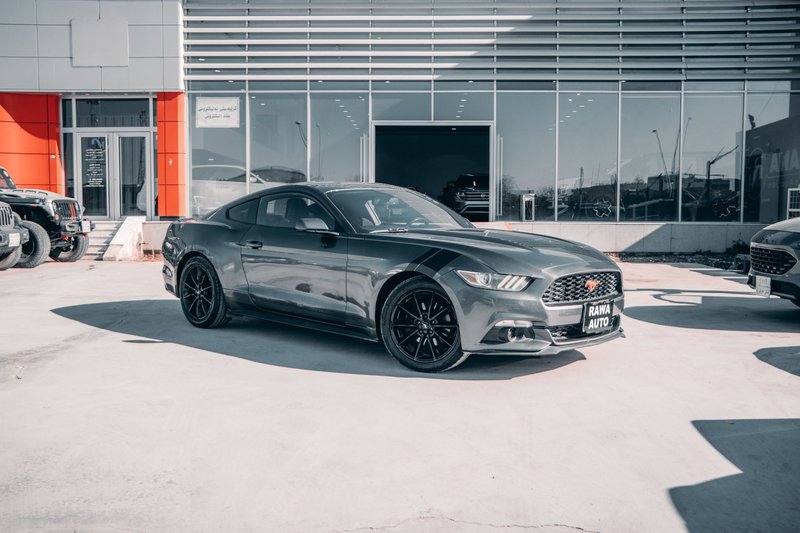
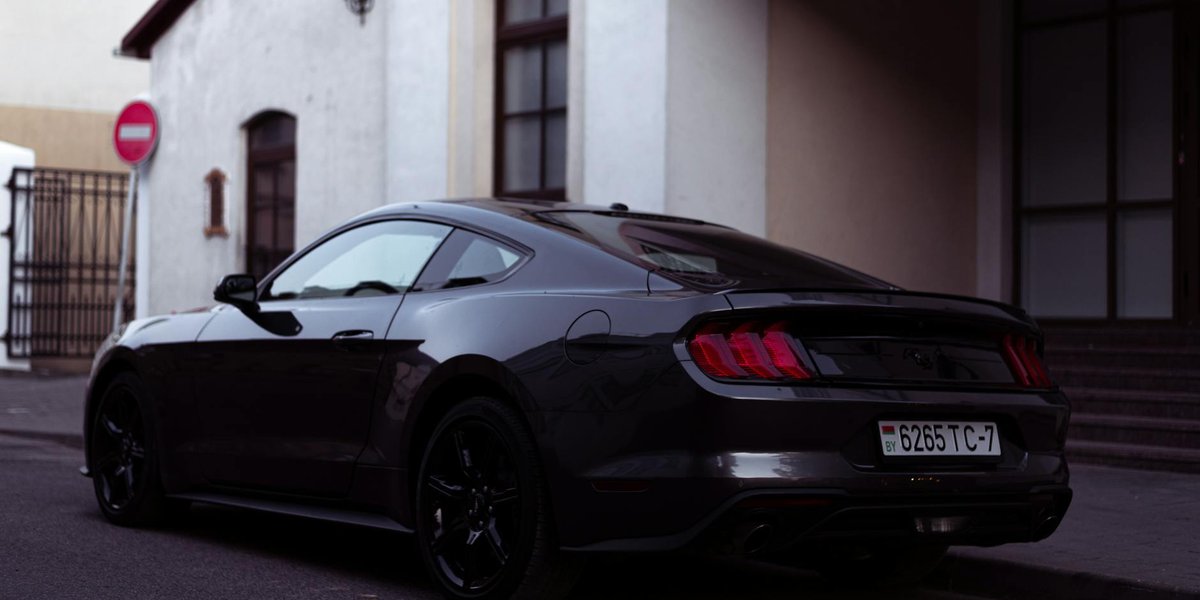
This is the one that matters. The 2005 model year introduced the S197 platform, and Ford finally leaned all the way into the heritage design — the long hood, the three-bar taillights, the round headlamps. It looked like a 1967 fastback that someone built with modern tooling. Two decades later it still holds up, which is more than you can say for most mid-2000s designs.
You’ve got two real choices. The base V6 makes 210 hp from a 4.0L engine. It’s fine, it’s cheap, and it looks the same as the GT from ten feet away. The GT is the one to want: a 4.6L three-valve V8 making 300 hp, paired with either a five-speed manual or a five-speed automatic. The manual is the enthusiast pick and holds value better.
On reliability, the 4.6L V8 is one of Ford’s most durable engines — examples crossing 200,000 miles are common. Watch for worn front suspension bushings and the occasional rear axle whine on hard-driven cars. The interior plastics felt cheap when new and haven’t improved with age.
Is it worth buying in 2026? Yes, especially the GT. It’s a future classic that’s still affordable, fun to drive, and cheap to maintain compared to anything European. A clean manual GT is the smart money.
2005 Ford Escape and Escape Hybrid {#escape}
The regular 2005 Escape is a competent, boxy little SUV with a useful 2.3L four-cylinder or an optional 3.0L V6. It’s not exciting, but it’s the right size, easy to see out of, and parts are everywhere.
The headline is the Escape Hybrid. Ford beat every other domestic automaker to a hybrid SUV with this thing, and the engineering was no joke — Ford licensed some hybrid patents from Toyota, and the system works the same way: it shuts the gas engine off at idle and low speeds, then blends electric and gas power. It returned around 33 mpg in the city, which was unheard of for an SUV in 2005. New York City even ran a fleet of them as taxis, racking up serious mileage as proof the system could take abuse.
The catch in 2026 is the high-voltage battery. These are now 20-plus years old, and a worn-out hybrid battery throws warning lights and kills your fuel economy. A replacement or rebuilt pack can cost more than the truck is worth. Before buying any Escape Hybrid, have a shop scan the battery’s health.
Is it worth buying in 2026? The gas Escape, sure — it’s a reliable cheap SUV. The Hybrid, only if you confirm the battery is healthy or you’re buying it as a curiosity. As transportation, the math rarely works anymore.
2005 Ford Focus {#focus}
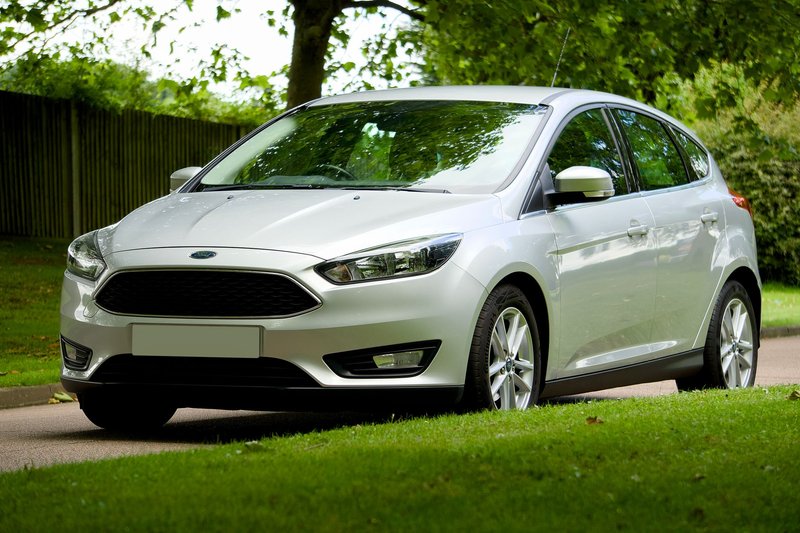
The Focus is the value champion of this list. The 2005 model came in sedan, hatchback, and wagon, with a 2.0L or 2.3L four-cylinder. It was never fast, but it handled better than most compacts of its era — the chassis genuinely earned praise from reviewers when it launched.
What makes it the smart cheap buy now is the cost of ownership. Parts are dirt cheap and plentiful, almost any mechanic knows them, and you can do basic work yourself in a driveway. Common issues are minor: ignition coil failures, the occasional cracked engine mount, and electrical gremlins in the power windows and door locks.
Is it worth buying in 2026? As a first car, a commuter, or a beater you don’t have to baby, absolutely. At $2,000 to $4,500 it’s hard to find anything that does the job for less.
2005 Ford Five Hundred {#five-hundred}
The Five Hundred is the forgotten Ford of 2005, and that’s exactly why it’s a bargain. It was Ford’s full-size sedan, built on a Volvo-derived platform with an enormous interior and a high seating position people loved. The 3.0L Duratec V6 made a modest 203 hp, and you could get all-wheel drive — rare in a sedan at the time.
The weak spot is the transmission. Many came with a continuously variable transmission (CVT) supplied by an outside vendor, and that unit has a poor long-term reliability record. The conventional six-speed automatic is the one to find. Otherwise these are comfortable, quiet highway cars with cavernous trunks.
Is it worth buying in 2026? Yes, if it has the regular automatic, not the CVT. For the money, almost nothing offers this much space and comfort. Just verify which transmission you’re getting before you sign anything.
2005 Ford Freestyle {#freestyle}
The Freestyle was Ford’s attempt at a tall three-row crossover wagon before “crossover” was a household word — basically a Five Hundred with a longer roof and seven seats. Same 3.0L V6, same CVT problem to watch for. The third row is tight but usable, and the flat load floor makes it genuinely practical for hauling stuff.
Is it worth buying in 2026? Niche pick. If you need three rows on a shoestring budget and find one with a healthy transmission, it’s a lot of practical space for very little money. Otherwise the Five Hundred sedan is the safer bet.
2005 Ford Explorer {#explorer}
The Explorer was Ford’s bread-and-butter SUV, and 2005 examples are everywhere. You’ll find the 4.0L V6 or the 4.6L V8, both with available four-wheel drive and real towing capability. As a body-on-frame SUV it does truck things a crossover can’t.
The problem is the 4.0L SOHC V6. It uses a timing chain setup buried at the back of the engine, and the plastic guides and tensioners are a known failure point — fixing it means pulling the engine, which costs serious money. The V8 avoids that headache. Transmissions on high-mileage examples are also a common complaint. The National Highway Traffic Safety Administration database is worth a look for recalls and complaints on any specific Explorer before you buy.
Is it worth buying in 2026? Only a well-maintained one, and preferably the V8. A neglected high-mileage 4.0L Explorer is a classic money pit. Get a pre-purchase inspection — no exceptions.
2005 Ford Crown Victoria {#crown-victoria}

The Crown Vic is the last of a breed: a full-size, body-on-frame, rear-wheel-drive V8 sedan. Cops drove them, cab companies drove them, and they earned a reputation for taking abuse and shrugging it off. The 4.6L V8 and the simple mechanicals make them easy to maintain and almost impossible to kill.
Many on the used market are former police or fleet cars with high miles. That’s not automatically bad — fleet cars get regular maintenance — but check the history. The ride is soft, the handling is loose, and fuel economy is mediocre. None of that is the point. The point is durability and a smooth, quiet highway cruise.
Is it worth buying in 2026? Yes, if you want a no-drama big sedan that runs forever. It’s a favorite among people who value reliability over everything else, and a clean civilian (non-fleet) example is the gem to look for.
Common 2005 Ford Problems to Check {#common-problems}
Across the lineup, a few issues come up enough to flag before you hand over cash:
- Transmissions (Five Hundred, Freestyle): The vendor-supplied CVT is the single biggest red flag. Confirm you’re getting a conventional automatic.
- Timing chain (Explorer 4.0L V6): Listen for a rattle on cold start. That sound means an expensive repair is coming.
- Hybrid battery (Escape Hybrid): Now 20-plus years old. Get the battery health scanned before buying.
- Ignition coils (Focus, others): Cheap to fix, but a rough idle or misfire usually points here.
- Rust: On any of these from a salt-belt state, check the frame, rocker panels, and rear subframe. A solid car from a dry climate is worth a premium.
Always run a vehicle history report and budget for a pre-purchase inspection. On a 20-year-old car, the inspection is the cheapest insurance you can buy.
Final Buying Advice {#final-advice}
The 2005 Ford lineup splits cleanly. The Mustang GT and Crown Victoria are durable, character-rich cars worth seeking out. The Focus is the unbeatable cheap commuter. The Five Hundred is a comfortable bargain if you dodge the CVT. The Escape Hybrid is a fascinating piece of automotive history that only makes sense with a healthy battery.
The ones that need real caution are the high-mileage Explorer with the 4.0L V6 and anything fitted with that CVT. Both can turn a cheap purchase into a costly one fast.
Whatever you’re after, the rule is the same on a car this old: condition and maintenance history beat model year and trim every time. A well-kept Focus will serve you better than a neglected Mustang. Buy the best-maintained example you can find, get it inspected, and you’ll do fine.

Marco Delantero
More from Marco DelanteroHow we reviewed this article
This article was researched against manufacturer records and editorially reviewed before publishing. We accept no payment for coverage.