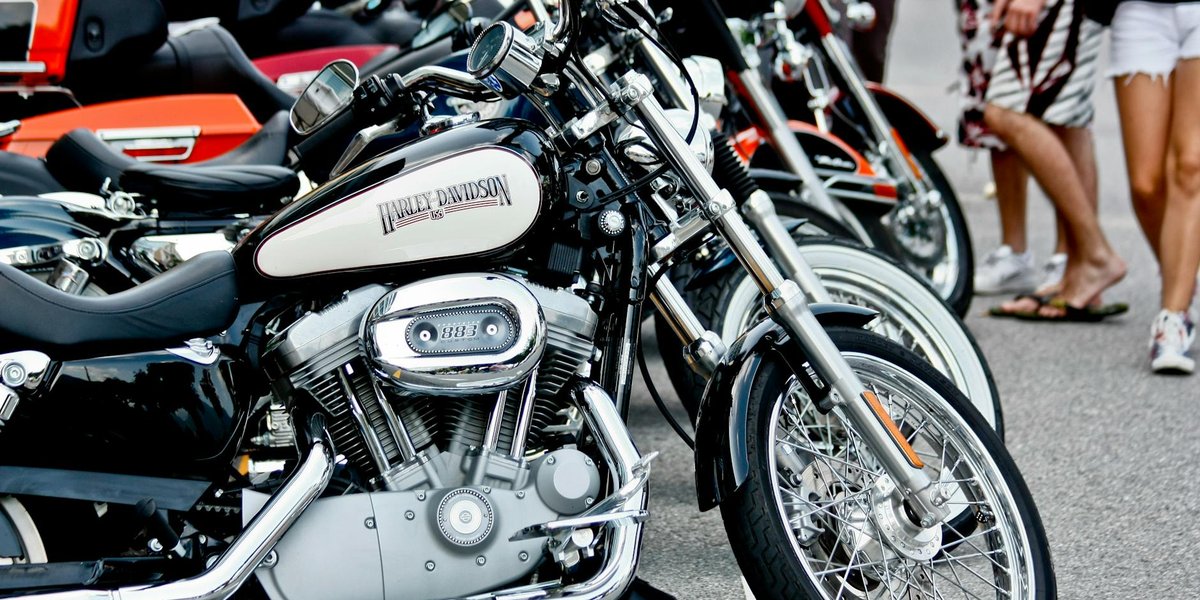
2015 was a pretty tidy year for Harley-Davidson. Not a total reset, not a weird half-step. Just the kind of model year where the lineup tells you exactly who the company wanted to please: cruiser buyers, touring riders, and people who enjoy chrome more than restraint.
If you’re trying to sort out the 2015 Harley-Davidson models, the easiest way to think about it is by family. Harley split the year across Sportster, Dyna, Softail, Touring, and the newer Street lineup. Some bikes were carryovers with fresh paint and trim. A few got meaningful updates. A couple of names quietly disappeared from the showroom floor.
Table of contents
- TL;DR
- 2015 Harley-Davidson lineup at a glance
- Sportster family
- Dyna family
- Softail family
- Touring family
- Street and Trike models
- What changed for 2015
- Which 2015 Harley-Davidson models are worth knowing
TL;DR
The 2015 Harley-Davidson lineup covered the usual core families: Sportster, Dyna, Softail, Touring, Street, and Trike. The biggest news was the spread of the Project Rushmore treatment deeper into the touring range, including more refined infotainment and rider aids on the big baggers. The new Road Glide returned after its brief absence, the Street 750 and 500 kept Harley in the entry-level game, and the older air-cooled V-twins still did most of the heavy lifting.
For most shoppers, the key takeaway is simple: 2015 was a broad, mature Harley year with incremental upgrades rather than a dramatic redesign across the board.
2015 Harley-Davidson lineup at a glance
| Family | Models |
|---|---|
| Sportster | Iron 883, SuperLow, SuperLow 1200T, Seventy-Two, Forty-Eight, Roadster, 1200 Custom, 1200 Custom Limited, SuperLow 1200X |
| Dyna | Street Bob, Super Glide Custom, Low Rider, Fat Bob, Switchback |
| Softail | Softail Slim, Fat Boy, Fat Boy Lo, Heritage Softail Classic, Breakout, Softail Deluxe |
| Touring | Road King, Road King Classic, Street Glide and Street Glide Special, Electra Glide Ultra Classic, Ultra Limited, Road Glide, Road Glide Special |
| Street | Street 500, Street 750 |
| Trike | Freewheeler, Tri Glide Ultra |
A quick note on naming: Harley loved trim levels that sound like they were invented by a marketing meeting that ran long. “Special,” “Classic,” “Lo,” “Custom,” and “Ultra” often mattered, but not always in the same way. Sometimes it meant more chrome. Sometimes it meant different bars, saddlebags, or a larger tank. Sometimes it just meant Harley wanted another badge to bolt on.
Sportster family
The Sportster range was the entry point for a lot of riders in 2015, especially the 883 and 1200 variants. These bikes kept the familiar Evolution V-twin formula and leaned into the narrower, lighter feel that made the platform popular in the first place.
Iron 883
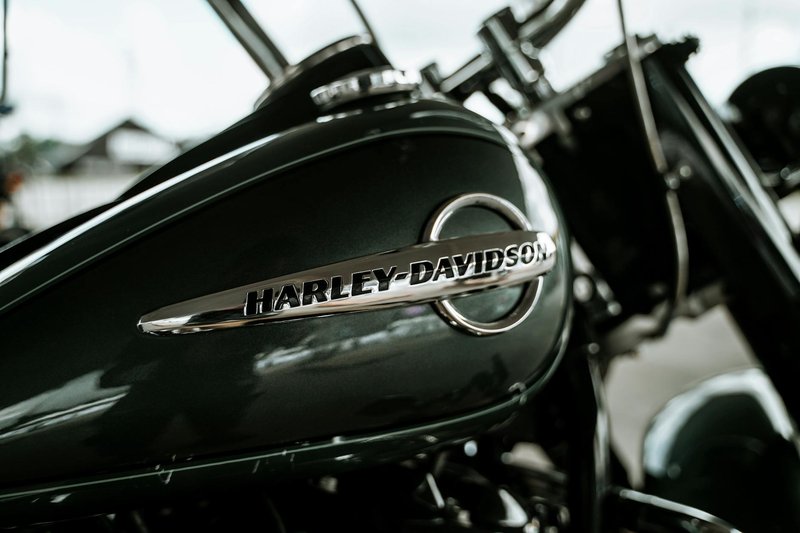
The Iron 883 stayed one of the easiest Harley bikes to recognize: blacked-out parts, low stance, and a stripped-down bobber vibe. It used the 883cc air-cooled Evolution V-twin and was aimed at riders who wanted the Harley look without a full dresser’s bulk.
SuperLow
The SuperLow was built around accessibility. Low seat height, relaxed ergonomics, and a rider-friendly stance made it one of the more approachable Sportsters in the range.
SuperLow 1200T
This one took the same basic low-slung idea and added touring-friendly bits, including detachable luggage. It was Harley’s way of saying “small bike, but don’t pack light.”
Seventy-Two
The Seventy-Two leaned hard into the old-school custom look with ape-hanger bars and whitewall tires. It was style-first, which was exactly the point.
Forty-Eight
The Forty-Eight kept its fat 130 mm front tire, peanut tank, and squat profile. It’s one of those bikes that looks like it’s been parked in front of a tattoo shop for 20 years, even when it’s fresh from the factory.
Roadster
The Roadster arrived as one of the more performance-minded Sportsters in the lineup. Harley gave it firmer suspension, better brakes, and a more aggressive riding position than the classic cruiser variants.
1200 Custom and 1200 Custom Limited
The 1200 Custom gave riders the familiar Sportster layout with a bigger engine and more chrome. The Limited version was a special trim with added styling touches and color schemes.
Dyna family
The Dyna range was the sweet spot for riders who wanted big-twin torque in a chassis that still felt alive. In 2015, it remained a favorite for people who liked their Harleys a little less sofa-like than the touring bikes.
Street Bob
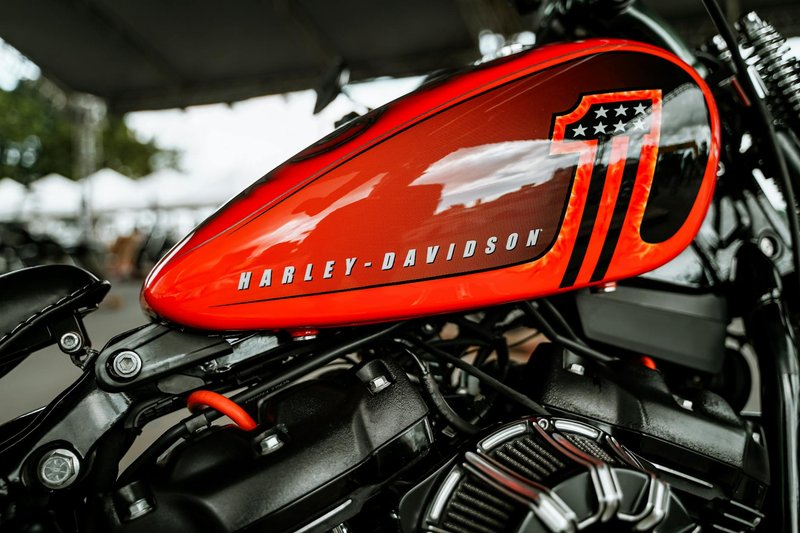
Minimalist, blacked-out, and straightforward. The Street Bob kept the bobber theme front and center, with a stripped-down attitude that fit the Dyna frame well.
Super Glide Custom
This was the relaxed all-rounder of the group, with enough classic Harley presence to satisfy traditional buyers without going overboard on trim.
Low Rider
The Low Rider name mattered in 2015 because Harley brought it back to the Dyna family. That alone gave the model extra attention from longtime fans.
Fat Bob
Wide tires, big stance, and enough visual muscle to look like it had been built in a machine shop after hours. The Fat Bob was always the loudest-looking Dyna, even when it wasn’t the loudest bike in the parking lot.
Switchback
The Switchback was Harley’s clever little compromise bike: part cruiser, part light tourer, with removable bags and a windshield. It wasn’t the most common Harley, but it was practical in a way the brand doesn’t always encourage.
Softail family
The Softail line was where Harley leaned hardest into style, hidden rear suspension, and that classic hardtail silhouette. The 2015 Softails were mostly about presence. Big tanks, long lines, and lots of visual mass.
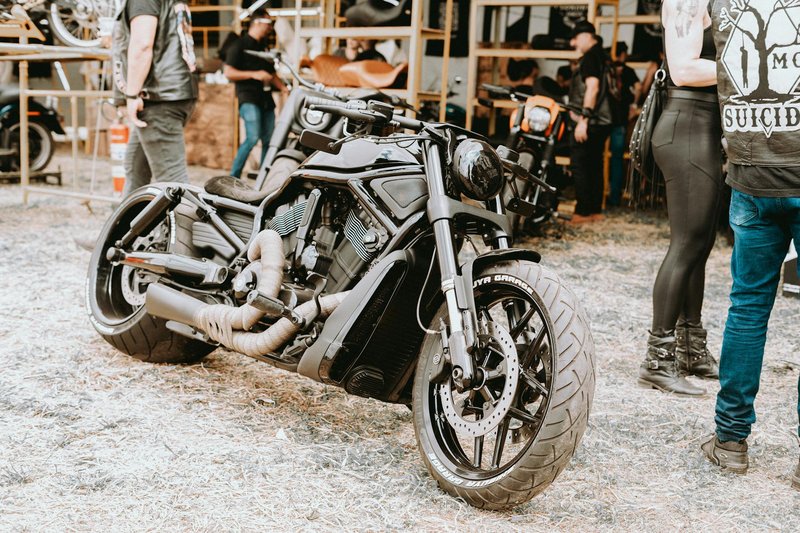
Softail Slim
The Slim stripped the Softail formula down to a cleaner, more old-school look. Fewer distractions. More shape.
Fat Boy
Probably one of the most recognizable Harleys ever built, the Fat Boy kept its solid-disc wheels and broad stance. It remained a showroom magnet.
Fat Boy Lo
The Lo variant emphasized a lower seat and an even more slouched cruising position. It was built for riders who wanted the Fat Boy look with an easier reach to the ground.
Heritage Softail Classic
This was the nostalgia machine in the lineup: leather saddlebags, windshield, lots of chrome, and a throwback touring vibe without the full Electra Glide bulk.
Breakout
The Breakout was all about rear tire drama and long, low hot-rod styling. It looked like it had been stretched out in the sun.
Softail Deluxe
The Deluxe kept the polished, vintage-cruiser look alive. Whitewall tires, chrome everywhere, and the sort of styling that never apologizes.
Touring family
This was the big deal for 2015. Harley’s touring bikes were the most visible beneficiaries of the Project Rushmore changes that had started earlier in the decade. By this point, the bags, fairings, infotainment, and rider comfort features were the main event.
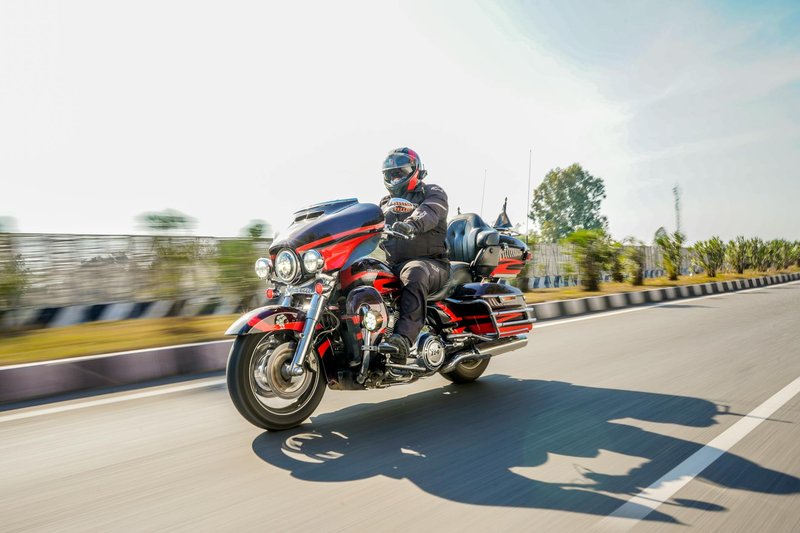
Road King and Road King Classic
The Road King stayed true to the old-school dresser formula: a detachable windshield, classic lights, and a no-nonsense touring shape. The Classic added more nostalgic trim and storage flair.
Street Glide and Street Glide Special
The Street Glide kept its batwing fairing and low-slung stance. The Special version leaned harder into blacked-out trim and premium touring features.
Electra Glide Ultra Classic
This was still one of the flagship long-haul Harleys, built for riders who treat interstates like personal property.
Ultra Limited
The Ultra Limited sat near the top of the range with full touring hardware, more convenience features, and the big-mile comfort buyers expected from Harley’s flagship dressers.
Road Glide and Road Glide Special
The Road Glide came back for 2015, and that mattered. Its frame-mounted sharknose fairing gave it a distinct feel and look compared with the fork-mounted batwing bikes. The Special trim added more premium features and darker styling cues.
According to Harley-Davidson’s own model-year materials, the touring bikes continued to lean into infotainment and rider comfort improvements that had become central to the brand’s long-distance pitch. You can still see the logic in the 2015 lineup if you compare it with Harley’s historical touring updates and model archives.
Street and Trike models
Harley’s Street family was still relatively new in 2015 and aimed at bringing in riders who wanted a smaller, more affordable entry into the brand.
Street 500
The Street 500 used a liquid-cooled Revolution X V-twin and was built with urban riding in mind. It was less about old-school Harley character and more about getting people onto a Harley badge without asking them to wrestle 700 pounds of chrome on day one.
Street 750
The Street 750 was the bigger sibling, also using the Revolution X platform. It offered more displacement and a bit more breathing room for highway use.
The Trike range stayed focused on stability and long-distance comfort.
Freewheeler
The Freewheeler had a stripped-down trike attitude, with a lower-slung profile than Harley’s more luxurious three-wheelers.
Tri Glide Ultra
This was the full-dress trike, aimed squarely at riders who wanted touring comfort without balancing a two-wheeler at stoplights.
What changed for 2015
The 2015 model year wasn’t about a massive engine revolution. Harley had already settled into its modern touring tech, and the familiar air-cooled big twins remained the backbone of the lineup. The useful changes were more about lineup shaping:
- Road Glide returned to the touring family after a gap, giving fans the frame-mounted fairing option again.
- Low Rider came back in Dyna form, which gave the middleweight big-twin crowd a familiar name with a fresh placement.
- Street 500 and 750 kept Harley’s entry-level strategy alive with liquid-cooled, urban-friendly bikes.
- Project Rushmore features continued spreading through the touring range, especially on higher-spec models like the Street Glide Special and Ultra Limited.
- Sportster trims got more diversity, with the Roadster and SuperLow 1200T broadening the line between stripped-down city bike and light touring machine.
For a broader historical look at how Harley’s big-twin touring platform evolved, the National Highway Traffic Safety Administration VIN and recall records are a useful cross-check when you’re matching model years, configurations, and equipment changes.
Which 2015 Harley-Davidson models are worth knowing
If you’re shopping used, restoring, or just trying to decode a listing, these are the names that come up most often:
- Iron 883 for a low-cost, easy-to-recognize Sportster
- Forty-Eight for the classic custom look
- Low Rider for Dyna nostalgia and a strong used market
- Fat Bob for a more muscular Dyna stance
- Fat Boy for one of Harley’s most famous silhouettes
- Street Glide Special for the popular bagger formula
- Ultra Limited for the full touring setup
- Road Glide Special for riders who prefer the frame-mounted fairing look
- Street 750 for an approachable entry Harley
The 2015 Harley-Davidson models line worked because it gave buyers a lot of familiar choices without forcing them to decode an overcomplicated rebrand. Touring riders got the most refinement. Cruiser buyers got plenty of visual variety. Newer riders got the Street models. And the old Harley formula — lots of torque, lots of trim, lots of attitude — stayed intact.
If you’re comparing used examples, focus less on badge names and more on the family underneath. That’s where the real difference lives. A Road Glide Special and a Street 750 both wear a Harley badge, but they’re solving very different problems. One wants to eat 500 miles in a day. The other wants to make parking lots and traffic lights feel less annoying.
Sarah Thornton
More from Sarah ThorntonHow we reviewed this article
This article was researched against manufacturer records and editorially reviewed before publishing. We accept no payment for coverage. Some guides contain affiliate links; see our affiliate disclosure.