TL;DR
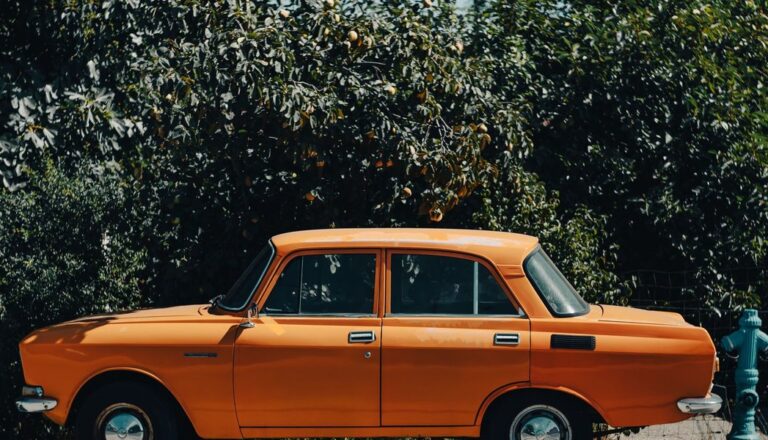
“Cars made in 2013” can mean two different things: vehicles manufactured in 2013 and vehicles with a 2013 model year. Those aren’t always the same thing, and the difference matters if you’re checking a VIN, comparing used cars, or trying to confirm what you’re actually looking at.
If you want the short version, 2013 was a very normal, very useful car year. You’ll find lots of solid used options from that era: compact sedans, midsize family cars, crossovers, pickup trucks, and a healthy pile of sporty stuff that hasn’t completely imploded with age. The trick is separating the good survivors from the stuff that aged like warm milk.
For buyers today, the best 2013 cars are usually the ones with simple drivetrains, strong parts availability, and boring maintenance records. The worst are often the ones with expensive electronics, neglected transmission service, or early experiments with turbocharging and dual-clutch weirdness.
Table of contents
- What “cars made in 2013” really means
- How to identify a 2013 model year car
- Common car types made in 2013
- Examples of cars made in 2013
- What to check before buying a 2013 car today
- Summary
What “cars made in 2013” really means
People search for “cars made in 2013” for a few different reasons.
Sometimes they mean the model year: cars sold as 2013 models. Sometimes they mean build date: a car physically assembled during calendar year 2013. And sometimes they just mean “older cars from around then that I can buy used.”
That distinction matters because automakers don’t always build a model-year car in the same calendar year stamped on the title. A 2013 model might roll off the line in late 2012. A car built in early 2013 might already be a 2014 model. Production calendars are messy like that.
If you’re checking a specific vehicle, the most reliable source is the VIN and the door-jamb label. The National Highway Traffic Safety Administration explains how VINs are used to identify vehicles, and the 10th character in the VIN is the model year code for many vehicles sold in the U.S. That’s the fast way to sort out guesswork from actual data.
How to identify a 2013 model year car
A 2013 model-year vehicle usually shows a few clues:
- VIN year code: the 10th character often identifies the model year
- Manufacturing label: usually on the driver-side door jamb
- Title or registration: often lists model year separately from build date
- Monroney sticker or original sales paperwork: if you have it, use it
If you’re buying a used car, don’t rely on the badge, dealer listing, or memory of some guy who “definitely had one back in 2013.” Check the VIN. That’s the adult move.
For a deeper decode, the NHTSA VIN decoder is a handy reference. It won’t tell you whether the car is any good, but it will tell you what it is.
Common car types made in 2013
2013 was a transition year in a lot of markets. Crossovers were rising fast, sedans were still everywhere, and trucks kept doing truck things because people keep buying trucks no matter what the economy says.
Sedans and compact cars
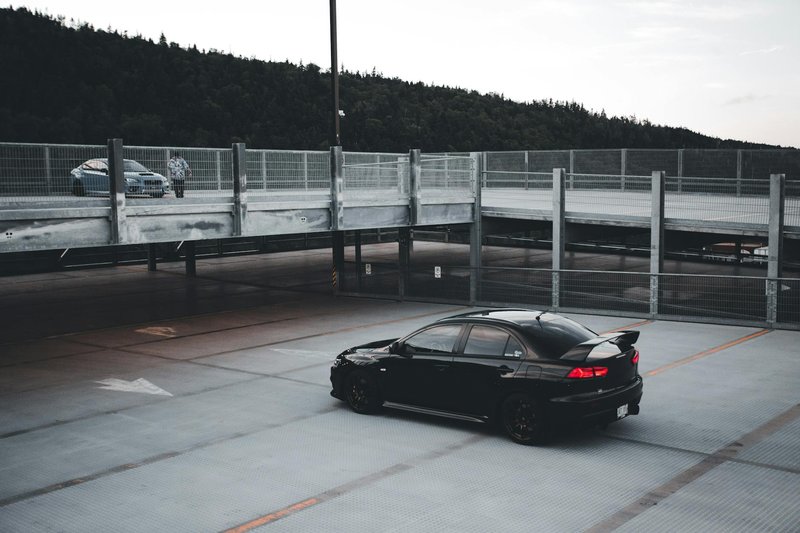
This is where you’ll find some of the most practical 2013 cars. Think Toyota Corolla, Honda Civic, Mazda3, Hyundai Elantra, Ford Focus, Chevrolet Cruze, and Nissan Sentra.
A lot of these were sold as affordable transportation first and everything else second. That’s a good thing. Fewer gadgets usually means fewer expensive surprises. The Corolla and Civic earned their reputations the old-fashioned way: by surviving long enough to annoy people who wanted a more exciting answer.
The Mazda3 is the driver’s choice here. The Civic tends to be the easy-recommendation car. The Corolla is the one that asks for very little and gives back even less drama.
Midsize family cars
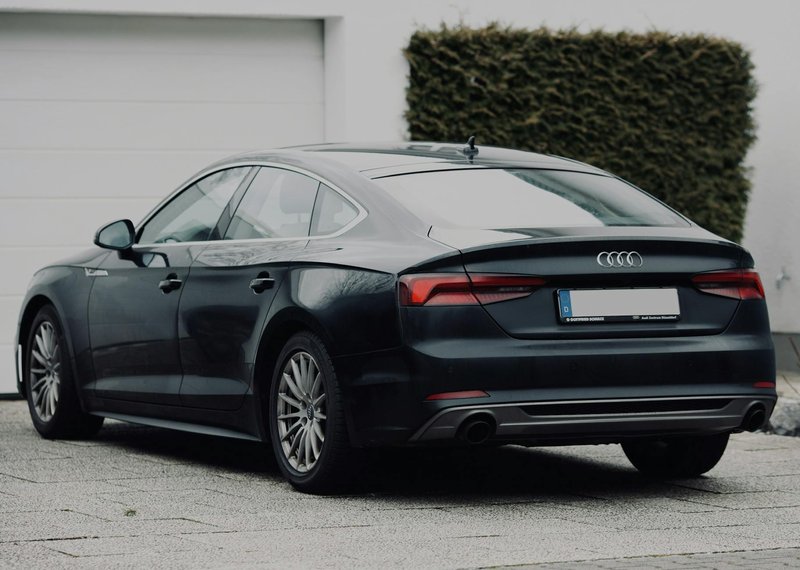
The 2013 midsize sedan field was crowded: Toyota Camry, Honda Accord, Nissan Altima, Ford Fusion, Hyundai Sonata, and Kia Optima all had a strong presence.
This is the class where you start seeing more comfort, more powertrain variety, and more feature content. The Accord and Camry were still the safe bets. The Fusion looked sharper than it had any right to. The Sonata and Optima leaned hard into styling and value.
These cars were common for a reason. They fit daily life. School runs, commuting, highway miles, groceries, random airport pickups. The boring stuff. The useful stuff.
SUVs and crossovers
This is the category that really took over the market around 2013. Toyota RAV4, Honda CR-V, Ford Escape, Nissan Rogue, Chevrolet Equinox, Subaru Forester, and Hyundai Santa Fe were all major players.
The formula was simple: car-like driving, decent cargo space, higher seating position, and just enough all-weather confidence to make people feel sensible. Some of these were more reliable than others. The CR-V and RAV4 were the obvious benchmarks. The Forester appealed to buyers who wanted standard all-wheel drive and didn’t mind a boxy shape. The Escape got a lot of attention for its tech and turbo engines, which is another way of saying some owners got lucky and some got to visit the service department.
For a lot of families, 2013 was the year the crossover quietly became the default.
Pickup trucks
The 2013 pickup field included the Ford F-150, Chevrolet Silverado 1500, Ram 1500, Toyota Tacoma, and Nissan Frontier.
Trucks are a different breed. Mileage matters, yes, but condition matters more. A well-kept 2013 Tacoma can feel newer than a neglected 2018 full-size truck. The Toyota trucks had the reputation for durability. The American half-tons had the better towing and trim spread. The Ram 1500 was starting to stand out for ride quality. It wasn’t subtle about it either.
If you need work capability, these are the 2013 vehicles that matter most. Just check for rust, suspension wear, and evidence of someone using the bed like a dumpster.
Sports cars and performance models
2013 also gave us a nice mix of fun cars: Ford Mustang, Chevrolet Camaro, Dodge Challenger, Subaru BRZ, Scion FR-S, Mazda MX-5 Miata, and Nissan 370Z.
This was a good year for affordable fun. The BRZ and FR-S brought lightweight handling back into the conversation. The Mustang and Camaro kept the V8 party alive. The Miata did Miata things, which is to say it reminded everyone that speed isn’t the same as joy.
If the point is emotional rather than practical, 2013 has plenty to work with. For a broader view of notable 2010s cars, The 10 Best Cars of the 2010s.
Examples of cars made in 2013
Here’s a simple reference list of well-known 2013 model-year vehicles by category:
| Category | Examples |
|---|---|
| Compact cars | Toyota Corolla, Honda Civic, Mazda3, Hyundai Elantra, Ford Focus |
| Midsize sedans | Toyota Camry, Honda Accord, Ford Fusion, Nissan Altima, Kia Optima |
| SUVs/crossovers | Honda CR-V, Toyota RAV4, Ford Escape, Subaru Forester, Nissan Rogue |
| Pickup trucks | Ford F-150, Chevrolet Silverado 1500, Ram 1500, Toyota Tacoma, Nissan Frontier |
| Sports/performance | Ford Mustang, Chevrolet Camaro, Dodge Challenger, Subaru BRZ, Mazda MX-5 Miata |
This is not every car made or sold in 2013. It’s the useful shortlist. The stuff most people actually cross-shop, search for, or stumble across on a used lot. For a broader context on notable cars from the 2010s, see The 10 Best Cars of the 2010s.
What to check before buying a 2013 car today

A 2013 car can still be a very smart buy, but age has a way of collecting its taxes.
Start with the basics:
- Maintenance history: oil changes, brake service, transmission work
- Transmission behavior: especially on CVTs and early dual-clutch setups
- Cooling system: hoses, radiator, water pump, leaks
- Suspension wear: struts, bushings, control arms, noisy over bumps
- Rust: especially if the car lived in snow country
- Electronics: screens, sensors, backup cameras, power accessories
The National Highway Traffic Safety Administration also maintains a recall lookup, which is worth checking before you buy anything used. A clean-looking car with unresolved recalls is still a car with unresolved recalls.
The safest 2013 buys are usually the ones that were:
- Common enough to have cheap parts
- Maintained by owners who actually changed the oil
- Not loaded with experimental tech that aged poorly
That sounds boring. It is boring. Boring is good when you’re spending your own money.
Summary
“Cars made in 2013” covers a lot of ground, from model-year sedans to SUVs, trucks, and sports cars that are still all over the used market. The first job is figuring out whether you mean the build year or the model year, because those are not always the same thing. After that, the useful part starts: checking the VIN, the service history, and the specific powertrain before you buy.
The best 2013 cars are still the ones that were simple, common, and well cared for. The worst are the ones that were expensive to maintain when new and only got worse with time. If you keep that in mind, 2013 is a perfectly respectable year to shop from.

James Kowalski
More from James KowalskiHow we reviewed this article
This article was researched against manufacturer records and editorially reviewed before publishing. We accept no payment for coverage.