Global auto industry EV and hybrid sales rose more than 40% between 2019 and 2022, and vehicle tech that felt futuristic a decade ago is now common in midrange models. That rapid shift accelerated electrification, sharpened active-safety systems and pushed software-driven features into daily use—so engineering priorities during the 2020s balanced battery packaging, thermal management and the tactile cues drivers expect. A curated list matters because press hype and trim-sheet numbers don’t always predict which cars change expectations for buyers and competitors; this roundup narrows the field to ten models chosen for measurable influence, real-world usefulness and driving experience. The selections weigh innovation, value and how each vehicle genuinely altered buyer expectations or the industry’s roadmap; the choices include classic sports-car heirs, tech showcases and practical electrified models. The list contains 10 entries and groups them by performance, technology & safety, and value & sustainability.
Performance & Driving Experience
Driving feel and engineering still matter because they shape how cars behave every day: lightweight design choices, precise chassis tuning and the instant torque of electric motors all changed what “performance” means in the 2020s. Engineers learned to blend traditional cues—steering feedback, balance, suspension control—with electrified traits such as flat torque curves and battery-weight management, producing cars that post impressive 0–60 figures and lap times while remaining usable on grocery runs and long trips. That mix raised buyer expectations and pushed competitors to deliver sharper handling, quicker thermal systems and better packaging; a sub-two-second sprint or a strong Nürburgring time now matters less alone than how a car performs across commuting, canyon runs and track days. The cars below demonstrate how measured numbers (0–60, horsepower, lap times) sit alongside ergonomics, visibility and daily comfort when defining a decade’s performance icons.
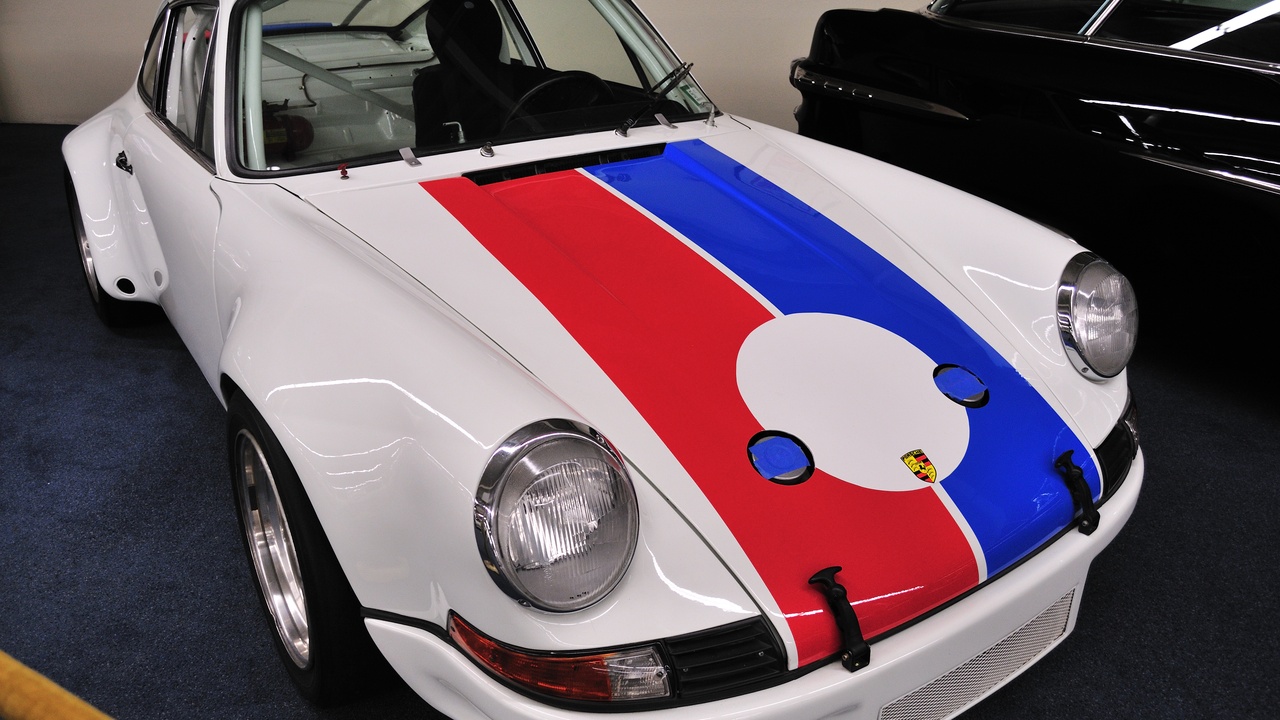
1. Porsche 911 (992): Timeless performance with modern polish
The 992 generation kept the 911’s core appeal—exceptional balance and driver focus—while adding updated engineering that mattered on road and track. Launched before the 2020 model year and refined through 2023, the 992 spans Carrera trims (~380–443 hp for Carrera/Carrera S) up to Turbo S models that produce roughly 641 hp in factory tune. Magazine and track tests routinely praise steering feedback, chassis composure and gearbox (manual and PDK options in various trims), with competitive 0–60 times across the range and strong Nürburgring-derived performance in higher trims. Owners cite daily drivability—comfortable long-distance touring and precise city behavior—alongside weekend track use; Carrera S provides a practical balance, while Turbo S delivers extreme lap pace without sacrificing highway comfort.
2. Tesla Model S Plaid: EV acceleration redefined
The Model S Plaid set a clear benchmark when its tri-motor layout arrived in 2021: an advertised 0–60 mph sprint of about 1.99 seconds at launch and peak outputs that pushed published estimates well above typical performance-sedan figures. That straight-line capability forced traditional OEMs to rethink EV performance, cooling strategies and traction control calibrations; battery and inverter cooling upgrades became a development priority across segments. Beyond raw acceleration, Plaid showed how over-the-air updates could refine launch control, track stability and in-cabin features after delivery. For buyers the Plaid highlighted that electric drivetrains could deliver repeatable, seat-of-the-pants acceleration and that charging-network expectations needed to match those performance use cases.
3. Mazda MX-5 Miata (ND): Lightweight joy and accessible driving purity
The ND-series Miata kept lightness and steering honesty at the forefront of a decade increasingly focused on power figures. With curb weights around 2,300 lbs (depending on spec) and naturally aspirated power in the neighborhood of 181 hp for common ND variants, Mazda emphasized balance, chassis tuning and human feedback over high output. The result is an affordable, easy-to-maintain roadster with strong aftermarket support, a willing manual gearbox and suspension calibrated for feel rather than lap-time bragging rights. Its ongoing popularity (and frequent inclusion in driving-school and club-racing fleets) proves that accessible driving purity remains relevant even as EV torque curves become commonplace.
4. BMW M3 / M4 (G80/G82): Modern track tools for the road
Arriving for model years around 2020–2021, the G80/G82 M3 and M4 combined twin-turbo inline-six power (roughly 473 hp in base forms up to about 503 hp for Competition models) with a stiffened chassis and available xDrive all-wheel-drive later in the lifecycle. That mix gives buyers street-friendly daily manners and credible track performance; testers note sharp turn-in, adjustable driving modes and broad aftermarket upgrade paths for brakes, suspension and aero. Competition variants tilt toward track bias while standard M models remain more urbane, which makes the pair usable as daily drivers that can handle track-day demands with modest modifications.
Technology & Safety Innovations
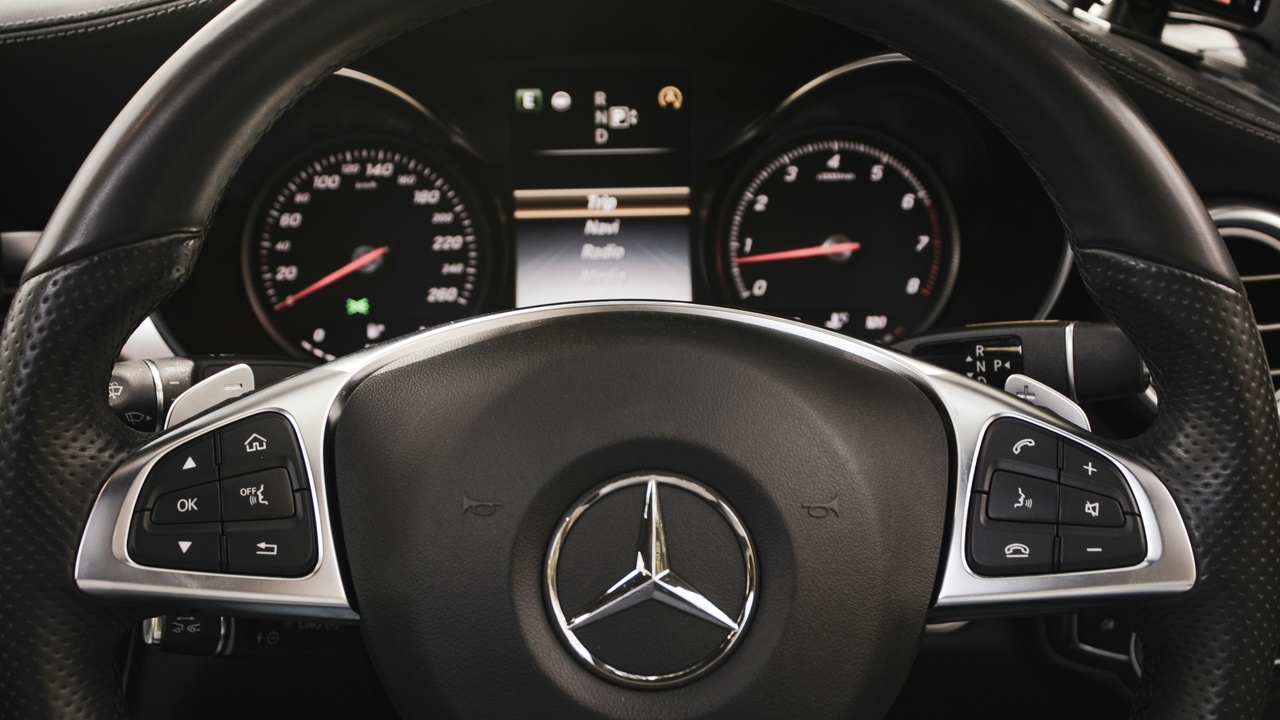
The 2020s compressed a technology cycle: ADAS features that once cost extra migrated into mainstream trims, in-car software stacks grew larger and over-the-air update strategies reshaped ownership. Regulators pushed for lane-keeping and collision-mitigation standards while electrified platforms allowed designers to rethink crash structure and occupant packaging, and manufacturers responded with both hardware and software investments. Level-2/2+ systems—adaptive cruise that steers within lanes, automatic emergency braking, multi-camera sensor suites—became widely available, and high-bandwidth ECU architectures let companies refine behavior after sale. Luxury tech such as multi-display cabins, active suspension and expansive driver-assist suites filtered down, making advanced safety a major selling point rather than a niche option.
5. Mercedes-Benz S-Class (W223): The flagship for in-car tech
The W223 S-Class (launched in 2020) continued Mercedes’ role as a technology showcase, bringing features like rear-axle steering, advanced driver assistance suites and, in higher trims, the high-resolution MBUX Hyperscreen to market. Active suspension improvements and software-driven comfort modes reduce driver fatigue on long trips, while MBUX’s voice and personalization features show how natural-language interfaces can simplify complex vehicle functions. Many technologies that debut on the S-Class become aspirational benchmarks for mainstream brands—so airbags, active ride management and sophisticated ADAS behavior refined on the W223 often appear in toned-down form across the lineup within a few model years.
6. Volvo XC90 Recharge: Safety leadership meets electrification
Volvo’s XC90 Recharge brought the brand’s safety-first ethos into a practical plug-in SUV format in the early 2020s, offering families a PHEV with useful electric-only range (roughly 18–30 miles depending on year and EPA cycle) alongside robust active-safety systems. Volvo’s long-standing safety targets translate to strong IIHS/Euro NCAP showings and features like pedestrian detection, lane-keep assist and enhanced occupant protection systems. For many buyers the XC90 Recharge provided an easy transition to electrified driving—short daily commutes in EV mode and longer trips with the gasoline engine available—while retaining cargo space and towing where needed.
7. Tesla Model 3: Affordable EV tech and ADAS at scale
The Model 3, which ramped globally into the 2020s after its 2017 introduction, made long-range electric driving and semi-autonomous features accessible at scale—helping it become one of the decade’s best-selling EVs. Depending on variant and year, EPA ranges typically stretch from roughly 250 to 350+ miles, and features like Autopilot and FSD beta deployments put semi-autonomous behavior in millions of hands. That scale influenced charging infrastructure expectations and made over-the-air software delivery an ownership norm for many buyers, accelerating how quickly manufacturers adopt similar update models.
Value, Practicality & Sustainability
As the decade progressed, automakers had to reconcile sustainability with everyday usefulness: plug-in hybrids and more affordable battery EVs addressed range trade-offs, charging practicality and cargo/towing needs. Practical EVs prioritize real-world range and fast-charging capability while PHEVs deliver genuine electric commutes for many buyers without wholesale infrastructure dependence. Utility—cargo space, towing, payload—and features such as vehicle-to-load or home-backup power moved to the foreground, so electrified options could serve as primary family vehicles or work trucks rather than niche second cars. Pricing, incentives and real-world energy costs shaped purchasing decisions, making some models genuinely attractive from both day-to-day and lifecycle-cost perspectives.
8. Toyota RAV4 Prime: Practical plug-in hybrid for daily life
The RAV4 Prime launched around the 2020 model-year window and earned praise because its electric-only range often covers many daily commutes—EPA estimates typically fall between about 30 and 42 miles depending on year and test cycle—while retaining the space and utility of a compact SUV. With combined system output roughly 302 hp, the Prime accelerates briskly for its class and lets buyers run errands in EV mode, cut gasoline use substantially, and still tow modest loads. For mixed driving patterns it reduces range anxiety and can deliver meaningful fuel savings and potential tax incentives, making electrified family transport straightforward for many households.
9. Hyundai Ioniq 5: EV design, range, and mainstream appeal
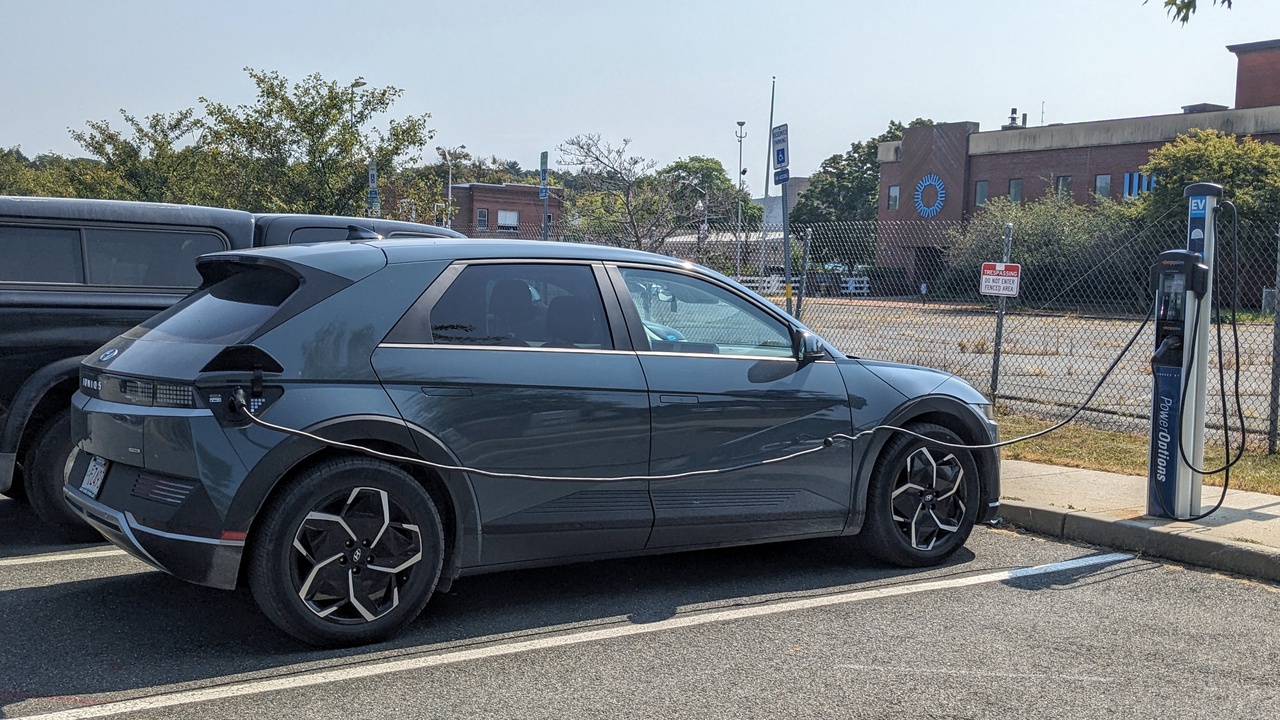
Hyundai’s Ioniq 5 (global rollout 2021–2022) rode the E-GMP platform into the mainstream with competitive EPA ranges—typically in the 220–300+ mile band depending on battery and drivetrain—and an 800V electrical architecture that supports very fast charging. In ideal conditions, 10–80% session times can fall into the 18–25 minute range on compatible chargers, and the vehicle-to-load (V2L) feature gives owners extra flexibility for camping or powering tools. The Ioniq 5’s roomy interior, flexible seating and relatively accessible pricing helped reshape brand perception and showed how design, rapid charging and practicality combine in a mass-market EV.
10. Ford F-150 Lightning: Electrifying America’s best-selling truck
Production of the F-150 Lightning began in 2022 and the model brought conventional pickup utility into an electric package with meaningful payload and towing capability depending on battery and configuration. Features like the front trunk and Pro Power Onboard let owners run power tools or provide backup power to a home, with onboard output ratings varying by trim and accessory (several kW of continuous power are available for jobsite and emergency use). For fleets and recreational users alike, Lightning demonstrated that electrification could preserve—and in some cases expand—useful truck functions while also promoting lower operating costs and new ownership use cases such as vehicle-sourced home backup during outages.
Summary
- EVs matched or exceeded ICE acceleration while safety and ADAS features spread from luxury flagships into mainstream models, changing expectations for performance and protection.
- A mix of legacy sports cars, tech-forward sedans and practical electrified SUVs/trucks defined how the decade balanced driving pleasure, software-driven convenience and real-world usability.
- Practical electrified choices—PHEVs with 20–40 miles of electric range and mainstream EVs with 200–300+ miles—made low-emission driving realistic for many buyers.
- Consider your primary use case—commute length, family cargo, towing or occasional track days—and match it to the vehicle strengths when researching purchases.
- This list of the best cars of the 2020s highlights models that changed buyer expectations through measurable performance, safety innovation and practical electrification.

Marco Delantero
More from Marco DelanteroHow we reviewed this article
This article was researched against manufacturer records and editorially reviewed before publishing. We accept no payment for coverage. Some guides contain affiliate links; see our affiliate disclosure.