
In the 1930s engineers first began fitting cars with anti-roll bars to tame the body lean of increasingly powerful roadsters. That early fix addressed a simple, modern problem: as cars go faster and tires get grippier, unpredictable body roll makes cornering feel vague and can reduce driver confidence.
Sway bars are small, inexpensive components that deliver outsized improvements in vehicle stability, handling, and longevity — and here are eight clear benefits that explain why they matter.
This article lays out those benefits in three practical groups — Handling & Safety, Performance & Driving Feel, and Maintenance & Durability — using real-world examples (Subaru WRX, BMW M3, Ford Mustang), typical numbers (sway bar diameters, installation time 1–3 hours, price ranges $100–$600) and actionable advice. Let’s start with safety and stability.
Handling & Safety
Sway bars directly affect lateral stability and occupant safety by resisting body roll during cornering. By linking the left and right sides of an axle, a stabilizer bar transfers load across the chassis so the car stays flatter and the tires share grip more evenly. That matters in everyday driving and in emergencies.
1. Reduced Body Roll for Clearer Steering
Reduced body roll is the primary payoff: the sway bar increases roll stiffness by transferring load from the outside wheel to the inside wheel through a torsional resistance. Typical bar diameters range roughly 18–32 mm; larger diameters (or solid vs. hollow construction) generally increase roll resistance.
As a concrete example, upgrading a 20 mm OE front bar to a 26 mm aftermarket piece commonly reduces lateral body lean by an estimated 10–30% depending on vehicle and setup. The everyday result is crisper turn‑in and easier lane changes at highway speeds — handy on fast on‑ramps or when passing on two‑lane roads.
Performance- and street-focused makers such as Whiteline, Eibach, and H&R supply bars in different diameters and rates, and OEM sporty trims often ship with larger-diameter sway bars for that reason.
2. Improved Stability in Emergency Maneuvers
Sway bars help stability during sudden steering inputs by reducing lateral weight transfer and keeping tire contact patches more evenly loaded. That directly improves traction and predictability when you have to swerve or avoid debris.
Independent lab and aftermarket test programs (and vehicle-dynamics research published through organizations such as SAE) show more consistent steering response and steadier lateral‑G traces after sensible stabilizer upgrades. In practical terms, drivers often report safer, more controllable lane changes at 60–80 mph and reduced tendency for the rear to step out in wet or compromised grip.
Picture a family sedan suddenly avoiding a collapsed tire on the highway: with a well-tuned sway bar setup the vehicle tracks truer and requires smaller steering corrections, reducing driver workload in a high-stress moment.
3. Lowered Rollover Risk for High-Center-of-Gravity Vehicles
Vehicles with taller centers of gravity — SUVs, vans, and some crossovers — benefit noticeably from anti-roll systems because they’re more prone to large lateral load transfers that can lead to tipping in extreme maneuvers. A sway bar reduces that transfer by sharing load across the axle.
In real terms, midsize SUVs often see measurable reductions in body lean after a modest sway bar upgrade (estimates typically in the low‑double digits percent range depending on baseline geometry). Agencies like IIHS evaluate handling metrics; pairing sway bars with proper tire pressure and suspension checks maximizes safety gains.
Fleet operators also use heavier-duty stabilizer bars on delivery vans to improve cargo stability and driver confidence on tight urban turns.
Performance & Driving Feel
Beyond safety, sway bars are one of the most cost-effective ways to tune a car’s balance and driver feedback. Small changes to front or rear bar stiffness alter understeer/oversteer tendencies without swapping springs or dampers, so a modest investment can produce noticeable on‑road and track improvements.
4. Tunable Balance: Adjust Understeer and Oversteer
Tuning is straightforward: increasing front bar stiffness raises front roll resistance and can increase understeer, while a stiffer rear bar tends to reduce understeer and move balance toward oversteer. That trade-off is useful when dialing a chassis for a specific driver or track.
Practical options include adjustable sway bars and end‑link length changes (adjustable end links), which let you fine‑tune without buying multiple bars. For example, track teams often fit an adjustable rear bar to a Subaru BRZ to reduce understeer on technical circuits.
5. Sharper Steering Feel and Driver Confidence
Sway bars reduce unwanted body motion at turn‑in, so steering feels more direct and mid‑corner behavior becomes more composed. Drivers describe a quicker response and a more connected sense of what the front tires are doing.
On instrumented runs this can translate to tighter lateral‑G consistency and lower lap‑time variance during club track days. For everyday driving, that equals easier highway lane changes, more predictable overtakes, and more enjoyable canyon runs in a BMW M3 or a Ford Mustang.
6. Better Tire Contact and More Predictable Wear
By distributing cornering loads between left and right tires, sway bars keep the contact patches more even during lateral loading. That improves available traction and reduces the tendency for one tire shoulder to scrub excessively.
Fleet and enthusiast reports show more uniform tread wear patterns over a season (on the order of 10,000 miles) when stabilizer rates are matched to springs and alignment is corrected. Always follow up a bar upgrade with a proper alignment to avoid unintended toe or camber wear.
For track-focused cars, brands such as Eibach and Whiteline supply multi‑rate or adjustable bars that help preserve tire life while improving cornering consistency.
Maintenance, Cost, and Practical Considerations
Sway bars are a low-cost, low-effort way to improve handling, and they often reduce wear on other components when correctly specified. That said, a very stiff bar can reduce ride comfort and may shift stress elsewhere, so choose a rate appropriate for your use.
7. Cost-Effective Upgrade with Fast Installation
Value is a major advantage: basic aftermarket sway bars or OE replacements can start around $100, while adjustable or multi‑rate performance kits typically fall in the $400–$600 range depending on vehicle and hardware. Installation on most common cars usually takes about 1–3 hours.
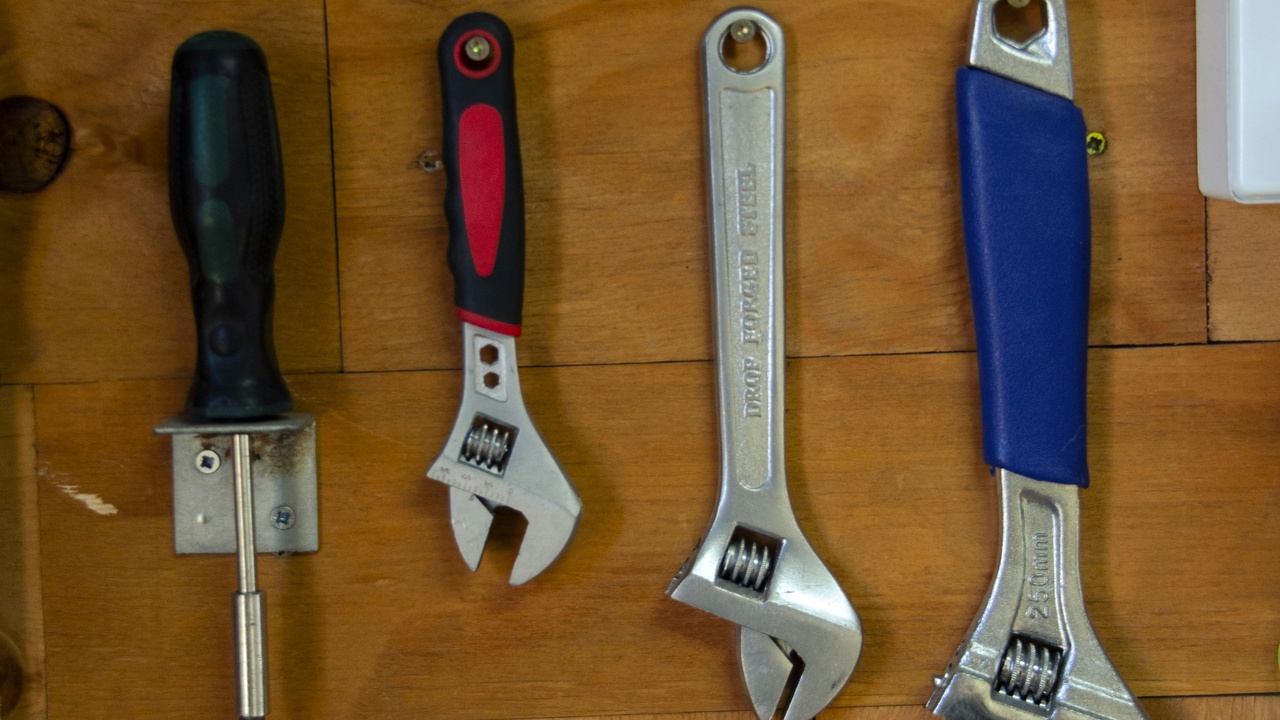
Many owners can perform the swap in a home garage with basic hand tools, but follow torque specs and consider replacing worn bushings and end‑links to avoid early failures. Compared with springs or shocks, sway bars deliver large handling gains per dollar and per hour of labor.
8. Lower Long-Term Wear on Suspension Components
When matched to the car’s springs and intended use, sway bars share cornering loads so individual springs and dampers don’t have to absorb the full moment of force. That reduces extreme articulation and instances of bottoming under heavy cornering.
Some fleets report longer intervals between shock rebuilds or replacements after moderate stabilizer upgrades, and OEM engineering often pairs heavier-duty bars with stiffer springs on sport trims for precisely this reason. Beware of over‑stiffening: an overly aggressive bar can transfer loads to components in ways that accelerate wear elsewhere.
Summary
- Improved safety and stability: sway bars reduce body roll, aid emergency control, and lower rollover tendency—especially on taller vehicles.
- Tuning versatility: changing front/rear rates or using adjustable end‑links lets you tune understeer/oversteer balance for street or track use.
- Cost and time efficient: typical kits cost roughly $100–$600 and install in about 1–3 hours, offering big handling gains for modest investment.
- Practical next step: evaluate your vehicle’s priorities (daily comfort vs. track performance), check part fitment, and consult a trusted mechanic or reputable aftermarket supplier (Whiteline, Eibach, H&R) before upgrading.
Benefits of Other Options

Marco Delantero
More from Marco DelanteroHow we reviewed this article
This article was researched against manufacturer records and editorially reviewed before publishing. We accept no payment for coverage.