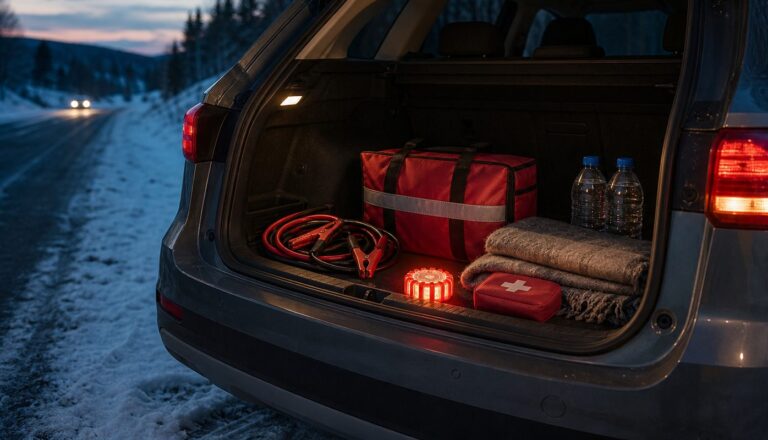

Nearly 1,000,000 motor vehicles are reported stolen in the U.S. in a typical recent year, creating a clear incentive for owners to protect their cars.
Vehicle theft is nearly as old as the automobile itself; by the 1920s thieves were hot‑wiring cars and manufacturers began fitting locks and steering‑wheel clamps. Over the decades those basic security measures evolved into audible alarms, immobilizers, and today’s connected telematics.
Car alarms do more than make noise: they deter theft, speed recovery, lower costs, protect people and belongings, and add convenience—making them a smart investment for most vehicle owners. Below are eight concrete advantages across crime prevention, financial savings, safety, and technology.
First, we’ll look at how alarms reduce crime and improve recovery odds.
Crime Prevention and Faster Recovery
Visible and audible security systems change offender behavior and give owners and law enforcement better odds of recovering a stolen vehicle. Authorities such as the National Insurance Crime Bureau (NICB) and the FBI track motor‑vehicle theft trends and note that both prevention and quick recovery matter for lowering overall losses.
Modern systems combine loud sirens and visible indicators with GPS or cellular tracking, creating a layered defense: deter opportunists, alert witnesses, and provide location data if a theft occurs. Examples include aftermarket deterrents like Viper and Compustar and recovery/telemetry services such as LoJack and OnStar.
1. Reduces thefts and break-ins by deterring opportunistic offenders
Alarms lower the chance of theft by making a vehicle a harder, riskier target. A loud siren, a flashing LED, or a security decal raises the likelihood that a would‑be thief will be seen and interrupted.
Research and industry reporting show visible security reduces opportunistic crimes (see NICB and local police guidance). Aftermarket systems such as Viper advertise shock sensors, sirens, and visible LEDs that signal protection; the manufacturer claims those features discourage quick smash‑and‑grab attempts.
Picture a busy shopping center: someone tries to jimmy a door, a siren blares, people look up, and the thief flees. That immediate attention prevents the loss and the follow‑on costs of glass, wiring, or valuables taken.
2. Increases chances of vehicle recovery with tracking and telematics
Many modern alarm packages include GPS or cellular tracking, which materially improves recovery odds by giving police a precise location. LoJack historically reported high recovery rates for vehicles equipped with its system, and automakers’ telematics (for example, OnStar) provide location and remote assistance that speeds law‑enforcement response.
Recovery often happens in the first 24–48 hours when a vehicle’s location data is available, and subscription trackers (Trackimo, Spytec) let owners and police follow real‑time coordinates. There’s a privacy and subscription trade‑off to consider, but the practical benefit is a much shorter search window and higher chance of retrieval.
Police case studies show trackers cutting recovery times from days to hours in many incidents, and that rapid location data reduces the chance of salvage or parts stripping.
Financial Benefits and Reduced Loss
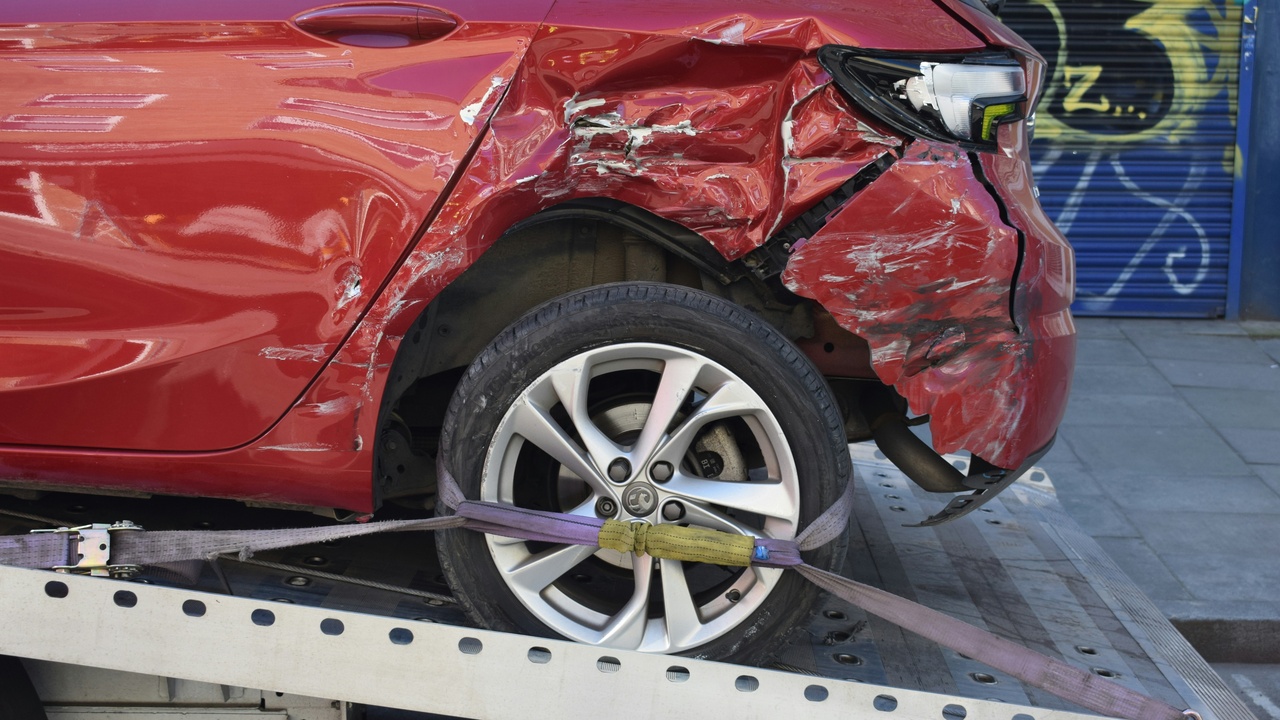
Beyond stopping theft, alarms produce measurable financial gains: insurers often offer discounts, owners face fewer repair bills from break‑ins, and a secured vehicle holds value better at resale.
Insurers such as Allstate and State Farm document discounts for factory‑installed or verified aftermarket anti‑theft devices. Typical premium reductions range from about 5% to 25% depending on the insurer and the system.
3. Lowers insurance premiums and out-of-pocket costs
Many insurers offer discounts for verified anti‑theft systems. The exact saving depends on the carrier and whether the device is factory‑installed, an immobilizer, or a monitored tracker.
Example math: a mid‑range aftermarket alarm and basic tracker might cost about $300 installed. If you save $50 per year in premiums, that’s a six‑year simple payback; adding theft avoidance and fewer repair bills shortens that timeline.
Check your insurer’s verification requirements before buying—some carriers require proof of installation or specific device classes to apply discounts.
4. Protects resale value and reduces repair/replace expenses
Fewer break‑ins mean less interior damage and fewer stolen parts, which helps preserve a vehicle’s condition and marketability. Typical repair items after a break‑in include stereo replacement, rekeying, and glass repair—costs that can total several hundred to a few thousand dollars depending on the damage.
Buyers often prefer cars with documented security features. A listing that notes a factory alarm or a tracked system can sell faster and maintain price confidence among informed buyers.
Service centers frequently report repeat work from theft‑related orders; preventing that work preserves both your time and wallet.
Safety for People and Property
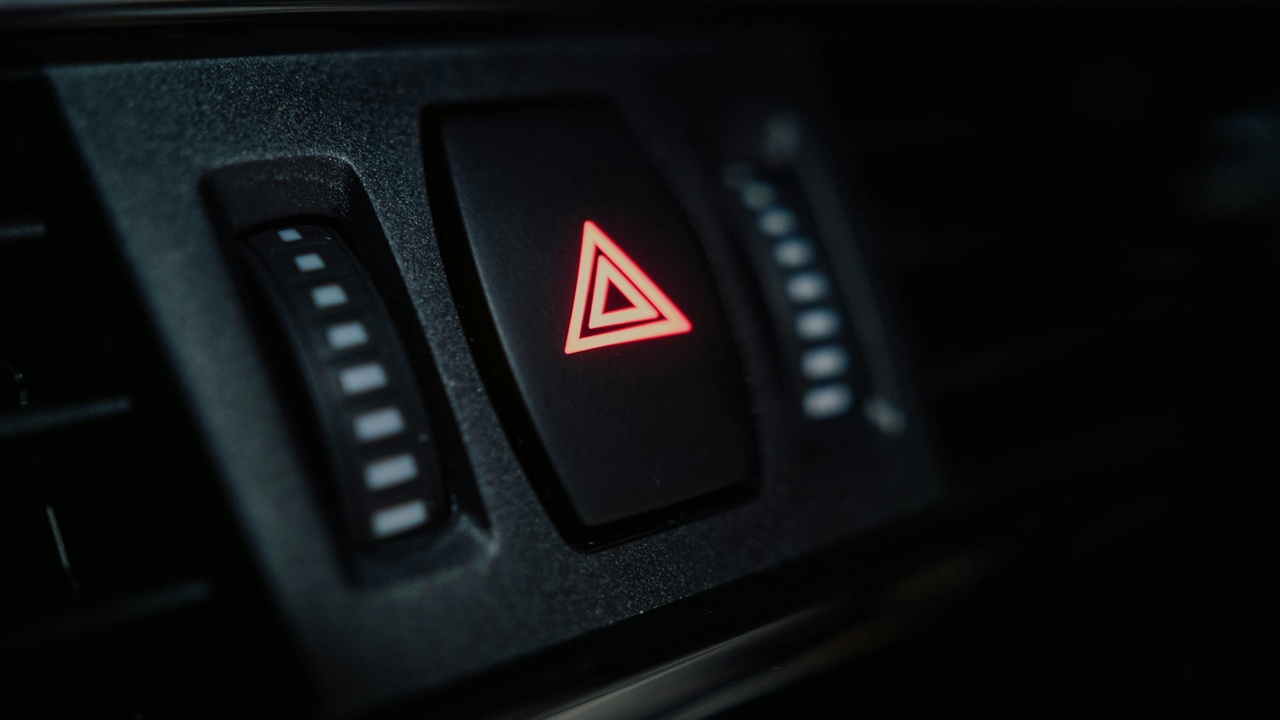
Alarms protect people as well as property. A triggered alarm warns occupants and nearby passersby of intrusion, can disrupt carjacking attempts, and sensors extend to hazards like fires or tampering.
Law‑enforcement guidance recommends prioritizing personal safety if an alarm sounds during a suspected theft; alarms are an early warning, not an instruction to confront offenders.
5. Protects occupants and deters carjacking or forced entry
A loud alarm can stop escalation by drawing attention and making violent theft riskier for the attacker. Police reports include incidents where a siren forced would‑be carjackers to flee before gaining control.
If an alarm sounds while you’re near the vehicle, stay safe: move to a public area and call 911 rather than confronting a suspect. Systems with emergency call features (for example, automaker telematics like OnStar) add a direct safety channel.
6. Alerts to hazards like tampering, fire, or suspicious movement
Advanced alarm systems include glass‑break, tilt, motion, and even temperature sensors, which can detect towing, jack‑ups, or electrical faults before they become worse. Smartphone apps provide push alerts so owners can act quickly.
For example, tilt sensors catch unauthorized towing; glass‑break sensors detect forced entry; temperature and smoke detection (available on some monitoring plans) can warn of fire risk early enough to limit damage.
Pairing alarms with dash‑cams and cabin sensors offers corroborating evidence and helps responders assess incidents remotely.
Technology, Convenience, and Fleet Management
Alarms are no longer just loud horns. They integrate with smartphones, keyless systems, remote start, and fleet telematics to deliver convenience and operational control for owners and managers.
These features come with subscription trade‑offs: cellular connectivity, data storage, and vendor services add cost and privacy considerations, but they unlock remote monitoring, geofencing, and analytics that many owners find valuable.
7. Remote monitoring and smartphone integration for convenience and control
Smartphone apps such as Viper SmartStart and factory apps like FordPass or myChevrolet send instant push notifications for alarm events and let owners remotely lock/unlock or check vehicle status.
Typical latency is a few seconds to a minute depending on cellular coverage, and most features require a paid connection. The convenience—remote start on a cold morning or an alert when a teen driver leaves a geofenced area—can be worth a modest monthly fee.
Be mindful of privacy settings and the impact on smartphone battery life when enabling continuous location services.
8. Fleet tracking, analytics, and reduced operational losses
Fleet operators use alarm and telematics data to reduce theft, unauthorized use, and downtime. Platforms like Samsara and Verizon Connect tie alarms into location, idle‑time, and ignition reports so managers can spot misuse quickly.
Vendor case studies report double‑digit reductions in unauthorized use and measurable drops in recovery time after installing integrated tracking and alarm systems. Analytics also help schedule preventive maintenance, lowering long‑term repair costs.
For small fleets, a handful of tracked vehicles can cut shrinkage enough to produce a visible return on investment within a year.
Summary
- Alarms deter opportunistic theft and increase recovery odds when paired with tracking (recovery windows often narrow to 24–48 hours).
- They provide financial benefits: insurers commonly offer 5–25% discounts, and avoiding break‑in repairs can save hundreds to thousands over time.
- Alarms enhance safety for occupants and protect valuables through sensors that detect forced entry, tilt, or fire.
- Smartphone integration and telematics add convenience and let fleet managers use analytics to cut unauthorized use and downtime (examples: Viper, Compustar, Samsara, Verizon Connect).
- Practical step: assess your current system, check insurer discount eligibility, and consider a trial subscription for tracking before committing long term.
Benefits of Other Options

James Kowalski
More from James KowalskiHow we reviewed this article
This article was researched against manufacturer records and editorially reviewed before publishing. We accept no payment for coverage.