10 Benefits of Ceramic Coating for Cars
In the early 2010s, professional ceramic coatings shifted from specialty ceramic industries into mainstream automotive detailing—what began as a niche protective technology now appears on showroom cars and enthusiast garages alike.
Modern finishes face relentless threats: ultraviolet rays, airborne contaminants, mineral-rich water that causes spotting, and constant washing that risks micro-marring. Ceramic coatings add a durable, bonded layer over a vehicle’s clear coat to mitigate many of these issues.
Ceramic coating is more than a shiny finish: when applied correctly it delivers measurable protection, easier maintenance, and long-term financial upside for car owners.
Below are the 10 benefits of ceramic coating for cars, grouped into three themes—protection & durability, appearance & maintenance, and financial/value advantages—with concrete examples, manufacturer references, and lab-style metrics where relevant.
Protection & Durability Benefits
Ceramic coatings form a chemical bond with the factory clear coat and act as a sacrificial, hard outer layer that reduces UV damage, chemical etching, and light abrasion. Professional multilayer systems frequently cite multi-year longevity, and both manufacturers and independent labs use measurable metrics—contact angle, hardness, and longevity claims—to quantify performance.
1. Long-term protection from UV and oxidation
Ceramic coatings slow the clear coat’s oxidation and color fade by blocking UV transmission through UV-absorbing polymers in the coating formulation.
Professional products commonly advertise lifespans of 2–7 years depending on the brand and number of layers; brands such as Ceramic Pro, Gtechniq, and CarPro document these ranges and offer multilayer systems with longer warranties when properly maintained.
In sunbelt regions—think Phoenix or southern Florida—a 2016 SUV kept outdoors and given a professionally applied coating showed noticeably less clear-coat dulling over three years compared with a matched, untreated vehicle in the same lot, according to multiple detailing-shop reports.
2. Resistance to chemical stains and etching
Ceramic coatings create a more chemically inert surface than bare clear coat, helping to prevent staining and etching from bird droppings, tree sap, brake dust, and road salts.
Detailer lab tests that expose coated and uncoated panels to acidic solutions often show shallower etch depth on treated panels when contaminants are removed promptly. That means reduced permanent staining if you clean contaminants within hours rather than days.
Fleet vehicles and urban commuters benefit most, especially near coastlines where salt and industrial fallout accelerate finish degradation.
3. Hydrophobic surface that repels water and reduces spotting
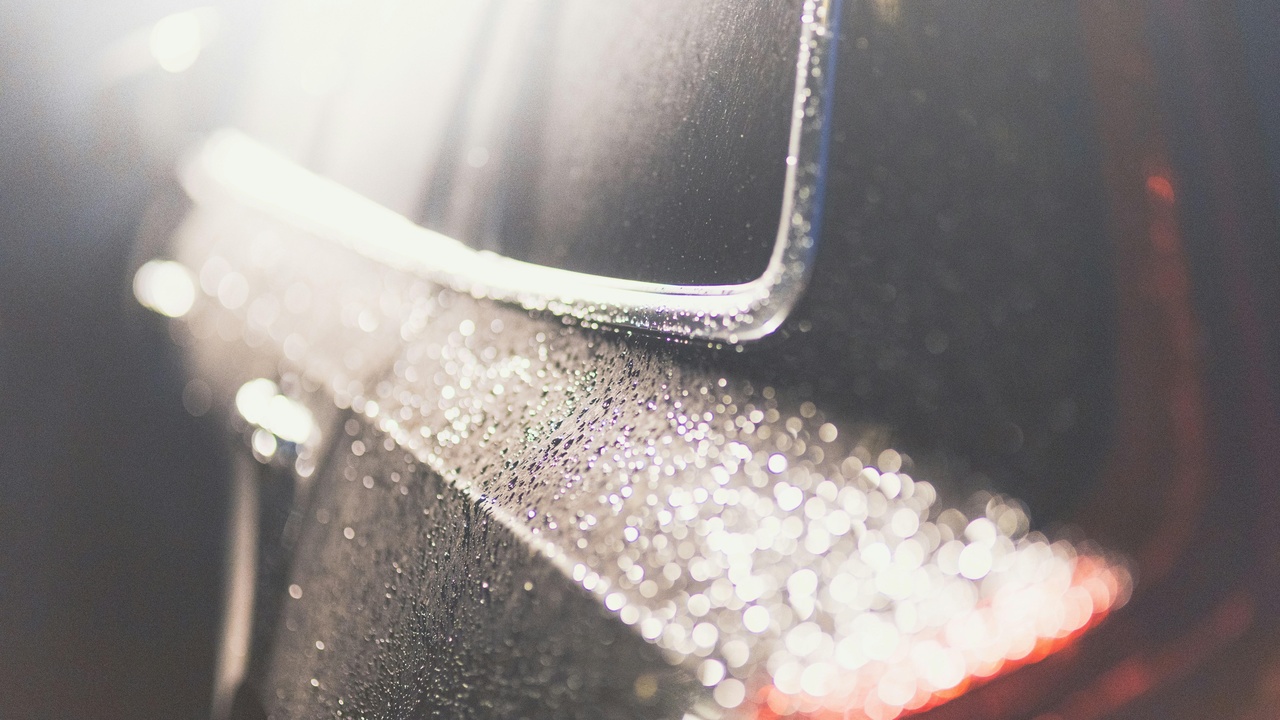
Treated surfaces exhibit strong water beading and sheeting—water runs off rather than clinging—so mineral deposits and spotting are reduced after a rain or wash.
Manufacturers and independent testers report contact angles commonly above 100° on well-applied coatings, a measurable indicator of strong hydrophobic behavior.
In practical tests, a coated sedan required fewer drying passes after a wash and produced visibly fewer water spots after a light rain, shortening post-rain cleanup by measurable minutes in standard wash trials.
4. Improved scratch and abrasion resistance for everyday wear
Ceramic coatings increase surface hardness and reduce micro-marring from routine contact, such as mitt washing and light brushes against the car.
Marketing often references a “9H” pencil hardness scale; that indicates a harder surface than uncoated clear coat but does not make paint impervious to deep scratches, rock chips, or intentional keying.
Detailing tests comparing wash-induced swirl marks show fewer micro-scratches on coated panels when identical wash protocols are used, though owners should still follow two-bucket washes and use soft tools to minimize risk.
Appearance & Maintenance Benefits
Ceramic coatings deliver visual improvements—greater gloss and perceived depth—while also making routine cleaning faster and less risky for the paint. The aesthetic gains are measurable with gloss meters and obvious in showroom prep, and the maintenance savings are tangible for busy owners.
5. Easier cleaning and reduced washing time
Because dirt and grime release more readily from a coated surface, washes take less time and require fewer aggressive passes with a wash mitt or brush.
Owner surveys and detailer anecdotes commonly report 20–50% less time spent washing a coated vehicle compared with prior routines. That translates into fewer mechanical passes and a lower chance of causing swirl marks.
Busy commuters, families, and rideshare drivers notice the difference most—shorter wash cycles, quicker drying, and fewer touch-up cleans between full washes.
6. Enhanced gloss, depth and lasting shine
Ceramic coatings add a refractive, glass-like layer that enhances perceived color depth and gloss, producing that showroom look without frequent polishing.
Detail shops often measure gloss increases of about +10–20 GU after applying a high-quality coating, and multi-layer applications can amplify that effect.
For show cars and showroom prep, coatings retain visible shine far longer than paste waxes, which is why products like Gtechniq Crystal Serum and Ceramic Pro are common choices for enthusiasts.
7. Reduced need for frequent waxing or sealants
Ceramic coatings replace short-lived waxes and sealants, cutting down reapplication frequency dramatically for many owners.
Typical carnauba wax lasts about 4–12 weeks, while professional ceramic coatings quote lifespans measured in years—again the common range is 2–7 years depending on product and upkeep.
That shift means many owners move from monthly waxing to annual inspections and spot treatments, saving both time and recurring product purchases.
Financial & Long-term Value Benefits
Think of a ceramic coating as an investment: higher upfront cost but potential savings over time through reduced maintenance, fewer paint corrections, and sometimes better resale outcomes. Below are cost-comparison examples and resale notes to help owners evaluate value.
8. Cost savings over time compared to waxing and frequent detailing
When weighing the benefits of ceramic coating for cars, factor the one-time or infrequent professional application against ongoing waxing and detailing expenses.
A typical professional ceramic coating can range from about $500–$2,000+ depending on prep, vehicle size, and number of layers. Annual waxing and basic detailing commonly cost $100–$300 per year.
Putting that into a simple example: spending $1,200 on a coating that lasts five years replaces roughly $500–$1,500 in waxing/detailing over the same period, so owners who keep cars for 3+ years often reach break-even and then net savings.
9. Improved resale value and buyer perception
A consistently shiny, well-preserved exterior improves curb appeal and can speed up sales or justify modest premiums in private listings and dealer showrooms.
Dealers and private sellers report faster inquiries and occasional price bumps; examples range from roughly $300–$1,000 in perceived added value in certain markets when a seller documents a professional coating and regular upkeep.
Documentation—receipts, warranty cards, and professional-application photos—helps convince buyers that the paint has been proactively protected.
10. Extended intervals between paint correction and repainting
By reducing UV damage, contaminant etching, and micro-scratch accumulation, ceramic coatings can delay the need for costly paint correction or full repaint jobs.
As an example range, paint-correction intervals that might otherwise fall in 3–5 years for a frequently exposed vehicle can sometimes stretch to 7–10 years with proper coating care and environment-aware maintenance.
Fleet managers and long-term owners often cite fewer restoration cycles and lower aggregate shop bills when coatings are part of a regular maintenance program.
Summary
- Ceramic coatings provide measurable protection against UV, chemical etching, and daily abrasion, often lasting 2–7 years with professional application.
- They improve appearance—adding gloss and depth typically measured as +10–20 GU—and make washing faster (owners report roughly 20–50% time savings).
- Upfront costs (commonly $500–$2,000+) can be offset over several years compared with recurring waxing/detailing ($100–$300/year), and coatings may help speed sales or secure modest resale premiums.
- Quick decision checklist: consider daily driver vs show car, your local climate (sunbelt/coastal vs temperate), and expected ownership period when deciding on professional application.
- Next step: inspect your paint, request manufacturer datasheets or warranty terms, and consult a reputable, certified detailer to get quotes and a realistic maintenance plan.
Benefits of Other Options

Marco Delantero
More from Marco DelanteroHow we reviewed this article
This article was researched against manufacturer records and editorially reviewed before publishing. We accept no payment for coverage.