Riding culture split in the post–World War II era when riders in the U.S. and Europe began stripping motorcycles down to essentials; the bobber aesthetic was born as a reaction to heavier, styled cruisers. That moment created two clear visual languages: a stripped-down, mechanical look focused on minimal mass, and a long, low silhouette designed for presence and comfort. Picking one affects daily usability, wallet impact, and long-term enjoyment—so the choice matters beyond style.
Choosing between a bobber and a cruiser comes down to clear trade-offs — style, handling, cost, and customization — and this article outlines eight concrete advantages that help you decide which style suits your riding goals. If you’re narrowing options, a quick bobber vs cruiser framing helps clarify whether you want urban agility and easy personalization or long-haul comfort and resale stability.
Design & Aesthetics
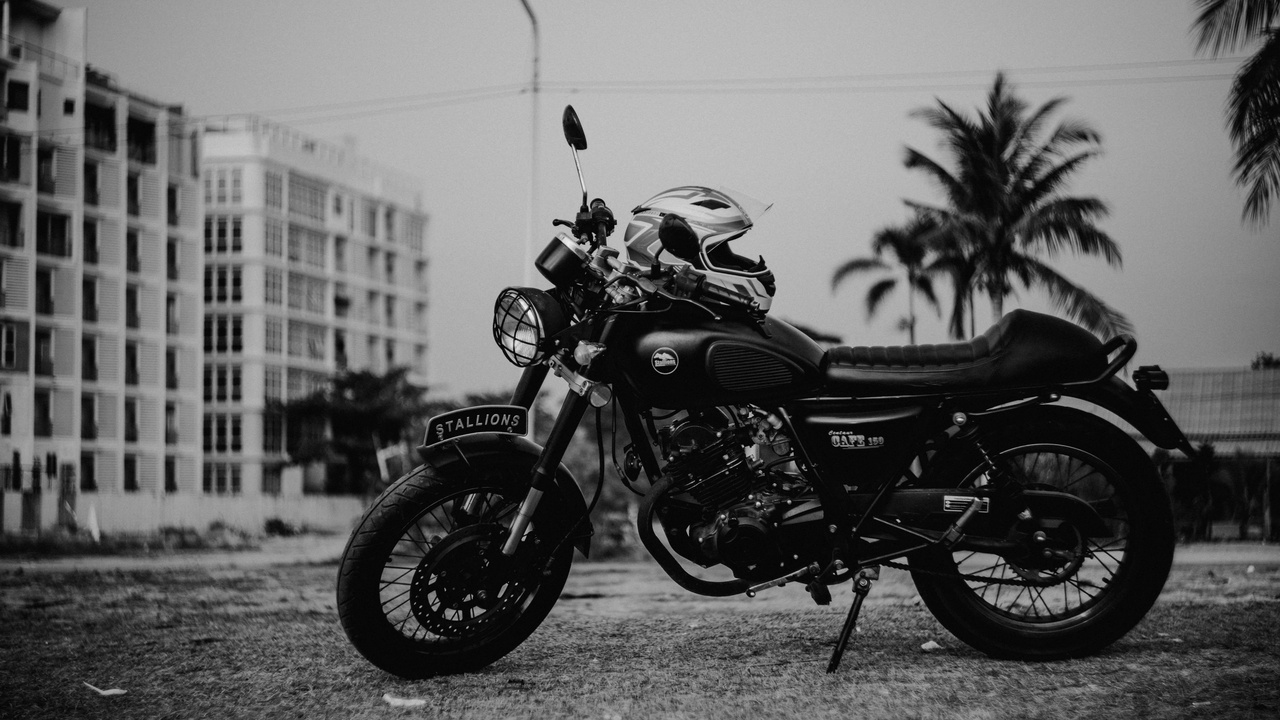
1. Lighter, Minimalist Styling — Advantage: Bobber
Bobbers favor a stripped, minimalist look that removes non-essential trim and often pares down passenger accommodations, which reduces parts and mass. Manufacturer specs and magazine road-tests commonly show wet weights for mainstream bobber-style bikes clustering roughly in the 450–550 lb range, while many cruisers fall between about 500–750 lb depending on displacement and accessories. That 50–200 lb delta translates to easier low-speed handling, simpler parking, and lower shipping or trailering costs.
In practical terms, a lighter bike like the Triumph Bonneville Bobber (noted for its pared-back fenders and solo seat) or an Indian Scout Bobber makes urban maneuvering and quick cosmetic swaps less fussy. Manufacturer spec sheets for those models highlight the deliberate reduction in bodywork, and reviewers often cite easier single-rider handling as a benefit.
2. Classic, Commanding Road Presence — Advantage: Cruiser
Cruisers prioritize a long, low stance and visual heft that many riders prefer for identity and perceived presence. Typical wheelbases are longer than on bobbers, and mainstream cruiser engine displacements commonly span roughly 883cc up to 1800cc for large touring variants. That combination creates a distinct profile and sound that reads as confidence on the road.
For real-world riders, the long-wheelbase geometry and relaxed ergonomics of models such as the Harley-Davidson Softail or the Honda Shadow mean more comfortable seating and a commanding sightline in traffic, plus dealer-available luggage or touring kits that accentuate the cruiser image. Many buyers choose cruisers specifically for that presence and for the comfort it affords on longer outings.
Performance & Handling

3. Improved Agility in Urban Riding — Advantage: Bobber
Bobbers are typically more nimble in traffic because shorter wheelbase geometry and lower overall mass shorten turning radius and reduce the effort required at low speeds. Wheelbase differences of several inches and weight savings in the 50–200 lb range show up in handling tests and rider reports as quicker lane changes and easier U-turns.
For commuting and tight-city riding, that agility matters: finding a parking spot, threading between stopped cars, and balancing at low speeds all become easier on a lighter, shorter bike. Reviewers comparing the Triumph Bonneville Bobber to full-size cruisers routinely remark on its livelier city manners, while larger cruisers are praised for opposite strengths.
4. Superior Highway Stability and Comfort — Advantage: Cruiser
Cruiser geometry—long wheelbase, weight biased toward the chassis, and ergonomics tuned for a relaxed posture—favours straight-line stability and reduced rider fatigue on long rides. Larger fuel tanks, higher-displacement engines and heavier frames smooth out highway irregularities and reduce the effect of crosswinds.
On multi-hour highways, models like the Harley Road King or Indian Chief exhibit steadier behavior and allow riders to fit wind protection and luggage that further reduce fatigue. Riders who log long miles appreciate the stable feel more than raw agility.
5. Easier Performance Customization — Advantage: Bobber
The bobber’s stripped platform often makes it faster and less expensive to modify suspension, exhaust, and appearance. Simpler frames and smaller bodywork create clear mounting points for bolt-on kits, and the aftermarket for popular bobber platforms runs wide—dozens to hundreds of vendors supply solo seats, chopped fenders, short shocks and plug-and-play exhausts.
That accessibility means riders can tune handling or change styling without the labor and cost sometimes required on more integrated cruiser systems. Common upgrades—shorter shocks, solo seats, and aftermarket slip-ons—are readily sourced from vendors such as S&S Cycle and Vance & Hines and are frequently discussed in community forums and test-ride reviews.
Practicality & Ownership Costs
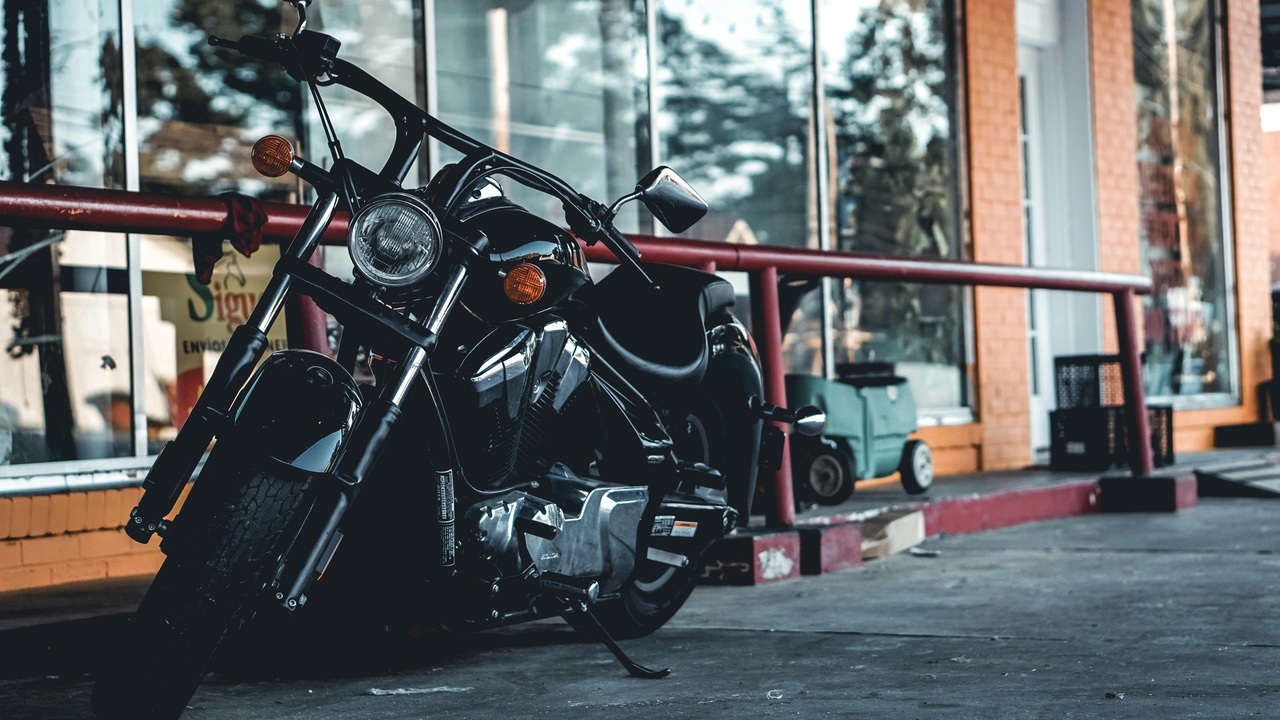
6. Lower Purchase Price and Often Cheaper Insurance — Advantage: Bobber
Many bobber-style bikes and stripped-down models have lower base MSRPs and can be cheaper to insure, especially when they use smaller-displacement engines. Typical new-entry bobbers commonly list around $8,000–$15,000, while full-size cruisers start near $10,000 and extend above $20,000 for premium touring models.
Insurance often scales with displacement and declared value; riders report premium differences in the 10–25% range depending on model, age and location. Practical budgeting tips: get quotes on specific models before you buy, remember that aftermarket upgrades can raise premiums, and plan for basic maintenance at roughly $300–$700 per year depending on mileage and service habits.
7. Ergonomics That Favor Long-Distance Riding — Advantage: Cruiser
Cruisers generally offer ergonomics tailored for extended comfort: relaxed, foot-forward positions, lower-rev engine tuning, wider seats and accessory options like windscreens and saddlebags. Those features reduce strain over multi-hour days and make two-up touring or long weekend trips more manageable.
If long rides are your main use case, look for seat width, handlebar reach and available wind protection when test-riding. Many Harley touring-adjacent models and factory-equipped cruisers provide dealer accessory packs that significantly improve long-distance comfort—try a 1–2 hour ride before committing to assess fatigue and fit.
8. Strong Resale and Owner Communities — Advantage: Cruiser
Several cruiser lines—most notably long-running Harley-Davidson models—have deep owner communities, dense dealer networks and a robust aftermarket that help retain value and simplify ownership. Active owners clubs and plentiful classified listings mean parts and buyer interest are easier to find than for niche custom builds.
Practically, that translates to easier sourcing of used parts, strong demand for well-maintained used cruisers, and local clubs or forums that can help with maintenance and troubleshooting. If resale value and community support matter, review service records, check local parts availability, and confirm dealer support before you buy.
Summary
Deciding between a stripped-down bobber style and a long-wheelbase cruiser comes down to what you ride most: city commutes and personalization, or long miles and comfort. Below are the most consequential takeaways and practical next steps to move from browsing to buying.
- Bobbers win for visual minimalism, lower wet weights (commonly ~450–550 lb) and easier urban handling—good if you prioritize agility and customization (examples: Triumph Bonneville Bobber, Indian Scout Bobber).
- Cruisers offer commanding road presence, long-wheelbase stability and ergonomics built for multi-hour rides; larger-displacement and accessory ecosystems support touring and higher resale (examples: Harley-Davidson Softail, Honda Shadow, Road King).
- The bobber advantage extends to easier, cheaper bolt-on performance and cosmetic mods (aftermarket suppliers like S&S Cycle and Vance & Hines make upgrades common), while cruisers often cost more upfront but hold value through strong owner networks.
- Action steps: test-ride both styles for at least an hour, compare insurance quotes on specific models, and prioritize the single factor that matters most to your riding life—commute, touring, or personalization—before you buy.
Other Motorcycle Type Comparisons

Sarah Thornton
More from Sarah ThorntonHow we reviewed this article
This article was researched against manufacturer records and editorially reviewed before publishing. We accept no payment for coverage.