When Honda launched the ST1100 in 1990 it helped define a new middle ground between full-on sportbikes and heavy tourers — a machine that could cover hundreds of miles at speed without leaving the rider battered. That idea has evolved into the modern sport-touring genre; bikes like the Yamaha Tracer 9 GT now blend sharp handling with features aimed at multiday comfort.
Riders often face a choice between the raw, track-focused performance of sport bikes and the plush comfort of full tourers. For people who want spirited handling and the ability to cover long distances, sport touring offers distinct wins. This article lays out eight concrete advantages of sport touring vs sport bike, grouped into comfort & ergonomics, practicality & long-distance performance, and safety/ownership benefits.
Comfort & Ergonomics
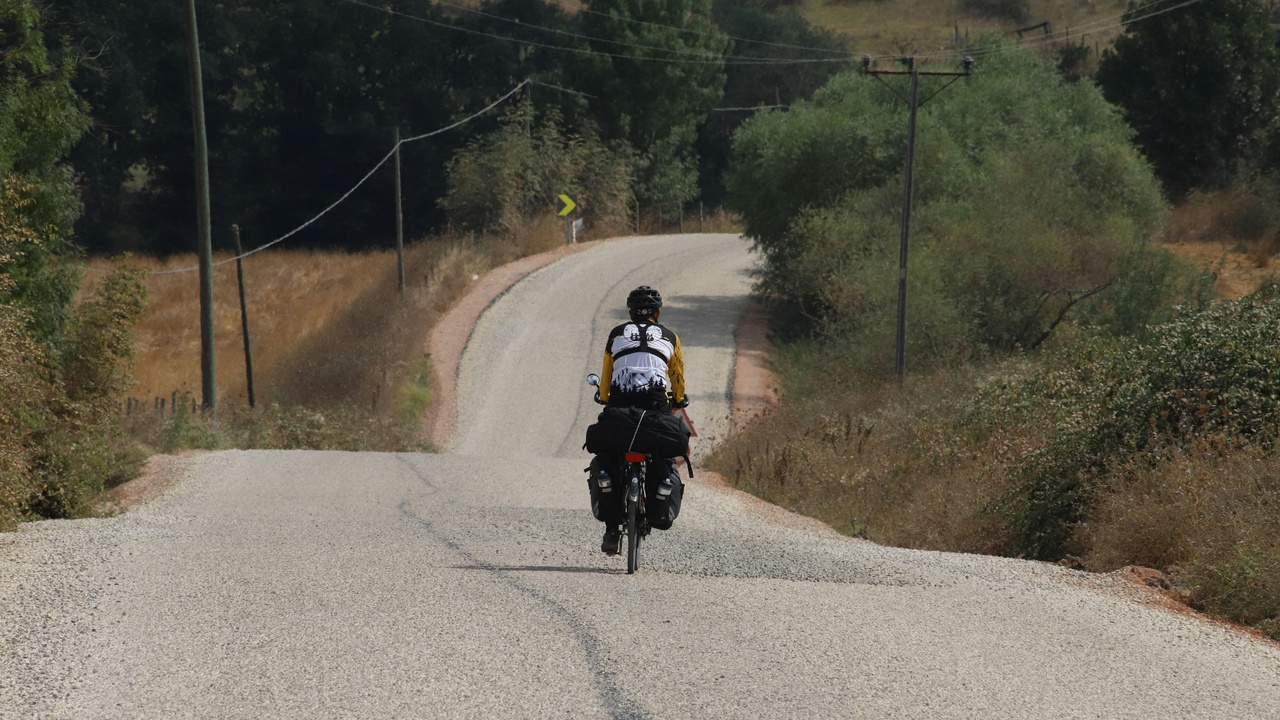
Ergonomics matter on long rides: a chassis and cockpit tuned to reduce fatigue keeps riders fresher over 300–500 km days. Sport-touring frames and geometry trade the extreme crouch of supersport machines for a more upright stance, which directly reduces soreness and improves endurance.
1. Greater long-ride comfort through relaxed ergonomics
Sport touring prioritizes upright seating and a more relaxed reach to the bars compared with crouched sport bikes.
Supporting evidence comes from geometry and cockpit measurements: sport tourers typically position handlebars 20–40 mm higher and set the rider triangle for a more open hip angle than pure sport machines. Rider tests and manufacturer specs show reduced wrist and neck loading as a result.
In real-world terms, that change matters on a 6-hour day. Less wrist pressure and a more neutral spine mean fewer stops for stretching and less cumulative fatigue after 300+ km of mixed roads.
Concrete examples include the Yamaha Tracer 9 GT, which offers a noticeably taller handlebar and a more relaxed footpeg position than the Yamaha R6 (a dedicated supersport). Classic sport-tourers like the Honda ST1100 established the layout that modern machines build on. Seat heights vary, but you’ll often see differences of 20–50 mm in reach and handlebar position between sport tourers and their sport counterparts.
2. Wind protection lowers fatigue and hearing damage
Sport tourers use larger fairings and adjustable windscreens to cut windblast more effectively than most naked or supersport bikes.
Wind-tunnel insight and rider decibel tests back this up: unshielded riders can experience 90–95 dB at highway speeds, while a tall, adjustable screen can reduce perceived wind pressure and cockpit noise by several dB, lowering fatigue and long-term hearing risk.
On a 200–400 km highway stint, lower wind pressure means less neck and shoulder strain and the ability to sustain higher average speeds with less effort. An adjustable screen lets taller and shorter riders tune airflow for comfort in rain or crosswind conditions.
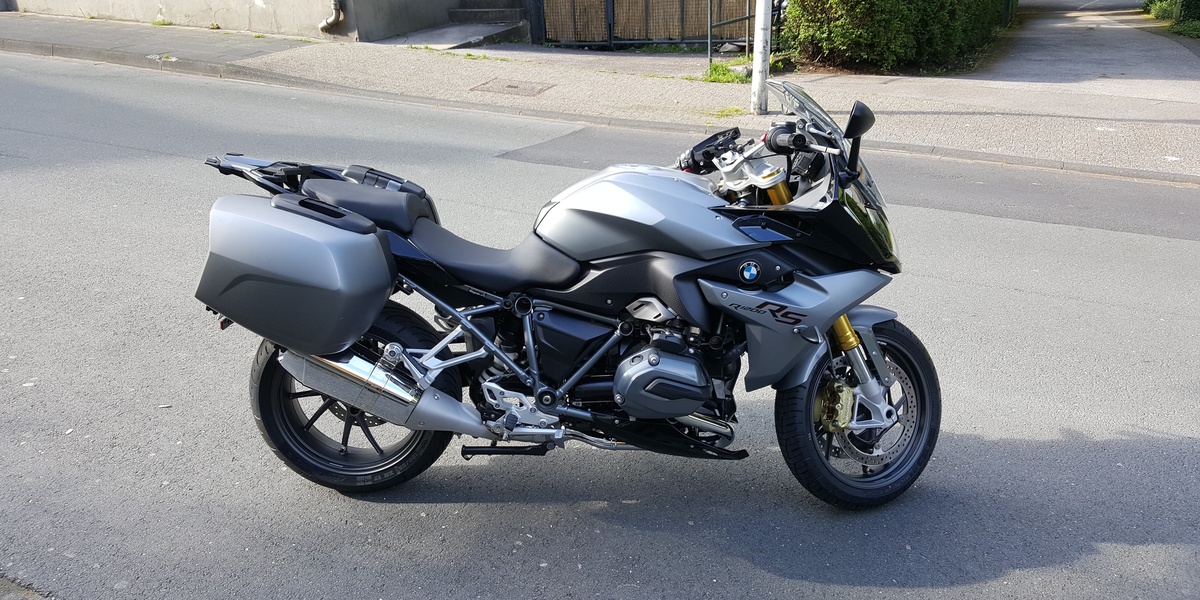
Examples include the Kawasaki Ninja 1000SX and BMW R1250RS, both of which offer larger fairings and multi-step windscreen adjustment. Some screens move 50–120 mm between lowest and highest settings, giving tangible differences in wind management for long days.
3. Adjustable ergonomics and accessories for long-haul comfort
Sport-touring bikes often come with—or support—adjustable seats, footpegs, heated grips and cruise control that increase comfort on variable trips.
Manufacturers list accessory packages that include heated grips (typically 2–3 heat settings), seat-height options, cruise control, and multiple suspension modes. Electronically adjustable suspension is common on higher-spec models and can change damping characteristics to suit a pillion, luggage, or solo sport riding.
In practice, cruise control reduces constant throttle hand strain on long highways, heated grips let you stay comfortable at temperatures down to around 5–10 °C, and suspension modes keep the bike composed whether you’re loaded for two-up touring or riding solo.
Concrete examples: the Yamaha Tracer 9 GT offers cruise control and optional heated grips; KTM’s 1290 Super Duke GT (and similar GT-class bikes) provide multiple suspension modes and seat options. Many systems provide 3–5 selectable modes, letting riders tune comfort vs performance on the fly.
Practicality & Long-distance Performance
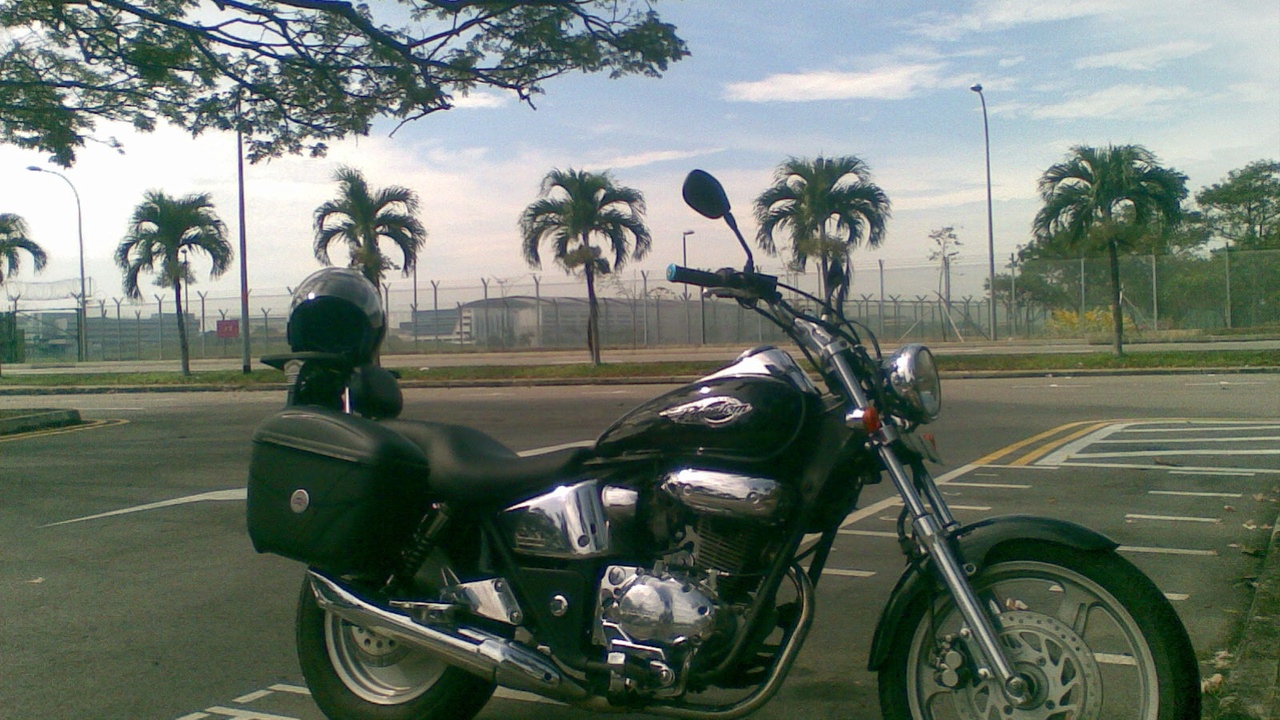
Sport tourers are engineered to cover distance efficiently while still offering dynamic handling. Practical features like integrated luggage, larger fuel tanks, and weatherproof electrical systems matter on multiday trips and turn a weekend motorcycle into a capable long-haul machine.
4. Purpose-built luggage and cargo capacity
Sport touring bikes often include or support integrated hard panniers and top boxes rather than relying solely on aftermarket soft bags.
Manufacturer specs show combined luggage volumes for sport tourers commonly in the 40–60+ liter range, while sport bikes without racks typically offer under 30 liters unless fitted with aftermarket solutions.
That extra protected space matters when packing for a weekend or a week. Hard panniers improve weatherproofing and security, cut setup time, and make two-up touring far easier—no straps flapping and no plastic bags under the seat.
For example, BMW’s R1250RT luggage options and Tracer 9 GT top/side cases can combine to roughly 45–55 liters of lockable storage, which comfortably fits two helmets or multiple changes of clothes for a two-up weekend trip.
5. Bigger tanks and better real-world range
Sport-touring models commonly have larger fuel tanks and engines tuned for usable midrange torque, which improves range and practical overtaking ability.
Typical tank capacities for sport tourers fall in the 18–24 liter range. With reasonable riding, that commonly delivers a real-world range of 300–450 km between stops, depending on riding style and load.
Longer intervals between fuel stops make cross-country days more efficient and less interrupted. Midrange torque also reduces the need to rev high for passing, which saves fuel and reduces rider fatigue on long stretches.
Concrete numbers: the Kawasaki Ninja 1000SX has a tank around 19 liters and test riders often record 300–350 km per tank in mixed riding. The Yamaha Tracer 9 GT’s tank and midrange tuning yield similar real-world ranges when ridden conservatively.
6. All-weather capability and electrical readiness
Sport tourers are often fitted with larger fairings, stronger charging systems, and accessory power to support heated gear, navigation and phone charging.
Many modern sport-touring models provide 12V accessory sockets and USB power as standard or dealer-fit options, and alternator outputs in the broad 400–1,000 W range are common on higher-displacement machines to support heated clothing and electronics.
Being able to run heated layers and keep devices charged extends the riding season and reduces awkward stops to dry out gear or swap batteries. Full fairings and drainage details also help keep luggage and electrics drier in sustained rain.
Examples: the Tracer 9 GT and BMW R1250RS offer 12V and USB charging points, and many comes with heated grip options. Having 2–3 accessory power points and a robust alternator lets riders run heated vests, grips, and a GPS simultaneously on cold mornings.
Safety, Maintenance & Ownership
Sport tourers often include rider aids, stable weight distribution, and owner-focused features that reduce long-term costs and improve day-to-day usability. Those attributes make a difference for riders who log mileage and carry gear regularly.
7. Built-in rider aids and stable handling improve safety
Sport tourers frequently include ABS, traction control, multiple ride modes, and sometimes cornering ABS and semi-active suspension.
Many mid- and large-displacement models now list these systems as standard or available options; for example, cornering ABS and multiple ride modes appear on BMW and Yamaha sport-tourer spec sheets. ABS has been mandated for new >125cc motorcycles in regions like the EU since 2016, driving wide adoption.
In practice, traction control reduces rear-wheel spin when accelerating out of wet corners and ride modes let you dial back power when carrying luggage or a passenger. Semi-active suspension can maintain ride height under load, preserving predictable handling.
Concrete examples: the BMW R1250RS offers cornering ABS and multiple ride modes; the Tracer 9 GT includes traction control and selectable engine maps. Typical modern packages provide 3–6 ride modes to suit rain, road, and sport riding.
8. Lower long-term costs and day-to-day versatility
For riders who primarily use their bikes for touring and commuting, sport touring can be less costly to own than a high-strung sport bike.
Touring-oriented tires and setups generally last longer than sticky sport tires. As an example, touring tires commonly deliver 8,000–12,000 km of service life, while high-grip sport tires are often in the 3,000–6,000 km range depending on riding style.
Insurance can also differ: younger riders or those seeking maximum performance liter-class sportbikes often pay higher premiums than riders on more practical sport-tourers, though regional factors matter. Service intervals and easier access to routine items on sport tourers can reduce workshop time and downtime.
Concrete advice for buyers: check specific insurance quotes and maintenance schedules for the models you consider, and compare tire choices. A touring-oriented tire change every 10,000 km versus a sport tire change every 4,000 km is a tangible ownership saving for high-mileage riders.
Summary
Sport-touring machines combine much of a sport bike’s handling with features that make long days and multiday trips more comfortable, practical and often safer. For riders who split time between spirited rides and long-distance travel, the ergonomic, range, and ownership advantages add up.
- Relaxed ergonomics and wind protection cut fatigue on 300–500 km days, so you stop less and enjoy more miles.
- Integrated luggage (40–60+ liters) and larger fuel tanks (commonly 18–24 L) deliver true touring capability without after-market compromise.
- Built-in rider aids (ABS, traction control, ride modes) and stronger electrical systems improve safety and let you run heated gear and nav devices.
- Touring-oriented tires and service regimes often mean lower tire costs and longer service intervals compared with pure sport setups.
If you’re deciding between models, test-ride a sport tourer such as the Yamaha Tracer 9 GT back-to-back with a sport machine and compare specs like tank capacity, luggage volume and electronic packages. That hands-on comparison—paired with the practical numbers above—will tell you which compromise fits your riding plans. Consider the sport touring vs sport bike trade-offs based on how many miles you want to cover comfortably each year.
Other Motorcycle Type Comparisons

Sarah Thornton
More from Sarah ThorntonHow we reviewed this article
This article was researched against manufacturer records and editorially reviewed before publishing. We accept no payment for coverage.