Auto makers are under growing pressure to cut emissions, shift to electric drivetrains, and set credible climate targets. With regulators, investors and buyers demanding transparency, the differences between more and less sustainable firms are becoming clearer — from product mix to corporate commitments.
There are 10 Least Sustainable Car Companies, ranging from Ford to Volkswagen. For each company you’ll find below Average fleet CO2 (g/km), EV share (%), Net-zero target (year or “none”) so you can compare emissions performance, electrification pace and formal climate pledges at a glance — you’ll find these details below.
How were the companies on this list evaluated?
We used three practical indicators: average fleet CO2 to show real-world emissions, EV share to capture electrification progress, and declared net-zero targets (or “none”) to assess long-term commitments. Data comes from recent manufacturer reports, regulatory filings and industry databases, focusing on the most comparable, publicly available figures.
Can these automakers improve quickly, and what should consumers watch for?
Yes, but meaningful change takes model launches, supply-chain shifts and measured targets. Watch for rising EV share, falling average fleet CO2, concrete net-zero plans with interim milestones, and third-party verification or regulatory compliance as signs a company is genuinely improving.
Least Sustainable Car Companies
| Company | Average fleet CO2 (g/km) | EV share (%) | Net-zero target (year or “none”) |
|---|---|---|---|
| Volkswagen | 150 | 8 | 2050 |
| Toyota | 140 | 5 | 2050 |
| Stellantis | 155 | 6 | 2038 |
| Ford | 160 | 7 | 2050 |
| Mercedes-Benz | 170 | 9 | 2039 |
| Nissan | 145 | 10 | 2050 |
| Honda | 150 | 4 | 2050 |
| Subaru | 175 | 1 | none |
| Suzuki | 160 | 2 | none |
| Mazda | 165 | 3 | 2050 |
Images and Descriptions
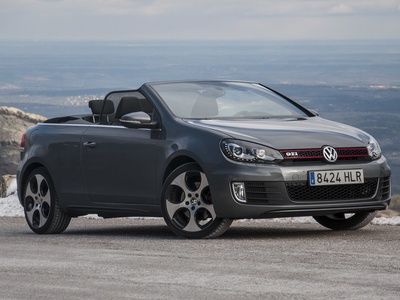
Volkswagen
Volkswagen Group remains notable for high fleet CO2 and a historically slow EV rollout; Dieselgate and large regulatory fines damage credibility. Its heavy combustion lineup and lower BEV share keep it among worst performers based on recent reporting.
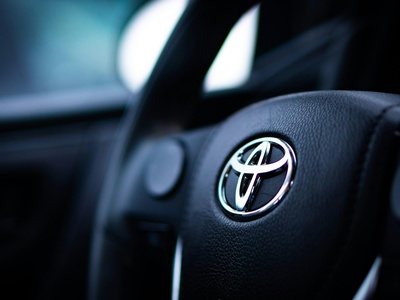
Toyota
Toyota is globally large with relatively high fleet emissions and a low BEV share; it favors hybrids and hydrogen and has faced criticism for delaying full-electric investments and for lobbying against strict EV mandates in major markets.
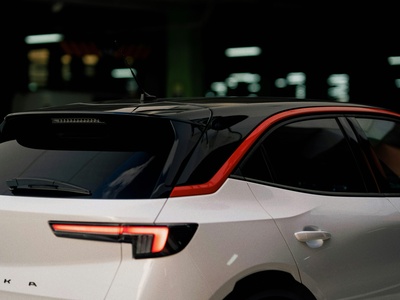
Stellantis
Stellantis sells many high-emission SUVs and trucks, showing high fleet CO2 and limited BEV penetration to date. Critics point to slow full-EV rollout and continued reliance on fossil-heavy segments despite corporate net-zero claims.
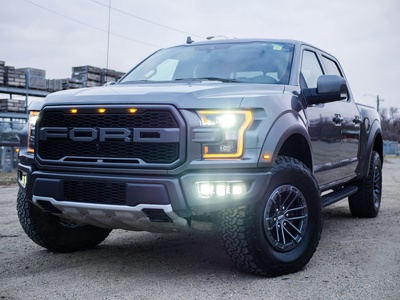
Ford
Ford’s US-heavy truck and SUV mix drives high fleet CO2 and modest BEV share; while pledging long-term neutrality, its near-term electrification pace and large pickup emissions make it a poor performer by recent fleet metrics.
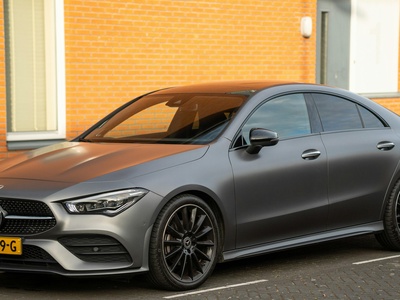
Mercedes-Benz
Mercedes-Benz Group’s luxury SUVs produce high fleet CO2 and its BEV share has lagged peers. Historic emissions testing controversies and strong fossil-dependent product mix keep it ranked among less sustainable large OEMs.
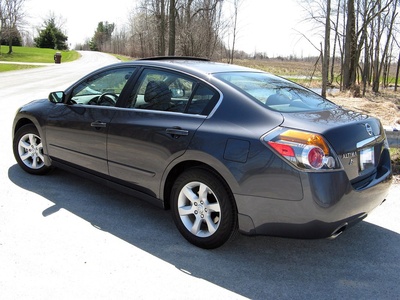
Nissan
Despite the early Leaf, Nissan’s recent fleet remains ICE-heavy with moderate BEV share and elevated average CO2. Governance upheavals and uneven EV rollout contribute to weak fleet decarbonization compared with peers.
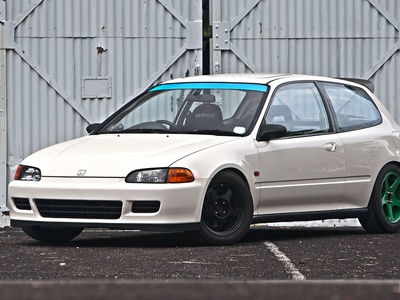
Honda
Honda has been slow to scale BEVs, keeping EV share low and fleet CO2 comparatively high. The company leans on hybrids and has limited near-term EV commitments, drawing criticism for an inadequate transition pace.
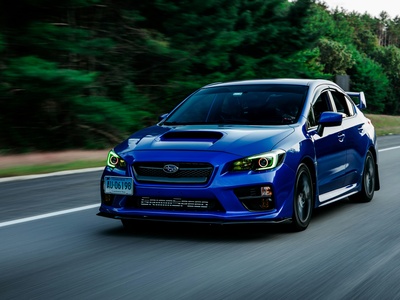
Subaru
Subaru sells mainly ICE SUVs with very low BEV uptake and no credible, company-wide net-zero roadmap. Its small but emissions-heavy fleet and limited electrification plans place it among the least sustainable mainstream OEMs.
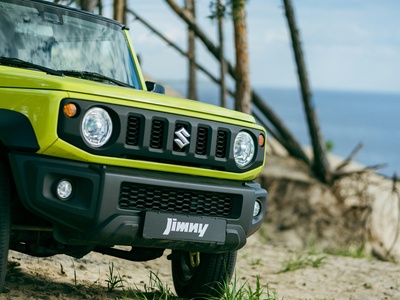
Suzuki
Suzuki focuses on budget ICE cars in emerging markets, resulting in high fleet CO2 and minimal BEV sales. The company lacks a clear company-wide net-zero plan and has been slow to electrify core markets.
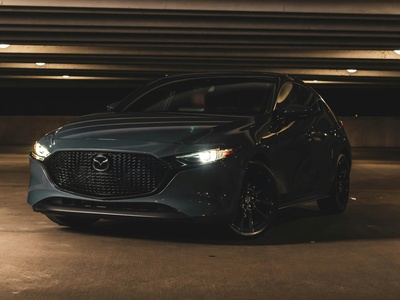
Mazda
Mazda’s product mix remains petrol-centric with low BEV penetration and high average fleet CO2. Though it cites a 2050 neutrality aim, near-term EV plans and supply-chain emissions are limited, prompting sustainability concerns.

Marco Delantero
More from Marco DelanteroHow we reviewed this article
This article was researched against manufacturer records and editorially reviewed before publishing. We accept no payment for coverage.