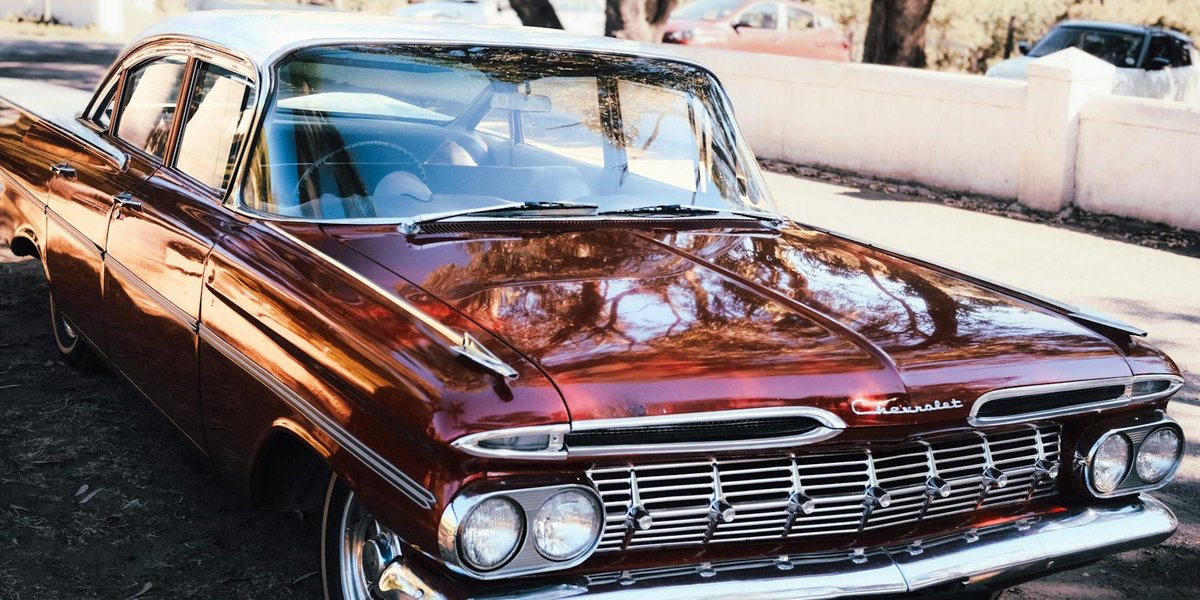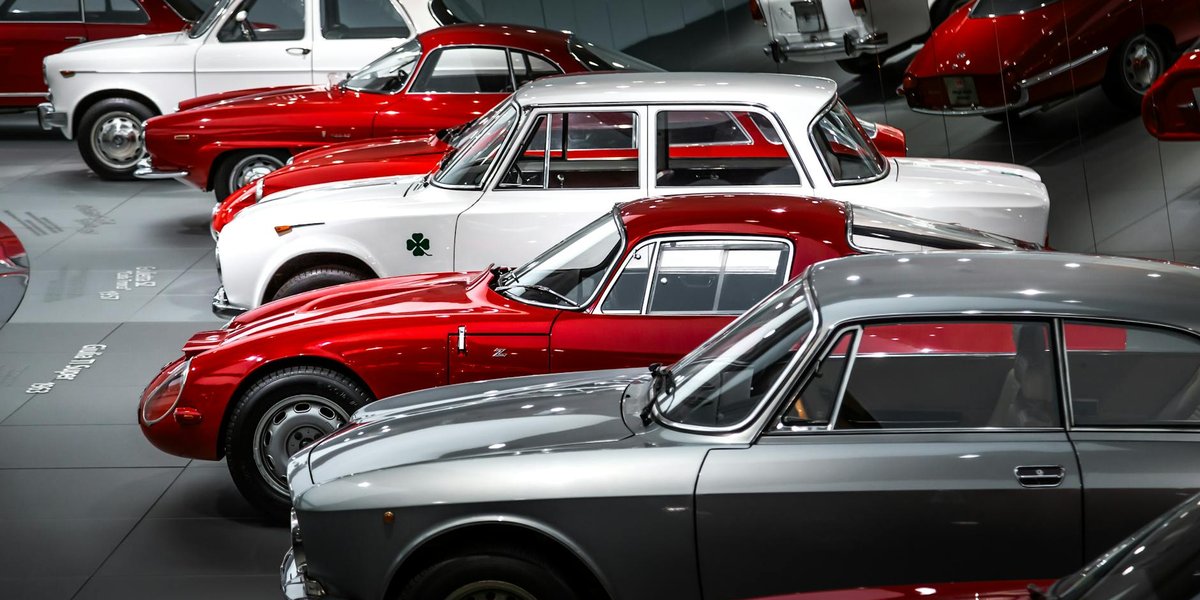

More than half of new cars sold in many markets now come with keyless entry and push-button start as standard or optional equipment.
That matters because a seemingly small change at the ignition can reshape everyday routines: starting and stopping the car faster, cutting down on mechanical wear, and adding layers of electronic protection drivers didn’t have a decade ago. These are real, repeatable gains — not just a cosmetic upgrade.
Push-button start does more than look modern: it improves daily convenience, strengthens security, and can lower wear-and-tear — making it a meaningful upgrade for many drivers.
Below I unpack eight distinct advantages grouped into three practical categories: convenience and everyday use, safety and security, and efficiency/maintenance/value. Expect concrete examples from familiar models and clear takeaways you can use when shopping, owning, or maintaining a car with keyless entry and start systems.
Convenience and Everyday Use
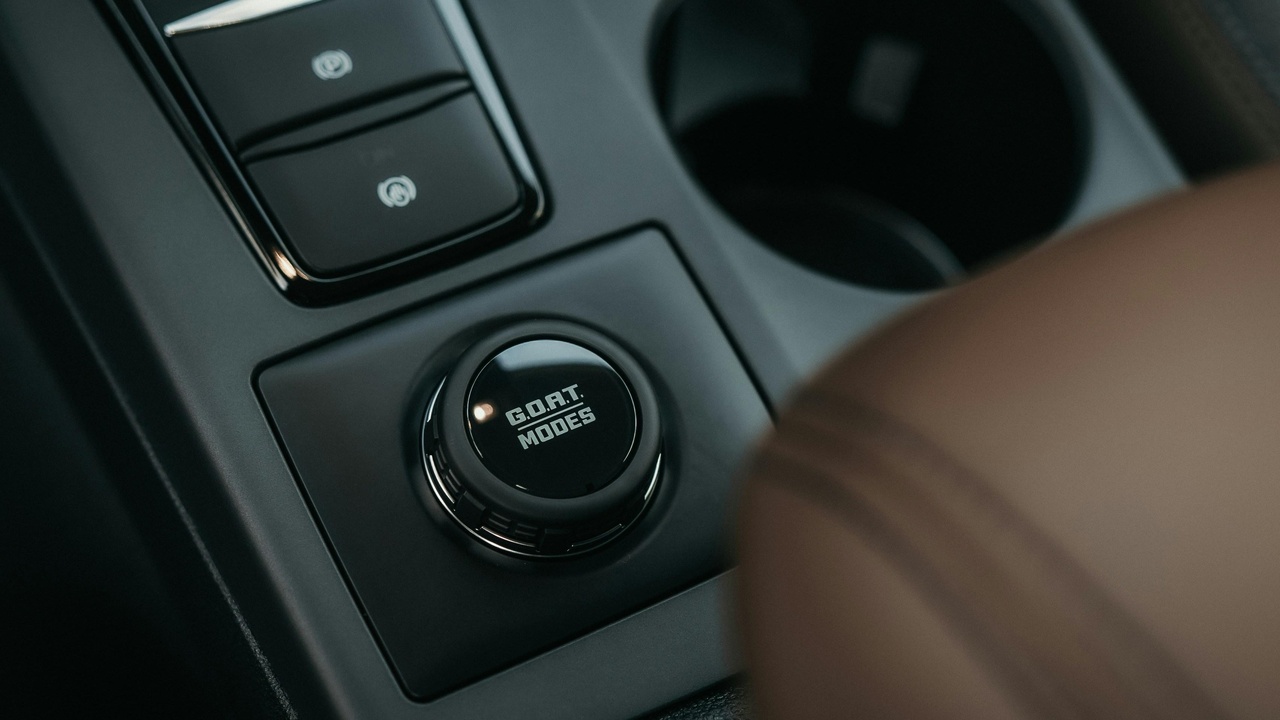
Keyless start changes the small interactions that add friction to daily life: you approach, the car recognizes you, and the engine comes alive without a twist. That speed and integration with modern features — like memory seats and phone-as-key — reshapes the way people use vehicles every day. Models such as the Toyota Camry, Tesla Model 3, and BMW 3 Series helped normalize this behavior compared with older keyed ignitions.
1. Faster, easier starts — no fumbling for keys
Push-button start removes the need to insert and turn a key, saving a few seconds each time you start the car. That often means 2–6 seconds per ignition — small on its own, but it adds up quickly over multiple daily trips and commutes.
The convenience shows up in real life: parents juggling kids and bags can get doors closed and climate control running without hunting for a metal key; rideshare drivers who stop and start frequently reclaim minutes over a long shift; and commuters in rain or snow appreciate fewer fumbling moments. Toyota and Honda commonly use proximity fobs; Tesla leans on phone- or card-based presence detection for an almost automatic start.
2. Hands-free entry and integrated convenience features
Push-button systems almost always pair with proximity keyless entry, so your doors and trunk can unlock as you approach and lock when you walk away. The fob detection range — typically a few feet — allows you to carry groceries, a child carrier, or heavy bags without digging for keys.
Recent advances include smartphone-based keys (Apple CarKey and manufacturer apps) and multi-user profiles. For example, BMW’s systems can load seat, mirror, and climate presets based on which fob is recognized, while Ford and other brands support digital keys for shared access. That personalization makes multi-driver households less of a setup headache.
3. Cleaner cabin and reduced wear from repeated key use
Not handling a metal key as often means fewer greasy fingerprints on the dash and one less thing to drop in the seat crease. More importantly, removing mechanical key insertion reduces wear on ignition barrels and the key itself over time.
Older cars often need ignition-cylinder service after years of repeated use; by contrast, keyless systems trade that mechanical wear for low-maintenance electronic components (and the occasional fob battery change). Fleets and rentals in particular prefer keyless setups because they see fewer jammed cylinders and broken key heads during high-turnover use.
Safety and Security

Keyless systems bring important security improvements — but they also introduced new attack methods. Modern implementations mitigate risks with encrypted fobs, immobilizers, and over-the-air or dealership software updates. Following a few simple habits keeps the upside while limiting exposure to relay or cloning attacks.
4. Built-in immobilizers reduce hot-wiring and theft
Most push-button systems include electronic immobilizers that prevent an engine from starting without the correct digital handshake from a fob. These systems use rolling codes and encrypted communication between fob and vehicle ECU, which makes traditional hot-wiring and simple key-copy theft far less effective.
Research and industry commentary show that cars with factory immobilizers are harder to steal using older techniques; agencies like the IIHS and NHTSA discuss vehicle-theft trends and countermeasures. Manufacturers from Toyota to BMW highlight immobilizers and alarm/telematics integration as part of their security packages.
5. Improved safety features and reduced rollaway risk
Push-button systems typically enforce safety interlocks: most cars require the brake pedal to be depressed before the engine will start, and many modern systems tie the electronic parking brake or shift-to-park logic into the power-off sequence. That reduces the chance of accidental starts or rollaway events.
Carmakers and regulators have addressed start/stop safety over the past decade, and NHTSA guidance and occasional recalls have focused attention on software and interlock behavior. Practical owner habits — like ensuring the vehicle is in Park and the parking brake is set before exiting — still matter, and simple protections (Faraday pouches, steering-wheel locks) help guard against relay-style attacks.
Efficiency, Maintenance and Resale Value
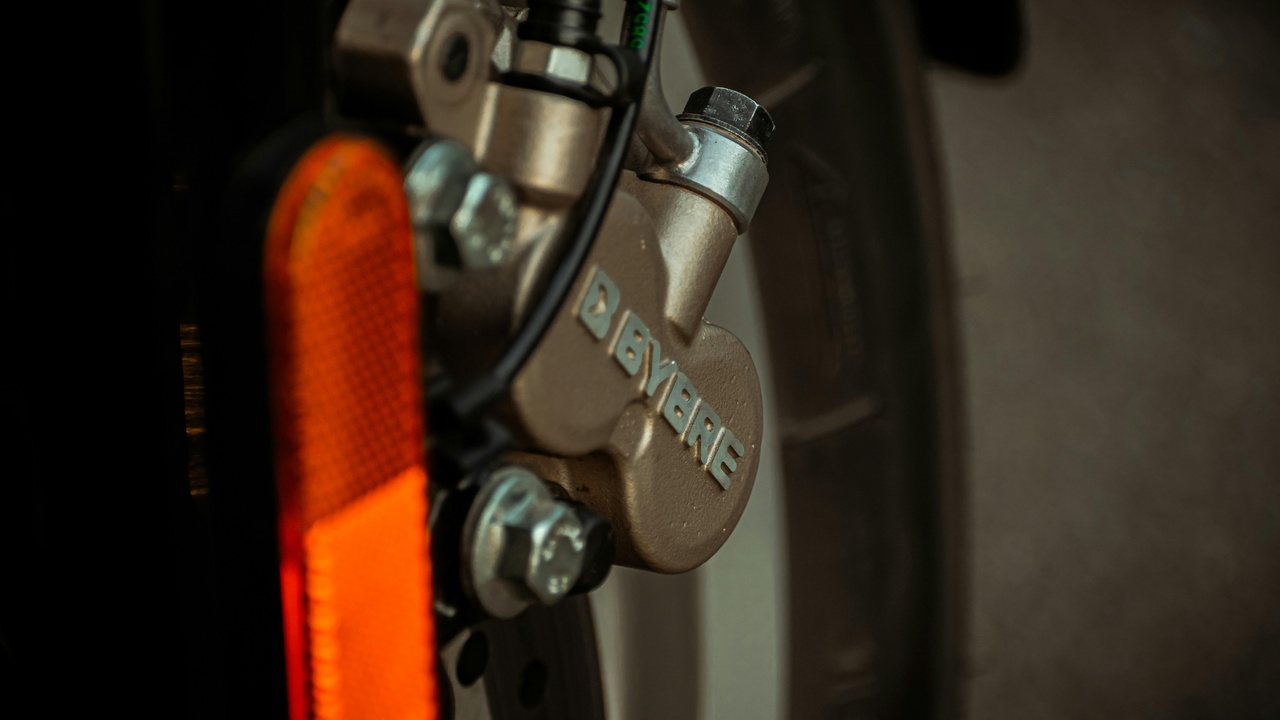
Push-button start is often part of a tech bundle that includes start–stop systems, telematics, and smarter power-management. Those systems can cut fuel use, shift maintenance costs away from heavy mechanical parts, and make the car more appealing on the used market. Taken together, the economic case is as relevant as the convenience case.
6. Easier integration with start–stop and fuel-saving tech
Cars with push-button architecture are typically designed to interrupt and restore engines automatically for start–stop systems, which reduces idling fuel use in urban driving. Studies and industry estimates generally put start–stop fuel savings in the 3–10% range in stop-and-go city traffic; exact figures vary by vehicle and driving pattern (see ICCT and other transport-efficiency research).
For city commuters and delivery drivers, those modest percentage savings add up over months and years. Models from mainstream and European brands — and many hybrids — pair push-button start with automatic restart systems for a cohesive user experience.
7. Less starter/ignition wear and lower maintenance costs
Electronic starting removes the repeated mechanical stress on an ignition cylinder and can reduce starter motor wear, since modern systems manage engagement smoothly. That shifts some maintenance from mechanical parts to batteries and electronics, which are often cheaper and quicker to service.
As a rough comparison, replacing an ignition cylinder or repairing a jammed tumbler can run a few hundred dollars at many shops, while a new key fob battery is typically under $20 and replacing a fob (if lost) ranges from about $100–$400 depending on make and programming (see RepairPal cost guides). Fleet operators report fewer ignition-related service calls after switching to keyless systems.
8. Stronger resale appeal and modern feature value
Keyless start is widely perceived as a convenient, slightly premium feature, and many private buyers filter used-car searches for vehicles that include it. That can shorten time on market and, in some cases, add a modest dollar premium to trade-in or private-sale values.
Used-car valuation services and dealer listings often highlight push-button start as part of convenience or technology packages (see Kelley Blue Book notes on options and trims). The actual premium varies by model and region, but for popular mainstream models like the Camry or Accord, buyers frequently treat keyless start as part of a desirable package of features.
Summary
- Convenience: Faster starts, hands-free entry, and personalization (examples: Toyota Camry, Tesla Model 3, BMW memory profiles).
- Security and safety: Electronic immobilizers and start interlocks reduce classic hot-wiring and rollaway risk — but owners should follow best practices (store fobs securely, apply software updates, consider a Faraday pouch).
- Economics and maintenance: Integration with start–stop tech can cut urban fuel use (~3–10%), and shifting from mechanical parts to electronics often lowers long-term repair frequency and cost (compare ignition-cylinder repair to fob battery or replacement costs).
- Resale and buying advice: Keyless start is a commonly sought feature that can improve desirability; when shopping used, compare trim packages and search filters that list push-button start as a selling point.
Benefits of Other Options

Marco Delantero
More from Marco DelanteroHow we reviewed this article
This article was researched against manufacturer records and editorially reviewed before publishing. We accept no payment for coverage.