
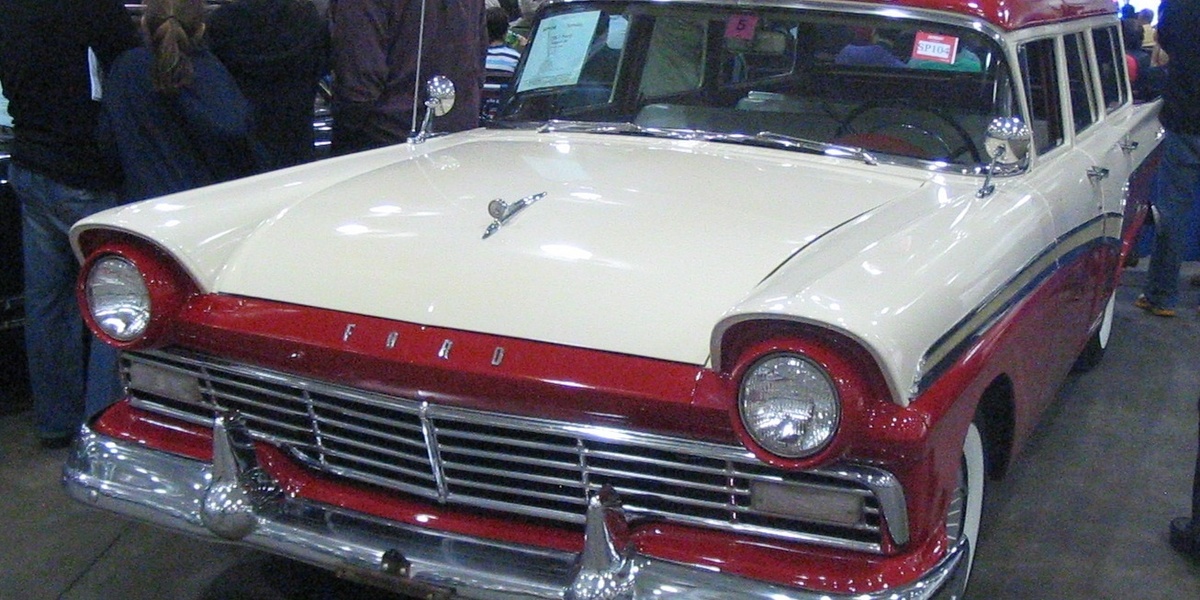
In post-war Europe the practical station wagon (estate) became the family car of choice — a utilitarian alternative to sedans and small hatchbacks that let people carry furniture, tools and weekend gear with ease.
Yet many modern buyers still gravitate toward hatchbacks for their compact size and lower sticker price, and they may not realise what they’re trading away. Families, DIYers and outdoor enthusiasts often find that a wagon solves everyday hauling and comfort problems without forcing them into a taller, less car-like vehicle.
When weighing wagon vs hatchback, expect a practical cargo advantage on the order of roughly 100–200 liters in many comparable models (and a squarer, more usable load floor). For many buyers who need everyday practicality without giving up car-like handling, a modern wagon offers clear advantages over a hatchback — from cargo space and comfort to driving stability and long-term ownership value.
Practical Space and Versatility
Space and loading flexibility are often the deciding factors when shoppers choose a body style. Wagons usually stretch the usable floor area and add roof‑utility without increasing overall footprint, which makes them especially attractive to people who regularly carry awkward loads.
1. Larger, more usable cargo capacity
Wagons typically deliver more liters of cargo and a squarer load area than hatchbacks of a similar length, thanks to a longer rear overhang and flatter floor. For example, the Volvo V60 has about 505 litres of luggage space with the seats up versus roughly 380 litres in a Volkswagen Golf hatch — a difference of ~120–130 litres that translates into more usable floor length rather than just extra height.
Some estate cars push even higher: the Škoda Octavia Combi often exceeds 600 litres in its class, which makes rolling up with a stroller, pet crate and grocery run much less of a squeeze. The Subaru Outback trades even more practical layout for the same reason: longer rear floor and easy-fit loading for outdoor kit and weekend gear.
2. Easier loading and better roof-utility
Wagons usually feature lower liftover heights and longer, flatter load floors, reducing strain when lifting bulky items. Liftover can be 5–15 cm lower on many wagons versus taller SUVs and some compact hatchbacks, and that makes loading heavy boxes or short furniture noticeably easier.
Roof rails are common on wagons, and the longer roofline accepts larger rooftop boxes and gear mounts — typical roof boxes of 300–420 litres fit neatly on many estate roofs. Models like the Subaru Outback and Audi A4 Avant show how roof‑utility plus car‑height access means bikes, kayaks or building supplies can be carried without renting a van.
3. Better rear-passenger comfort and practical layouts
Because wagons keep a flatter rear roof and stretched rear overhangs, they often prioritise rear-seat comfort and flexibility. That can mean a few extra centimetres of headroom or legroom compared with hatchbacks, and more sensible seat‑folding geometries for long items.
Family-friendly estates such as the Skoda Superb Estate are well known for generous rear legroom, while models like the Toyota Corolla Touring focus on configurable rear layouts and split-folding seats. Those small differences add up for tall passengers, child‑seats and multi‑person trips carrying luggage.
Driving Dynamics and Performance
Wagons often retain the handling and low centre of gravity of the car platform they’re built on, while adding cargo practicality. That combination gives a steadier high‑speed feel and can be a better platform for towing or loaded highway work than a similarly sized hatchback.
4. Greater stability and a more planted feel at speed
Wagons frequently have a longer wheelbase and rear overhang than equivalent hatchbacks — differences commonly in the 5–15 cm range — which improves weight distribution and straight‑line stability when loaded. That geometry helps them cope with crosswinds and trailer tongue loads more calmly than a compact hatch.
Road tests often praise the Audi A4 Avant and Volvo V60 for their planted feel compared with smaller hatchbacks like the A3 Sportback. Many European wagons are also rated to tow 1,500–1,800 kg, so they’re a practical choice for small trailers, bike racks or light caravans without compromising on highway composure.
5. Comfort and efficiency for long trips
Manufacturers commonly tune wagons for a comfortable ride suited to long miles, and real‑world fuel consumption for efficient diesels or turbo petrols often sits in the 5–7 L/100 km range on steady highway runs. That keeps running costs competitive with hatchbacks when you’re doing motorway work or towing a light load.
When identical drivetrains are used across body styles — for example Mercedes C‑Class Estate versus its sedan or compact equivalents — the wagon’s aero and weight differences usually result in close fuel figures when unladen, with the wagon pulling ahead once fully loaded because of better load distribution and lower drag than a rooftop-laden hatchback variant.
Ownership Costs and Resale Value
Beyond sticker price, ownership considerations like depreciation, insurance and the need for occasional rentals affect overall value. Wagons often repay practicality through lower secondary spending and respectable residuals in markets that favour estates.
6. Potentially better resale in markets that favor estates
Resale is regionally driven, but in many European markets estate cars hold value at or above comparable hatchbacks. In some segments this can translate to roughly 5–10% stronger residuals after three years for popular estate models, particularly well‑spec examples.
Examples include the Mercedes E‑Class Estate and certain Volvo and Skoda wagons that enjoy consistent demand on the used market. If you plan to change cars after 3–5 years, that stronger residual can lower total cost of ownership compared with a hatchback that needs extra equipment or a second vehicle to match the wagon’s utility.
7. Comparable running costs and fewer secondary purchases
Operating costs between similarly equipped wagons and hatchbacks are often close. Typical annual maintenance bills fall in the ballpark of USD 400–800 depending on brand and mileage, and insurance for the same displacement and trim usually differs by roughly 5–10% rather than dramatically more.
Because a wagon can replace occasional van rentals or the need for a second car, owners often save money over time. Picture a five‑year ownership: skipping two or three small van hires for moves or trips can easily offset any modest premium paid at purchase.
Summary
- Wagons typically offer 100–200 litres more usable cargo and a squarer load floor, making day‑to‑day hauling and odd jobs easier.
- Lower liftover heights, standard roof rails and longer roofs mean easier loading and better rooftop accessory options for bikes, boxes and outdoor gear.
- Longer wheelbase and balanced load distribution produce a calmer, more stable highway feel and useful towing capacity (often 1,500–1,800 kg).
- Resale and running costs are comparable to hatchbacks in many regions, and owning a single practical estate can avoid repeated van rentals or a second vehicle.
- Try packing your usual weekend kit into both a wagon and a hatchback during a test drive — when thinking about wagon vs hatchback, load the car the way you actually travel and compare comfort, access and ride when loaded.
Other Car Type Comparisons

Marco Delantero
More from Marco DelanteroHow we reviewed this article
This article was researched against manufacturer records and editorially reviewed before publishing. We accept no payment for coverage.