The early 1970s reshaped what people expected from a car — tighter emissions rules, changing fuel prices and new buyer priorities meant familiar models evolved quickly or disappeared. Roadside scenes from 1973 show a mix of compact European hatchbacks, American sedans and roomy vans sharing the same parking lots and highways.
There are 18 Popular Cars in 1973, ranging from 127,Type 2 (Bus) to a variety of body styles and markets. For each entry you’ll find below Manufacturer,Region,1973 sales or rank,Key specs (engine L, hp) so you can scan who made them, where they sold best and the basic engine numbers you’ll care about when comparing models; you’ll find below the full list and details.
How were the models chosen for this list?
Models were selected based on a combination of 1973 sales data, contemporary rankings and lasting recognition in historical sources; the list aims to reflect what was widely seen on roads and in buyer charts that year, with the accompanying columns showing the specific sales/rank and key engine specs used for comparison.
Can I use the table to compare performance and market reach?
Yes — the Manufacturer and Region columns show where a model was marketed, the 1973 sales or rank gives relative popularity, and Key specs (engine L, hp) let you compare basic performance, though regional trims and reporting methods can affect direct comparisons.
Popular Cars in 1973
| Model | Manufacturer | Region | 1973 sales or rank | Key specs (engine L, hp) |
|---|---|---|---|---|
| Cortina | Ford | UK | 1973 sales rank: UK #1 | 1.6L I4, 70 hp |
| Beetle | Volkswagen | Global | 1973 sales rank: Top global seller | 1.6L flat-4, 50 hp |
| Escort | Ford | UK | 1973 sales rank: UK top 3 | 1.1L I4, 55 hp |
| Mini | Austin/Morris | UK | 1973 sales rank: UK top 5 | 1.0L I4, 55 hp |
| Marina | British Leyland | UK | 1973 sales rank: Popular UK family car | 1.8L I4, 85 hp |
| Mustang | Ford | US | 1973 popularity: Widely recognized sporty coupe | 5.8L V8, 150 hp |
| Camaro | Chevrolet | US | 1973 popularity: Popular American pony/sports car | 5.7L V8, 170 hp |
| 240Z | Datsun (Nissan) | US | 1973 popularity: Strong U.S. sports-car seller | 2.4L I6, 151 hp |
| Corolla | Toyota | Japan/Global | 1973 sales rank: Top Japanese compact seller | 1.2L I4, 60 hp |
| Celica | Toyota | Japan/US | 1973 popularity: Popular sporty compact coupe | 1.6L I4, 108 hp |
| Cutlass | Oldsmobile (GM) | US | 1973 sales rank: One of top-selling U.S. models | 5.7L V8, 180 hp |
| Chevelle | Chevrolet | US | 1973 popularity: Strong midsize sales | 5.7L V8, 200 hp |
| Type 2 (Bus) | Volkswagen | Europe/US | 1973 popularity: Cultural icon and practical van | 1.6L flat-4, 50 hp |
| 127 | Fiat | Europe | 1973 popularity: Rapidly growing small car | 0.9L I4, 45 hp |
| R4 | Renault | France/Europe | 1973 popularity: Established economical choice | 0.8L I4, 34 hp |
| S-Class (W116) | Mercedes-Benz | Europe/US | 1973 popularity: Leading luxury sedan | 4.5L V8, 220 hp |
| 3.0CS | BMW | Europe/US | 1973 popularity: Aspirational grand tourer | 3.0L I6, 200 hp |
| 2101 (Zhiguli) | AvtoVAZ (Lada) | USSR | 1973 popularity: Widely used Soviet family car | 1.2L I4, 60 hp |
Images and Descriptions
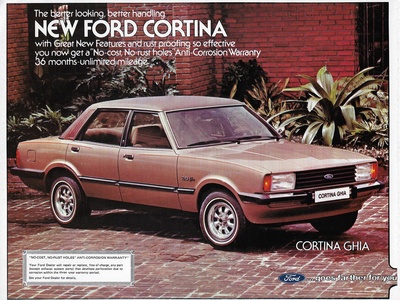
Cortina
The Cortina was Britain’s go-to family car in 1973 thanks to sensible size, broad trim range and strong dealer support. The Mk3 was a common company car and family transport, making it the year’s clear best-seller in the UK.

Beetle
The Beetle remained an international icon in 1973, prized for simplicity, low running costs and ubiquity. Its cultural visibility and massive global production kept it among the world’s most common cars that year.
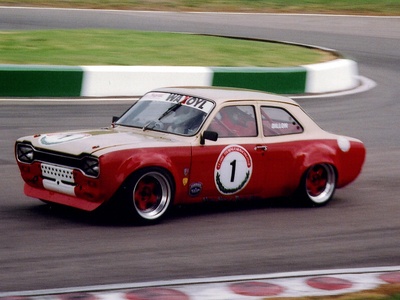
Escort
Ford’s Escort was a compact, affordable car that appealed to private buyers and fleets in Britain and Europe. Easy to maintain and competitively priced, it stayed high in sales and was a popular small-family choice in 1973.
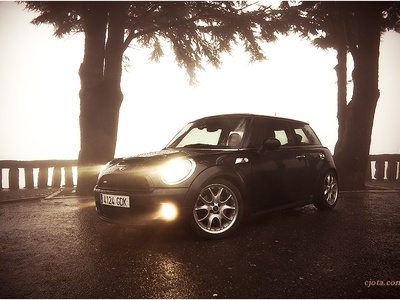
Mini
The classic Mini continued to be loved in 1973 for its clever packaging, nimble handling and economy. It remained a cultural and practical favorite in cities and countryside alike despite growing competition in the small-car market.

Marina
Introduced as a simple, affordable BL family car, the Marina found buyers in 1973 for its roomy interior and conventional engineering. It was a familiar sight on British roads, appealing to budget-conscious families.
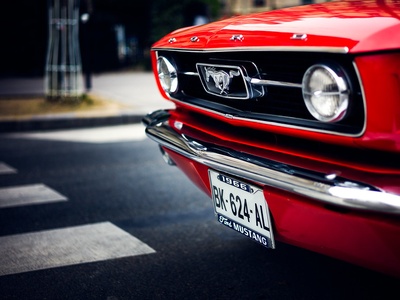
Mustang
The 1973 Mustang, last of the original big-bodied generation, stayed prominent in American culture and media. Buyers liked its sporty image and V8 options, keeping it a visible and popular pony car despite shifting market tastes.
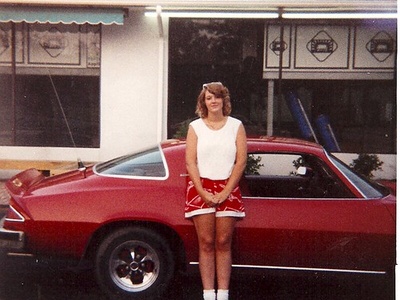
Camaro
Chevrolet’s Camaro remained a competitor in the US performance/enthusiast market in 1973. With V8 power and bright styling, it attracted buyers seeking muscle-car looks and weekend performance in an era of tightening emissions.
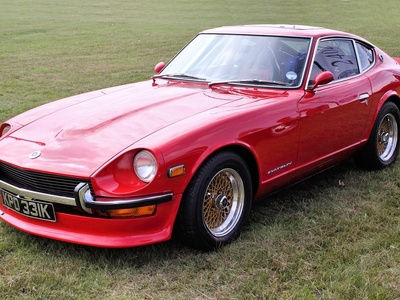
240Z
The Datsun 240Z blended affordable price, reliable engineering and genuine sports-car performance, giving it strong sales and media praise in 1973. It helped establish Datsun as a maker of desirable sporting cars in the U.S.
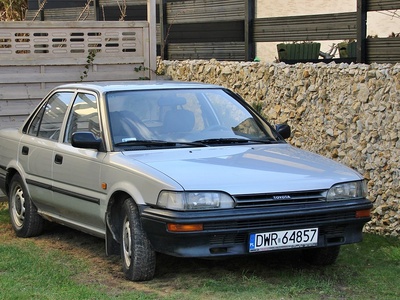
Corolla
Toyota’s Corolla was a compact known for reliability, economy and broad global appeal. In 1973 it sold strongly in Japan and overseas, becoming a familiar, practical choice for everyday buyers worldwide.
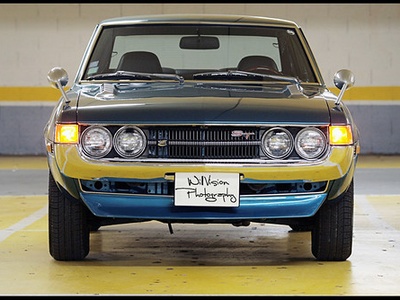
Celica
The Celica offered coupe styling with dependable Toyota engineering, earning attention among buyers who wanted sportier looks without exotic costs. Its combination of style and affordability made it notable in 1973 markets.
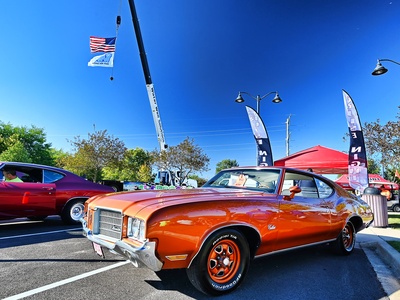
Cutlass
The Oldsmobile Cutlass was a top-seller in the U.S. early in the 1970s thanks to comfortable packaging and broad appeal across buyers wanting near-luxury in a mid-size package. It enjoyed heavy showroom traffic in 1973.
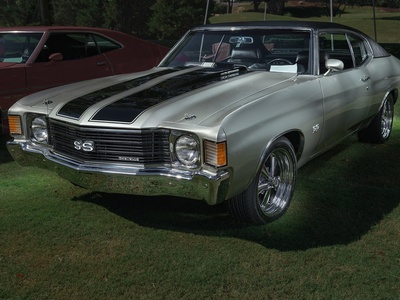
Chevelle
Chevrolet’s Chevelle (Malibu) was a mainstream midsize that offered V8 power and multiple body styles. In 1973 it remained a common family and enthusiast choice, bridging everyday usability with available performance.
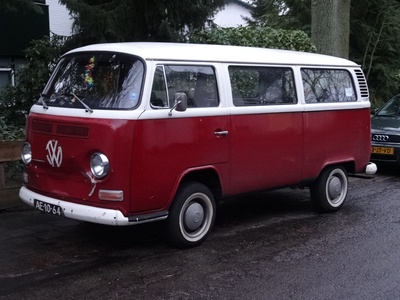
Type 2 (Bus)
The VW Bus stayed culturally prominent in 1973, favored by families, tradesmen and counterculture groups. Its roomy interior and distinctive looks made it a memorable and frequently seen van on both sides of the Atlantic.
127
Fiat’s 127 was a modern, economical supermini that gained traction across Europe by 1973. It offered efficient packaging and inexpensive motoring, helping it win many urban buyers and fleet operators.
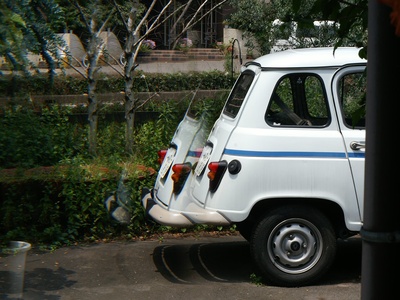
R4
The Renault 4 was a utilitarian, versatile small car popular in France and much of Europe in 1973. Practicality, low running costs and a flexible interior made it a common choice for families and tradespeople.
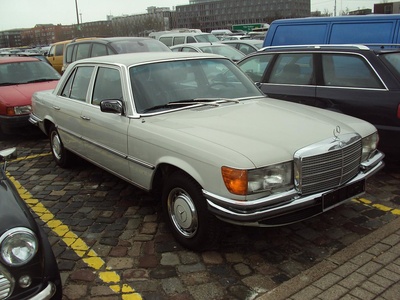
S-Class (W116)
Mercedes’ W116 S-Class established the modern luxury-sedan template in the early 1970s. In 1973 it was prized by executives and diplomats for engineering, safety innovations and prestigious presence on international roads.
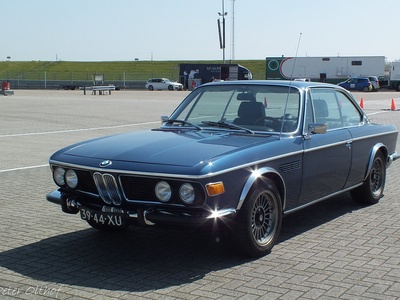
3.0CS
BMW’s 3.0CS combined elegant design with strong straight-six performance, attracting enthusiasts and buyers seeking sporting luxury. In 1973 it was a halo model that boosted BMW’s sporty reputation in Europe and North America.

2101 (Zhiguli)
The Lada 2101 (Zhiguli) was the backbone of Soviet personal transport in 1973. Licensed from Fiat roots, it offered rugged simplicity and easy maintenance, making it a common car across the USSR and allied markets.

Marco Delantero
More from Marco DelanteroHow we reviewed this article
This article was researched against manufacturer records and editorially reviewed before publishing. We accept no payment for coverage. Some guides contain affiliate links; see our affiliate disclosure.