Top 15 classic german motorcycles
In 1923 BMW unveiled the R32, a shaft-driven boxer twin that set the template for German motorcycle engineering for decades. That single model helped launch a tradition of robust flat-twin engines, shaft final drive, and conservative-but-elegant engineering that makers from BMW to Kreidler and MZ would develop through the 1970s.
From prewar two-strokes to postwar roadsters, German firms—BMW, DKW, Zündapp, NSU, Horex, Kreidler, and MZ—shaped global motorcycle design with clear technical ideas: shaft drive and boxer twins, compact two-strokes, and refined touring ergonomics. These machines still matter to collectors, restorers, and riders because of their innovations, racing heritage, and long-lived parts. You can see many originals at the BMW Museum in Munich or at the Deutsches Motorradmuseum.
The list below groups the Top 15 models into four categories to make reading easier. Expect engineering stories, practical restoration notes, and why each bike is prized today.
BMW Legends
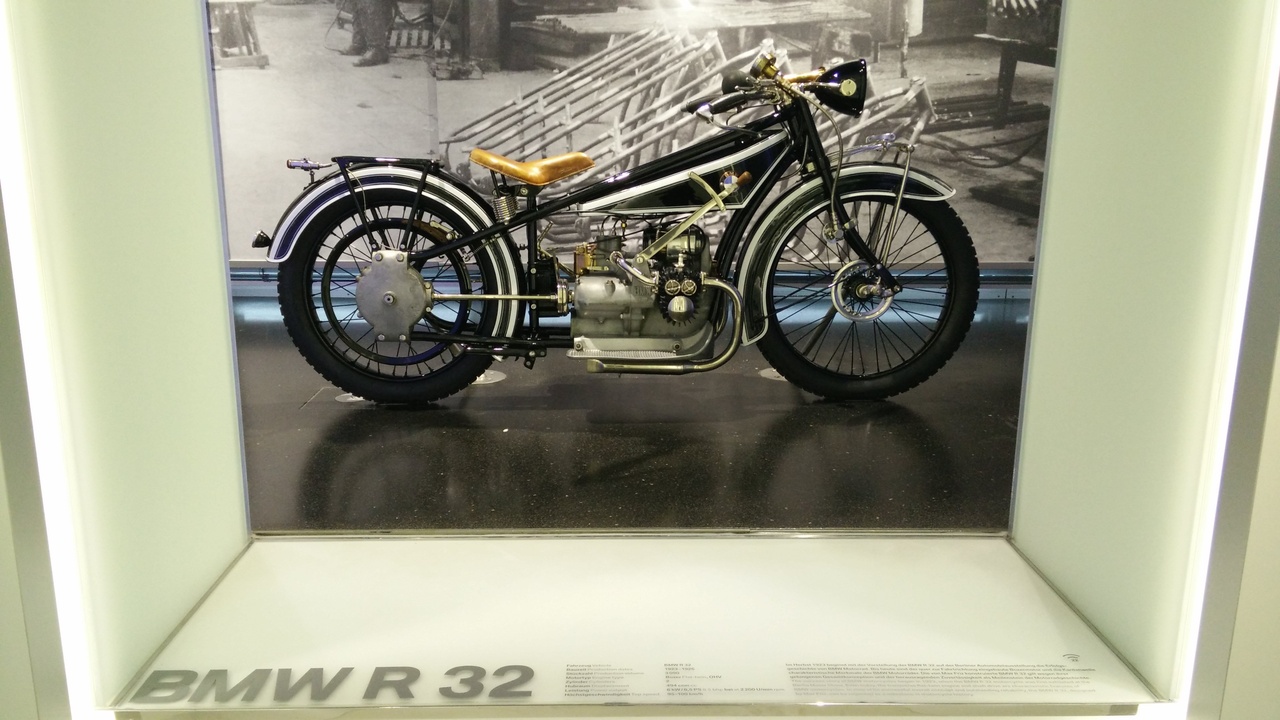
BMW sits at the center of Germany’s motorcycle story. Starting with the R32 in 1923, BMW refined the shaft-driven boxer twin across decades, creating large-displacement roadsters and sport-tourers that collectors chase today. The five models below trace that evolution from prewar prototypes to 1970s sport-tourers.
BMWs are regularly shown at the BMW Museum (Munich) and at international vintage events. Restoration shops in Munich and London specialize in early boxer work, and typical auction values for prime examples can range broadly—often €15,000–€45,000 for top-condition postwar twins—depending on rarity and provenance. These vintage German bikes combine durable engineering with strong collector demand.
1. BMW R32 (1923)
The BMW R32 was BMW’s first production motorcycle, introduced in 1923, and it established the shaft-driven boxer twin layout that became the house style.
Its flat-twin, shaft final drive and longitudinal crank gave a durable, low-maintenance drivetrain compared with chain-driven contemporaries. That reliability made it suitable for long-distance touring and set a standard for later BMW twins.
Today restored R32s are prized museum pieces; you can see one at the BMW Museum. Collectors often prioritize preserving the original drivetrain during restoration, and specialist shops in Munich handle early-boxer rebuilds.
2. BMW R71 (late 1930s)
The BMW R71 was a late 1930s prewar design that influenced wartime machines and, indirectly, some international designs after the war.
It used a boxer twin and a rigid-style frame typical of its era and was noted for roadworthiness and simple serviceability. The R71’s configuration was even adapted by other countries for military purposes during and after WWII.
Original R71s appear in exhibits at the Deutsches Motorradmuseum and at military-vehicle shows. Restorers in Germany often tackle R71 projects to preserve that prewar engineering lineage.
3. BMW R69S (1955–1969)
The BMW R69S is a mid-1950s to late-1960s sport twin that set a benchmark for postwar performance and craftsmanship.
Produced between 1955 and 1969, the R69S combined robust build quality with lively performance for its era. It became a favorite for club rides, rallies, and long-distance touring because of its reliable boxer engine and precise handling.
Collectors chase well-preserved R69S machines for rally events across Europe. Restoration specialists for R69S restorations are common in Germany, and owners’ clubs organize regular rides and spares swaps.
4. BMW R75/5 (1970–1973)
The R75/5 was part of BMW’s ‘/5’ family, launched in 1970, that updated the boxer twin for a modern riding audience.
Produced 1970–1973, the R75/5 balanced approachable performance with easier maintenance and better parts availability. It kept the boxer character but added conveniences that made it a pragmatic classic.
Today the R75/5 is a common pick for classic-bike tours and club projects because parts are relatively accessible and the bikes are rideable daily after modest restoration.
5. BMW R90S (1973)
Introduced in 1973, the R90S marked a stylistic and performance milestone for BMW with a factory sport-touring focus and a distinctive Hans Muth-designed fairing.
The R90S combined strong twin performance with a purposeful aesthetic, and early examples are highly desirable among collectors for their originality and period-correct fittings.
R90S machines appear in museum collections and at vintage events; buyers often look for well-documented provenance and preserved fairings when shopping at auctions or through owners’ clubs.
Prewar & Independent Makers
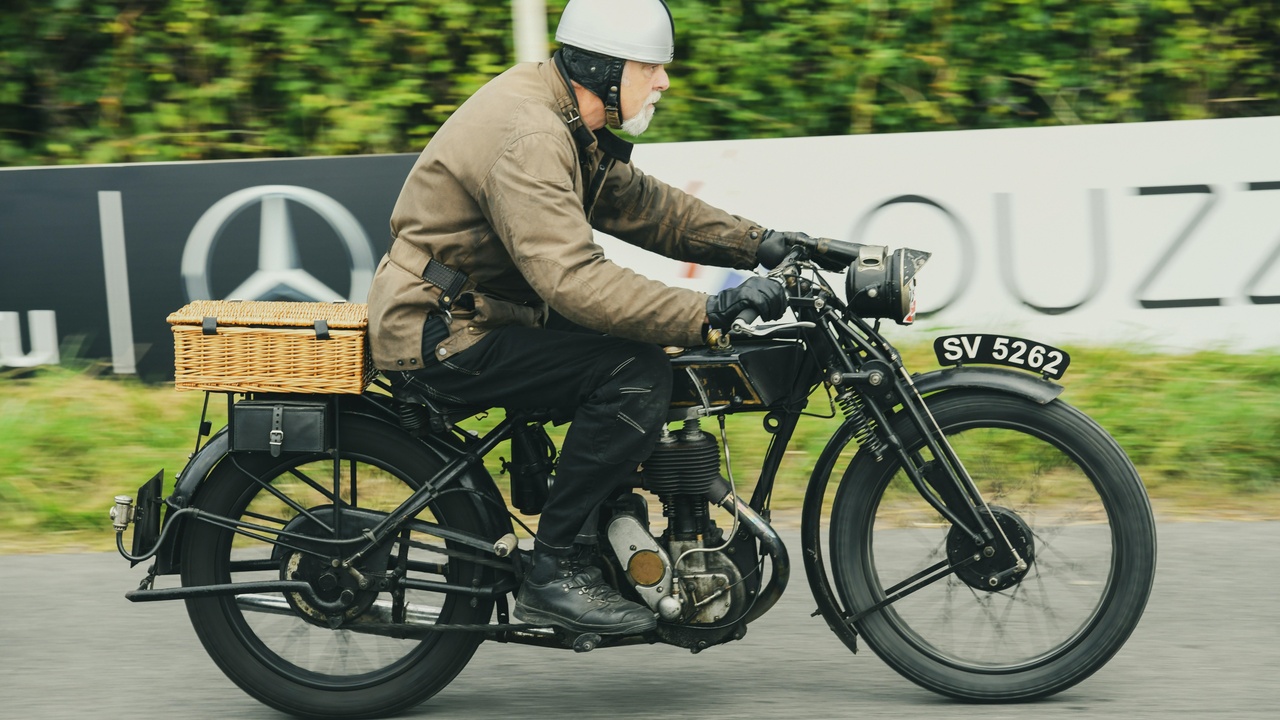
Before and around WWII, independent German makers—DKW, Zündapp, NSU, Adler, and Horex—pushed small-displacement two-stroke engineering and distinctive frame designs. Their work underpinned a lot of postwar mobility and influenced manufacturers worldwide.
Notably the DKW RT 125 (a 1930s design) was copied or adapted by several countries after WWII. Zündapp built rugged tourers like the KS 601, and NSU produced popular mid-century machines such as the Max in the 1950s. Collectors and restomod builders prize these models for historical importance and often for affordability.
6. DKW RT 125 (1930s design)
The DKW RT 125 began life in the 1930s and is one of the most influential small-bike designs in history.
Its simple two-stroke engine and tidy frame were easy to copy and repair. After WWII the RT 125’s design reappeared—sometimes officially and sometimes as inspiration—in models like the BSA Bantam and Harley-Davidson Hummer.
Collectors prize original RT 125s for their pedigree, and reproduction parts keep many running. Restoration workshops and owners’ clubs often guide hard-to-find stampings and correct finish for authentic restorations.
7. Zündapp KS 601 (‘Green Elephant’)
The Zündapp KS 601, nicknamed the “Green Elephant,” was a large touring and military-style machine of the late 1930s and 1940s noted for its presence and robustness.
It featured a wide frame and, on some variants, shaft drive or particularly sturdy construction suited to heavy-duty use. The KS 601 earned a reputation for durability during wartime service and postwar touring.
Original KS 601s show up at military vehicle shows and in specialist museum displays. German restorers who focus on wartime motorcycles often undertake full-frame and drivetrain refurbishments for these machines.
8. NSU Max (1950s)
The NSU Max was a popular 1950s machine that blended practical performance with solid build quality for commuters and sport riders alike.
Built in the 1950s, the Max came in several small- to mid-displacement engines and served as a reliable everyday bike during Germany’s postwar mobility boom. It was easy to maintain and pleasant to ride for its day.
Today the NSU Max is frequent in private collections and regional museums, and owners’ clubs and spare-parts suppliers make many restoration projects achievable on a reasonable budget.
9. Horex Regina and Other Boutique Makers
Horex and other boutique makers produced distinctive, limited-run motorcycles like the Regina, which stand out for craftsmanship and rarity.
Boutique models often featured bespoke parts and hand-finished details, and were made in smaller numbers than volume manufacturers. That rarity drives collector interest despite the added challenge of sourcing parts.
You’ll find Horex Regina and similar machines at regional German motorcycle museums. Specialist restorers and boutique collectors often trade parts and advice through dedicated clubs.
Two-Stroke and Lightweight Icons
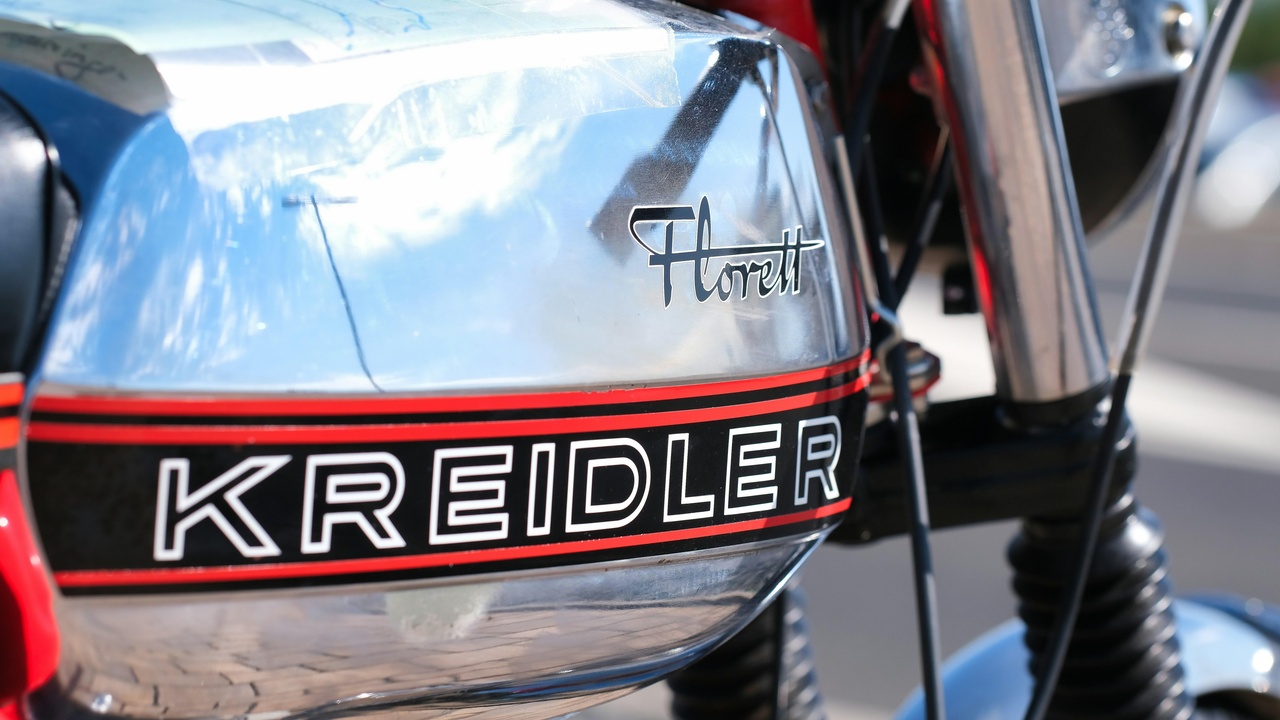
Two-stroke and small-displacement bikes from Kreidler, MZ, and Zündapp powered daily transport and grassroots racing across the mid-20th century. They were light, simple, and economical—perfect for commuting and for aspiring racers.
Kreidler enjoyed real success in 50cc racing during the 1960s, while MZ in the former East Germany built enduring two-stroke workhorses through the 1960s and 1970s. These machines lend themselves to restorations, cafe-racer conversions, and historic racing thanks to plentiful tunable engines and an active parts community.
10. Kreidler Florett (1960s racing and road models)
The Kreidler Florett was both a popular road bike and a successful 50cc racer in the 1960s, prized for its lightness and tunability.
During the 1960s Kreidler-supported racers and privateers won national events in the 50cc class. The small engines offered high-revving performance for their displacement and were relatively easy for hobbyists to modify.
Restorers and historic racers still campaigned Floretts at classic events. Parts suppliers and vintage racing teams keep tuning kits and spares circulating for competitive restorations.
11. MZ TS 250 (East German workhorse)
MZ (Motorradwerk Zschopau) was East Germany’s leading motorcycle producer, and the TS 250 from the 1960s–1970s is a representative two-stroke workhorse.
The TS 250 showcased reliable two-stroke engineering and benefited from innovations by Walter Kaaden, whose research into exhaust resonance influenced two-stroke performance more broadly. MZ bikes are known for durability and straightforward mechanics.
MZ models remain popular at vintage rallies and with collectors who appreciate affordable classics with strong community support and plentiful owner clubs in Europe.
12. Zündapp KS50 and Small-Displacement Racers
Zündapp’s KS50 and other small-displacement racers filled a motorsport ladder from the 1950s through the 1970s, creating pathways for young riders and club racers.
These lightweight machines were central to club-level racing across Europe, and the KS50 in particular became an icon for youth racing and hobbyist tuning. The era produced numerous regional championships and vibrant race scenes.
Restoration communities and historic race organizers keep KS50 spares moving. Many builders convert these frames into cafe-racers or period-correct race replicas for track and show use.
Postwar Modern Classics and Sport Tourers
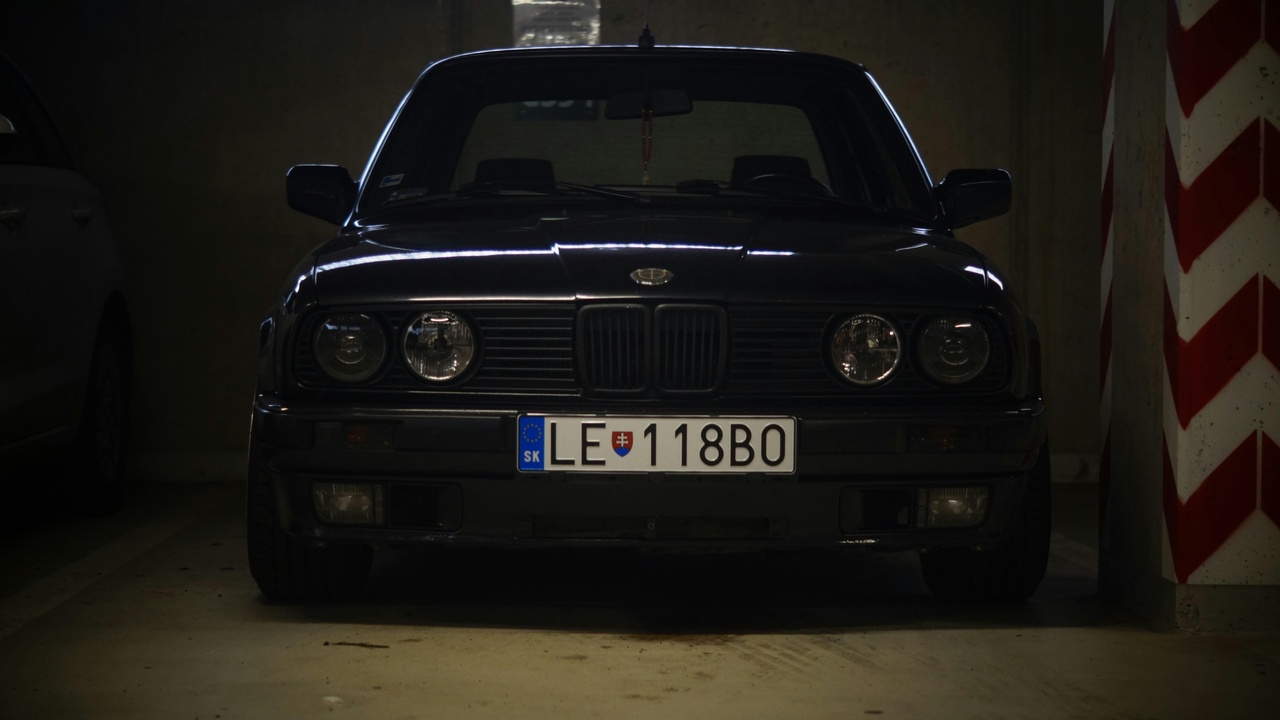
The 1960s and 1970s shifted classic thinking toward machines that combined performance and touring comfort. Bikes like the R100RS and R90S helped define sport-touring as a category.
BMW’s R100RS, introduced in 1976, is often cited as the first mainstream production motorcycle with a full factory fairing, improving rider comfort for long distances. These later classics remain desirable because they are rideable, reliable, and supported by strong parts networks and owners’ groups.
13. BMW R100RS (1976)
The BMW R100RS was introduced in 1976 and brought an integrated full fairing to production motorcycling, helping define sport-touring ergonomics.
The fairing improved rider comfort and weather protection, making long-distance rides easier. Designer influence from the BMW team gave the bike a purposeful, aerodynamic look alongside proven boxer engineering.
Collectors prize low-mileage R100RS machines, but many examples still serve as regular tourers in vintage sport-touring rallies and long-distance club events.
14. BMW R45/R65 and Accessible Classics
The smaller-displacement BMWs of the 1970s and early 1980s—like the R45 and R65—opened the BMW experience to more riders with lower running costs.
These bikes offered lower insurance and maintenance expenses while keeping the boxer-twin character. They’re practical for commuters and weekend tourers who want a classic feel without prohibitive upkeep.
Owners’ clubs for R45/R65 are active, and many riders choose them as first classics because parts and advice are relatively easy to source from community networks.
15. Horex VR6 and Later Boutique Revivals (as modern classics)
Later boutique revivals like the Horex VR6 from the 2000s show German brands returning with limited-run modern classics, and some collectors treat these as contemporary collectables.
The VR6 used a novel engine layout and was produced in small numbers in the 2000s, giving it cachet among buyers who favor unique engineering. These modern classics have different restoration and parts realities compared with prewar bikes.
Boutique-maker circles and specialist dealers often trade VR6 parts and expertise, and these machines often appear at modern-classic shows and revival gatherings.
Summary
- German innovation shaped global motorcycling: shaft-driven boxer twins (R32, 1923), influential small two-strokes (DKW RT 125), and later sport-touring advances (R100RS, 1976).
- Collectors split between proven engineering (BMW twins prized for durability and rideability) and rarity/character (boutique makers like Horex and prewar Zündapp).
- Practical buying tips: verify provenance and drivetrain originality, check parts availability via owners’ clubs, and inspect common wear items (frames, gearbox, final drive).
- See these bikes in person—visit the BMW Museum (Munich) or Deutsches Motorradmuseum—and join make/model clubs for restoration advice and parts networks before you buy.

Sarah Thornton
More from Sarah ThorntonHow we reviewed this article
This article was researched against manufacturer records and editorially reviewed before publishing. We accept no payment for coverage.