When Ferdinand Porsche and his team completed the first Porsche 356 in 1948, they set a standard for engineering clarity and mechanical simplicity that still matters to owners today.
Porsche was founded in 1931, and that long engineering lineage shows up in cars that balance performance with sensible maintenance demands. Reliability affects resale, ownership costs, and whether a Porsche can be a daily driver or only a weekend toy.
This article picks eight models — across sports cars, SUVs and classics — that offer the best balance of durability, reasonable maintenance, and long-term value. For each model you’ll get production years, common faults to watch for, and practical ownership notes so you can prioritize generations and engines that last.
Everyday Durability: Porsches that make great daily drivers
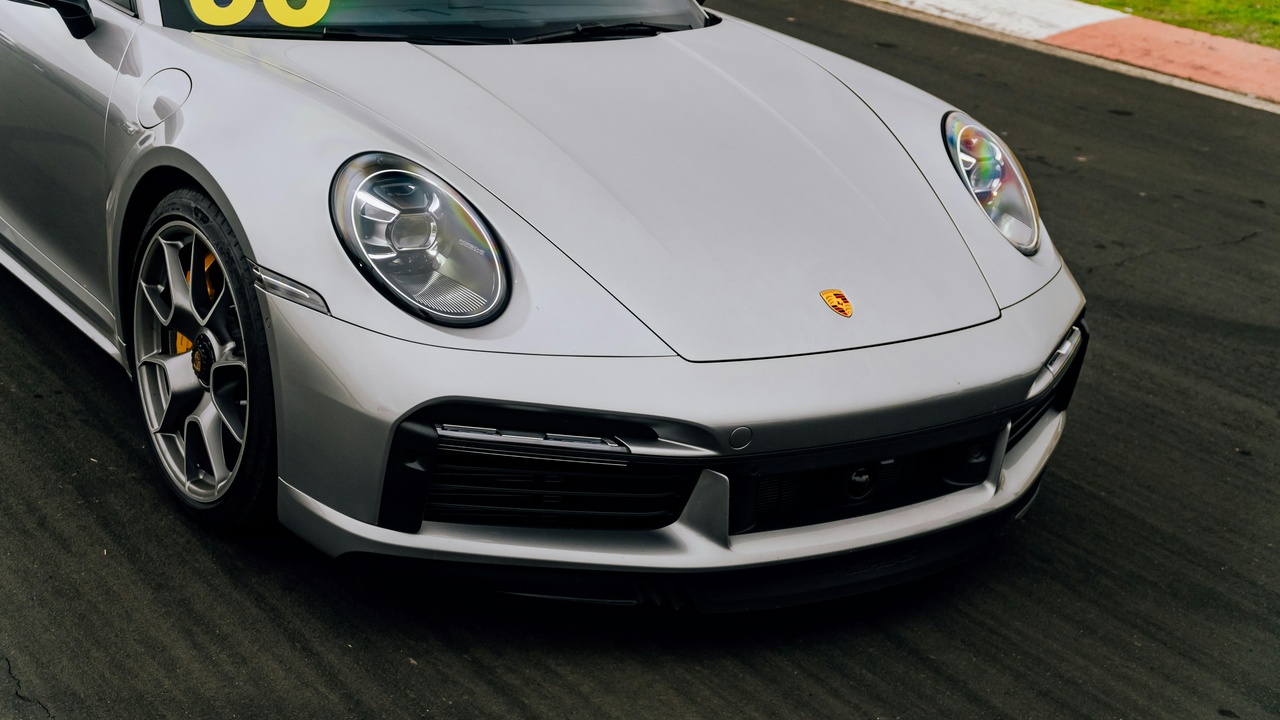
Some Porsche sports cars are surprisingly practical for daily use because of balanced chassis design, mature engines and a wide service network. A simpler chassis and a well-developed engine family usually mean fewer surprise repairs over a five- or ten-year ownership window.
Owners typically prioritize fuel economy, maintenance predictability, insurance cost and ease of service. The Porsche Club of America (PCA) forums are a great source for real-world maintenance schedules and DIY tips for many generations (see PCA).
Below are three sports-car picks with production windows and practical notes so you can choose the right generation and avoid known-problem years.
1. Porsche 911 (997; 2004–2012) — Balanced performance and reliability
The 997 generation is an excellent mix of classic 911 dynamics and mechanical maturity, produced from 2004 to 2012 with the 997.2 facelift arriving in 2008. Most cars use 3.6L (Carrera) and 3.8L (Carrera S) flat-six engines that are well-proven by the mid-cycle updates.
The 2008 997.2 added direct ignition and direct fuel injection, which reduced some early electronic and fueling issues. Owners on PCA and enthusiast forums often report well-maintained 997s surpassing 150,000 miles with routine servicing.
Known weak points are modest: oil leaks, wear items (brakes, suspension bushings) and occasional electronic niggles. Expect routine upkeep to average roughly $1,200–$3,000 per year depending on mileage and how spirited the driving is.
Use case: a 997 can be both a weekend sports car and a comfortable cross-country cruiser, especially in Carrera or Carrera S trim with PDK or manual transmissions.
2. Porsche 911 (993; 1994–1998) — The air-cooled stalwart
The 993, produced from 1994 to 1998, is widely regarded as one of the most durable 911 generations thanks to its air-cooled flat-six and relatively simple systems. Being the last air-cooled 911 helps: fewer electronics and a simpler cooling arrangement reduce failure points.
High-mileage 993s are common in enthusiast circles, with many examples exceeding 200,000 miles when maintained on regular valve adjustments and oil service. Collector demand also means strong documentation and better-preserved cars for buyers.
Common maintenance items include valve adjustments and addressing age-related oil leaks, but the mechanical robustness and clutchable driveline make the 993 a long-lived classic that rewards hands-on owners.
3. Porsche Boxster / Cayman (987 & 981; 2005–2016) — Mid-engine reliability sweet spot
The Boxster and Cayman of the 987 (2005–2012) and 981 (2012–2016) generations provide a durable mid-engine platform with lower ownership costs than many 911s. The 987.1 had some early issues, but later updates and the 981’s improvements greatly reduced common failures.
Production windows: 987 from 2005–2012 and 981 from 2012–2016. Many owners report 100,000–200,000 mile longevity with routine service, and insurance and parts are typically more affordable than comparable 911s.
Watch for cooling-system maintenance, routine clutch and gearbox care, and on earlier Boxster/987 cars be mindful of IMS-related conversations (more of a 986-era topic). Use case: an affordable entry into Porsche ownership suitable for weekend track days and sensible daily driving.
SUVs and Grand Tourers: Reliable Porsches for families and long distances
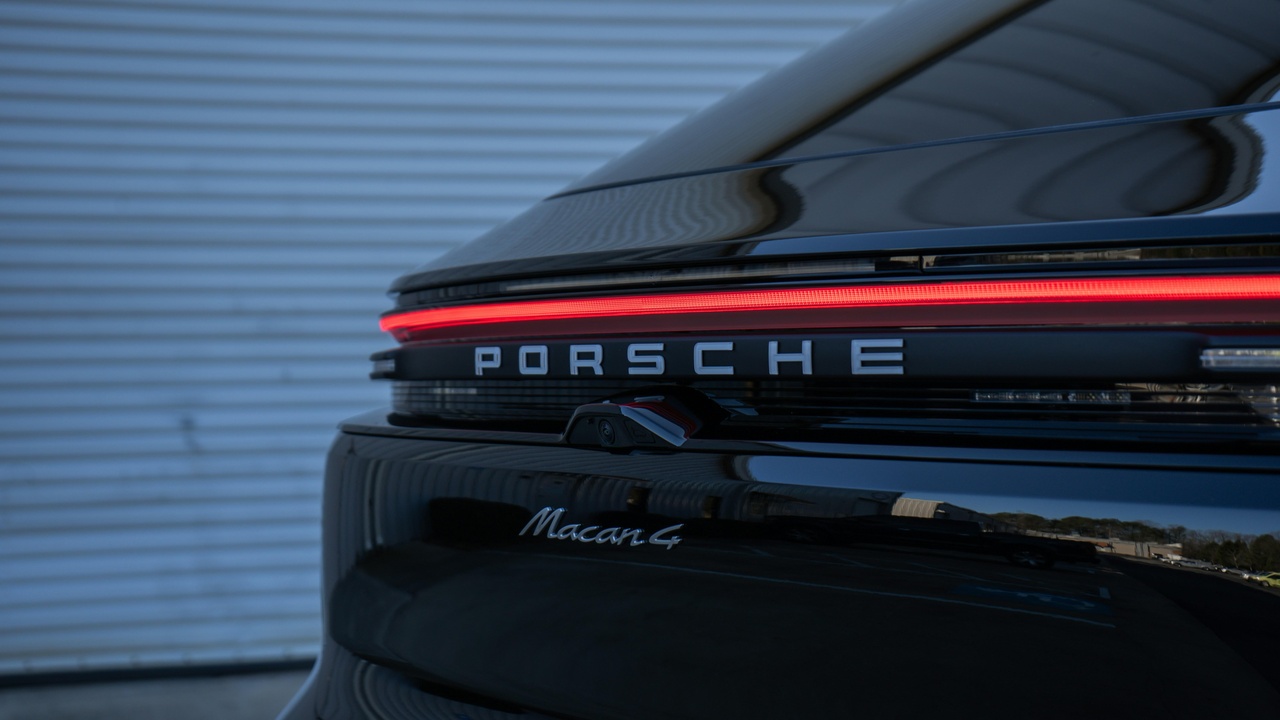
Porsche applied its engineering philosophy to larger vehicles, producing SUVs and GTs that blend performance with practical durability. Heavier vehicles often use less stressed engine tune states and share parts across Volkswagen Group platforms, which helps parts availability and dealer familiarity.
For family and long-distance use, choose mature model years and conservative engine options. Below are three picks that balance comfort, capability and lower long-term headaches.
4. Porsche Macan (2015–present) — A compact SUV with dependable performance
The Macan launched as a 2015 model year and quickly earned a reputation for Porsche-like handling in a compact SUV package. Typical engines include a 2.0L turbo four and various 3.0L V6 options in S and GTS trims.
As software and components matured through the late 2010s, owner reports shifted toward comfortable 100k+ mile ownership on properly serviced cars. Routine service items are brakes, tires and transmission/PDK servicing when applicable.
Real-world use: daily family transport, light towing and long highway runs while still feeling sporty. Parts and service costs are moderate for the luxury compact SUV segment, and Porsche’s dealer network is extensive if you prefer factory service.
5. Porsche Cayenne (Second generation; 2011–2017) — Fewer early-generation headaches
The second-generation Cayenne (roughly 2011–2017) fixed many of the first-generation’s teething issues from 2003–2010 by improving electronics, drivetrain calibration and fuel economy. This generation is generally more reliable than the 2000s originals.
V6 petrol models are often the most trouble-free compared with higher-strung turbocharged variants. Owners cite fewer major failures and steady long-term use for family towing and long-distance driving.
Service considerations include suspension bushings, routine drivetrain inspections and careful review of service history for timing-chain-related campaigns on specific engines. A pre-purchase inspection is recommended for any high-mileage SUV.
6. Porsche Panamera (2010–present) — Comfortable grand tourer with durable V6 options
The Panamera arrived for the 2010 model year as Porsche’s four-door grand tourer, and V6-powered variants (both gasoline and diesel in some markets) are usually the most dependable choices for long-distance ownership.
Early Panameras (2010–2013) received significant electronics and interior updates in the 2013 refresh, making later cars easier to live with from a reliability perspective. Many owners report comfortable high-mileage touring when air suspension and electronics have documented service.
Inspect older luxury-spec cars for air suspension wear and electronic modules; otherwise, a Panamera V6 provides roomy long-range comfort without the maintenance costs of exotic high-performance variants.
Classic and Specialist Picks: Porsches that keep running for decades
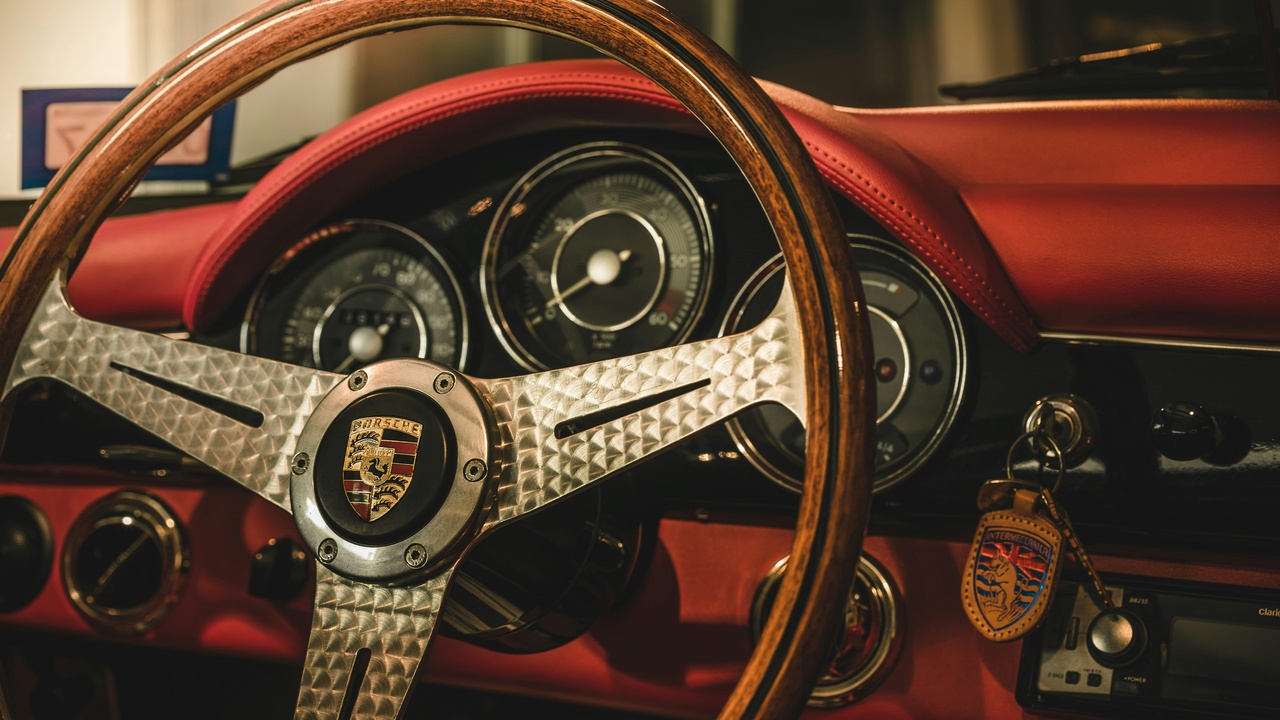
Older Porsches were built with simpler mechanical systems: fewer electronic modules, easier DIY maintenance and strong enthusiast support. That simplicity can translate to longevity when owners stay on top of basic service items.
Club networks (PCA and marque-specific groups) keep parts flowing and technical expertise available, which helps classics remain on the road. Two standout classic choices are below, both known for long lifespans when maintained.
7. Porsche 356 (1948–1965) — Simple, robust beginnings
The 356 was Porsche’s first production model, built from 1948 until 1965, and its air-cooled flat-four plus straightforward mechanical systems make it relatively easy to keep running. Many 356s still see use at rallies and weekend drives because the systems are easier to understand and repair.
Common restoration and maintenance tasks include valve and ignition tune-ups, rebuilding carburetors or fuel systems, and addressing rust in structural areas. Parts and specialist labor can be costly, but the mechanical simplicity reduces electronic failure points.
Collector attention and PCA/local club support mean many 356s are restored to last decades, and owners often cite the model’s enduring mechanical character as a reason examples reach high mileages with proper care.
8. Porsche 944 (1982–1991) — An underrated durable sport coupe
The 944, produced from 1982–1991, is often overlooked but praised for a well-engineered inline-four and straightforward drivetrain that, when routinely serviced, can reach 200,000+ miles. It’s an affordable classic that rewards owners who follow timing-belt and cooling-system intervals.
Key maintenance items include timing-belt replacement at manufacturer intervals, cooling-system upkeep and regular seals/gasket inspections. The 944 Turbo offers more performance but follows the same service-focused longevity path.
For drivers wanting a reliable, affordable Porsche experience that’s easier to work on than many modern cars, the 944 remains an excellent candidate thanks to active communities and plentiful parts.
Summary
Pick the right generation and engine first; production years matter more than the badge alone.
Modern Porsche SUVs like the Macan and mature 911 generations combine practicality with strong long-term ownership prospects, and many buyers look at the most reliable porsche cars when comparing total cost of ownership.
Classic Porsches reward meticulous maintenance and club support, and they can often be more predictable mechanically than modern, highly electronic models.
- Check PCA forums, service history and NHTSA/recall bulletins before buying.
- Prioritize a pre-purchase inspection and budget for routine items (timing belts, cooling, brakes).
- Test-drive candidate cars and confirm the specific engine/generation you plan to own; that often determines long-term satisfaction.

James Kowalski
More from James KowalskiHow we reviewed this article
This article was researched against manufacturer records and editorially reviewed before publishing. We accept no payment for coverage.