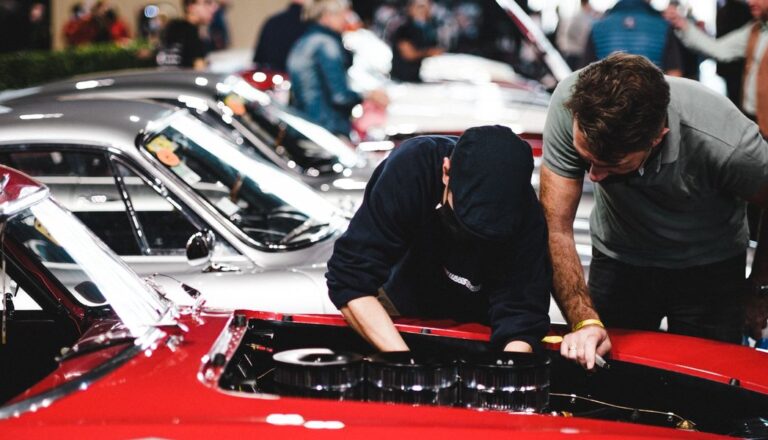
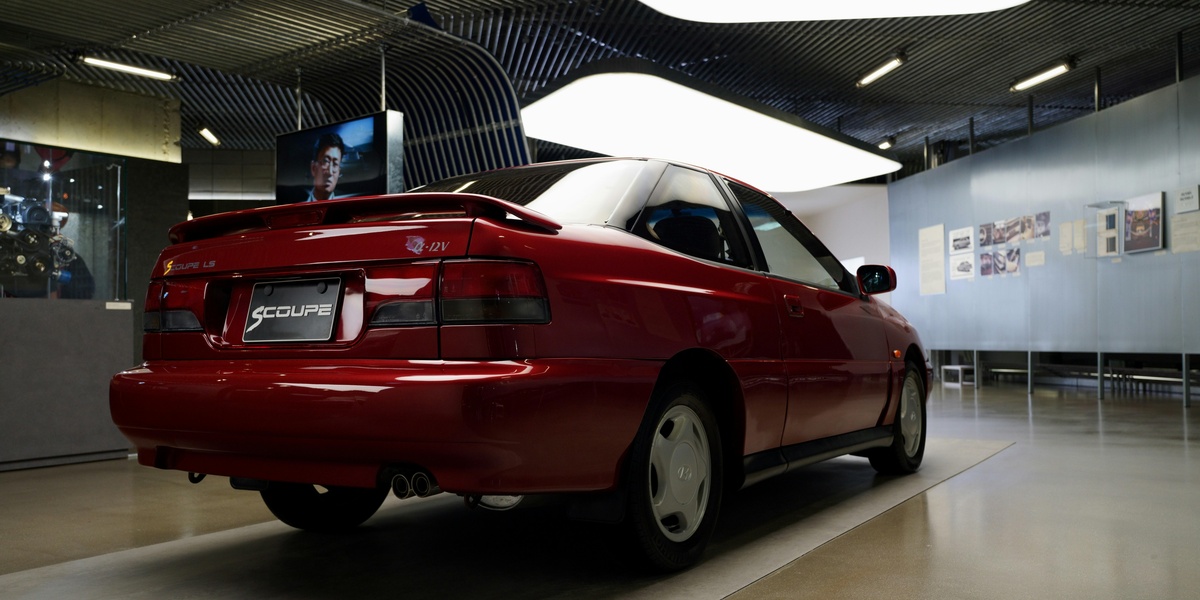
Which cars from 1995 still feel modern behind the wheel, and which ones set trends that matter today?
This roundup identifies the 10 best cars of 1995 — models that combined performance, innovation, practicality, and lasting value.
Mid-1990s automaking was a pivot point: engineers kept the analog driving feel buyers loved while adding more electronics, refined aerodynamics, and better materials. That mix produced cars that are still rewarding to drive, attractive to collectors, and perfectly usable as daily drivers three decades on.
To pick these 10 standouts I weighed driving dynamics, technology for the time, comfort and practicality, and how well each model has held value or become desirable today. The list spans pure drivers’ machines, sporty everyday cars, and trend-setting models that influenced the crossover and safety expectations that followed.
Performance icons: 1995’s driver’s cars
Performance cars from 1995 still draw attention because they paired distinctive engines with chassis tuning that rewarded skill. Enthusiasts keep flocking to these models for good reasons: engines that respond to modifications, suspension setups that favor balance over electronic nannying, and looks that have become iconic.
Common technical threads include compact, robust engine designs (think inline-sixes and rotaries), double-wishbone or multi-link suspensions for precise handling, and strong aftermarket support that keeps parts available. Those traits make these cars popular for weekend track days, tuning, and long-term ownership.
Below I cover four of 1995’s most celebrated driver’s cars: the Toyota Supra MK IV, Mazda RX-7 FD, Acura NSX, and Chevrolet Corvette C4. Each represents a different approach to performance—turbo potential, rotary thrills, mid-engine balance, and V8 accessibility—but they share light, focused chassis and enduring enthusiast appeal.
1. Toyota Supra (MK IV, 1995)
The Toyota Supra MK IV is a 1995 performance icon thanks to its 3.0L inline-six 2JZ family and twin-turbo potential.
The 2JZ-GTE’s iron-block architecture and strong internals made it a favorite for high-power builds, and the MK IV’s production run (1993–2002) gave buyers a confident platform for modification. Common upgrades include larger turbos, upgraded fuel systems, and bolt-on intake and exhaust work.
Beyond the numbers, the Supra carved a cultural profile through magazines, movies, and the tuner scene; it’s a regular at track days and a headline car at auctions and shows. That combination of durability and pop-culture status keeps resale and collector interest high.
2. Mazda RX-7 (FD, 1995)
The RX-7 FD stands out as a lightweight, balanced sports car built around a 1.3L twin-rotor Wankel engine.
Mazda used compact rotary packaging and double-wishbone suspension (front and rear) to achieve a low bonnet line and exceptional chassis balance. The FD’s production run ran from 1992 to 2002, and the car remains prized for its high-revving nature and steering precision.
Rotary enthusiasts value the FD for club racing, track days, and the tactile feel of its powerband. While rotaries require attentive maintenance, the driving experience is unique and rewards drivers who enjoy revving toward the redline.
3. Acura NSX (1995)
The Acura NSX brought mid-engine exotic manners with Honda-level reliability to the mid-90s sports-car scene.
First-gen NSX production ran from 1990 to 2005 and used an aluminum-intensive structure to cut weight, paired with a 3.0L V6 (later expanded to 3.2L in some markets). That combination delivered predictable, communicative handling and more accessible servicing than many exotics.
Collectors value the NSX for how it blended exotic engineering with everyday usability—drive it to a show, then use it for a commute. Its engineering influenced sports-car expectations for decades after its debut.
4. Chevrolet Corvette (C4, 1995)
The 1995 Corvette (C4) represented America’s accessible high-performance option, anchored by a 5.7L V8 in LT1 tune.
The C4 generation spanned 1984–1996 and, by the mid-90s, offered strong straight-line speed, roomy grand-touring comfort, and a huge aftermarket for performance upgrades. Owners commonly upgrade suspension components, brakes, and exhausts to sharpen handling and sound.
For drivers wanting V8 performance without exotic-price ownership, the C4 remains an affordable entry point into fast, rear-wheel-drive Americana.
Practical performance: sporty everyday cars
Some 1995 models blended engaging driving with everyday comfort and practicality in ways that aged well. These cars appealed to buyers who wanted a bit of excitement without sacrificing usable interiors, decent fuel economy, and low-cost maintenance.
Common strengths include tuning potential that doesn’t ruin daily drivability, robust mechanicals with good parts availability, and chassis setups tuned for balance rather than extreme track performance. That mix helped many mid-90s sporty cars stay relevant and affordable.
Below are three examples that balance sport and sense: the BMW M3 E36, the Ford Mustang SN95, and the dependable Honda Accord.
5. BMW M3 (E36, 1995)
The E36 M3 delivered a refined, driver-focused compact executive experience with straight-six power and sharp chassis tuning.
Markets saw 3.0L and later 3.2L inline-six engines, precise steering, and a chassis that rewarded cornering confidence. Limited-slip differentials and a well-balanced suspension made it suitable for spirited daily driving and occasional track use.
Enthusiast support remains strong; popular upgrades include suspension kits, brake enhancements, and lightweight wheels that preserve the car’s composed character while improving performance.
6. Ford Mustang (SN95, 1995)
The mid-90s SN95 Mustang embodied affordable V8 performance with broad appeal and excellent parts availability.
The SN95 generation refreshed Mustang styling in the mid-90s and offered both V6 and V8 engines, making it easy to find a configuration that matched a buyer’s budget and tastes. The platform’s simplicity keeps maintenance straightforward and aftermarket support wide.
Common bolt-on upgrades—intake, exhaust, suspension—deliver noticeable gains and allow owners to tune the car without sacrificing everyday drivability, which explains the Mustang’s persistent popularity among modifiers.
7. Honda Accord (1995)
The 1995 Honda Accord was a top midsize family sedan thanks to long-term reliability, efficient engines, and a roomy cabin.
Many markets offered a 2.2L four-cylinder that balanced fuel economy and adequate power, while Accord interiors provided comfortable seating and sensible ergonomics for families. The model’s reputation for longevity made it a smart choice for drivers needing dependable daily transport.
Used-market values remain respectable; buyers often find Accords with high mileage but solid service histories, which makes them appealing for cost-conscious owners who want durable transport.
Innovation and lasting value from 1995 models
Some cars from 1995 mattered less for headline performance and more for changing expectations—introducing safety features, new body styles, or niches that other manufacturers later copied.
Innovation often translates to long-term value: early adopters of safety tech age better, and cars that created new segments maintain cultural relevance. The W210 E‑Class and the Subaru Outback are prime examples of models that shaped future design and buyer priorities.
Below I look at three models that introduced features or niches with lasting influence: Mercedes‑Benz W210 E‑Class, the Mk3 Golf GTI, and the Subaru Legacy Outback debut.
8. Mercedes‑Benz E‑Class (W210, 1995)
The W210 E‑Class arrived in 1995 as Mercedes‑Benz’s mid-90s flagship for safety, engineering, and a new design language.
Mercedes emphasized improved crash structure and ride comfort, and offered a range of engines from efficient diesels and inline-fours to V6 and V8 options. The W210 set expectations for safety and refinement in the executive segment.
As an executive car, it excelled at long-distance comfort and solid engineering. Buyers today still prize well-maintained examples for their build quality and advanced-for-the-time features.
9. Volkswagen Golf GTI (Mk3, 1995)
The Mk3 Golf GTI kept the hot-hatch spirit alive in 1995 by combining practical hatchback packaging with a sporty chassis tuned for everyday use.
While not the lightest GTI ever, the Mk3 offered engaging steering and a compact footprint ideal for urban drivers. Engine options varied across markets, and the GTI badge guaranteed a handling focus that appealed to young buyers and commuters alike.
Its practical hatch design and vibrant aftermarket—especially in Europe—made the Mk3 a flexible platform for tuning without compromising daily usability.
10. Subaru Legacy Outback (1995 debut)
The Outback name first appeared in 1995 as a Legacy trim, effectively creating the crossover-wagon niche by combining all-wheel drive with increased ride height.
Subaru offered AWD as a core benefit for outdoor-minded buyers, pairing it with practical cargo space and modest towing ability. The raised-ride-height package appealed to families and adventurers who needed versatility without moving to a full SUV.
That 1995 debut reshaped Subaru’s lineup and influenced competitors; the Outback evolved into a distinct model line and helped popularize an entire segment that blends wagon practicality with light off-road capability.
Summary
- The 10 best cars of 1995 show how broad “best” could be: high-revving sportscars, practical sporty sedans, and niche-creating models all earned a place.
- Many mid-90s standouts introduced tech or packaging that still matters—examples include the W210’s safety emphasis and the Outback’s AWD/raised-ride concept.
- When shopping for a 1995 classic, prioritize service records, check for rust (especially in wheel arches and subframes), confirm timing-system condition, and verify whether key items are original versus replaced.
- For maintenance and history details, visit brand-specific forums and owners’ clubs; they often have model-year threads, recommended parts lists, and known-issue guides.
- Test-drive candidates before buying, research common weak spots for the model you like, and join enthusiast communities to keep your 1995 classic running well and fun to drive.

Marco Delantero
More from Marco DelanteroHow we reviewed this article
This article was researched against manufacturer records and editorially reviewed before publishing. We accept no payment for coverage.