Top 12 Classic Soviet Motorcycles
During World War II, the Soviet government moved heavy motorcycle production east, transferring BMW R71–derived tooling to Irbit in 1941 and launching what became the IMZ/Ural program. That wartime pivot didn’t just keep troops moving; it set the template for decades of two-wheel design across the USSR—machines built to be fixed with a wrench at the roadside and to survive winters and poor fuel.
You should care because these bikes shaped transport, military logistics, and a working-class motorcycle culture that spread through the Eastern Bloc and beyond. I once met a rider at a Baltic vintage rally who’d rebuilt a dented sidecar frame with parts scrounged from three different countries—a neat example of how practical needs created a global hobby. Below are 12 machines grouped into four categories that show why Soviet-era bikes still attract riders and collectors.
Design & Engineering Icons
These are the machines that defined Soviet motorcycle engineering: thick frames, simple boxer twins or straightforward two-strokes, and designs optimized for poor roads and cold climates. The emphasis was on serviceability—parts that a mechanic could remove, repair, or replace with basic tools—and on sidecar capability so a single chassis could carry people, cargo, or a stretcher.
Wartime engineering directly shaped postwar civilian models. IMZ (Irbit) used BMW R71-inspired drawings and tooling to get a heavy, torquey boxer into production quickly. That same priority—torque, low-rev dependability, and easy maintenance—kept engine designs largely unchanged for decades, making many of these motorcycles mechanically familiar across different factories.
1. Ural M-72 (c. 1941) — Heavy-duty sidecar motorcycle
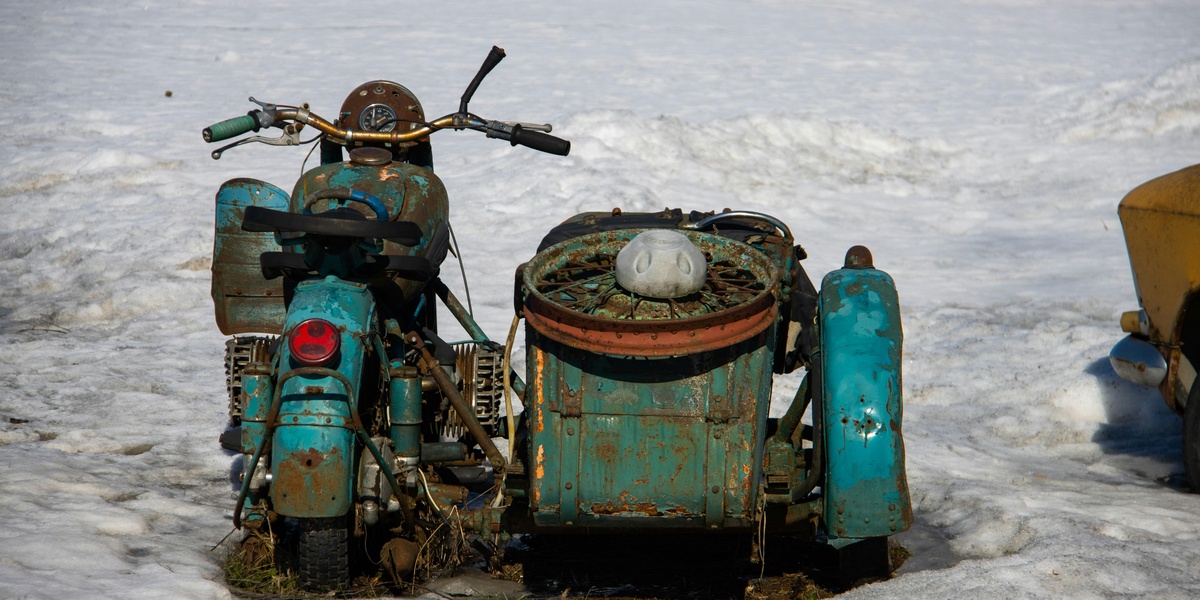
The Ural M-72 is the archetypal Soviet sidecar motorcycle, born when tooling and engineers were moved to Irbit (IMZ) in 1941. Its horizontally opposed boxer twin—around 746 cc in early layouts—gave low-end torque and a tolerant, easy-to-service architecture ideal for sidecar hauling and rough roads.
Originally conceived for military dispatch and utility roles, the M-72 later turned up in civilian and rural service hauling people and goods. Restored M-72s appear in museums and at vintage rallies across Eastern Europe, and modern Urals still wear a silhouette that traces directly to this wartime design.
2. Kovrovets K-750 (1950s–1960s) — A transitional boxer twin
The Kovrovets K-750 served as a transitional model linking wartime twins to later Dnepr production. Its roughly 750cc boxer layout and variants with shaft or chain final drive kept the same priorities: torque, simplicity, and sidecar friendliness.
Built at the Kovrov works, K-750s showed up in rural services and police fleets and remain popular among collectors who prize original components. Several private collections and hobbyists maintain K-750s as representatives of the postwar evolution of Soviet heavy motorcycles.
3. Dnepr K-750 / MT series (1960s–1980s) — Rugged transporter from Kyiv
Dnepr machines, produced at Kyiv’s KMZ, continued the 750cc boxer tradition into the MT-series that ran through the 1960s to the 1980s. These bikes were built for utility: postal routes, rural transport, and sidecar touring over long distances.
Enthusiast clubs in the UK and North America keep original carburetors and gearboxes alive, and long-distance trips on Dnepr sidecars remain a showcase for how durable simple engineering can be when maintained carefully.
Everyday Riders and Commuter Classics
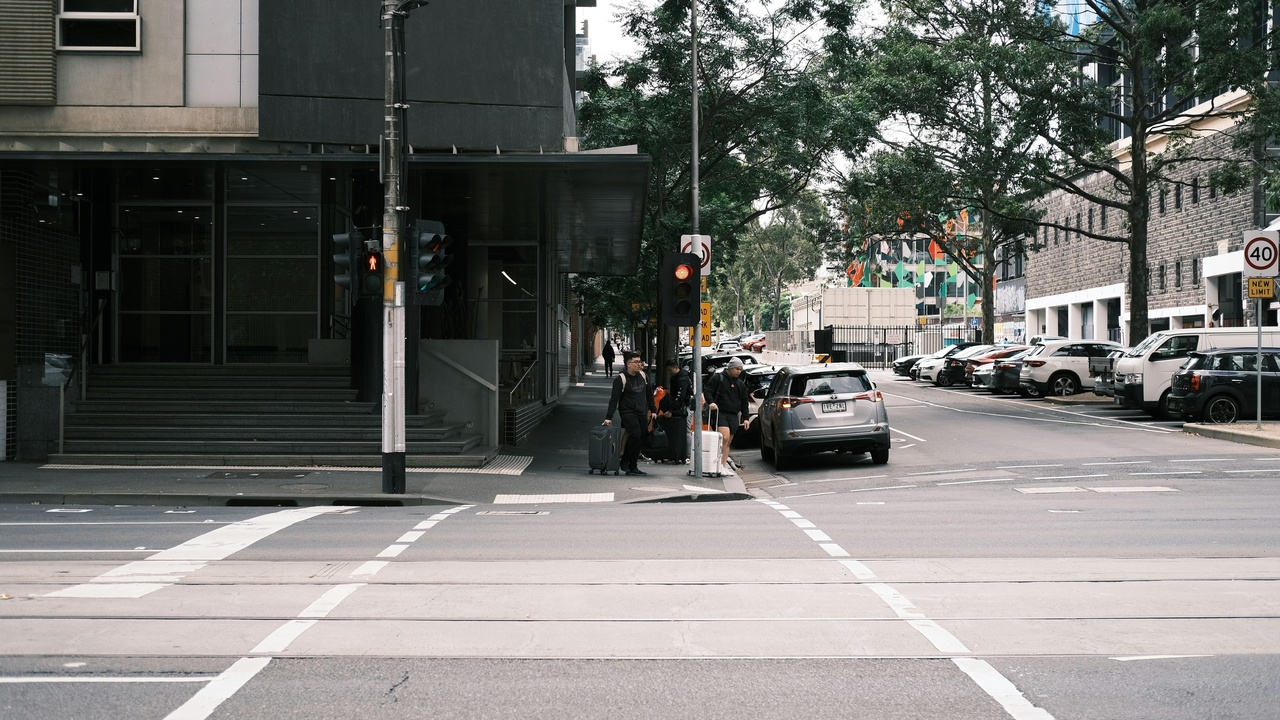
In most Soviet cities, small-displacement two-strokes and lightweight four-strokes kept people moving at low cost. These bikes were cheap to run, simple to maintain by their owners, and often exported to East Germany, Latin America, and other allied markets. They represent the other side of Soviet engineering: mass-produced reliability rather than heavy-haul capability.
Designers prioritized easy procedures for tune-ups, parts interchangeability, and low-compression engines tolerant of poorer fuels. That made these models ideal for students, tradespeople, and municipal fleets across the Eastern Bloc.
4. Minsk M-125 (1950s–1980s) — The commuter workhorse
The Minsk 125 and its later 125cc series were mass-market staples sold across the USSR in large numbers. Built around a simple 125cc two-stroke, these bikes were cheap to buy, easy to fix, and ubiquitous in cities and towns.
Minsk (Motovelo/Motovelo) parts are still produced in Belarus, which helps hobbyists restore these machines on a budget. Many surviving Minsk examples are modest but practical restorations used for errands or local runs.
5. IZH Jupiter / Planeta series (1960s–1980s) — Mid-range commuter with character
IZH’s Jupiter and Planeta line represented a step up from 125s—some Jupiter models ranged into the 250–350cc classes—offering more performance while staying affordable. Built at Izhevsk, these bikes found use as commuters, light tourers, and even in police fleets in some regions.
Models such as the Jupiter-3 are commonly restored, and several shops specialize in IZH parts. The Jupiter’s characterful styling and practical performance made it a popular choice for those wanting a bit more than a 125cc stepper.
6. Voskhod 3M (late 1960s–1970s) — Lightweight and nimble
The Voskhod 3M offered a sportier image within the small-bike segment, often marketed to younger riders and clubs. Typically classed around 175cc, it balanced brisk performance with the maintenance simplicity two-strokes were known for.
Visible in period adverts and still raced informally by vintage clubs today, the Voskhod appealed to those who wanted some fun on weekends without giving up everyday practicality.
Military and Utility Machines
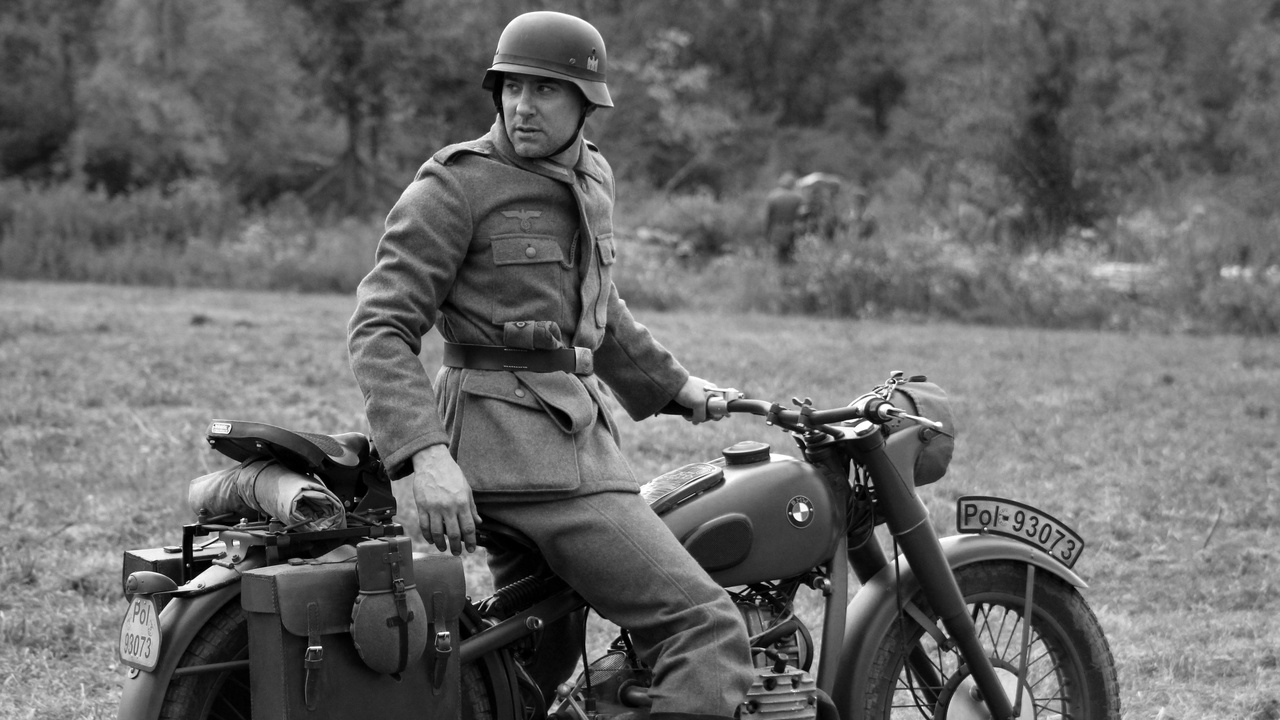
Soviet motorcycles were often designed with state service in mind: ambulance duties, courier work, and towing light loads. Standardized parts and simple mechanical layouts made supply and repair easier for ministries and military units scattered across vast territories.
Civilian models borrowed many military features—sealed components for winter use, reinforced frames for sidecar duty, and simplified electrical systems—so the line between army and street machines was narrow.
7. IZH-49 (1949) — Early postwar utility motorcycle
The IZH-49 was an early postwar attempt to re-equip civilian and municipal fleets. Introduced around 1949, it used a simple single-cylinder engine that was easy to maintain and tolerant of rough service.
Local services liked the IZH-49 for its straightforward mechanics, and a number survive in regional museums or private collections as examples of late-1940s rebuilding efforts.
8. Tula T-200 / Tourist series (1950s–1960s) — Lightweight utility touring
Tula’s T-200 and related “tourist” models were small touring and utility bikes suited to family travel and modest luggage loads. Produced at Tulamashzavod, they were advertised for domestic travel and rural errands in mid-century magazines.
Period photos of T-200s with side bags and racks show how these machines bridged everyday transport and recreational touring for working families.
9. Military-spec sidecar rigs (various models) — Ambulance and dispatch variants
Many platforms—Ural, Dnepr, Kovrovets—were adapted into military-spec rigs with stretcher sidecars, radio boxes, and reinforced frames. These configurations supported frontline dispatch, medical evacuation, and border patrol duties.
Archival photos and recreated displays at war museums show radio-equipped sidecars and stretcher fittings, underscoring how designers modified basic chassis to meet specific state needs.
Restoration, Collecting, and Legacy
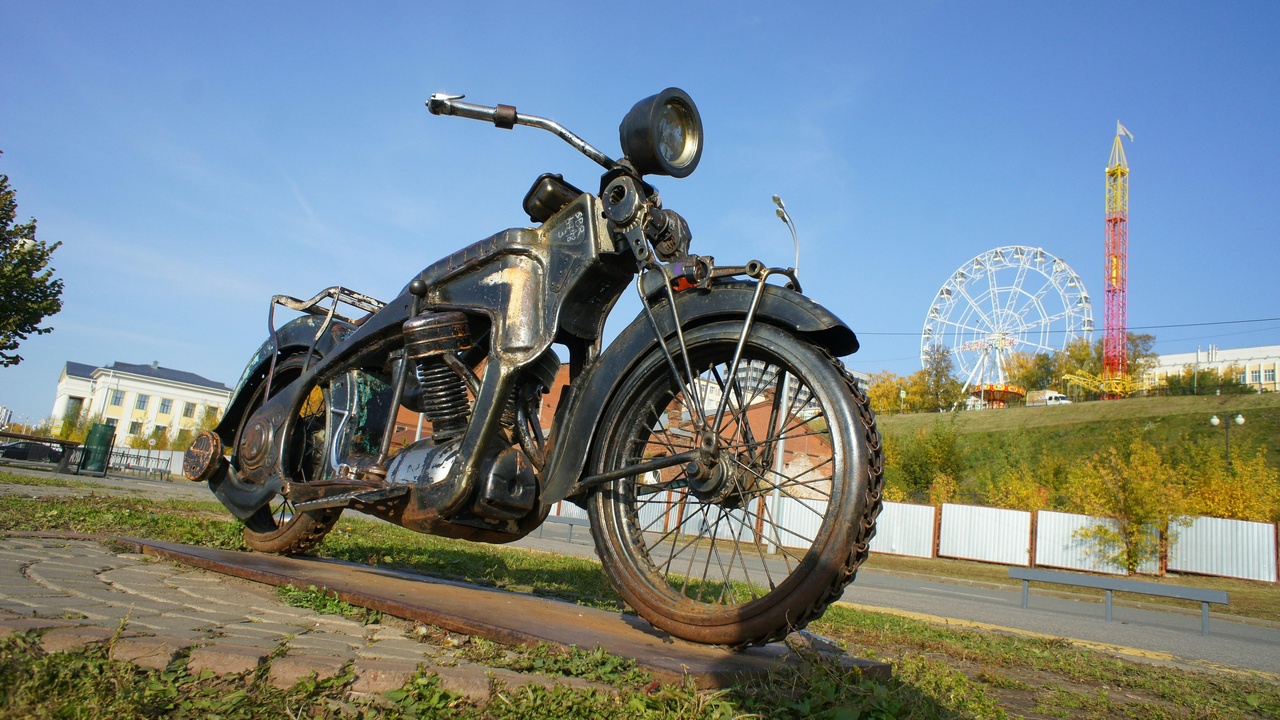
Interest in vintage Soviet motorcycles rose noticeably during the 1990s and continued into the 2000s as riders and collectors in Europe and North America discovered affordable classics with character. Restoration communities, parts suppliers, and dedicated rallies helped cement a niche market for these machines.
Restoration challenges include corrosion, seized gearboxes, and obsolete electrical components, but a mix of NOS parts, reproduction items, and modern upgrades keeps many machines roadworthy. Clubs and specialist shops have turned keeping these bikes running into a steady hobby industry.
10. Collectibility: Why Ural and Dnepr command attention
Classic soviet motorcycles such as Ural and Dnepr attract collectors for a few clear reasons: the sidecar heritage, the distinctive silhouette, and their export history that spread examples beyond the USSR. That combination makes restored examples desirable at rallies and in classifieds.
Collectors often use these bikes for shows, weekend touring, and themed rallies. Notable restorations appear regularly in vintage magazines and online marketplaces, and owner clubs in Europe and North America keep active registries and meetups.
11. Restoration challenges and common upgrades
Typical obstacles for restorers include rusted frames, seized transmissions, and obsolete carburetors or wiring. Some parts remain scarce, but electronic ignition kits, front disc brake conversions, and repro carburetor kits are common upgrades that improve reliability and safety.
Specialist shops and suppliers advertise NOS parts and retrofit services; many restorers fit modern electronics discreetly so a bike looks original while riding safely on contemporary roads.
12. Legacy: How Soviet motorcycles influence modern hobby culture
These motorcycles live on in clubs, museums, and annual rallies across Eastern Europe and further afield. They teach mechanical skills, preserve regional history, and offer an approachable entry point for riders who want something different from Western vintage bikes.
Owner groups, marketplace forums, and restoration workshops continue to grow, ensuring that parts, knowledge, and enthusiasm are passed on to new generations of hobbyists.
Summary
- Durability and serviceability were the central design priorities, from wartime Irbit work to postwar civilian models.
- The range was wide: from 125cc Minsk commuters to 750cc sidecar rigs like the Ural M-72 and Dnepr MT-series.
- Military and municipal requirements drove standardization, which in turn made many parts and repair knowledge easier to share.
- Collector interest rose in the 1990s/2000s, spawning clubs, specialized suppliers, and regular rallies that keep these machines active.
- Want to get involved? Attend a vintage rally, join an owners’ club, and always verify technical specs before buying or starting a restoration.

Sarah Thornton
More from Sarah ThorntonHow we reviewed this article
This article was researched against manufacturer records and editorially reviewed before publishing. We accept no payment for coverage.