Post–World War II hot-rodding culture gave rise to two distinct custom motorcycle styles: the stripped-down bobber of the 1940s–50s and the stretched chopper that hit mainstream imagination after films like Easy Rider (1969). Those origins still matter because each style carries a visual language and a set of practical compromises. A chopper’s long lines and dramatic rake say something different about a rider than a low-slung, fender‑short bobber, and those choices affect everything from parking and storage to the bike’s resale appeal.
For riders, buyers, and backyard builders the comparison is more than aesthetics: it’s about rideability, budget, and long-term ownership. This piece lays out seven concrete advantages to help you decide when a chopper vs bobber approach makes more sense, grouping those benefits into three categories: Design & Aesthetics, Ride Performance & Handling, and Practical Ownership & Use.
Design & Aesthetics
Styling defines more than looks; it shapes identity and community. Choppers and bobbers speak to different crowds—one attracted to spectacle and the other to mechanical purity—and those preferences influence practical trade‑offs like storage needs, turn radius, and sponsorship potential. Visual markers such as extended forks, chopped fenders, and solo seats make a statement, but they also change how the bike is used and maintained.
1. Bold, attention-grabbing styling that signals a statement
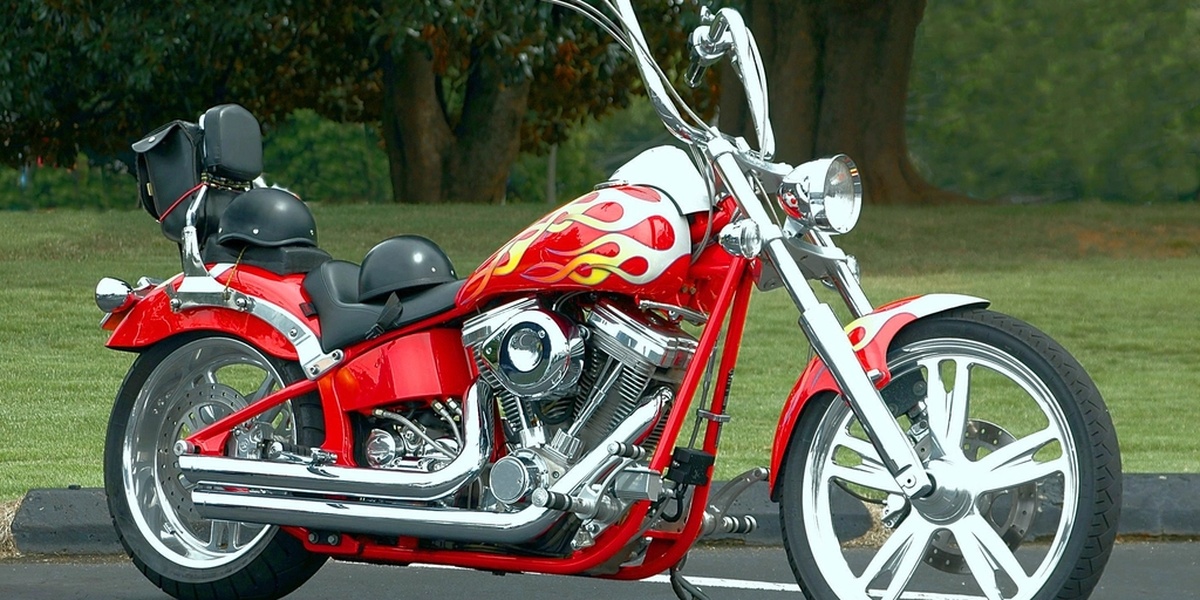
Choppers typically offer the bigger visual impact. Easy Rider (1969) cemented the image of the stretched, chrome‑heavy bike and builders from West Coast Choppers to Orange County Choppers have amplified that look ever since. A stretched fork can add 6–12 inches to a bike’s overall length and a 6–10 degree rake increase drastically alters the silhouette.
That drama pays off at rallies, shows, and for riders seeking sponsorship or media attention: a custom chopper cuts through a field of cruisers. The trade‑off is tangible—longer frames and tall “ape‑hanger” bars demand more room for parking and larger transport trailers, and they reduce tight-radius maneuverability.
2. Minimalist bobber look emphasizes raw mechanics and simplicity
Bobbers trade flash for purity. Classic bobber elements—shortened fenders, solo seats, and a lowered stance—come directly from the 1940s–50s hot‑rod scene where riders removed anything nonessential to shave weight and simplify maintenance. Factory bikes like the Indian Scout Bobber and models such as the Triumph Bonneville Bobber echo that aesthetic for modern riders.
Because changes tend to be bolt‑on or minor fabrication (for example, fender bobbing or swapping to a solo seat), hobbyists can achieve a striking look without massive expense or complex frame surgery.
3. Customization potential: choppers scale up, bobbers scale fast
Choppers and bobbers both invite customization, but they differ in scope and time. Choppers usually require frame modifications and geometry changes—think frame‑off work and extended forks—so projects can take months and cost tens of thousands if you use a shop. Custom shops commonly charge $10,000–$30,000 for full chopper builds.
By contrast, bobber transformations scale quickly. A weekend hobbyist can do bolt‑on upgrades or a modest bob‑up for roughly $300–$3,000, while a more ambitious DIY bobber might still stay under $5,000. That speed and lower entry cost make bobbers a practical way to personalize a bike without a long build timeline.
Ride Performance & Handling
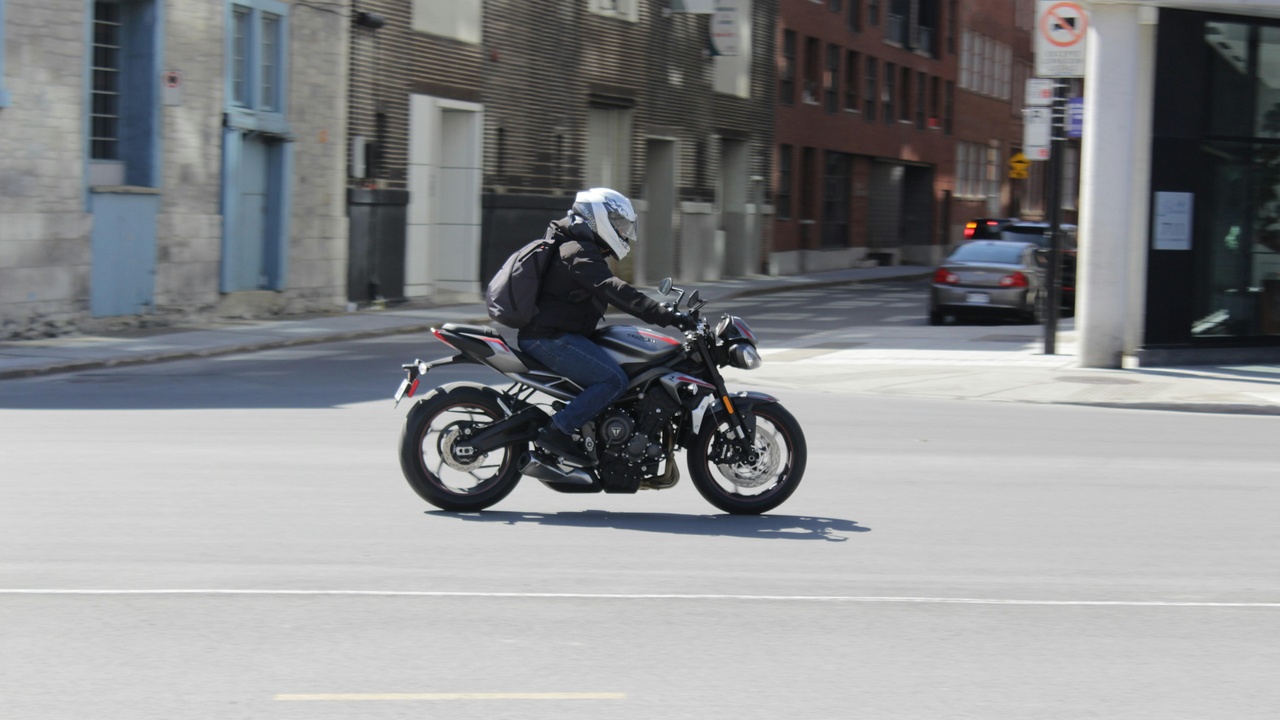
Geometry, curb weight, and ergonomics directly shape how a bike feels. Shorter wheelbases and lighter curb weights typically make bobbers nimbler at low speeds, while longer wheelbases and increased rake deliver a relaxed, straight‑line character favored by chopper riders. Numbers matter: wheelbase and rake changes of just a few inches or degrees can shift handling dramatically.
4. Better low-speed handling and maneuverability with bobbers
Bobbers are generally easier to maneuver in tight or urban conditions. Lighter curb weights and shorter wheelbases improve turning and low‑speed control: for example, the Indian Scout Bobber comes in around 556 lb curb weight, while the Triumph Bonneville Bobber is roughly 492 lb dry.
That weight difference plus a shorter wheelbase translates to easier parking, lane changes, and U‑turns. A bobber intended for commuting will feel predictable in stop‑and‑go traffic, unlike a long‑fork chopper that resists quick direction changes.
5. Choppers provide straight-line stability and a laid-back ride
Choppers favor straight‑line cruising and a relaxed riding posture. Increased rake and a longer wheelbase improve high‑speed stability, which is why many choppers use fork extensions of 6–12 inches or rake increases of 6–10 degrees to achieve that look and feel.
That setup gives confidence on open highways and during long scenic runs, but riders accept the compromise: less nimble cornering and slower steering responses. For cross‑state rallies and photo‑heavy cruises, a chopper’s demeanor is often preferable despite the handling trade‑offs.
Practical Ownership & Use
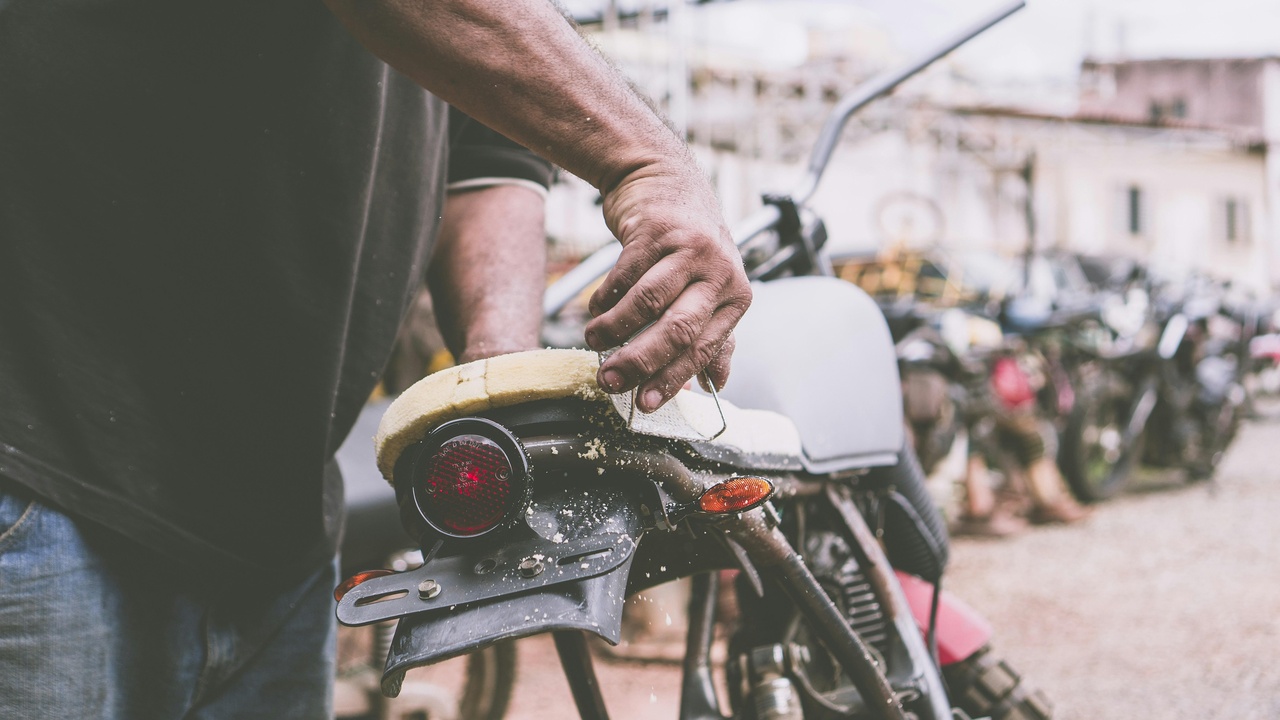
Design choices ripple into everyday ownership: maintenance complexity, insurance, storage, and resale all vary with how extreme a build is. Factory‑based bobbers are easier to service with off‑the‑shelf parts, while one‑off choppers can require specialist maintenance and bespoke components that raise time and cost for every service interval.
6. Lower maintenance complexity and cost with bobbers
Bobbers tend to be simpler and cheaper to maintain because their mods are often bolt‑on and they retain many stock mounting points. Shops can service a bobber more quickly, sometimes completing routine jobs in 1–2 hours rather than the longer labor a highly modified bike demands.
Routine service typically runs $100–$400 depending on the shop and motorcycle, and factory parts for models like the Triumph Bonneville Bobber or Indian Scout keep replacement costs reasonable. For riders who want a custom look without heavy upkeep, a bobber is a pragmatic choice.
7. Resale and versatility: bobbers often appeal to broader buyers
Bobbers usually attract a wider buyer pool because tasteful, reversible modifications preserve functionality and dealer support. Factory bobbers from Triumph and Indian have stronger trade‑in and dealer networks compared with many one‑off choppers, making them easier to sell or revert to stock.
By contrast, custom chopper builds can command high prices at specialty auctions—sometimes $10,000+ depending on pedigree—but they also narrow the market. If you want liquidity or resale that preserves value, a well‑executed bobber conversion is often the safer bet.
Summary
Choppers and bobbers each bring distinct advantages: choppers offer dramatic style and straight‑line confidence, while bobbers deliver simplicity, lower cost, and nimble handling. The most actionable insights are straightforward: choppers require bigger budgets and more storage and often need specialist work; bobbers are quicker to build, cheaper to maintain, and tend to resell to a broader audience.
- Design trade‑off: choose chopper styling for show presence; pick a bobber for minimalist, mechanical appeal.
- Handling trade‑off: bobbers win in tight, urban riding; choppers reward highway stability and presence.
- Ownership trade‑off: routine service ($100–$400) and parts availability favor bobbers; full chopper builds commonly exceed $10,000.
- Customization timeline: weekend bobber projects can be done for $300–$3,000; full custom choppers may take months and cost $10k–$30k.
If you’re undecided, test‑ride both styles and visit a local builder—seeing a West Coast Choppers build next to a Triumph or Indian factory bobber makes those trade‑offs obvious and helps you set a realistic budget.
Other Motorcycle Type Comparisons

Sarah Thornton
More from Sarah ThorntonHow we reviewed this article
This article was researched against manufacturer records and editorially reviewed before publishing. We accept no payment for coverage.