Jeep owners file thousands of complaints each year to NHTSA and online forums; some models consistently rank near the bottom in reliability surveys. Reliability matters because failures hit safety, repair bills, and resale value — fast and hard. This guide identifies ten problematic Jeep models that repeatedly surface in owner complaints and reliability studies, groups them by the dominant failure type, and explains what typically breaks, how much repairs can cost, and what to check before buying. Each entry lists the model years most affected, common symptoms, rough repair-cost ranges, and where to look for more data (NHTSA complaint pages, Consumer Reports, and major owner forums). Now, let’s start with the most expensive category: transmission and powertrain failures.
Transmission and Powertrain Failures
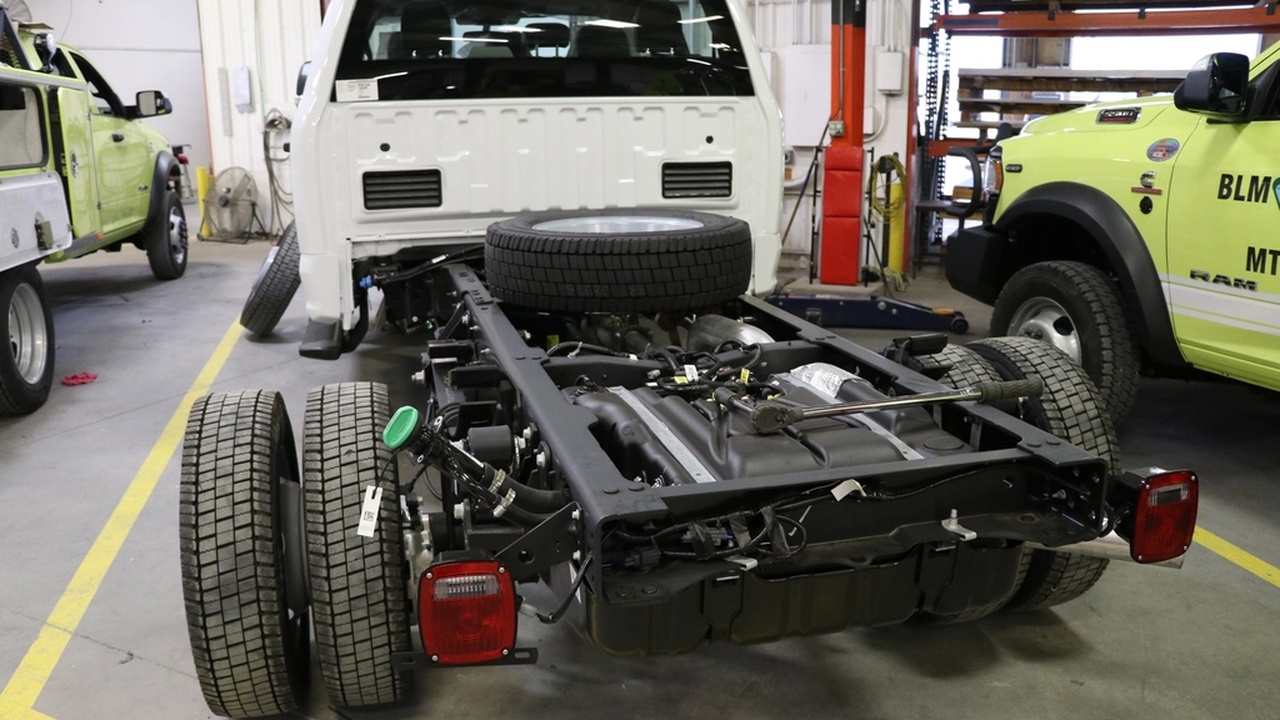
Transmissions and powertrains produce some of the costliest ownership shocks because fixes often require major parts or full replacements. Modern multi-gear automatics (and complex transfer cases on 4x4s) are sensitive to software, torque converters, and fluid service intervals, so a single failure can cascade into hundreds or thousands of dollars in repairs. Owners usually notice harsh or delayed shifts, shuddering at low speeds, sudden downshifts, or limp-mode restrictions; those are danger signs that deserve immediate diagnostic attention.
NHTSA complaint clusters and Consumer Reports reliability notes show transmission problems often spike after a particular model-year change or the introduction of a new gearbox. Major transmission work typically runs $2,000–$6,000; software reflashes and valve-body repairs are cheaper but may only be temporary fixes. If you see abnormal behavior, stop driving and get a professional scan and fluid check — continued use can multiply the damage.
1. Jeep Cherokee (KL, 2014–2018) — 9-speed transmission issues
The 2014–2018 Jeep Cherokee (KL) became widely known for trouble after Jeep introduced the ZF 9-speed automatic in 2014. Owners reported harsh shifts, sudden downshifts, and hesitation, and many described intermittent limp mode tied to software or control-module glitches. NHTSA complaint counts cluster around 2014–2016 model years, and dealers issued TSBs and software updates attempting to improve shift logic.
Real-world impact ranges from annoying hunting on city streets to unexpected downshifts on highways while towing. A dealer transmission-control reflash or valve-body adjustment can run a few hundred dollars, while a full rebuild or replacement often exceeds $3,000. For used buyers, inspect service records for completed TSBs, test-drive across varied speeds looking for smooth engagement, and avoid examples with repeated transmission shop visits.
2. Jeep Grand Cherokee (WK2, 2011–2018) — transmission and air suspension problems
Grand Cherokee WK2 owners report two expensive failure classes: 8‑speed transmission glitches in early WK2 years and Quadra‑Lift air‑suspension component failures on equipped models. Symptoms include gear hunting, delayed engagement, vehicle sagging at rest, and compressors that cycle constantly to maintain ride height.
NHTSA and owner forums document complaints across 2011–2015 WK2 examples, and service bulletins have targeted both transmission software and air‑suspension modules. Air‑spring or compressor replacements commonly cost $1,200–$3,000, while major transmission repairs exceed $3,000. When shopping, verify suspension repairs and listen for compressor cycling at idle; ask specifically about any extended-warranty or recall coverage the previous owner obtained.
3. Jeep Liberty (KJ/KK, 2002–2012) — powertrain and head-gasket concerns
The Liberty earned a reputation for engine- and drivetrain headaches in some years, especially related to head-gasket failures and oil leaks. Reports on owner forums and NHTSA posts show multiple examples where head gaskets failed between roughly 80,000–120,000 miles, often after overheating events or neglected coolant maintenance.
Other issues include transfer-case wear and CV/4×4 component deterioration on off-roaded examples. Head-gasket jobs can range $1,500–$3,500 depending on labor rates and whether cylinder-head work is required. For candidates with high mileage, request compression or leak-down results, coolant-service receipts, and a clean thermal history before agreeing to buy.
Electrical, Electronics, and Infotainment Failures
Across the list, electronics — from infotainment units to body-control modules and wiring — account for a large share of complaints. Software complexity, marginal connectors, and water intrusion create faults that can be intermittent and expensive to trace. Symptoms range from frozen screens and HVAC failures to no-start conditions and erratic warning lights.
Diagnostics can be time-consuming: an inexpensive module reflash sometimes resolves the issue, while a failed body-control module or harness repair can top $1,000. Check NHTSA complaint pages and Consumer Reports notes for electrical-related recalls and service campaigns before committing to a purchase, and consider extended coverage for electronics on higher-mileage units.
4. Jeep Renegade (2015–2019) — recurring electrical and engine stalling issues
Early Renegade models suffered a disproportionate share of electrical and occasional stalling complaints. Owners reported infotainment lockups, sudden loss of power, and illuminated check‑engine lights that sometimes correlated with wiring-harness faults or ECU software bugs.
NHTSA complaint clusters for 2015–2017 Renegades prompted dealer software updates and limited service campaigns. Repair costs vary: a dealer software update is relatively cheap, while ECU or wiring harness replacements can run several hundred to a few thousand dollars. On a used Renegade, test every electronic function repeatedly and be wary of cars with recurrent ECU-related service records.
5. Jeep Compass (2007–2016) — electrical gremlins and poor-quality interior fit
Compasses from this era frequently show a mix of interior build-quality woes and persistent electrical faults. Common complaints include failing window regulators, dead switches, dash rattles, and flaky infotainment units that undermine ownership satisfaction even if the drivetrain is fine.
Consumer Reports and JD Power anecdotal notes highlight panel fit and trim issues that make normal wear feel worse. Repair costs span small parts and labor for regulators to more expensive dash-module replacements. During a test drive, cycle windows, climate controls, and audio several times; if components behave intermittently, budget for repairs or walk away.
6. Jeep Patriot (2007–2016) — aging electronics and driveline complaints
The Patriot shares its platform with the Compass and shows similar electronic and driveline complaints as mileage rises. Owners report recurring sensor failures, odd warning lights, and driveline noises that often emerge past 80,000–120,000 miles.
Many faults escalate with deferred maintenance. Typical repairs range from a few hundred dollars for sensors and wiring repairs to higher amounts for transfer-case or transmission work. Ask for full service records and listen for driveline chatter during a test drive; vibration and clunks during acceleration or shifting are red flags.
Build Quality, Interior, and Structural Problems
Even when engines and transmissions hold up, poor fit-and-finish, corrosion, and interior deterioration can make a vehicle feel unreliable. Premature rust, soft welds, and failing seals increase noise, reduce safety margins, and create high body-repair bills. These problems often depend heavily on climate and prior care.
Look for visible panel misalignment, water stains, and cavity rust on lift inspection. Body repairs vary wildly: a rocker or floor-pan section can run into the thousands, while simple seal replacements are cheap. Corrosion-related recalls and owner reports can point you to model years with systematic problems.
7. Jeep Commander (XK, 2006–2010) — suspension and early-corrosion complaints
The Commander commonly shows suspension wear and early corrosion in certain climates. Owners report clunks, worn bushings, and rust beginning in wheel wells and undercarriage seams earlier than expected for SUVs of this vintage.
Suspension component replacement (control arms, bushings) typically costs $500–$1,500, while sheet‑metal rust repair can rise quickly depending on extent. For used buys, inspect suspension for play, have the vehicle lifted to view cavity rust, and prioritize cars with documented rust prevention or repairs.
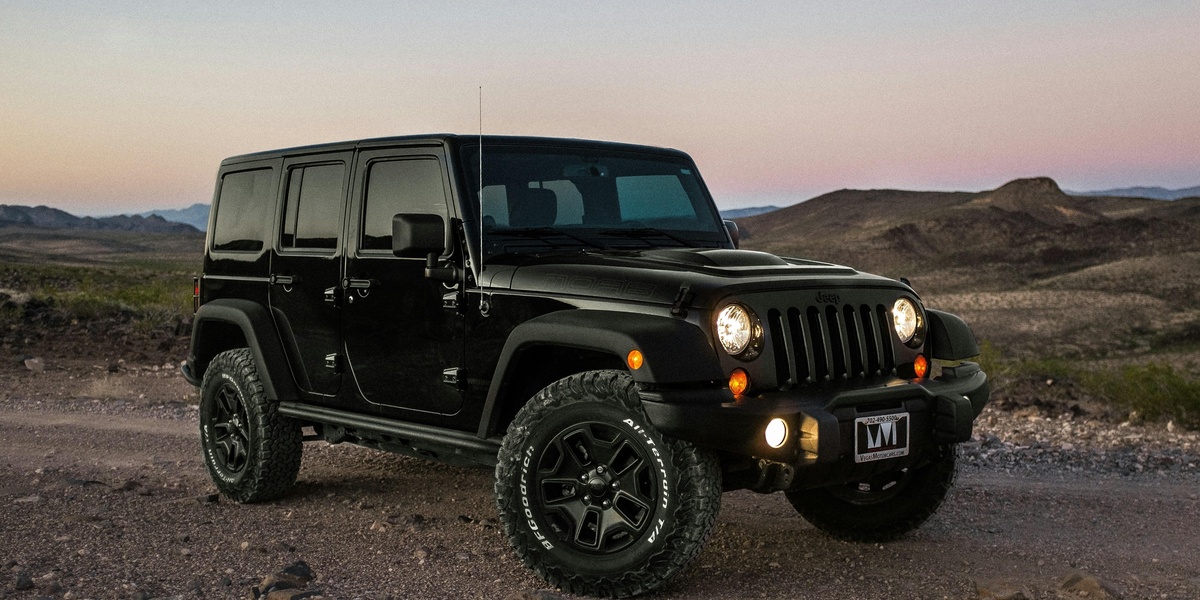
8. Jeep Wrangler (JK, 2007–2018) — electrical, window, and leak complaints
The Wrangler’s off-road use and aftermarket mods contribute to recurring electrical quirks, door and window leaks, and accessory failures in JK-era models. Water intrusion can corrode connectors and cause intermittent shorts that are hard to reproduce in a shop visit.
Owners report leaking door seals, faulty power-window mechanisms, and wiring harness damage near doors. Seal replacements and simple wiring repairs are moderate cost, but diagnosing intermittent shorts can be labor-intensive. When inspecting, remove door sills and check for water stains, and test electronics after a short drive with the windows closed and open.
9. Jeep Grand Cherokee (WJ, 1999–2004) — aging electronics and transfer case failures
Older WJ Grand Cherokees often show transfer-case wear and failing electronics as mileages climb. Symptoms include grinding when engaging 4WD, reluctance to switch drive modes, and intermittent instrument-cluster faults that complicate diagnostics.
Transfer-case rebuilds or replacements can cost well over $1,000 depending on parts and labor. Request transfer-case service records and watch for metal filings in differential or transfer-case fluids; those are signs of internal distress. A thorough pre-purchase inspection should include a 4WD engagement test under load.
10. Jeep Wrangler (JL/older model issues carryover) — early electronic teething in new generations
Even new generations can have teething problems: early-production JL (2018+) examples showed isolated electronics and accessory-fit issues as Jeep introduced new infotainment, advanced driver aids, and refreshed body panels. Early adopters sometimes faced repeated dealer visits for software updates and trim adjustments.
Early model-year issues are often warranty-covered, but they still cost time and hassle. For low-mileage new-generation Jeeps, prefer later built examples, Certified Pre-Owned units, or cars with updated software and completed service campaigns. That approach reduces the odds of being the first to find new faults.
Summary
Key takeaways from these trouble-prone models:
- Transmissions and electronics are the most common and costly recurring themes across multiple Jeep generations.
- Repair costs can exceed vehicle value on older or high‑mileage units; head‑gasket, transmission, transfer‑case, and air‑suspension fixes add up fast.
- Always review NHTSA complaint pages and Consumer Reports notes for the exact model years you’re considering, and request documented service history.
- Get a professional pre‑purchase inspection that includes a transmission scan, undercarriage lift check for rust/leaks, and a thorough electronics test.
- When possible, prefer later model-year builds, CPO examples, or vehicles with extended-warranty coverage to reduce the risk of early-life defects.

Marco Delantero
More from Marco DelanteroHow we reviewed this article
This article was researched against manufacturer records and editorially reviewed before publishing. We accept no payment for coverage.