The 10 Best Cars of 1969
On July 20, 1969, Apollo 11 put humans on the Moon. Back on Earth, engineers at several automakers were pushing the boundaries of displacement and aerodynamics, and the resulting cars still influence collectors today. 1969 sits at the intersection of peak muscle-car displacement and refined European grand touring, a year when factory-backed racing programs and bold styling created machines that defined enthusiast tastes.
This list ranks ten standout 1969 models by historical impact, specs, design significance, and modern collector value. Each entry highlights what made the car notable—key engine specs, the production or racing context that shaped it, and why restorers and buyers still chase these models. Read on for a cross-section of raw American power, coachbuilt European finesse, and a few surprises that helped make 1969 unforgettable.
American Muscle Icons
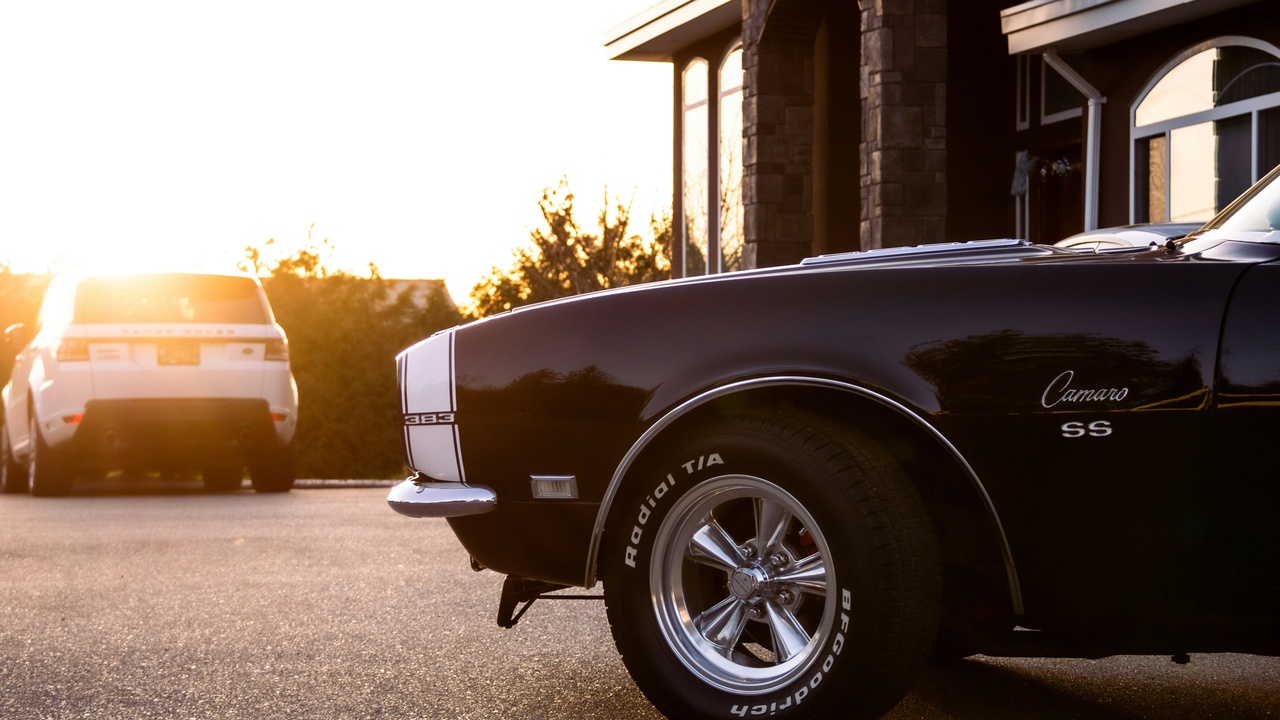
1969 marked the late-’60s muscle peak: manufacturers stuffed bigger engines into mid-size bodies, homologation and SCCA/Trans‑Am rules shaped engine choices, and buyers chased straight-line speed. That year saw factory-rated monsters such as the 426 Hemi (factory 425 hp rating) and purpose-built programs like the Boss 429, all delivered with bold graphics and heavy-duty options. Homologation pressure pushed companies to create limited-run halo cars, while dealers and private teams used heavy-duty transmissions and suspension packages to make these cars race-worthy right off the lot. Today, rarity and documented race pedigree help drive auction prices and restoration decisions, and collectors prize both numbers-matching drivetrains and period-correct options.
1. 1969 Ford Mustang Boss 429
The Boss 429 is iconic because it shoehorned a 429 cubic-inch big block into the Mustang as a homologation effort for NASCAR. Ford certified the engine at 375 hp on factory paperwork, though the unit featured hemispherical-influenced combustion chamber geometry and hand-built cylinder heads that distinguished it from production blocks.
Boss 429s used a special intake and unique cylinder‑head work developed by Ford to fit the big block in a narrow engine bay. The program produced a relatively small number of cars, making original examples prized at shows and auctions; well‑documented cars commonly trade in the mid‑six‑figure range depending on condition and options. Unlike Shelby Mustangs, the Boss program was a factory-led engineering effort focused on purpose-built performance for NASCAR homologation.
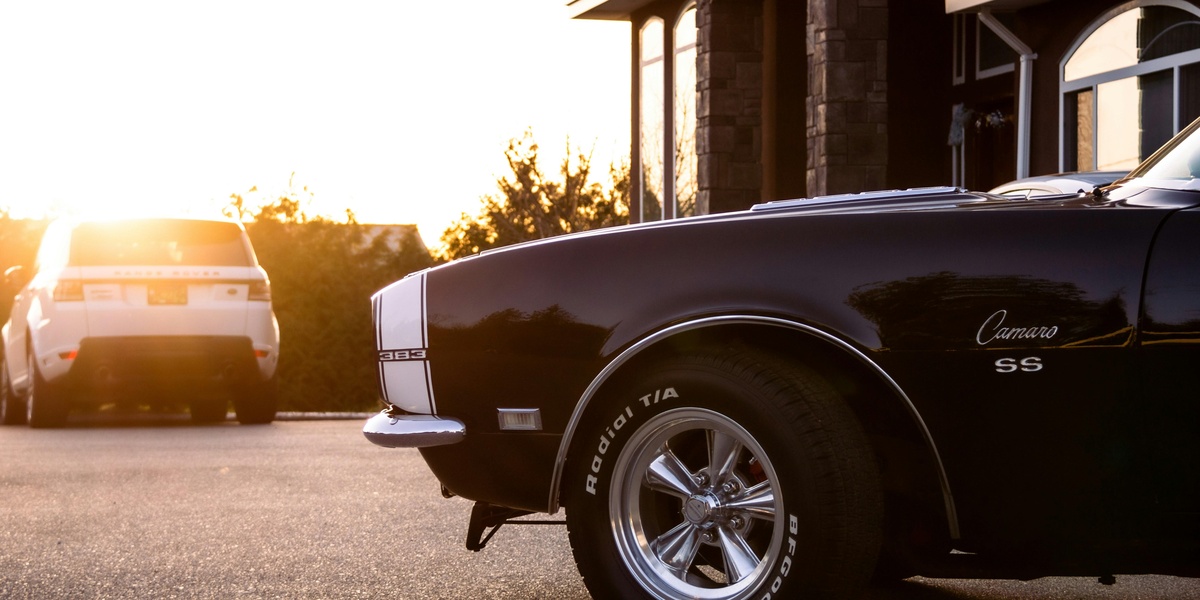
2. 1969 Chevrolet Camaro Z/28
The Z/28 was Chevrolet’s Trans‑Am answer: a high‑revving 302 cubic‑inch small‑block under a Camaro trimmed for road racing. Built to SCCA rules, the 302 favored high rpm power and a close-ratio transmission rather than big low‑end torque.
That Trans‑Am heritage gave the Z/28 excellent balance—lightweight components, firm suspension tuning, and brakes that made it a more complete track car than many contemporaries. Teams like Penske campaigned Camaros in period series, and original 1969 Z/28s remain highly sought after by collectors who prize authenticity, distinctive stripe/badge packages, and documented competition history.
3. 1969 Dodge Charger R/T (426 Hemi)
The Charger married dramatic fastback styling with the legendary 426 Hemi V8. The 426‑cubic‑inch Hemi carried a factory rating of 425 hp and was a favorite for drag racers and outlaw road racers thanks to its breathing and strength.
R/T models could be ordered with heavy‑duty transmissions, cooling upgrades, and suspension packages aimed at competition. The Charger’s silhouette made it a pop‑culture staple—the 1969 model year is particularly linked to film and TV appearances—and its Hemi examples now command strong prices at auction as restored or unrestored collectibles.
4. 1969 Plymouth Road Runner
The Road Runner was performance stripped down to essentials: an affordable, no‑frills muscle car marketed with Warner Bros.’ cartoon character to emphasize value. Buyers got straightforward engineering and serious V8 options without the luxury trappings of pricier models.
Common engines included the 383 V8 as a base performance choice, with the 426 Hemi available as the top option for buyers who wanted maximum straight‑line speed. The Road Runner’s inexpensive ethos led to strong showroom sales in period and established a niche for budget-minded performance that still appeals to collectors looking for period‑correct, inexpensive‑to-own speed.
Shelby, Pontiac and Other American Icons
Beyond factory muscle, special editions and coachbuilt variants amplified desirability in 1969. Shelby tweaked Mustangs with unique suspension and trim; Pontiac packaged the Judge with eye‑catching graphics and performance options; Chevrolet’s Chevelle offered big‑block power to mainstream buyers. These limited or optioned cars often carried higher dealer markups and lower production counts, which today translate into premium auction values for well‑documented examples.
Collectors pay attention to original equipment, build sheets, and documented competition use. Small producers and dealer‑tuned models blurred the line between factory and aftermarket, creating a layered market where rarity, provenance, and period options determine value.
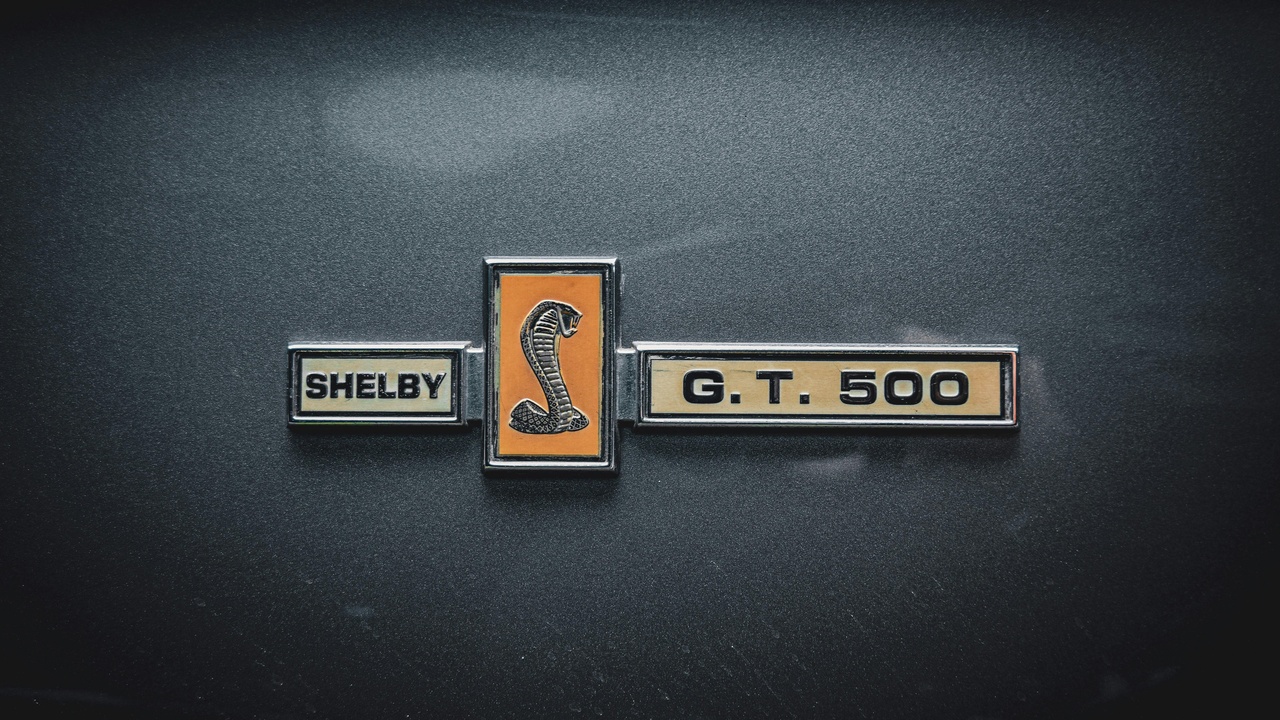
5. 1969 Shelby GT500
Shelby‑tuned Mustangs matter because they combined Ford’s mass‑production platform with bespoke chassis work, unique trim, and higher‑spec engines. Late‑1960s Shelbys often carried 428‑class powerplants and Shelby‑specific suspension components to improve handling and track manners.
GT500s came with distinctive badging, heavy‑duty brakes, and suspension geometry changes that made them stand out at shows and on the road. Collectors prize original documentation and factory options, and unrestored or well‑preserved GT500s routinely earn top money at restoration auctions.
6. 1969 Pontiac GTO Judge
The GTO Judge was Pontiac’s marketing sledgehammer: bold graphics, high‑visibility colors, and performance packages that made the car showroom theater. The Judge package typically rode on 400 cubic‑inch V8s, giving the model strong mid‑range power and an aggressive soundtrack.
Visually loud and option-rich, Judges were less common than base GTOs, which has helped create collector demand for well‑preserved examples. Period advertising and showroom demos emphasized acceleration and style, and today Judges are prized for their distinctive decals and factory option combinations.
7. 1969 Chevrolet Chevelle SS 396
The Chevelle SS 396 bridged family practicality and serious V8 performance. Buyers could order the 396 cubic‑inch big‑block in several tunes, commonly rated in the 325–375 hp range depending on cam and carburetion.
That mix of usable interior space and straight‑line thrust made the Chevelle popular with drag racers and everyday drivers alike. Period road tests often quoted 0–60 times in the mid‑to‑high six‑second range for the higher‑tuned variants, and restorers today chase correct badges, hood options, and drivetrain stampings when returning these cars to concours form.
European GTs and Sports Cars
European entries of 1969 emphasized balance, lightness, and coachbuilt flair rather than brute displacement. Many were more expensive new and were produced in smaller numbers, which contributes to their high standing at concours and premium auctions today. These GTs offered higher‑revving engines, finely tuned suspensions, and styling from celebrated coachbuilders, delivering a different kind of desirability compared with American muscle.
Collectors often favor originality and provenance for these models, and rarity plus documented ownership histories push values into the top tiers of the classic market. The appeal is less about dragstrip numbers and more about proportion, craftsmanship, and road manners.
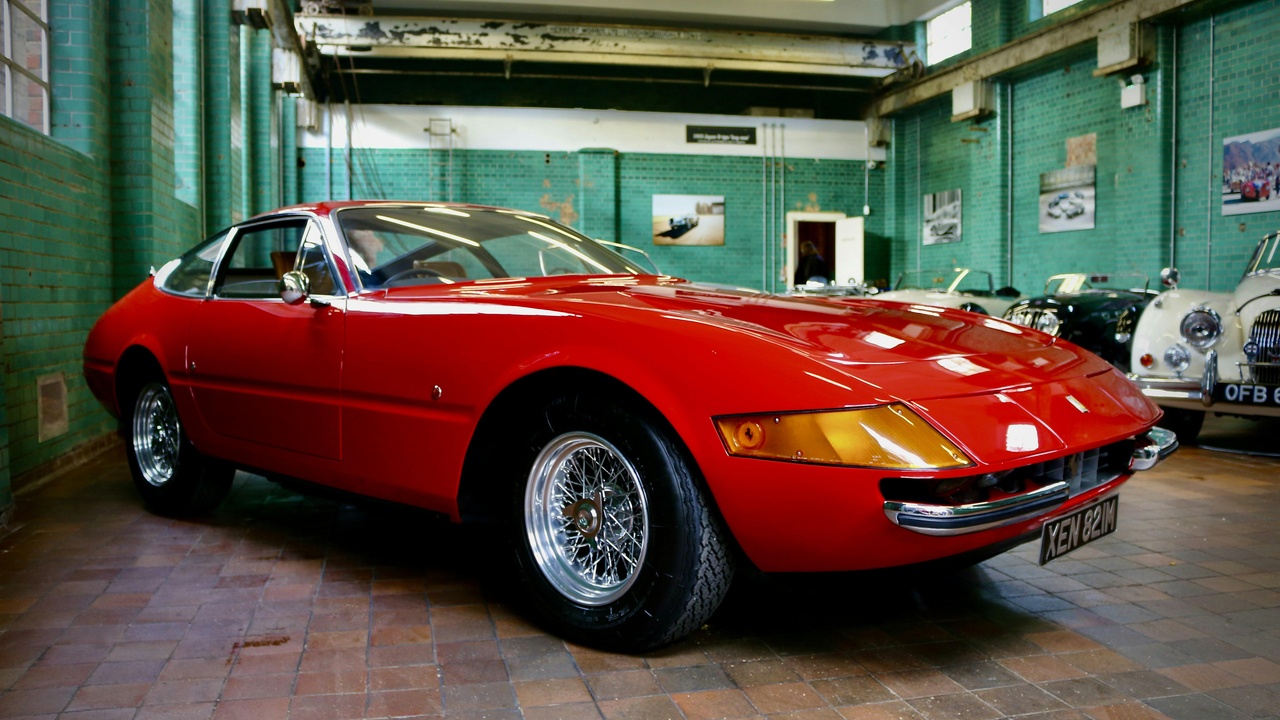
8. 1969 Ferrari 365 GTB/4 ‘Daytona’
The Daytona is Ferrari’s V12 grand tourer from the era—Pininfarina coupe lines wrapped around a 4.4‑liter V12 that Ferrari advertised at well over 350 hp. Its long‑nose silhouette and taut coachwork made it one of the fastest production cars of its day.
Exclusivity and strong concours presence have pushed Daytona values into the upper mid‑to‑high millions at top auctions in recent years, with well‑preserved examples often drawing intense interest. The model’s combination of top speed, V12 drama, and elegant proportions keeps it a centerpiece for high‑end collectors and shows.
9. 1969 Porsche 911S
The 911S was the high‑performance variant of Porsche’s lightweight sports car, using a higher‑output 2.0L flat‑six and more aggressive cam profiles to produce roughly 160–180 hp depending on tune. Its balance, steering precision, and proven racing record made it a benchmark for driver engagement.
Success in rallies and endurance events reinforced the 911’s sporting reputation, while widespread parts interchangeability has helped owners maintain and restore these cars. For many collectors the 911S represents a purer, more usable classic compared with rarer coachbuilt GTs.
10. 1969 Jaguar E-Type Series II
The E‑Type was already a design icon by 1969, and the Series II introduced practical refinements—larger front and rear bumpers, improved cooling, and updated lighting—while retaining the classic long‑bonnet proportions. Many Series II cars used the 4.2‑liter inline‑six that delivered strong, usable torque for grand touring.
Critical acclaim for styling and continued presence at classic‑car events make the E‑Type a perennial favorite. Collectors value good bodywork and matching‑numbers engines, and Series II models often appeal to those who want iconic looks with slightly more day‑to‑day practicality than the earliest cars.
Summary
- 1969 combined raw displacement, factory racing influence, and evolving aerodynamics, anchored by events like Apollo 11 on July 20, 1969.
- American models prioritized big V8s and showroom performance (examples: 429 ci Boss, 426 Hemi), while European GTs emphasized balance, high‑revving engines, and coachbuilt elegance.
- Special editions and small‑run packages—Shelby tuning, the Judge, and factory homologation cars—created rarity that now elevates auction values.
- Many of these cars remain highly collectible; if you’re curious, visit a local concours or club meet to see originals and learn about restoration and ownership costs firsthand.

Marco Delantero
More from Marco DelanteroHow we reviewed this article
This article was researched against manufacturer records and editorially reviewed before publishing. We accept no payment for coverage.