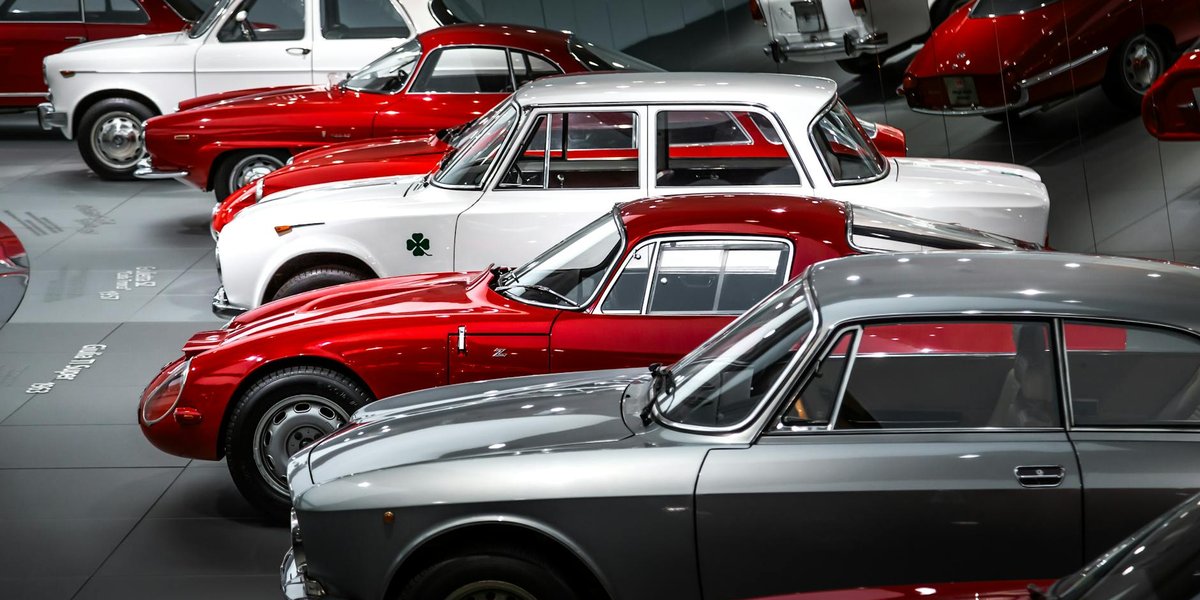
Since the 1920s automakers from Rolls-Royce to BMW have prized the straight-six layout for one reason: remarkably smooth operation compared with other multi-cylinder layouts.
When comparing inline-6 vs v6 engine layouts, the straight-six layout offers a set of distinct advantages that show up in everyday driving and vehicle design — noise, vibration and harshness (NVH), packaging, maintenance, and how the car feels on the road. Layout matters because cylinder arrangement influences how an engine vibrates, how easy it is to cool and service, and how straightforward it is to route intake and exhaust plumbing. A straight-six naturally achieves even 120° firing intervals on a four-stroke crank for smooth power pulses, and brands such as BMW and Mercedes have leaned on that refinement for decades.
Performance and smoothness advantages
1. Superior inherent balance and smoother operation
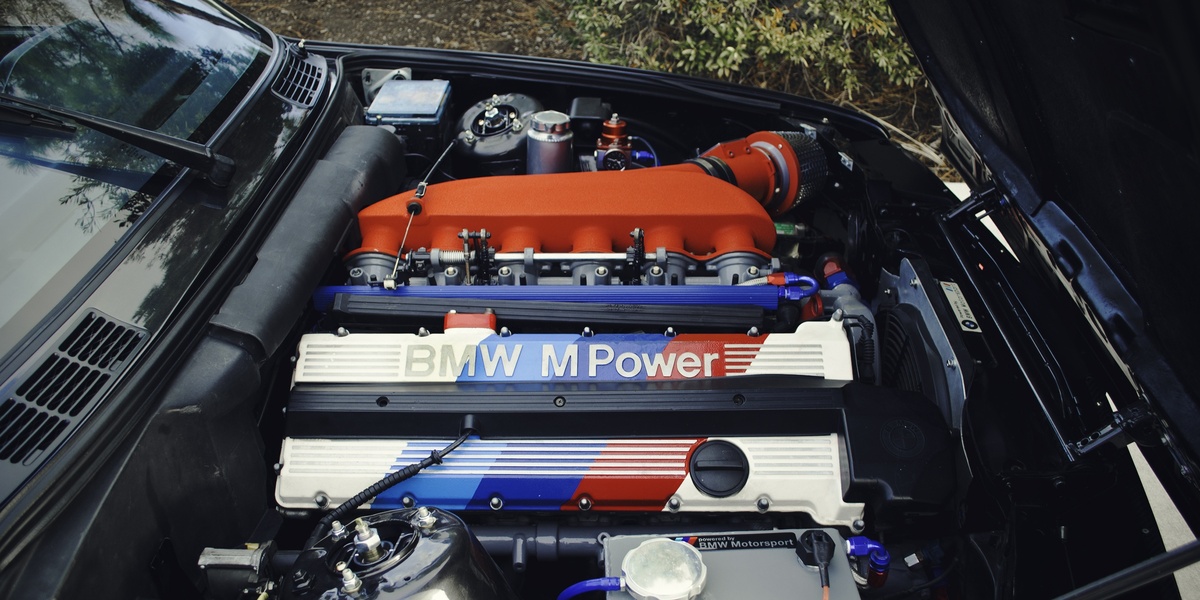
The straight-six is inherently better balanced than most V6 designs, delivering quieter, steadier operation at idle and on the highway. A typical inline-six achieves perfect primary and secondary mechanical balance, aided by even 120° firing intervals on a four-stroke crank, which cancels out the rocking forces that trouble many V6s. That means less vibration transmitted to the cabin and to mounts, which improves comfort and reduces wear on accessories over time. BMW’s long history with inline-sixes — from the classic M engines to modern B58 units — illustrates how manufacturers prize that mechanical calm, while many V6 packages require counterbalances or complex mounting to approach the same refinement.
2. More linear torque delivery and calm low-end power
Straight-sixes tend to deliver torque in a smooth, predictable way across the rev range, which matters for everyday drivability. Even firing and the straight crank geometry produce steadier torque pulses, so throttle tip-in and low-speed acceleration feel composed rather than jerky; that steadiness cuts vibration-induced shocks to the drivetrain. This trait is valuable for towing, steady highway cruising, and luxury applications where a calm throttle response defines the experience. Diesel and petrol straight-six engines have long been favored in trucks and high-end sedans for exactly these drivability gains.
3. Easier breathing and intake/exhaust packaging for forced induction
A single, straight cylinder bank simplifies intake and exhaust routing compared with two separate banks, making it easier to tune manifold geometry and turbo plumbing. One cylinder head instead of two allows a single intake plenum and a single exhaust manifold to be optimized, often reducing pressure drop and simplifying piping for turbochargers or twin-scroll setups. Tuners have long favored engines like the Toyota 2JZ and BMW straight-sixes for aftermarket turbo builds because straight pipe runs and uniform runner lengths make it simpler to extract power. OEM turbo installations also benefit from fewer bends and more predictable exhaust pulse timing on a single-bank layout.
Packaging, weight distribution, and vehicle layout
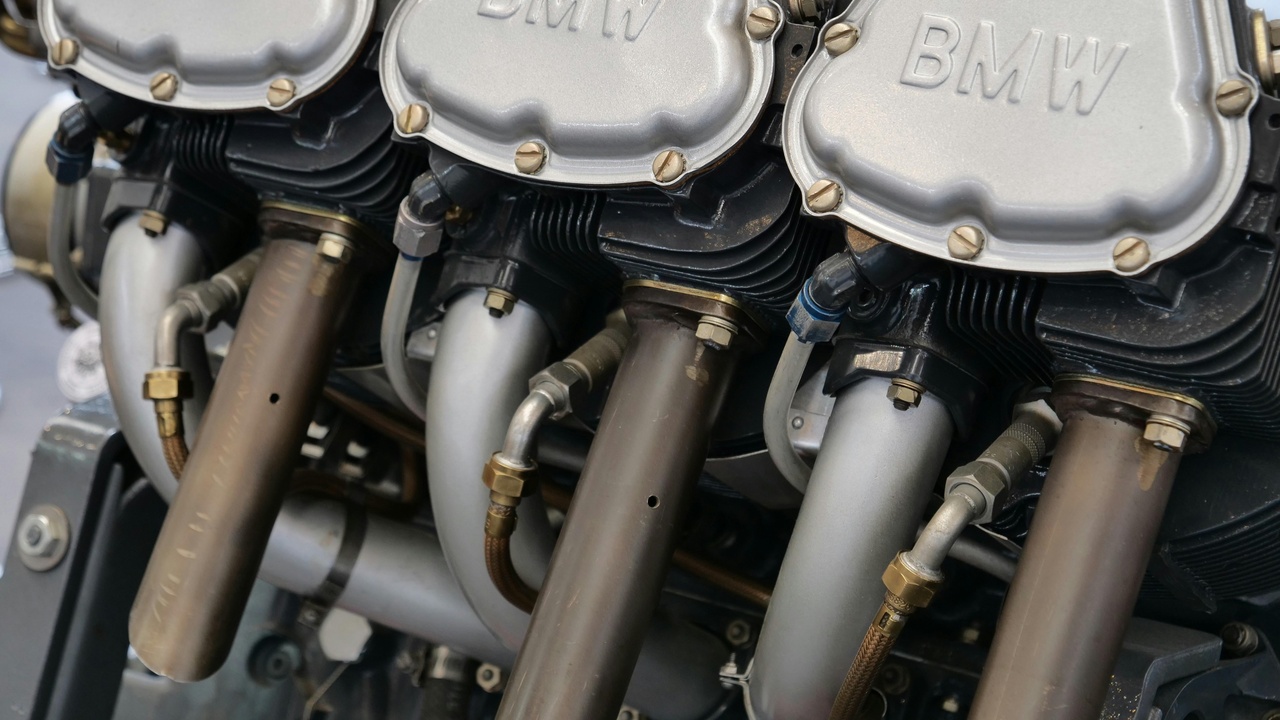
The physical shape of an engine has direct implications for vehicle engineering. An inline-six is longer front-to-back, often pushing designers toward a longitudinal layout, while a V6 is shorter across the crank and fits more easily into transverse, front-wheel-drive bays. That length-for-width trade-off affects front axle load, crash structure design, and steering feel. Longitudinal placement of a straight-six can let engineers move the engine rearward by a few centimeters, which may translate into a measurable improvement in front/rear weight distribution and handling balance in sports sedans and grand tourers.
4. Simplified cylinder-head design: one head instead of two
One clear advantage of the straight-six is a single cylinder head, which reduces parts and simplifies coolant and valvetrain routing. Many DOHC V6 engines use two heads and often four camshafts, whereas a DOHC inline-six commonly uses two camshafts total — a straightforward numeric difference that cuts head gaskets, machining operations, and potential leak points. That single-head layout simplifies service access and can shorten repair time for head-related work, with fewer components to inspect when things go wrong.
5. Packaging trade-offs that can improve weight distribution
The extra length of an inline-six can be an asset because it allows designers to site the engine further behind the front axle in longitudinal installations. Shifting mass rearward by just a few centimeters can reduce front axle load by a few percent, which often improves turn-in feel and steering responsiveness in sporty sedans. That’s one reason BMW places inline-sixes longitudinally in the 3- and 5-series to help approach near 50/50 weight balance, while many front-wheel-drive cars opt for compact V6s to save space in the transverse engine bay.
Manufacturing, maintenance, and ownership costs
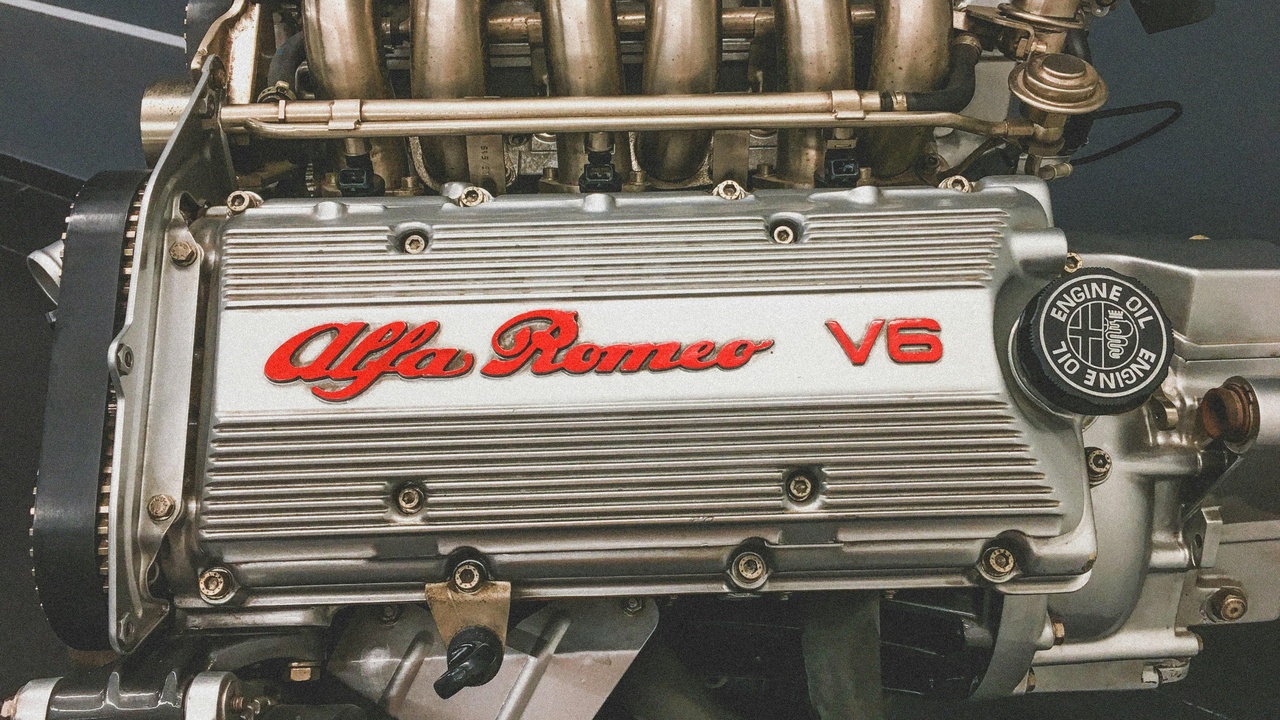
Engine architecture influences parts count, assembly time, and long-term serviceability, all of which feed into ownership costs. Fewer heads equals fewer castings and machining steps during production, and simpler valvetrain layouts can reduce assembly time. From a maintenance perspective, access to spark plugs, valve covers, and timing components can be easier on a straight-six that sits in a longitudinal bay than on a tightly packaged transverse V6 — a real factor in labor time and repair bills.
6. Lower component complexity can reduce manufacturing and repair costs
Fewer heads and simpler valvetrain packaging mean a tangible parts-count advantage: a DOHC inline-six often has two camshafts total, while a DOHC V6 commonly has four camshafts and two heads. That difference translates to fewer head gaskets, fewer machined castings, and fewer timing covers, which can lower manufacturing complexity and cost. For repairs, single-head designs remove one potential head-gasket failure point and generally simplify coolant and oil routing, which can reduce labor hours in head service scenarios.
7. Strong aftermarket support and proven longevity in many models
Straight-six engines have a long track record for durability and a robust aftermarket, which affects resale and enthusiast interest. Iconic families such as the Toyota 2JZ and BMW’s M54/B58 series are known for high-mileage reliability and broad tuning headroom — common upgrade paths include turbocharging, intake and cam swaps, and stronger internals. That popularity means plentiful parts, knowledgeable shops, and active tuning communities, which can support higher long-term values and easier modifications compared with less-common V6 variants.
Summary
- The straight-six’s inherent balance yields smoother idle and cruising, thanks in part to even 120° firing intervals that cancel primary and secondary forces.
- Single-head designs reduce part count and simplify coolant and valvetrain routing, which can lower manufacturing and repair complexity compared with many V6s that use two heads.
- Length versus width is the key packaging trade-off: V6s fit tight transverse bays, while inline-sixes help longitudinal layouts and can improve front/rear weight distribution for better handling.
- Aftermarket and longevity advantages favor several straight-six families (Toyota 2JZ, BMW M/B58), making them attractive for tuners and buyers who value proven durability.
- When researching inline-6 vs v6 engine choices, check real-world examples like BMW and Toyota models and take test drives to compare refinement, packaging impact, and service accessibility.
Other Comparisons

Marco Delantero
More from Marco DelanteroHow we reviewed this article
This article was researched against manufacturer records and editorially reviewed before publishing. We accept no payment for coverage. Some guides contain affiliate links; see our affiliate disclosure.