Top 10 Most Reliable Subaru Cars
Since Subaru popularized all-wheel drive across its lineup in the 1990s, the brand has developed a reputation for go-anywhere durability and long-lived engines. For buyers who prize resale value, safety in bad weather, and predictable long-term costs, Subaru reliability often translates to cars that routinely hit 200,000 miles or more with routine upkeep.
This ranking pulls from long-term owner reports, major reliability surveys, recall and repair histories, and typical maintenance-cost patterns to identify ten Subaru models that consistently prove durable in real-world use. Each entry notes the model’s introduction year, why it lasts, known weak spots to watch, practical use cases (commute, family hauling, light towing or off-road), and recommended model years for used buyers. A short anecdote: private owners commonly report 200,000+ miles on Outbacks and Foresters when oil changes and scheduled services are kept up.
Compact & Subcompact Subarus
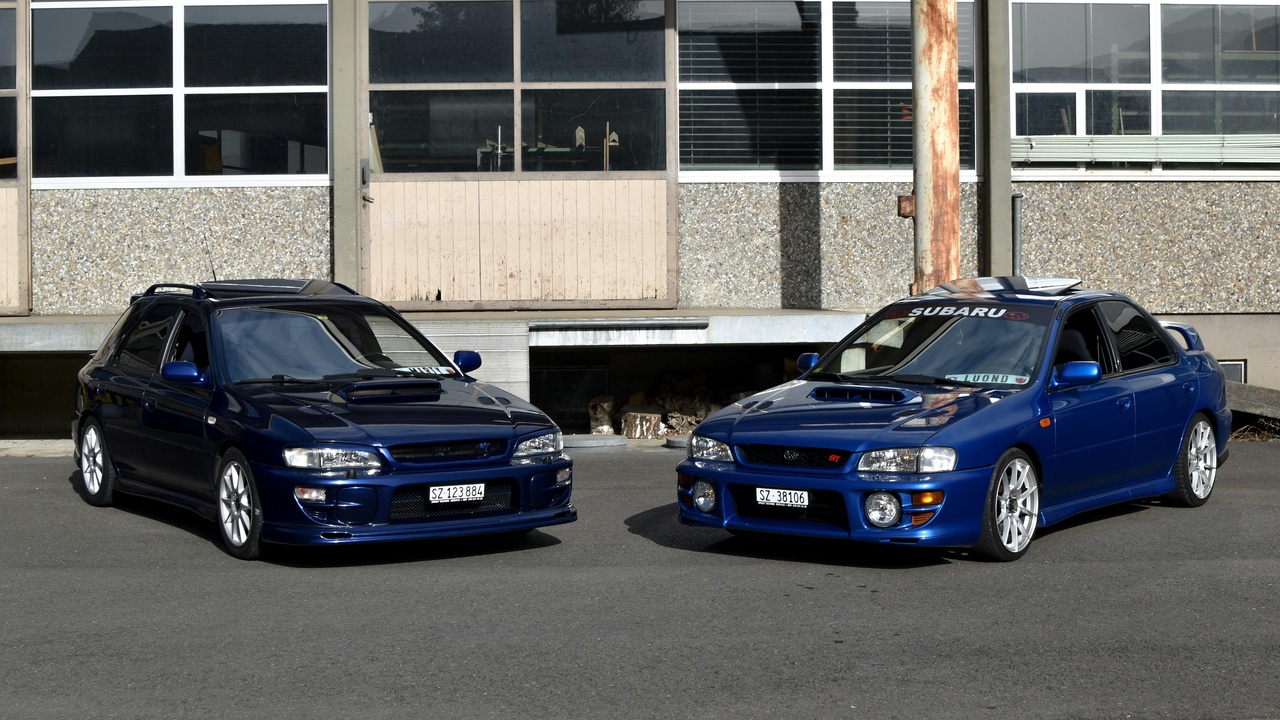
Smaller Subarus tend to score well for reliability because their mechanicals are simpler, they weigh less, and repair costs are usually lower. Shared platforms between the Impreza and Crosstrek mean parts are widely available and independent shops know them well.
These models are ideal daily drivers: commuters, small families, and outdoor-minded city dwellers who want AWD without big operating costs. Many examples exceed 180,000–200,000 miles when owners follow routine service schedules.
1. Subaru Outback
The Outback is one of Subaru’s most durable and versatile models, produced continuously since 1995 and widely used for long trips and outdoor life. Owners commonly report 200,000+ mile examples, especially from well-maintained mid-life model years.
Real-world uses: long-distance commuting, family road trips, and light off-road trails. Look for 2010–2019 models if you want a balance of proven durability and modern conveniences.
Maintenance notes: watch for timing-belt versus timing-chain differences depending on engine, regular AWD system checks, brakes, and suspension bushing wear. Typical annual maintenance ranges from about $500–$900, depending on driving habits and regional labor rates.
2. Subaru Forester
The Forester has been a compact-SUV mainstay since 1997 and consistently ranks well in owner surveys for durability and practicality. It combines roomy cargo space with a straightforward powertrain that’s easy to service.
Real-world uses: daily commuter, practical family vehicle, and light off-road duty. Many Foresters pass 200,000 miles when owners stay on top of key services like oil changes and CVT maintenance on newer models.
Recommended model years: 2014–2018 are often praised for a good balance of features and fewer common complaints. Keep an eye on oil-change history and any head-gasket-era concerns on older generations.
3. Subaru Crosstrek
Introduced in 2013, the Crosstrek blends Impreza underpinnings with SUV clearance to deliver dependable, low-cost ownership. Its Impreza lineage means plentiful parts and a broad aftermarket.
Best for urban drivers who occasionally hit trails: good fuel economy, predictable maintenance, and many owners report examples exceeding 180,000–200,000 miles. Early strong model years include 2013–2017 for simple, proven setups.
Sedans and Wagons: Long-lived Daily Drivers
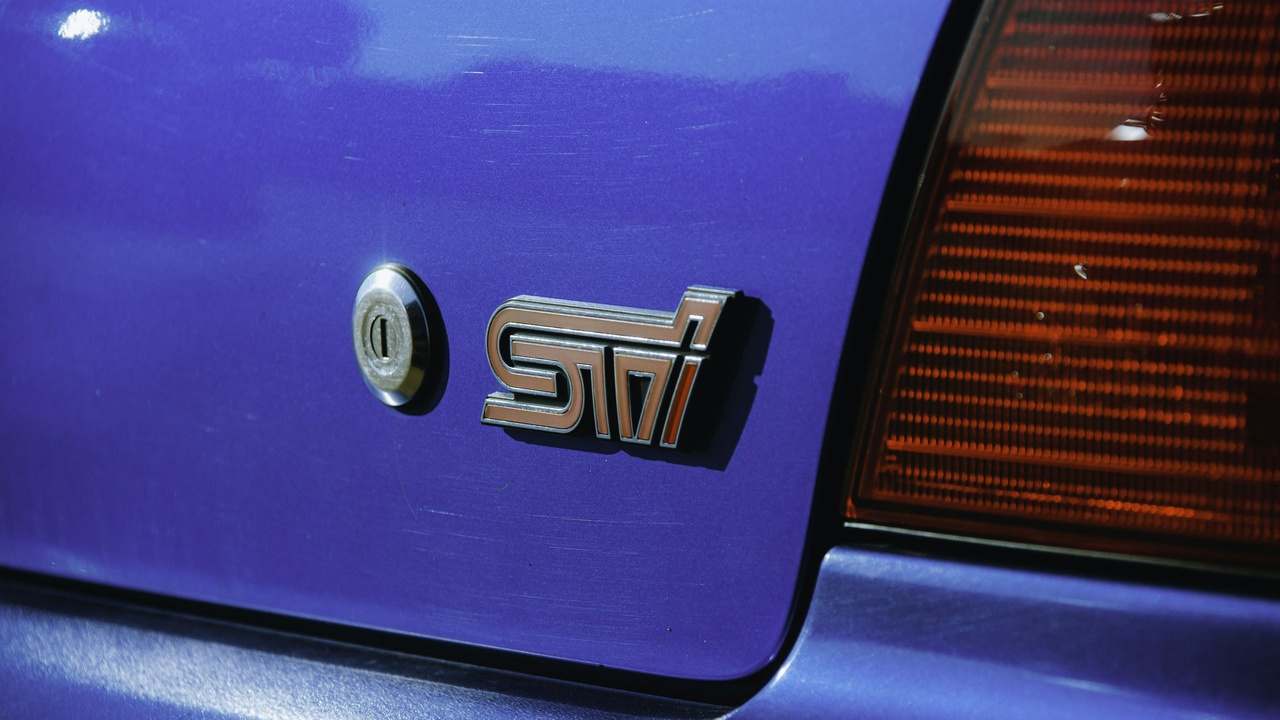
Subaru sedans and wagons like the Legacy and Outback variants often see regular maintenance and moderate use, which helps build predictable service records. These cars are comfortable on highways and cost-effective to keep running for many years.
Many owners report reaching 200,000–300,000 miles, particularly on naturally aspirated engines and well-documented service histories. Parts commonality across models lowers repair costs and improves resale value for well-maintained examples.
4. Subaru Impreza
First sold in 1992, the Impreza is the backbone of Subaru’s compact lineup. Its platform-sharing with the Crosstrek simplifies repairs and keeps parts plentiful and affordable.
Use cases: economical AWD commuter, small-family hatchback or sedan, and a practical choice in regions with frequent rain or snow. Mid-2010s Impreza models are popular on the used market for their modern safety features and proven drivetrains.
Owners typically report 180,000–220,000 miles with regular service. Routine items to monitor include brake-rotor wear and suspension bushings on high-mileage cars.
5. Subaru Legacy
The Legacy, introduced in 1989, is Subaru’s midsize sedan known for comfort and steady reliability. It’s evolved steadily, keeping proven mechanical bits while adding highway-friendly features.
Real-world use: comfortable highway cruiser and family roomy sedan. Target mid-to-late 2010s models for modern safety and a good compromise between age and value.
Watch items: transmission checks on older automatics and timing maintenance depending on the engine. Well-documented Legacy examples often show 200,000+ miles in private-owner reports.
Performance and Specialty Subarus

Performance models and niche Subarus can be reliable, but they demand more attentive care. Turbocharged WRX variants need tighter oil and cooling maintenance, while specialty trucks like the Baja are mechanically straightforward but rare.
When shopping used, prioritize a documented service history and avoid examples that have been heavily tuned or track-abused unless you want to manage ongoing modifications.
6. Subaru BRZ
Launched in 2012 and co-developed with Toyota, the BRZ is a reliable sports coupe thanks to a naturally aspirated boxer engine and many Toyota-sourced components. Its mechanical simplicity helps long-term ownership.
Good for enthusiasts who want a daily-drive sports car without the extra service burden of a turbo. Owners report well-maintained BRZs reaching 150,000+ miles.
Common upkeep: clutch replacement for manual cars and routine oil-service intervals. Check service records for timely belt and fluid changes on older units.
7. Subaru WRX
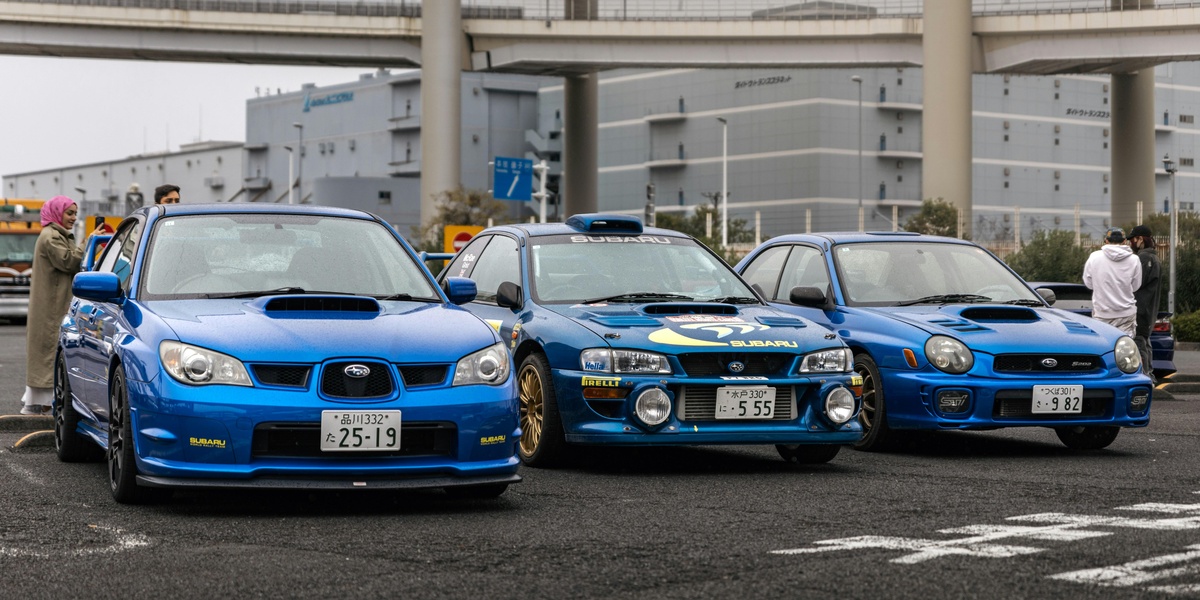
The WRX carries Subaru’s rally roots since 1992. Reliability depends heavily on maintenance and driving style—turbo engines are durable if oil and cooling systems are well kept.
Use cases: a spicy daily driver, weekend canyon carver, or occasional track toy. For used buyers, inspect for evidence of tuning, boost modifications, and consistent oil-change history.
Typical failure points on older turbo models include oil-related wear and cooling components; a conservative, documented service history is a must for long life. Many responsibly driven WRXs exceed 150,000 miles.
8. Subaru Ascent
Introduced in 2018, the Ascent is Subaru’s three-row SUV. Early owners and surveys show steady improvements after the initial production year, making later 2019–2021 models preferable for used shoppers.
Real-world use: family hauling, school runs, and towing small trailers. Early-life checks include transmission software updates and routine electronics recalls that Subaru addressed through service bulletins.
With normal family use and scheduled maintenance, the Ascent can be a durable three-row option for buyers who need space and AWD confidence.
Legacy and Niche Models with Strong Lifespans
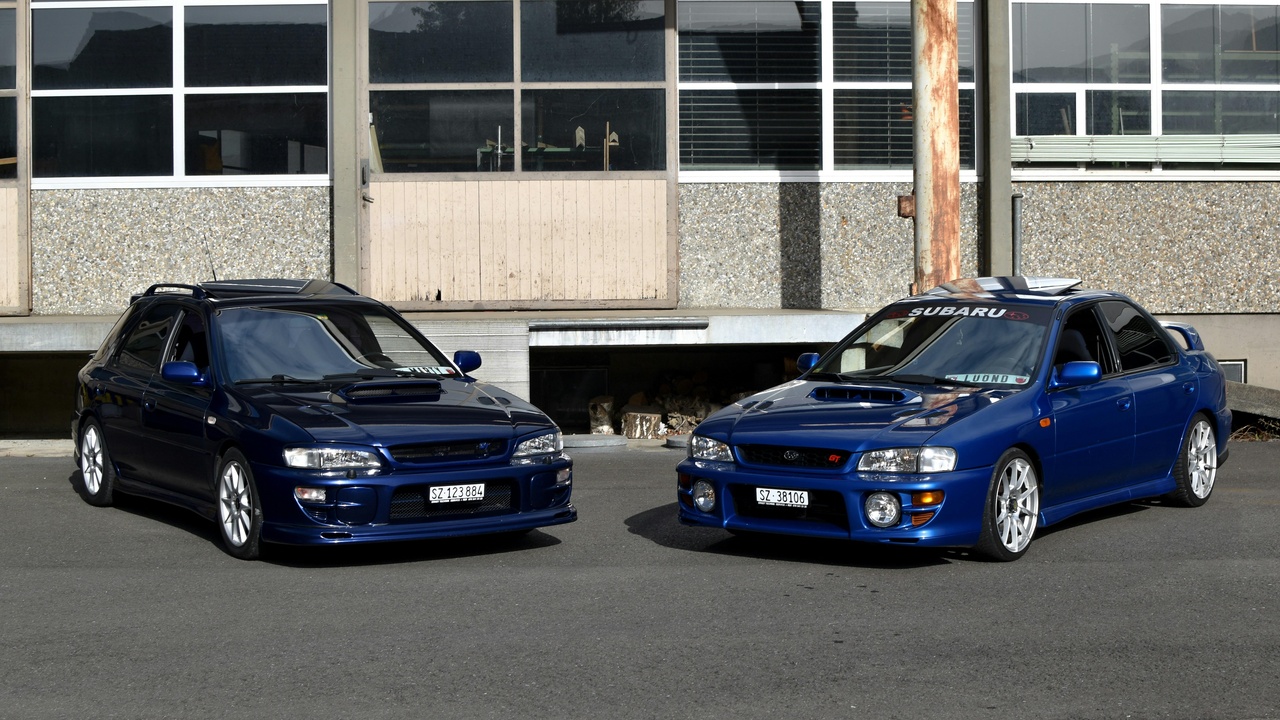
Older or niche Subarus can be gems if you’re willing to check parts availability and maintenance history closely. Enthusiast communities often keep supply chains open for rare models, and documented long-mileage owners are common.
These picks are best for buyers who do pre-purchase due diligence: inspect for rust, confirm parts sources, and read owner forums for model-specific quirks.
9. Subaru Baja
Produced from 2003–2006, the Baja is a quirky small truck-like model with a loyal following. It shares many components with the Legacy and Outback, which helps with parts and repairs.
Good uses: light-duty hauling, camping rigs, and buyers who want something unusual. Many owners report Bajas with 150,000+ miles still on the road.
Pre-purchase checklist: check for rust (especially in northern climates), bed-liner condition, suspension bushings, and verify local parts availability for less-common components.
10. Subaru Tribeca / SVX (niche long-lived options)
Models like the Tribeca (2005–2014) and the older SVX (1991–1996) can be long-lived if they have good service histories. These are best for buyers who can evaluate past repairs and source parts from enthusiast networks.
Real-world use cases include collectors or buyers seeking unique Subarus with robust mechanicals. Well-maintained Tribecas have been documented with 150k–200k miles among private owners; SVXs enjoy strong mechanical reputations among enthusiasts.
Inspection tips: check electronics and infotainment on Tribecas, and confirm availability of rare parts for SVXs. A clear, documented service history usually separates a dependable example from a risky one.
Summary
- Selection criteria: this list weighs long-term owner mileage, reliability surveys, recall and repair histories, and typical maintenance costs to find models that routinely last with routine care.
- Buying tips: verify full service records, check for common weak spots (oil history and cooling on turbo WRXs, timing/engine service on older Outbacks), and prefer later production years that include known running fixes (e.g., 2013+ Crosstrek and Forester).
- Maintenance priorities: stay current with oil changes, follow scheduled fluid and timing-service intervals, inspect suspension and brakes on high-mileage cars, and address small issues early to avoid larger repairs.
- Surprising takeaway: a lot of Subarus—especially Outback, Forester, Impreza, and Legacy models—regularly pass 200,000 miles when owners keep up with routine maintenance.
- How to use this list: prioritize documented maintenance and known-good model years when shopping used, and focus routine service on oil, cooling, and drivetrain care to maximize longevity.

Marco Delantero
More from Marco DelanteroHow we reviewed this article
This article was researched against manufacturer records and editorially reviewed before publishing. We accept no payment for coverage.