
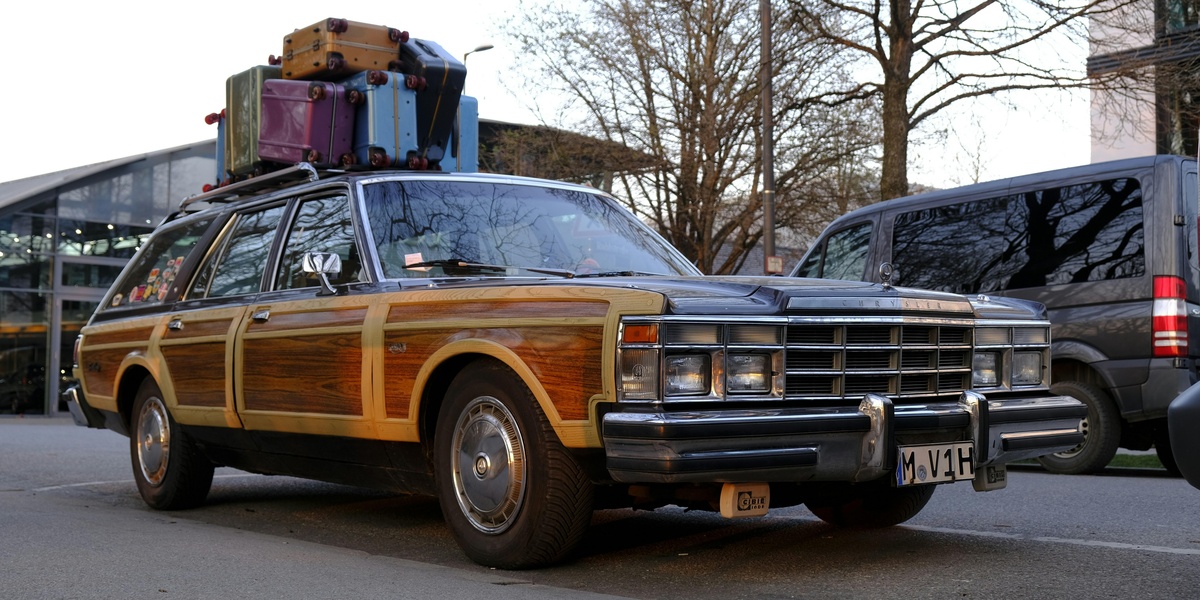
In the 1960s, European automakers popularized the estate/wagon body style as a practical alternative to large sedans — a design that quietly reshaped family transport for decades. That history still matters today because many buyers face a simple choice: do you take the clean lines and trunk of a sedan or the extra utility of a wagon-like car?
Comparing a wagon and a sedan helps typical buyers weigh daily needs—commuting, hauling gear, ferrying kids or pets—against fuel costs and driving feel. Many shoppers assume sedans always win on economy and handling while wagons are niche. The reality is different: wagons combine the day-to-day practicality of small SUVs with the driving dynamics and fuel efficiency of sedans, giving drivers a compelling middle ground in 8 distinct ways.
This article will walk through those 8 advantages grouped into four categories: cargo & practicality, passenger comfort & versatility, performance & driving, and cost & ownership. Along the way you’ll see concrete cargo numbers, model examples (Subaru Outback, Volvo V60, Honda Accord) and practical tips to test-drive for your needs.
Cargo & Practicality Advantages

Wagons expand usable cargo area far beyond a sedan trunk while keeping a car-like profile. That extra usable room and easier loading matters for families, DIYers, and outdoor enthusiasts who need to pack bulky or long items without renting a truck.
1. Bigger, more flexible cargo area than a sedan
Wagons typically provide far more usable cargo space than sedans. Many modern wagons offer roughly 50–75 cubic feet of cargo room with the rear seats folded versus a sedan’s typical 12–16 cubic feet.
That range matters in practical terms: a stroller, flat-pack furniture from a big-box store, or long skis often won’t fit in a mid-size sedan trunk without odd angling or a roof rack. A wagon’s fold-flat seats let you carry a 6–7 foot item inside the car without external mounts.
For example, the Subaru Outback provides around 75 cu ft of cargo volume with the rear seats down while a mid-size sedan like the Honda Accord typically lists about 16 cu ft in the trunk (manufacturer specs). The wagon layout also preserves a low, flat load floor that makes awkward cargo sit flat instead of tilting into the passenger area.
2. Easier everyday loading and roof access
Wagons often have lower liftover heights and wider hatch openings than sedans, which makes routine tasks—groceries, child seats, bulky deliveries—simpler and faster.
Lower liftover height can be a few inches lower than a sedan trunk’s lip on many models, and the wide hatch means you can slide a stroller or a set of grocery bags in with one hand. A lower roof edge also makes mounting a roof box or securing bikes to crossbars easier than on tall SUVs (and often easier than reaching over a sedan roof).
Manufacturers now add convenience features too: hands-free liftgates, integrated tie-down hooks, roof crossbars as factory options, and durable cargo liners. Those accessories speed loading and reduce strain for users who load daily or travel often.
Passenger Comfort & Versatility
Wagons keep much of a sedan’s low center of gravity and ride quality while offering interior versatility that families and pet owners quickly appreciate. Rear-seat space, flexible layouts, and utility features make wagons practical for mixed passenger-and-cargo use.
3. Sedan-like ride with added interior versatility
Wagons typically preserve the low center of gravity and car-like suspension of sedans, so ride comfort and handling remain similar to their sedan siblings. Many wagon variants are built on the same platform and share wheelbase and suspension tuning.
That platform sharing means the extra cargo space rarely forces a compromise on passenger comfort. Rear-seat legroom and headroom often improve thanks to the extended roofline, while ride quality stays familiar for drivers used to sedans.
Consider the Volvo V60 and the Volvo S60: both share underlying architecture and deliver near-identical ride and chassis responses, but the V60 gives more cargo flexibility for family gear without sacrificing comfort for rear passengers.
4. Pet- and family-friendly features built into many wagons
Wagons often include features that appeal directly to families and pet owners: integrated cargo covers, flat load floors, rear sunshades, dog barriers, and multiple anchor points for cargo nets.
There’s a robust aftermarket and OEM ecosystem too—cargo liners, molded trays, and tie-down kits fit many wagons, making them ready for muddy paws or spilled juice. Some manufacturers offer factory cargo mats and built-in hooks as options.
Picture a weekend trip: a stroller and a medium-size dog ride comfortably in the back with a washable liner and tie-downs, while the family still has room for luggage—something harder to achieve in a sedan without external carriers.
Performance & Driving Advantages

Wagons frequently keep a sedan’s driving dynamics while offering practicality, appealing to drivers who want engaging handling without sacrificing utility. That combination makes wagons a favorite among people who drive spiritedly but still need cargo room.
5. Car-like handling, often better than taller SUVs
Wagons retain a low center of gravity and typically exhibit less body roll than SUVs, producing more confident cornering and sharper steering response. Drivers notice the difference on twisty roads or during spirited driving.
Many reviewers highlight lateral stability and better steering feedback in wagons versus compact crossovers. All-wheel-drive wagons like the Subaru Legacy/Outback family balance traction and handling, making them sure-footed in rain or light snow while remaining nimble on pavement.
European touring wagons—think BMW 3-series Touring or Audi A4 Avant—are tuned for chassis balance and ride control, offering dynamics closer to sports sedans but with a practical rear cargo area.
6. Fuel economy and aerodynamics often match sedans
Modern wagons often achieve fuel economy close to their sedan counterparts because they share platforms, engines, and aerodynamic attention. In many cases the fuel-gap is small—often within 0–5 mpg of the sedan sibling (EPA guidance).
Because wagons sit lower and generally have less frontal area than tall crossovers, they can beat SUVs on highway MPG while carrying similar cargo. That makes them a pragmatic choice for buyers who need room but want to avoid higher fuel costs.
In markets where diesel or hybrid wagon options exist (notably Europe), buyers can find even stronger efficiency gains while keeping the carriage advantages of a wagon body style.
Cost & Ownership Advantages

When you factor purchase price, depreciation, insurance, and running costs, wagons can offer strong ownership value—typically undercutting similarly equipped SUVs while providing more utility than sedans.
7. More utility for the money compared with similarly priced SUVs
Wagons often undercut crossovers on price while offering similar or superior cargo capacity and comparable equipment. That means better equipment-per-dollar for buyers who don’t need SUV ground clearance.
MSRP gaps vary by market and trim, but buyers commonly find wagons priced $1,000–3,000 less than comparable compact SUVs when comparing like-for-like options. Lower running costs—smaller tires, lower rolling resistance, and often better fuel economy—also reduce annual expenses.
Remember that AWD or higher trims add cost, but even then a well-equipped wagon frequently compares favorably to a similarly optioned crossover in total ownership costs over the first few years.
8. Resale and insurance can be competitive with sedans
Because wagons are less extreme than large SUVs and often share sedan underpinnings, they can hold value and attract practical used-car buyers. Some wagons show depreciation patterns similar to sedans over a three-year window (Kelley Blue Book analyses).
Insurance classification also tends to align with sedan classes in many regions, which can keep premiums comparable to sedans and lower than some crossovers. Rates vary by market, so it’s smart to get insurance quotes for the specific models you’re considering.
For buyers planning multi-year ownership, consider total cost of ownership—fuel, tires, depreciation, and insurance—rather than sticker price alone. That often favors wagons when they meet your needs.
Summary
Wagons deliver a strong blend of practicality and car-like driving: ample cargo flexibility, comfortable passenger space, engaging handling, and sensible ownership costs. For shoppers torn between a sedan and a taller crossover, a wagon can be the best of both worlds.
- Wagons typically offer far more usable cargo volume (roughly 50–75 cu ft with seats down vs a sedan’s 12–16 cu ft).
- They preserve sedan-like ride and handling thanks to platform sharing (example: Volvo V60 vs S60).
- Lower liftover heights, wider hatches, and accessory options make everyday loading and roof access easier.
- Wagons often match sedan fuel economy within a small margin (frequently within 0–5 mpg) while costing less than comparable SUVs.
Next step: test-drive a wagon and a sedan back-to-back on a real route—load a stroller or a week’s groceries, then drive your commute and a twisty road if possible—to judge cargo practicality and handling for yourself. If those tests matter most to your lifestyle, the wagon may well be the smarter choice.
Other Car Type Comparisons

Marco Delantero
More from Marco DelanteroHow we reviewed this article
This article was researched against manufacturer records and editorially reviewed before publishing. We accept no payment for coverage.