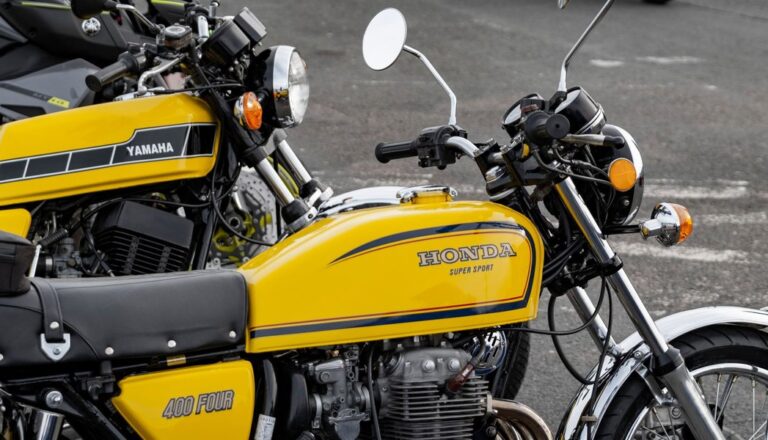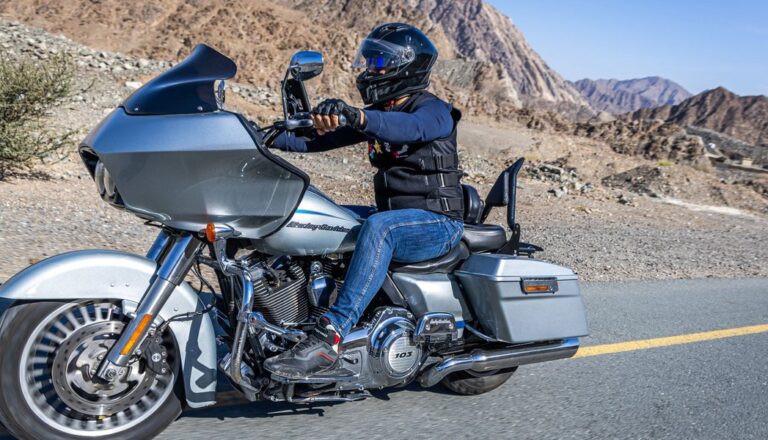

A short history note: the postwar rise of the commuter ‘standard’ motorcycle (1940s–1960s) set the template for a comfortable, upright ride that millions still prefer.
That rise matters because most riders use their machines for commuting, errands, and weekend escapes rather than racetrack runs. Commuters, new riders and casual tourers all benefit from sensible ergonomics, predictable power and straightforward maintenance.
Compared with naked bikes, standard motorcycles typically deliver a more comfortable, practical, and ownership-friendly experience for everyday riders — and here are eight clear reasons why.
Below I’ll run through ergonomics, handling, ownership costs, weather protection and practical examples you can test on a 30–60 minute mixed-traffic loop.
Ergonomics & Everyday Comfort
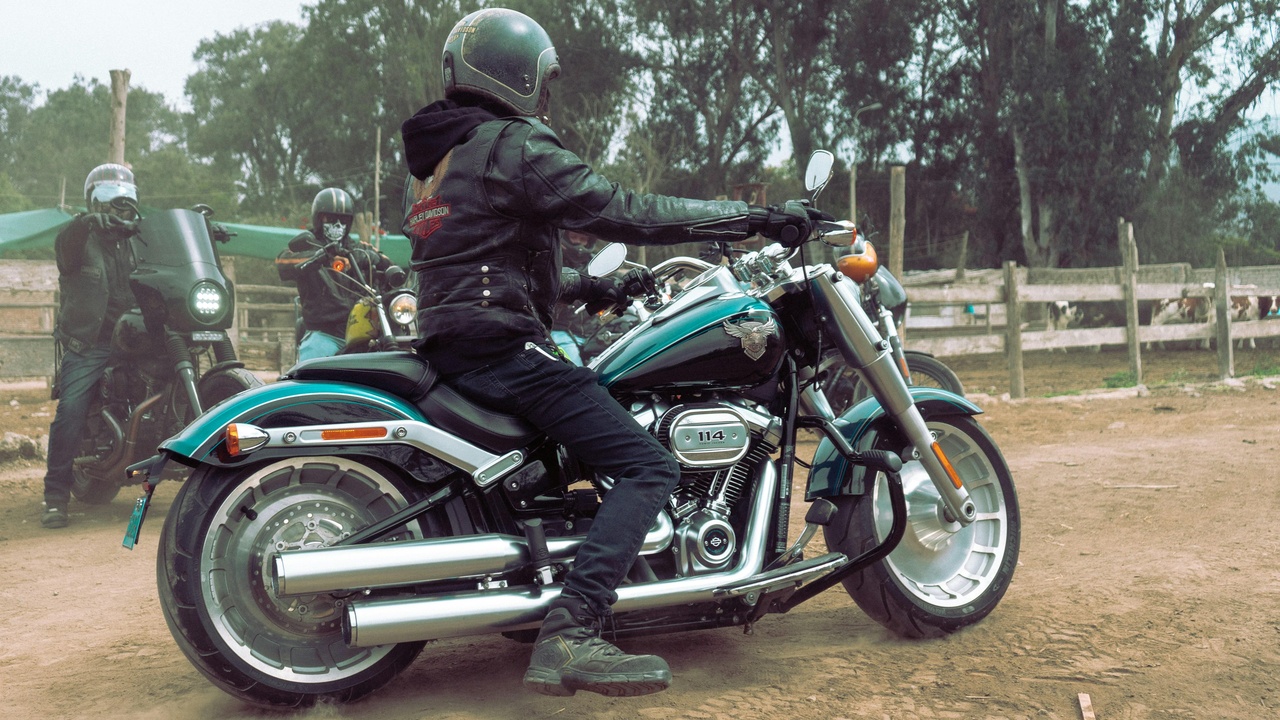
Seating position, handlebar reach and seat shape define how a bike feels after 20 minutes in traffic or two hours on the highway. Classic standards favor a neutral, upright posture that spreads load across the hips and core instead of dumping it onto wrists and neck.
That upright ergonomics reduces fatigue, improves sightlines in traffic and makes low-speed control easier—especially for riders between roughly 160–200 cm tall because many models sit in the 780–820 mm seat-height band.
Examples include the Triumph Bonneville/Street Twin and Honda CB series, both built around comfortable reach and broad, flat seats rather than tucked-in sport geometry.
1. Upright Ergonomics Reduce Fatigue
Standards commonly place the rider in a neutral posture that keeps wrists relaxed and reduces lower‑back strain compared with forward-leaning sport positions.
For example, the Triumph Street Twin’s geometry favors a short reach to the wide bars and a seat around 790 mm, while a sportier naked like the Yamaha MT-07 puts the rider slightly more forward, increasing wrist pressure on long commutes.
That real-world effect means fewer stops to stretch, better visibility in traffic and less fatigue on longer runs—helpful whether you ride 10 miles each way or two-hour countryside loops.
2. Passenger and Luggage Practicality
Standard motorcycles often have flatter, longer seats and stronger subframes that accept racks and pillion pads more easily than tightly packaged naked bikes.
That makes two-up riding more comfortable and lets you fit soft luggage or a Givi top case without fabricating mounts. On models like the Honda CB500X or a Bonneville, OEM and aftermarket racks are straightforward to install.
For everyday use—grocery runs, commuting with a passenger or a weekend kit swap—the standard layout saves time and avoids awkward compromises in saddle space or weight distribution.
Performance, Handling & Rideability
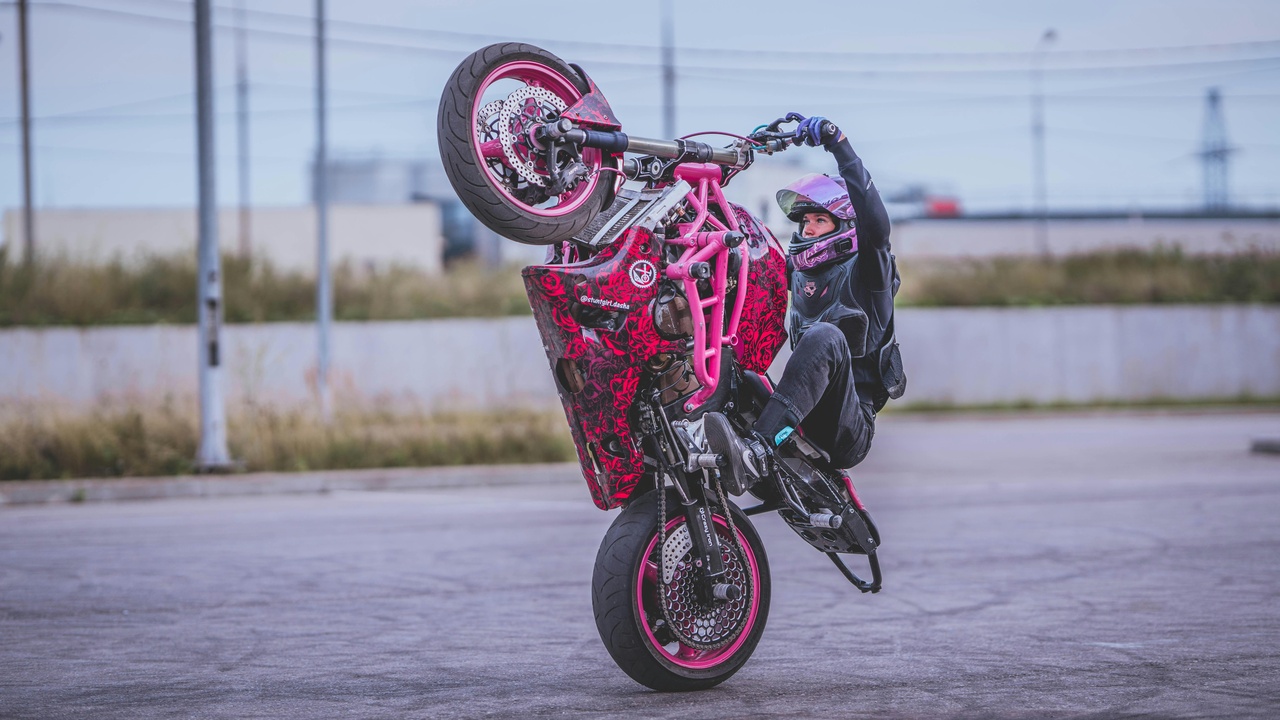
Standards are typically tuned and geometrically arranged for usable power and predictable handling rather than peak lap times. That tuning pays dividends in daily rides where midrange tractability and steady steering matter most.
The standard motorcycle vs naked bike conversation often centers on tradeoffs: naked machines can feel eager and sporty, but standards favor stability and confidence at everyday speeds.
3. Predictable Handling at Low Speeds
Many standards use neutral steering geometry and balanced weight distribution that help at parking-lot speeds, in tight U-turns and during stop-and-go commutes.
Compared with a lightweight, twitchy naked like a KTM Duke, models such as the Suzuki SV650 or midweight Triumph standards feel more planted. That lower‑speed predictability reduces rider stress in urban settings.
4. Balanced Power Delivery for Daily Riding
Standards often prioritize smooth midrange torque and tractability over headline horsepower. Middleweight examples typically sit in the 40–80 hp band with midrange torque figures around 50–70 lb‑ft, giving usable roll-on power rather than abrupt surges.
That smoother delivery (seen on bikes like the Suzuki SV650 and many CB/Kawasaki middleweights) makes traffic threading, lane changes and learner progression easier and more predictable.
Maintenance, Running Costs & Ownership

Simpler bodywork, conventional controls and common parts make many standards cheaper to maintain and repair than high‑end naked or sport machines.
Typical middleweight standards return roughly 50–70 mpg (about 21–30 km/L) depending on riding style, and annual routine servicing often falls in the $200–$600 range for basic upkeep on commuter models.
Those figures translate into lower weekly running costs and smaller insurance-class jumps versus high-performance naked bikes, making standards attractive for budget-conscious owners.
5. Lower Repair & Insurance Costs After Minor Drops
Conventional handlebars, bolt-on mirrors and minimal bodywork reduce repair bills after common low-speed tip‑overs. Mirrors can cost $20–$80, levers $30–$120, and replacing a full fairing (often absent on standards) is far more expensive.
Insurance premiums tend to reflect repairability; plain panels and accessible components usually mean cheaper claims and quicker parts availability than specialized naked or sport pieces.
6. Easier Routine Maintenance and Customization
Standards typically provide easier access to the chain, oil filter and spark plugs, which shortens DIY service time and reduces labor costs at the shop.
Service intervals vary by model, but valve checks and major inspections on many middleweights come around every 6,000–12,000 miles depending on engine type, and common aftermarket upgrades include windshields, heated grips and luggage racks.
The broad aftermarket ecosystem for standard bikes makes tailoring a commuter or light-tourer straightforward and affordable.
Safety, Weather Protection & Versatility
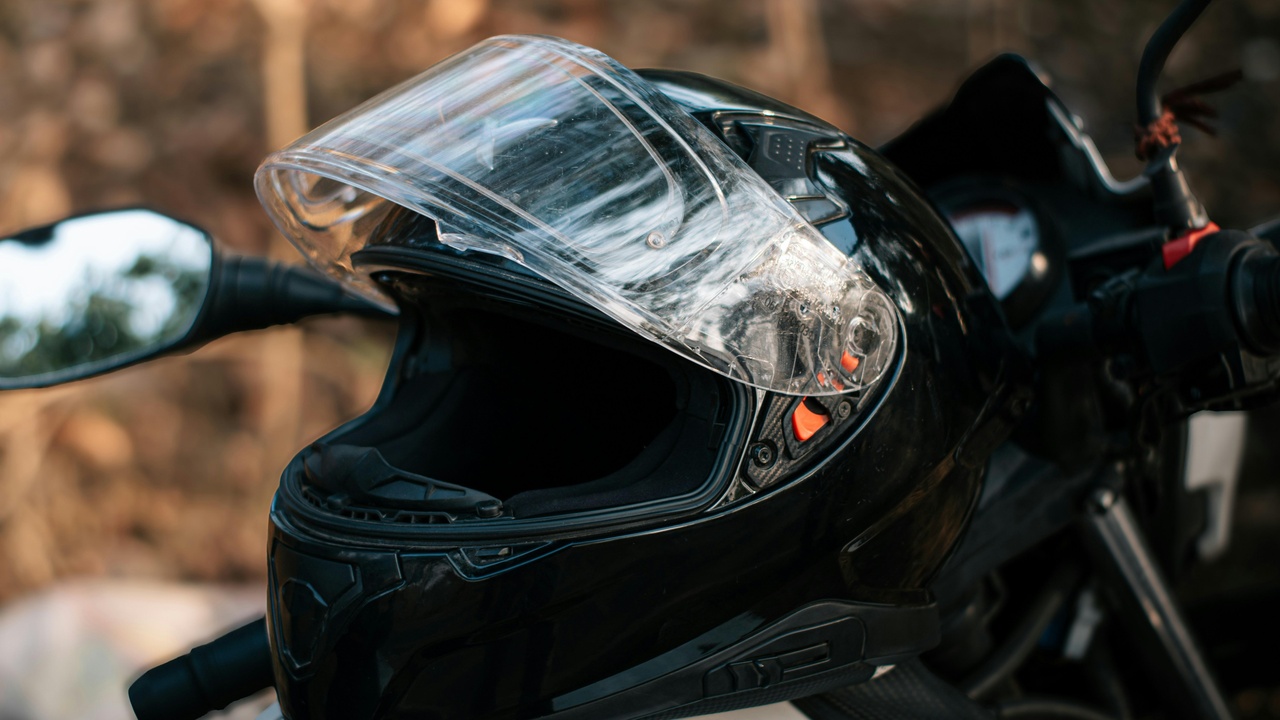
Standards accept small screens and modest fairings that cut windblast, shelter occupants and lengthen comfortable riding time in poor weather. That adaptability raises real-world safety and comfort for commuters and two-up riders.
Models like the Honda CB500X and the Kawasaki Versys family come with or offer accessory screens that reduce fatigue on longer rides and in cold conditions.
7. Better Weather Protection Options
Small windscreens and bolt‑on fairings, common on standards, can cut windblast enough to reduce rider fatigue and heat loss on long runs. While precise reduction varies by screen and rider height, many rider tests report noticeably less neck and shoulder strain with a modest screen fitted.
That makes year-round commuting and occasional wet-weather touring much more bearable without committing to full touring bodywork.
8. Greater Versatility for Mixed Riding
Standards are designed to handle commutes, 50‑mile daily runs and 200‑mile weekend legs with minimal setup changes. A single bike can serve as a city runner during the week and a comfortable companion on two-up weekend trips when fitted with luggage.
For example, a 50‑mile round-trip commute and a 200‑mile country ride are both realistic on bikes like the Honda CB500X or a Triumph Bonneville equipped with a small screen and soft luggage, delivering strong ownership value through true one-bike-does-most-jobs capability.
Summary
- Comfort and upright ergonomics (seat heights around 780–820 mm) reduce fatigue for commuters and casual tourers.
- Predictable midrange performance and stable handling give confidence in traffic and at low speeds.
- Lower running costs—typical fuel economy of 50–70 mpg and annual maintenance often between $200–$600—plus cheaper repair parts make standards economical to own.
- Better weather protection options and a wide accessory ecosystem increase real-world versatility for mixed use and two-up riding.
- Try a 30–60 minute mixed-traffic test ride to compare ergonomics and visibility, and check insurance and maintenance quotes for any models you’re considering.
Other Motorcycle Type Comparisons

Sarah Thornton
More from Sarah ThorntonHow we reviewed this article
This article was researched against manufacturer records and editorially reviewed before publishing. We accept no payment for coverage.