
Italy’s automotive story is full of character, and Alfa Romeo’s older models are a big part of that legacy — from everyday compacts to sporty roadsters that defined eras. Whether you’re browsing for restoration leads or just exploring design evolution, a tidy list makes it easier to see how the marque changed over time.
There are 32 Alfa Romeo Old Models, ranging from 145 to Spider (Duetto). Each entry lists Production years,Body style,Engine (L) / power (hp) so you can quickly compare build periods, body types and engine output — you’ll find the full list below.
How reliable are the production years and engine specifications in this kind of list?
Entries compile factory data, common trim options and widely accepted reference sources, but exact specs can vary by market and special editions; use chassis numbers, factory plates or dedicated marque guides to confirm details for a specific car.
Can this list help me judge a model’s rarity or market value?
The list helps identify models and their basic specs, but rarity and value depend on production totals, surviving examples, condition and provenance — check specialist registries, auction results and condition reports for accurate valuation.
Alfa Romeo Old Models
| Model | Production years | Body style | Engine (L) / power (hp) |
|---|---|---|---|
| RL | 1922–1927 | tourer,saloon,coupe | 3.0 L / 70 hp |
| 6C 1500 | 1927–1929 | tourer,coupe | 1.5 L / 60 hp |
| 6C 1750 | 1929–1933 | sports,coupe | 1.8 L / 85 hp |
| 6C 2500 | 1938–1952 | coupe,spyder,saloon | 2.5 L / 95 hp |
| 8C 2300 | 1931–1934 | racing,sports,coupe | 2.3 L / 145 hp |
| 8C 2900 | 1936–1939 | racing,coupe,spyder | 2.9 L / 180 hp |
| 1900 | 1950–1959 | sedan,coupe,spyder | 1.9 L / 90 hp |
| Giulietta (1954) | 1954–1965 | coupe,sedan,spider | 1.3 L / 80 hp |
| Giulietta (1977) | 1977–1985 | hatchback,saloon | 1.3 L / 75 hp |
| Giulia | 1962–1978 | sedan,coupe,estate | 1.6 L / 112 hp |
| Giulia Sprint GT | 1963–1976 | coupe | 1.6 L / 106 hp |
| Spider (Duetto) | 1966–1994 | convertible | 1.6 L / 108 hp |
| 2600 | 1962–1968 | sedan,coupe,spyder | 2.6 L / 145 hp |
| 33 Stradale | 1967–1969 | coupe,spyder | 2.0 L / 230 hp |
| Montreal | 1970–1977 | coupe | 2.6 L V8 / 200 hp |
| Alfetta | 1972–1987 | sedan,coupe | 1.8 L / 118 hp |
| Alfetta GT/GTV | 1974–1987 | coupe | 2.0 L / 118 hp |
| Alfa 6 | 1979–1986 | sedan | 2.5 L V6 / 160 hp |
| 33 | 1983–1995 | hatchback,estate | 1.3 L / 73 hp |
| 75 (Milano) | 1985–1992 | sedan | 2.5 L V6 / 160 hp |
| SZ (Sprint Zagato) | 1989–1991 | coupe | 3.0 L V6 / 205 hp |
| RZ | 1992–1994 | targa,coupe | 3.0 L V6 / 205 hp |
| 155 | 1992–1997 | sedan | 2.0 L / 150 hp |
| 164 | 1987–1997 | sedan | 3.0 L V6 / 200 hp |
| 145 | 1994–2000 | hatchback | 1.6 L / 103 hp |
| 146 | 1995–2000 | hatchback | 1.6 L / 103 hp |
| 156 | 1997–2005 | sedan | 2.0 L / 150 hp |
| Giulietta Spider (Sprint Veloce) | 1956–1962 | convertible | 1.3 L / 90 hp |
| 1900 Sprint | 1954–1959 | coupe | 2.0 L / 115 hp |
| Giulia GT Junior | 1965–1977 | coupe | 1.3 L / 92 hp |
| 2600 Spider | 1962–1968 | convertible | 2.6 L / 145 hp |
| Giulia Sprint Speciale | 1963–1965 | coupe | 1.6 L / 106 hp |
Images and Descriptions

RL
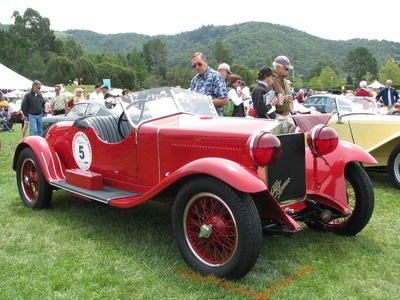
Large touring and prestige model from Alfa’s early era offered as saloon, torpedo and coupe. Noted for its straight-six engine and coachbuilt bodies, the RL earned racing success in the 1920s and helped establish Alfa’s sporting reputation.
6C 1500
One of Alfa’s first six-cylinder road cars, the 6C 1500 combined lightweight chassis and sporting coachwork. It launched the long‑lived 6C lineage, won hillclimbs and became a favorite for bespoke Zagato and Touring bodies.
6C 1750
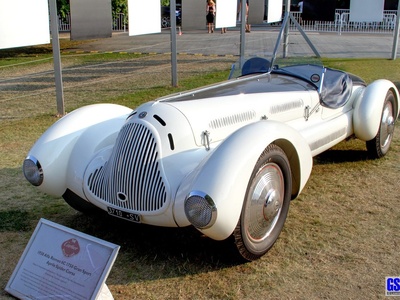
The 6C 1750 brought twin‑cam performance to Alfa’s sporting line, achieving racing victories and popular coachbuilt variants. Known for vigorous torque and elegant bodies, it’s a milestone pre‑war model prized by collectors.

6C 2500
The 6C 2500 bridged pre‑ and post‑war Alfa production with advanced twin‑cam engines and luxury coachwork. Offered in coupe and spider forms, it underpinned Alfa’s reputation for refined performance in the 1940s and early 1950s.
8C 2300
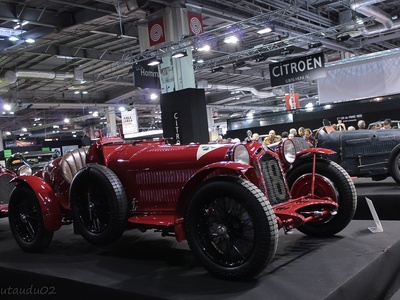
A dominant pre‑war racing car, the 8C 2300 won Le Mans and major international events. Its supercharged straight‑eight delivered exceptional performance and its coachbuilt variants remain among the most desirable classic Alfas.
8C 2900
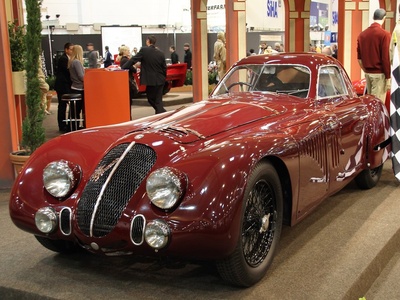
The 8C 2900 is a pre‑war masterpiece with advanced overhead cam engines and lightweight chassis. Limited production, striking coachbuilt bodies and race success make it one of Alfa’s most revered collector cars.
1900
Alfa’s postwar modernizer, the 1900 blended mass‑production with sporting intent. Offered as Berlina, Sprint coupe and Spider, it introduced unitary construction and twin‑cam engines, influencing Alfa design through the 1950s.
Giulietta (1954)
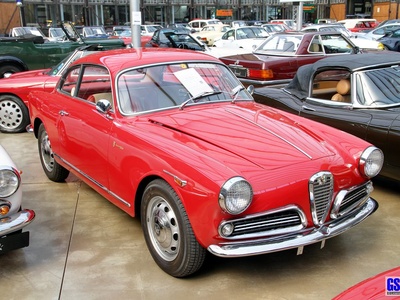
A compact breakthrough, the Giulietta combined a lively twin‑cam engine with handsome Pininfarina styling. The Sprint coupe and Spider made it iconic, launching Alfa’s postwar sporting family car tradition and wide global appeal.
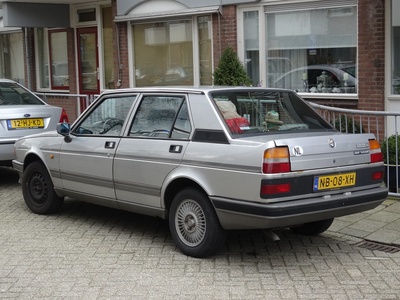
Giulietta (1977)
The 1970s Giulietta rebooted the name as a practical small family car with front‑wheel drive. Popular in Europe, it offered efficient engines and simple styling, representing Alfa’s mainstream offering in the late 1970s and early 1980s.
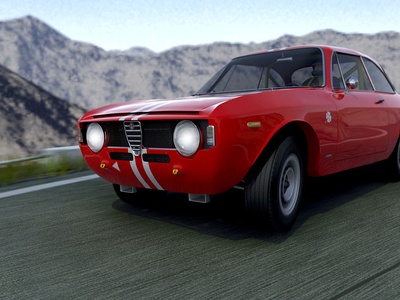
Giulia
The Giulia Berlina combined lightweight chassis, crisp handling and a punchy twin‑cam engine. Racing versions and the sporty Ti variants cemented its performance image; its clean lines and driver focus made it a 1960s icon.
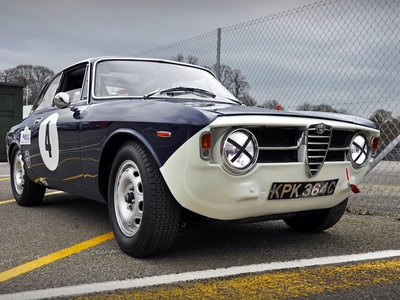
Giulia Sprint GT
The Giulia Sprint GT and GTV coupes are celebrated for their balanced handling, Zagato‑style proportions and potent twin‑cam engines. Coachbuilt bodies, racing success and timeless design make them pillars of Alfa’s 105/115 series legacy.
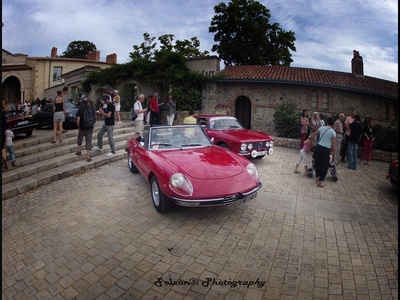
Spider (Duetto)
Launched as the Duetto Spider, this elegant two‑seater combined Pininfarina styling with lively twin‑cam engines. Long production run and multiple series cemented its place as Alfa’s quintessential roadster for generations of enthusiasts.
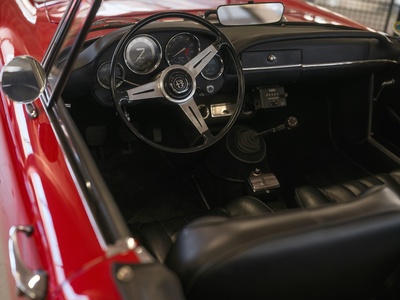
2600
The 2600 was Alfa’s larger, more luxurious model in the 1960s with straight‑six engines and refined interiors. Available as Berlina, Sprint coupe and Spider, it offered grand touring comfort with authentic Alfa performance.

33 Stradale
A rare mid‑engined road‑legal sports car derived from Alfa’s racing 33, the Stradale paired exotic looks with a high‑revving V8‑like flat‑four, superb handling and extremely limited production, making it a blue‑chip collectible.

Montreal
The Montreal is a late‑1970s halo car with a V8 derived from racing development, flamboyant design and high performance. Initially a concept, its production coupe became an Alfa icon noted for style and rarity.
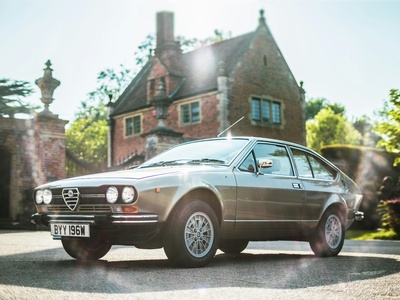
Alfetta
The Alfetta introduced a transaxle layout for balanced handling and became a sporting family sedan. Known for sharp dynamics, gearbox‑rear differential design and motorsport success, it spawned coupe and saloon variants.
Alfetta GT/GTV
The Alfetta GT and GTV coupes combined elegant Bertone styling with the Alfetta’s engineered balance. They offered sporting engines and refined chassis tuning, becoming keenly sought by drivers seeking classic Alfa handling.
Alfa 6
The Alfa 6 was a flagship executive saloon with a distinctive V6, advanced features and refined road manners. While not a sales blockbuster, it represented Alfa’s ambition in the luxury performance segment of the early 1980s.
33
A practical compact from the 1980s and early 1990s, the 33 combined nimble handling with a range of petrol engines. It served as an affordable Alfa with sporty driving character and multiple body styles, including estate.
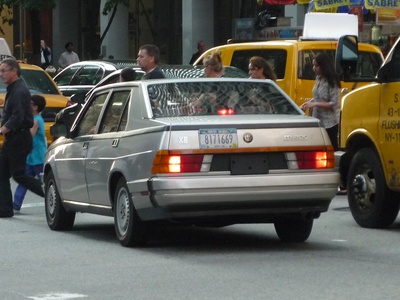
75 (Milano)
Known as the Milano in some markets, the 75 celebrated Alfa’s 75th anniversary with a rear transaxle layout and V6 power. It offered sharp dynamics, motorsport versions and became a memorable 1980s Alfa saloon.
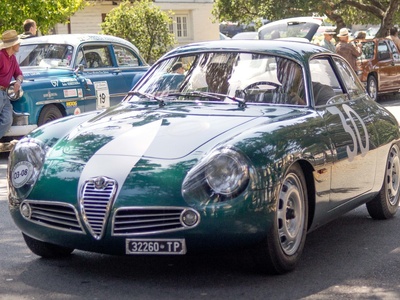
SZ (Sprint Zagato)
A limited‑run, angular Zagato‑designed coupe, the SZ paired a stout V6 with unique composite bodywork and aggressive styling. Its rarity, vivid handling and strong visual identity make it a collectible Alfa of the 1990s.
RZ
The RZ (Roadster Zagato) was a limited targa produced with Zagato, sharing mechanicals with the SZ but with open‑top character. Its exclusivity and raw driving feel attract collectors seeking 1990s Alfa eccentricity.
155
The 155 combined modern aerodynamic design with competitive touring car success in the 1990s. Popular in Europe, it offered sharp handling, multiple engines and homologation specials that underline Alfa’s motorsport heritage.
164
A flagship front‑wheel‑drive executive saloon of the late 1980s and 1990s, the 164 featured Fiat‑Alfa engineering, V6 refinement and distinctive Pininfarina styling. It blends comfort with sporting intent and period technology.
145
The 145 compact hatchback brought Alfa styling and driving flair to the small car market in the mid‑1990s. With sharp handling and practical packaging, it remains a recognized model from Alfa’s modern classic era.
146
Sibling to the 145, the 146 offered five‑door practicality with similar mechanicals and typical Alfa handling. It appealed as a family hatch with sporting credentials and late‑90s Alfa design cues.
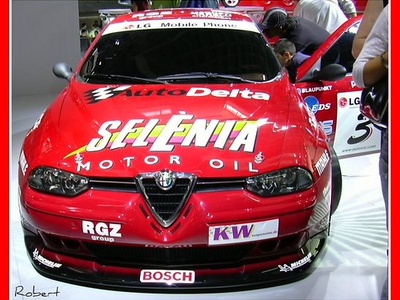
156
Introduced in 1997, the 156 quickly became a modern classic for its striking design, balanced chassis and award‑winning handling. Early production before 2000 qualifies it as an “old” Alfa and a turning point in the brand’s revival.
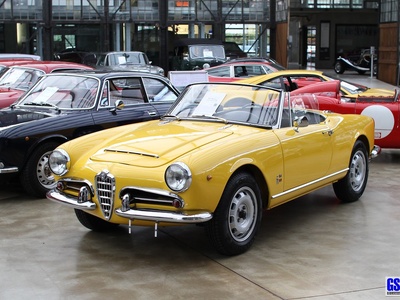
Giulietta Spider (Sprint Veloce)
A sportier Giulietta spider variant with tuned engines and lightweight bodywork, the Sprint Veloce delivered lively performance and open‑top charm. It exemplifies Alfa’s small sports car tradition and coachbuilt appeal.
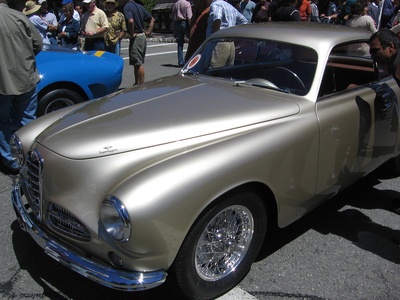
1900 Sprint
The 1900 Sprint coupe paired elegant Pininfarina coachwork with Alfa’s twin‑cam engine, offering spirited touring performance and racing derivatives. It’s a stylish mid‑century Alfa that bridged luxury and sport in the 1950s.
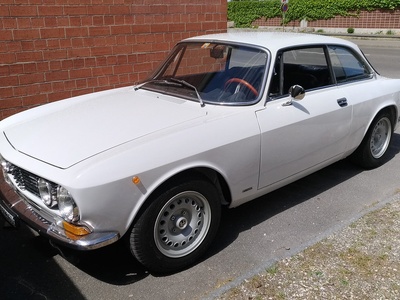
Giulia GT Junior
The Giulia GT Junior was a lighter, affordable coupe variant of the Giulia GT, beloved for its nimble handling and classic coupé lines. It’s a popular entry point for enthusiasts restoring 1960s Alfas.
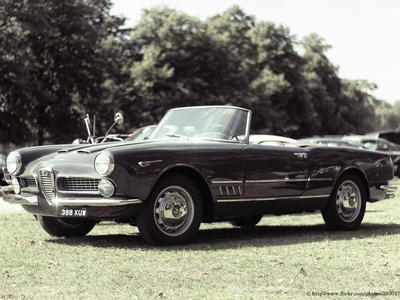
2600 Spider
The 2600 Spider offered six‑cylinder refinement in an elegant drop‑top package, often clothed in Pininfarina or Touring coachwork. Its blend of comfort and performance makes it a distinguished GT classic.
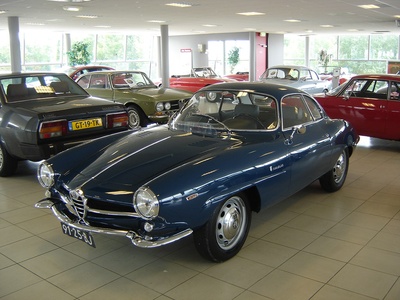
Giulia Sprint Speciale
The Sprint Speciale featured highly aerodynamic Bertone bodywork and tuned twin‑cam power. Built in limited numbers, its sleek profile and focused chassis make it a cherished variant among Giulia coupe collectors.

Marco Delantero
More from Marco DelanteroHow we reviewed this article
This article was researched against manufacturer records and editorially reviewed before publishing. We accept no payment for coverage.