By 2008 the U.S. auto market had been reshaped by new designs, halting legacy lines, and an electric upstart — all while several American models defined what a 2000s car could be. The decade mixed nostalgia (a 2005 Mustang redesign that reset the pony-car conversation), bold new luxury cues, and the emergence of a highway-capable EV with the Tesla Roadster debuting in 2008.
This guide spotlights the 10 best american cars of the 2000s — models that combined design, performance, technology, or cultural impact and still influence car culture today. Why care? If you’re shopping used, collecting, or trying to understand how today’s SUVs, muscle cars, and EVs evolved, these ten models show the main currents of the decade.
Each entry below gives a short rationale, key specs (production years, engine/power, 0–60 where relevant), and the real-world significance that keeps these cars relevant now.
Performance and Sports Cars
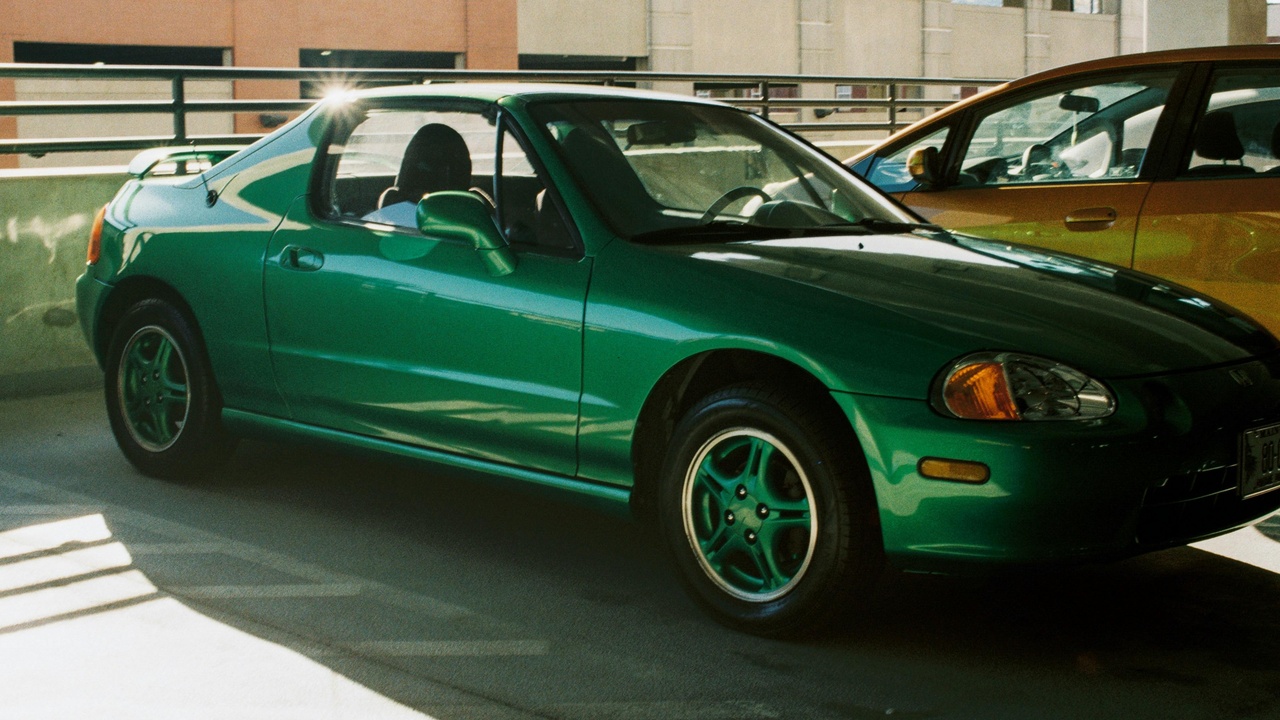
The 2000s were a renaissance for American performance: heritage nameplates came back with modern engineering, horsepower climbed across the board, and a few halo cars reminded the world that Detroit could still build serious sports machinery.
Designers leaned into retro styling while chassis and engine tech improved handling and reliability. Limited-run halo cars and high-performance variants — often used to burnish a brand’s image — became part of the decade’s story (sources: Car and Driver; Motor Trend).
1. 2005 Ford Mustang (S197) — The modern pony’s revival
The 2005 Mustang belongs here because it was the first all-new Mustang since 1994 and re-centered the model’s identity with retro cues and modern engineering. The S197 platform brought updated suspension geometry and independent rear suspension on later variants, improving handling over the prior generation.
The GT used a 4.6L V8 making roughly 300 hp and about 320 lb-ft of torque (manufacturer spec). Typical 0–60 times for GTs settle in the ~5.0–6.0 second range depending on transmission and year (road-test results vary by source).
Trim breadth (base, GT, and higher-performance SVT Cobra) gave buyers a lot of choice, and the strong used-market values show how the S197 convinced both mainstream and enthusiast buyers that Mustang still mattered.
2. 2005 Chevrolet Corvette C6 — Accessible American supercar
When the C6 arrived for 2005 it cleaned up the Corvette’s look, improved packaging, and modernized the small-block V8 lineup. The base 2005 Corvette shipped with the LS2 6.0L V8 producing about 400 hp.
For track-focused buyers, the 2006 Z06 introduced the naturally aspirated 7.0L LS7 making roughly 505 hp, which pushed 0–60 into the mid-3s for that trim. That power-to-cost ratio kept the C6 competitive with much pricier exotics (road-test comparisons, manufacturer specs).
Lightweight variants, coupe versus convertible options, and strong track-day performance made the C6 a favorite among drivers who wanted supercar pace without supercar pricing, and collectors have warmed to the Z06 and limited editions.
3. Dodge Viper SRT-10 (2002–2006) — Raw, unmistakable American power
The Viper SRT-10 embodied a simple, visceral philosophy: a huge V10, minimal electronic nannying, and pure driver focus. In the early 2000s SRT-10 variants typically used an 8.3–8.4L V10 producing roughly 500–510 hp and very high torque figures.
With focused track editions (ACR) and a coupe option, the Viper was fast in a straight line and brutally honest on a road course. Expect 0–60 times in the neighborhood of four seconds, with handling that rewarded skilled drivers (verify specific hp/torque against manufacturer data).
Beyond lap times, the Viper served as a halo for Dodge, proving the company could build an uncompromising performance car and giving collectors a distinctive, limited-market icon.
4. 2005–2006 Ford GT — Halo supercar and engineering showcase
The Ford GT was a deliberate homage to the GT40 and a limited-production statement piece that showcased Ford engineering. Built in the mid-2000s, it used a mid-engine layout and a supercharged 5.4L V8 that produced around 550 hp (manufacturer specs vary slightly by model year).
With roughly 0–60 times in the mid-3-second range and total production in the low thousands (about 4,000 units across the run), the GT created a lasting halo effect for Ford and remains highly collectible compared with many contemporaries.
It proved that an American marque could deliver supercar-level performance and craftsmanship while referencing motorsport history in a way that appealed to buyers and collectors alike.
Trucks and SUVs: Capability Meets Cultural Dominance
Trucks and SUVs ruled the 2000s U.S. market, not just in sales but in cultural presence. These vehicles redefined towing, payload expectations, and family transport while adding creature comforts that made them everyday choices beyond work sites.
Across the decade manufacturers added better ride quality, improved safety features, and more powerful engines (including diesel options for HD models), which broadened their appeal from commercial fleets to suburban families.
5. 2004 Ford F-150 — America’s perennial best-seller
The 2004–2008 F-150 generation was significant because Ford updated chassis and powertrain choices for better capability and comfort. The refresh made the F-150 feel more modern while keeping its work-truck bona fides intact.
Common engines included V6 and V8 choices, with the 5.4L Triton V8 a popular pick in higher trims. Towing capacity for half-ton F-150s varied by configuration but commonly ranged from about 5,000 to 8,500 lbs depending on axle ratio and equipment.
Trim levels (XL, XLT, Lariat and higher) plus option packages let buyers tailor trucks to job-site duty, family hauling, or a lifestyle role — a reason the F-150 repeatedly topped U.S. sales charts.
6. Chevrolet Silverado (2000s) — Durable workhorse
Throughout the 2000s the Silverado earned a reputation for toughness and fleet use, especially with heavy-duty 2500/3500 models. GM offered a broad range of powertrains, including V8 gasoline and Duramax diesel engines for HD work.
Diesel HD trims delivered high torque numbers (often several hundred lb-ft, varying by engine and year) and towing/payload capabilities that made Silverados common in contractor and commercial fleets. That durability helped the Silverado stay in heavy use well into high-mileage territory.
For buyers who needed straightforward utility and long service life, the Silverado was a go-to choice and a frequent sight as a work truck across North America.
7. 2005 Jeep Grand Cherokee (WK) — Off-road credibility with refinement
The 2005 Grand Cherokee (WK) struck a balance that mattered: genuine off-road hardware combined with improved interior refinement and highway manners. Jeep kept systems like Quadra-Drive II for capable four-wheel drive and offered Hemi V8 power for towing and performance.
The 5.7L Hemi produced roughly 330–345 hp depending on year and tune, while the later SRT8 (introduced mid-decade) added a true performance variant for buyers wanting muscle-car pace in an SUV package.
Families who tow, weekend adventurers, and buyers seeking a recognizable off-road pedigree found the Grand Cherokee compelling because it offered both capability and a more comfortable cabin than earlier models.
Luxury, Technology, and Iconic Design
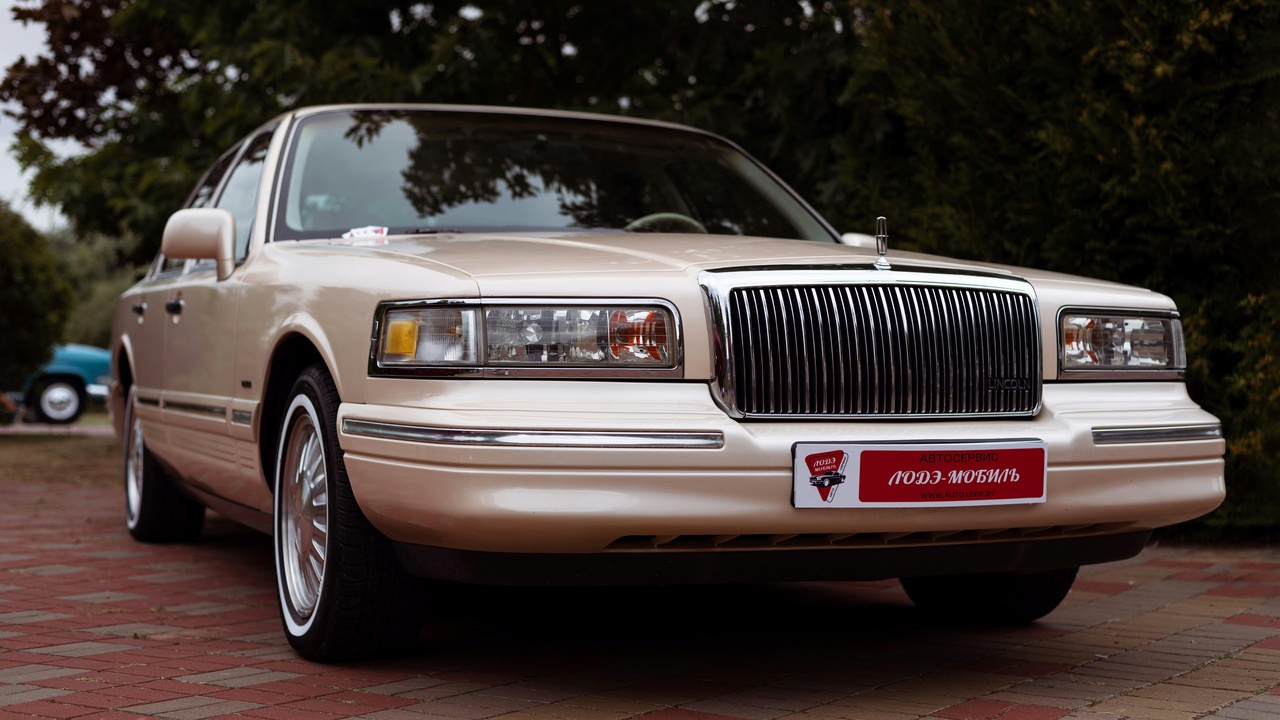
The 2000s pushed American brands into sharper styling and new technology. Cadillac led a design renaissance, Chrysler surprised with bold, divisive looks, and Tesla’s early electric sports car reset expectations about EV performance.
Safety and infotainment features such as stability control and more sophisticated audio/navigation systems moved from premium options into mainstream trims, changing buyer expectations for comfort and tech.
8. 2003 Cadillac CTS — Design direction and driver focus
The 2003 CTS marked Cadillac’s new design language with sharper creases, a driver-focused cockpit, and a sportier chassis intent. It shifted the brand toward European-influenced handling and styling, and critics often pointed to the CTS as a wake-up call for American luxury design.
Performance variants like the CTS-V added serious power to the lineup; early V models pushed V8 output into the high hundreds in later years, while initial V versions offered roughly 400 hp in some trims (verify exact figures by model year).
As a package, the CTS helped Cadillac win new shoppers who wanted a performance-minded luxury sedan rather than the softer ride that had defined the brand for decades.
9. 2008 Tesla Roadster — Electric performance arrives
The 2008 Tesla Roadster is best thought of as a milestone: the first production EV that made sports-car performance plausible for everyday roads. Tesla’s early Roadster used a lithium-ion battery pack and a single-motor drivetrain that delivered sports-car acceleration.
Tesla quoted 0–60 times in the high 3s to low 4s and claimed ranges in the neighborhood of 200–250 miles depending on the battery and model year. Those numbers changed public perception about what electric vehicles could do on performance metrics and range.
Beyond the raw specs, the Roadster created brand recognition and paved the way for broader EV adoption by proving lithium-ion packs could power a desirable performance car.
10. 2005 Chrysler 300 — Bold design and mainstream charisma
The 2005 Chrysler 300 arrived with polarizing but effective styling that revived interest in full-size American sedans. The 300C trim offered a 5.7L Hemi V8 producing roughly 340 hp, giving the car genuine straight-line performance and showroom appeal.
Its distinctive, upright face and roomy interior made the 300 a common sight in media and fleet sales, while the Hemi-equipped versions attracted enthusiasts and modifiers who appreciated a solid platform for upgrades.
For buyers who wanted presence as much as performance, the 300 provided an affordable way to stand out without moving into European-priced territory.
Summary
- Design and nostalgia mattered: retro revivals like the 2005 Mustang and bold restyles such as the Chrysler 300 reshaped buyer expectations.
- Performance diversified: from accessible supercars (Corvette C6) to raw V10 power (Viper) and limited-run halo cars (Ford GT), American marques showed both breadth and ambition.
- Utility won the market: trucks and SUVs evolved into comfortable, tech-rich daily vehicles while keeping tow and payload capabilities that defined the decade.
- Electrification began in earnest: the 2008 Tesla Roadster demonstrated EVs could deliver true sports-car performance and started a chain reaction that still matters today.
- Final thought: if you’re looking at the used market, research histories (VIN checks, maintenance records), test-drive likely examples, and weigh long-term value versus collectibility when shopping for the best american cars of the 2000s.

Marco Delantero
More from Marco DelanteroHow we reviewed this article
This article was researched against manufacturer records and editorially reviewed before publishing. We accept no payment for coverage.