

10 Benefits of Gas Cars
When the Ford Model T rolled off the assembly line in 1908, it helped put motorized transportation within reach of ordinary people—an industrial shift that shaped a century of mobility. That legacy helps explain why the advantages of gasoline vehicles still matter: for many drivers they deliver lower purchase prices, predictable refueling, and broad capability.
This article lays out 10 concrete benefits grouped into economic, infrastructure/convenience, performance, and maintenance/market categories so you can weigh what matters most. For context, the average new-vehicle transaction price hovered near $48,000 in 2023 (Kelley Blue Book), a useful benchmark when comparing entry-level gasoline models to many battery-electric vehicles (Kelley Blue Book, 2023).
Economic advantages
Affordability drives a lot of vehicle decisions. Lower upfront MSRPs, a deep used-car supply, and broad financing options make gasoline cars attractive to budget-minded buyers and fleet managers alike.
1. Lower upfront purchase price
Many mainstream gasoline models come with significantly lower entry prices than comparable electric models. That gap often ranges from roughly $10,000–$20,000 for small- to midsize segments, depending on options and incentives.
Lower MSRPs translate directly into smaller loans and lower monthly payments. For example, a $25,000 gas compact versus a $40,000 EV (after rebates) can reduce a 60‑month payment by several hundred dollars per month at typical APRs—making reliable mobility accessible for more households (sample amortization depends on lender terms).
2. Larger and more liquid used-car market
Gasoline vehicles dominate the used-car supply, which makes it easier to find specific years, trims, and price points. In the U.S., tens of millions of used vehicles change hands annually, supporting high inventory at franchised dealerships and online marketplaces (NADA/Bureau of Transportation Statistics).
That liquidity benefits buyers and sellers: resale and trade-in channels are well‑established (certified pre-owned programs from Toyota, Honda, Ford are common), and older, reliable models such as the Honda Civic and Toyota Camry are widely available at lower price points.
3. Flexible financing and lower insurance premiums in some cases
Smaller loan amounts from lower purchase prices widen lender options and make qualification easier for first-time buyers. Lenders offer a broader set of terms for mass-market gasoline models than for pricier EVs.
Insurance often tracks replacement cost and parts availability. Because gasoline cars typically cost less to replace and repair, premiums for comparable trims can be lower—though exact rates vary by carrier, model, and region (insurance-industry data varies by insurer).
As an illustration: financing a $25,000 vehicle at 5% APR over 60 months yields a monthly payment roughly in the low-$400s; the same term on a $40,000 purchase pushes payments into the mid‑$700s (sample calculation, illustrative only).
Refueling convenience and infrastructure
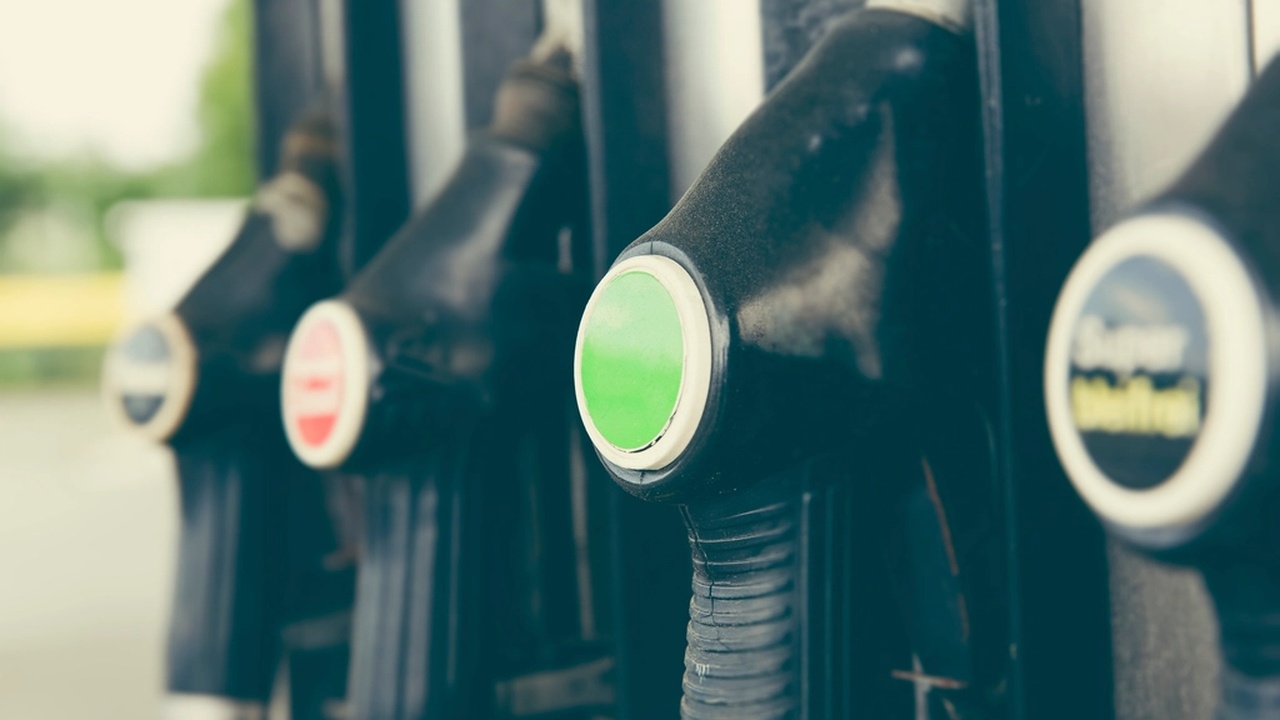
For many drivers, the time and reliability of refueling are decisive. Gas stations are widely distributed, pumps fill a tank in minutes, and highway corridors are planned around regular fueling stops—factors that reduce trip planning and downtime.
4. Widespread fueling infrastructure
Retail fueling networks are extensive: the U.S. has on the order of ~150,000 retail fueling stations (NACS), with dense coverage in urban areas and many rural corridors too.
That reach matters for drivers outside dense metro regions. Independent and branded stations provide choice and competition, and their geographic spread supports emergency services, commercial fleets, and road trips without special planning.
5. Fast refueling and long driving range
Filling a gasoline tank typically takes about 5–10 minutes at a conventional pump (typical customer experience; fueling speed varies by station and payment method). Many gasoline vehicles offer single-tank ranges of 300–500 miles depending on tank size and efficiency.
For example, a midsize sedan with a 15‑gallon tank and ~30 mpg combined can theoretically cover roughly 450 miles between fills—minimizing stops on long drives and reducing the need to schedule time at chargers.
6. Easier long-distance and remote-area travel
In areas with sparse public charging, gasoline remains the pragmatic choice. Remote deliveries, emergency response units, and overland travelers depend on predictable access to liquid fuel rather than locating fast chargers.
Commercial fleets that operate in rural regions often keep internal‑combustion vehicles for this reason; the combination of network coverage and quick refuels reduces operational complexity and downtime.
Performance and capability
Gasoline powertrains cover a broad performance spectrum—from efficient commuters tuned for economy to high‑revving sports cars and heavy-duty work trucks. That versatility is one reason enthusiasts and many commercial users still favor internal‑combustion engines.
7. Superior towing and payload for many trucks and SUVs
Full‑size gasoline trucks often deliver high towing and payload figures. Certain Ford F‑150 configurations, for instance, are rated for towing in excess of 14,000 lbs depending on engine and equipment (Ford manufacturer specs).
That continuous, predictable power and the mature accessory ecosystem (hitches, brake controllers, weight-distribution systems) make gasoline trucks common for towing boats, horse trailers, and construction gear across long distances.
8. Broad performance range—from efficient commuters to high-power sports cars
Gas engines span from small, fuel‑efficient four‑cylinders to high‑revving V6s and V8s that deliver character and outright speed. That breadth supports drivers who want economy and those who want performance—often within the same manufacturer line-up.
Think mainstream icons such as the Porsche 911 or Ford Mustang for spirited driving, and efficient hatchbacks like the Honda Civic for daily commuting—both demonstrate how gasoline powertrains meet widely different needs.
Maintenance, repairability, and market flexibility
A mature service ecosystem—lots of independent shops, widespread parts suppliers, and large aftermarket communities—keeps ownership practical and often less costly for gasoline vehicles.
9. Mature repair network and easier servicing
Technicians have decades of experience with internal‑combustion systems. In the U.S., there are hundreds of thousands of service outlets, and organizations such as ASE report large numbers of certified technicians, which shortens wait times and increases choice for owners (ASE/industry data).
Routine maintenance—oil changes, brake service, tire rotations—can often be done quickly at local shops or dealer service centers, keeping downtime low for commuting and small businesses.
10. Robust aftermarket and easier DIY repairs
Aftermarket parts for brakes, filters, batteries, and suspension are widely available from major suppliers (Bosch, Denso) and online retailers, which makes DIY maintenance and independent shop repairs cost‑effective.
Common parts costs are illustrative: an oil filter and basic oil change parts can run under $50 for many models; brake pads typically range from roughly $80–$250 per axle depending on vehicle and quality—savings that add up over multiple service cycles (parts-market examples).
Enthusiast and model‑specific forums also provide repair guides and troubleshooting tips that lower barriers for owners who like to work on their cars.
Summary
Gasoline-powered cars remain a practical choice for many drivers because they combine affordability, fast and plentiful refueling, broad performance, and a mature service and parts ecosystem. Those strengths matter differently depending on driving patterns and priorities.
- Affordability: lower MSRPs and large used-car supply make ownership accessible to more buyers (Kelley Blue Book, NADA).
- Refueling convenience: quick fills (5–10 minutes) and ~150,000 retail stations support long trips and rural travel (AAA/NACS).
- Capability: strong towing and payload figures in many trucks (e.g., some F‑150 trims rated above 14,000 lbs).
- Service and parts: extensive independent shops, certified technicians, and broad aftermarket reduce downtime and repair costs.
To choose the right vehicle, match your driving patterns, towing or range needs, budget, and access to charging (if considering EVs). Compare total cost of ownership, expected use, and local service options before you buy.
Benefits of Other Options

Marco Delantero
More from Marco DelanteroHow we reviewed this article
This article was researched against manufacturer records and editorially reviewed before publishing. We accept no payment for coverage. Some guides contain affiliate links; see our affiliate disclosure.